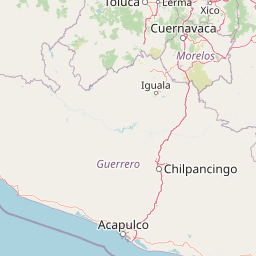
Why Nevado de Toluca National Park stands out
Nevado de Toluca is best known for its dramatic volcanic crater containing two high-altitude lakes, Laguna del Sol and Laguna de la Luna, which are unique in Mexico. The volcano's summit offers panoramic views of the surrounding Valley of Mexico, and on clear days visibility extends to Popocatépetl volcano 120 kilometers to the east. The park is also notable for its pre-Hispanic archaeological significance, with 18 registered sites including ceremonial areas where ancient peoples deposited copal offerings in the lakes. The combination of volcanic landscape, alpine ecology, and indigenous heritage makes this park a distinctive destination in central Mexico.
Nevado de Toluca National Park history and protected-area timeline
The Nevado de Toluca National Park was established in 1936 through a decree by President Lázaro Cárdenas del Río, with the original mandate to preserve approximately 51,000 hectares surrounding the volcano. However, the lands were not expropriated by the federal government and remained under ejido, communal, and private ownership with usage restrictions. The original decree included provisions to encourage tree planting on private lands within the park boundaries. Initially covering 54,000 hectares in the 1930s, the park's effective protected area has decreased significantly to around 17,000 to 46,784 hectares due to various factors including urban expansion and land use changes. In September 2013, under President Enrique Peña Nieto, the park's status was changed from a national park to an Área de protección de flora y fauna (Flora and Fauna Protection Area), providing different legal protections. The park has faced significant conservation challenges throughout its history, particularly from illegal logging, mining, and the rapid expansion of the Toluca metropolitan area. The metropolitan area now contains over 1.35 million people, four times its 1930 population. In 2008, portions of the park were closed to allow forest recovery, and motor vehicles were banned from the crater area due to critical damage to the fragile ecosystem.
Nevado de Toluca National Park landscape and geographic character
The park is defined by the dramatic volcanic landform of Nevado de Toluca, an extinct stratovolcano that rises prominently above the surrounding Toluca Valley. The mountain's slopes are covered with forests of pine, fir, and broadleaved trees, transitioning to alpine meadows and grasslands above the tree line near the summit. The most distinctive feature is the large elliptical crater, approximately 2 kilometers long and 1.5 kilometers wide, with steep walls rising hundreds of meters. The crater floor sits at 4,558 meters elevation and contains two shallow lakes, Laguna del Sol and Laguna de la Luna, surrounded by jagged peaks. The southeast portion of the park features deep valleys carved by the Chontalcoatlan River, flowing toward the Balsas River system. The volcanic slopes and crater provide dramatic vertical relief, with the summit offering panoramic views spanning the Valley of Mexico. The landscape transitions dramatically from the populated piedmont areas at lower elevations to the stark alpine environment above the tree line.
Nevado de Toluca National Park ecosystems, habitats, and plant life
The park supports a range of ecological zones reflecting its significant elevation gradient from 2,200 to 4,690 meters. The lower slopes are dominated by pine forests, with fir forests predominant in the northeastern section known as the Peña Ahumada and in areas just below the tree line. Broadleaf trees are found primarily in the piedmont zone at the lowest elevations. Above the tree line, the landscape shifts to alpine meadows and grasslands that contain important endemic species of local and regional significance. According to biodiversity surveys, more than 1,380 species of plants and animals inhabit the protected area, with 62 species classified within some category of risk under Mexico's NOM-059 official standard. The flora consists primarily of conifer and oak forests, while the fauna includes squirrels, birds, rabbits, coyotes, reptiles, rodents, the endemic teporingo (volcano rabbit), and opossums. The park's high-altitude environment experiences mean annual temperatures of approximately 3.9°C, among the coldest recorded in Mexico.
Nevado de Toluca National Park wildlife and species highlights
The wildlife community in Nevado de Toluca National Park reflects the diverse habitats found across its elevation gradient. The forests and alpine zones support populations of mammals including opossums, coyotes, squirrels, rabbits, and the endemic teporingo (Romerolagus diazi), a small rabbit species found only in high-altitude grasslands of central Mexico. The area supports various bird species and reptiles that inhabit the forest understory and open meadow areas. The park's location within the Toluca Valley also positions it along regional wildlife corridors, though the surrounding heavily populated metropolitan area presents challenges for wildlife movement. More than 1,380 species of plants and animals have been documented within the protected area, including 62 species that fall within some category of risk according to Mexican conservation standards.
Nevado de Toluca National Park conservation status and protection priorities
Nevado de Toluca National Park faces significant conservation challenges despite its protected status. The park has experienced substantial deforestation, with more than half of the original tree biomass lost and over 13,000 of its 17,000 hectares showing some degree of ecosystem disturbance. The annual deforestation rate stands at approximately 0.5%, with illegal logging being the primary threat, driven by the economic value of pine trees that can fetch up to US$90 on markets. The park's forests have shifted from dense pine stands to semi-dense or fragmented conditions, leaving remaining trees vulnerable to pests and diseases. Additional pressures include illegal mining for sand and gravel, with at least eight illegal open pit mines operating within the park, and damage from visitor vehicles that were permitted to drive onto the crater floor until 2008. The growth of the Toluca metropolitan area, now home to over 1.35 million people, continues to place pressure on the park's boundaries. In 2008, vehicle access to the crater was permanently banned, and in 2013 the park was reclassified as a Flora and Fauna Protection Area to strengthen legal protections. Experts have recommended declaring the area a biosphere reserve to provide more comprehensive protection.
Nevado de Toluca National Park cultural meaning and human context
The Nevado de Toluca area holds significant cultural heritage dating to pre-Hispanic periods. The crater lakes were important ceremonial sites for indigenous peoples, who traveled to this high-altitude location to conduct religious ceremonies and rituals. Bernardino de Sahagún documented the lakes as places where indigenous groups held ceremonies and made sacrifices. The lakes contain numerous archaeological offerings, particularly copal (a resin incense), which was burned and set afloat on the water until it sank. Archaeological investigations have recovered ceramics, sculpted stones, and obsidian blades throughout the crater area. Eighteen archaeological sites have been registered within the park, including platforms, rock shelters, and ceremonial locations on crater walls and peaks. The site at Pico Noreste, at 4,130 meters elevation, represents the highest registered archaeological site in the park. Excavations in 2010 sponsored by INAH revealed artifacts dating from the epi-Classic (650-900 CE) and Post-Classic (900-1200 CE) periods, indicating the crater served as a meeting place for astronomer priests to predict agricultural seasons. The colonial-era shrine to Archangel Michael also exists within the Cerro Prieto Cave, demonstrating the continued spiritual significance of the site through time.
Top sights and standout views in Nevado de Toluca National Park
The park's primary highlights include the dramatic crater with its twin lakes, the fourth-highest peak in Mexico, and the unique alpine environment accessible from Mexico City. The Laguna del Sol and Laguna de la Luna represent the only crater lakes in Mexico and are among the highest lakes of their type in the world. Pre-Hispanic archaeological sites, particularly the ceremonial offerings in the lakes, add cultural depth to the natural landscape. The panoramic views from the crater rim, where on clear days Popocatépetl volcano can be seen 120 kilometers to the east, provide a spectacular mountain experience. The park's ecological diversity, from pine forests to alpine meadows, supports significant biodiversity including the endemic teporingo. The ability to drive to the crater rim (before the 2008 vehicle ban) and walk to the lakes makes this high-altitude destination accessible to visitors without mountaineering experience.
Best time to visit Nevado de Toluca National Park
The best time to visit Nevado de Toluca depends on the experience sought. The summit area is typically snowy from November through March, when the park attracts visitors seeking to experience winter conditions and snow. During this period, the landscape transforms into a winter wonderland, though heavy snowfall may lead to park closures. The warmer months from April through October offer more stable access to the crater and trails, though high-altitude temperatures remain cool year-round, with average temperatures ranging from 4°C to 14°C. The dry season generally provides clearer views and more predictable trail conditions. Visitors should be aware that the park was closed indefinitely in August 2025 following an accident, so checking current access status before planning a visit is essential. Regardless of season, the high altitude demands proper preparation for cold conditions and potential rapid weather changes.