
Explore the volcanic terrain, high-altitude forests, and geothermal landmarks of this Andean landscape.
Named Natural Features and Geographic Landmarks within Sajama National Park, Bolivia
Discover the diverse range of natural features mapped within and surrounding Sajama National Park. This collection tracks significant landforms including snow-capped stratovolcanoes, high-elevation Polylepis forests, and active geothermal zones characteristic of the Central Andean dry puna. Examine how these specific geologic, glacial, and botanical landmarks define the rugged terrain of this historic high-altitude protected area.
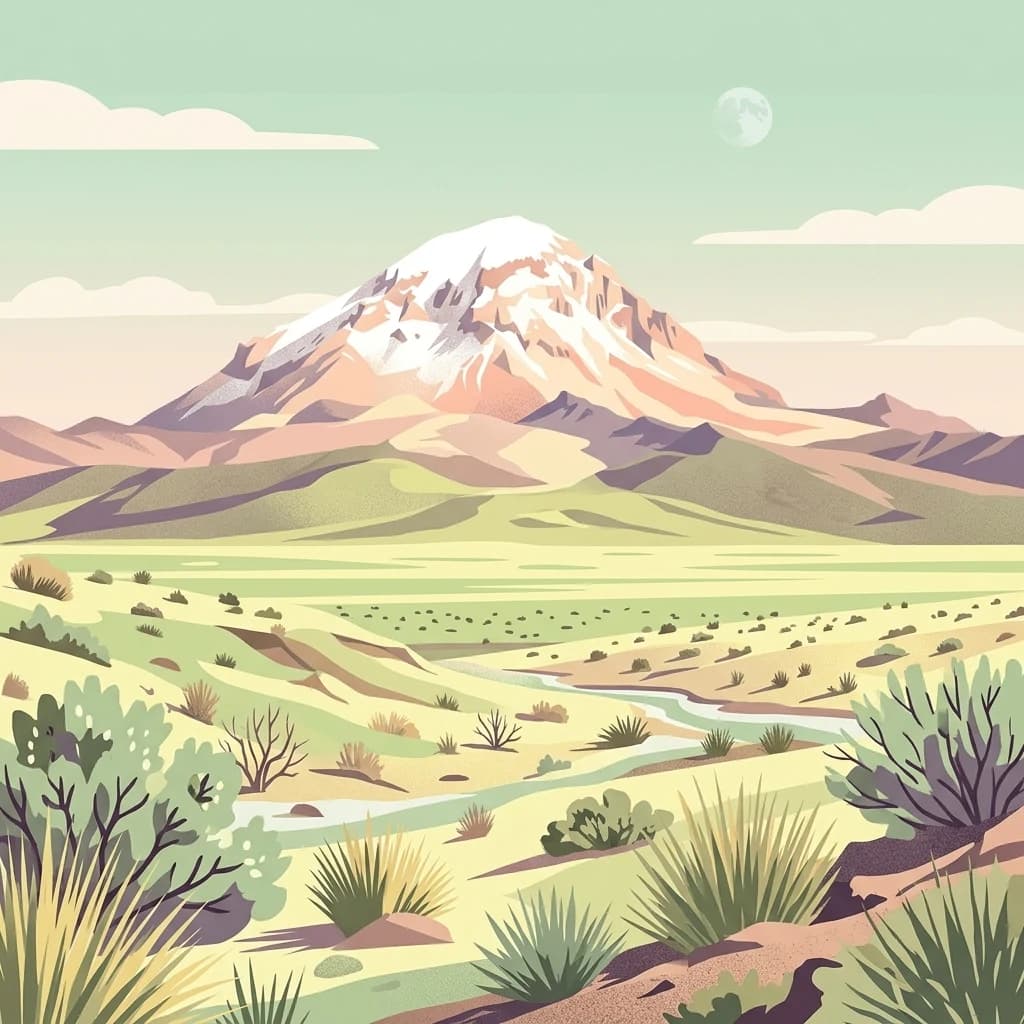
Place Sajama National Park features within its volcanic mountain geography
Volcanic mountain feature records across the highlands of Sajama National Park
Peaks
A peak is a named summit or locally highest point on a mountain, ridge, hill, massif, or other elevated landform. Its identity may be defined by elevation, prominence, topographic form, established naming, or its position within a larger mountain system. A peak is the summit feature itself, not automatically the entire mountain or range that contains it.
High altitude volcanic geography and landform mapping
Volcanoes
Browse the categorized volcano features located within the territory of Sajama National Park. Each entry details the geological structure and spatial placement of these landmarks within the broader Andean landscape, providing a technical look at the region's volcanic origins and current landform configuration.
High-altitude basins and inland water geography
Lakes
Explore the inventory of natural lakes situated within the boundaries of Sajama National Park. This geographic collection documents inland water basins and their placement within the park's volcanic topography, providing essential context for the hydrology of this high-altitude Andean environment.
Continue Exploring Sajama National Park's Protected Landscape and Bolivian Geography
Delve deeper into the geographic specifics and atlas presentation of Sajama National Park. Understanding its mapped boundaries and its role within Bolivia's conservation landscape provides essential context for broad geographic discovery. Continue your exploration of this vital protected area and its surrounding terrains for a richer atlas perspective.