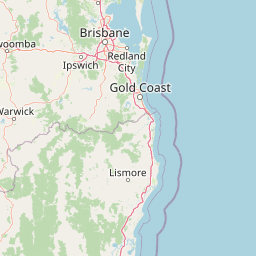
Why St Helena Island National Park stands out
St Helena Island is best known for its well-preserved colonial prison ruins, which operated from 1865 to 1933 and housed some of Queensland's most notorious criminals. The island's dual heritage as both a penal establishment and a natural sanctuary makes it distinctive among Australian national parks. The island serves as an Important Bird Area, supporting significant populations of migratory shorebirds that use the island as a watering hole during their journeys along the East Asian-Australasian flyway. The preserved prison complex, including workshops, cells and infrastructure, provides tangible insight into colonial Queensland's penal system and the harsh conditions inmates endured.
St Helena Island National Park history and protected-area timeline
St Helena Island's history spans thousands of years of Aboriginal occupation followed by a dramatic colonial period. The island was originally inhabited by the Nooghies Aboriginal tribe, with the island described by Matthew Flinders in 1799 as one of the 'Green Isles'. Local Aboriginal people knew the island as Noogoon.
In 1827, Eulope, the headman of the Quandamooka people, was exiled to Noogoon after allegedly throwing a spear at a British prison guard and stealing a steel axe from Dunwich on Stradbroke Island. The island was subsequently renamed St Helena in reference to Napoleon's exile. Eulope later escaped by fashioning a bark canoe and paddling back to Stradbroke Island.
The island served as a quarantine station in the 19th century and was also the site of a dugong hunting industry. In 1867, St Helena was proclaimed a penal establishment, and from 1865 to 1933 it operated as Queensland's main prison for men. The prison housed violent offenders including murderers, those convicted of manslaughter, and participants in the 1891 Australian shearers' strike. The facility earned a fearsome reputation for harsh conditions, including the use of the lash, dark underground cells and shot drill.
The prison functioned as a self-sufficient settlement, producing bricks, rope, clothing and agricultural products. The island's rich volcanic soil supported extensive farming, including a sugar mill producing over 75 tonnes of sugar annually by 1880. The prison closed in 1933, and the island subsequently passed through various uses before being gazetted as a national park in 1979 and declared Queensland's first Historic Area in 1980.
St Helena Island National Park landscape and geographic character
St Helena Island is a relatively flat island in Moreton Bay, characterised by volcanic soils that support diverse vegetation despite the island's small size. The island features a permanent spring in its centre, providing a reliable freshwater supply that distinguishes it from many other Moreton Bay islands. This water source has historically supported both human settlement and wildlife populations.
The island is surrounded by marine waters typical of Moreton Bay, a large sheltered bay with complex tidal patterns and seagrass meadows. The shoreline features mangrove areas that provide habitat for marine species and create a transition between terrestrial and marine ecosystems. The island's elevation is minimal, typical of bay islands in the region, but the presence of the spring and fertile soils created conditions suitable for intensive agriculture during the prison period.
Vegetation on the island includes coastal and subtropical species adapted to the island's position in Moreton Bay. The island's visibility from the mainland, particularly from the suburbs of Wynnum, Manly and Lota, creates a striking backdrop to the Brisbane coastline. The landscape combines natural bay environment with the built structures of the former prison, creating a distinctive visual character that reflects the island's layered history.
St Helena Island National Park ecosystems, habitats, and plant life
St Helena Island supports diverse ecosystems within its 75-hectare area, despite its relatively small size. The island forms part of the Moreton Bay and Pumicestone Passage Important Bird Area, an internationally recognised site designated by BirdLife International because it supports large numbers of migratory waders and shorebirds. The island's central spring provides critical freshwater habitat that attracts many bird species, particularly during migration periods.
The marine environment surrounding the island contributes to the broader ecological values of Moreton Bay, which supports extensive seagrass communities, mangroves and diverse marine fauna. The island's position within the bay places it along major migratory flyways, making it significant for international bird conservation. The transition from terrestrial habitats through mangrove fringes to subtidal marine areas creates a complete ecological gradient within and around the island.
The natural environment coexists with the historical structures, creating a landscape where colonial ruins emerge from native vegetation. This combination of historical and natural heritage defines the island's ecological character and management priorities.
St Helena Island National Park wildlife and species highlights
St Helena Island's wildlife significance centres primarily on its role as a bird sanctuary within the East Asian-Australasian flyway. The island supports large populations of migratory waders and shorebirds that use the island as a watering hole during their long-distance migrations. These species travel between breeding grounds in the northern hemisphere and southern Australia, making stops at coastal wetlands like those around St Helena Island.
The permanent spring on the island provides crucial freshwater habitat that attracts diverse bird species, particularly during dry periods when other water sources become unavailable. The island's inclusion in the Moreton Bay and Pumicestone Passage Important Bird Area reflects its international significance for bird conservation. Species using the island include various sandpipers, plovers, godwits and other shorebirds that undertake remarkable transcontinental journeys.
The marine environment surrounding the island supports additional wildlife, including dugongs that historically were hunted from the island. While the dugong population has declined from historical levels, the broader Moreton Bay ecosystem continues to support marine mammals and turtles. The mangrove areas around the island provide habitat for fish, crabs and other marine invertebrates.
St Helena Island National Park conservation status and protection priorities
St Helena Island National Park is protected under IUCN Category II, reflecting its status as a national park with both natural and cultural values. The island's inclusion in the Moreton Bay and Pumicestone Passage Important Bird Area indicates its international conservation significance for migratory bird populations. This designation recognises that the island supports large numbers of migratory waders that depend on coastal habitats during their annual migrations.
The dual heritage status of the island, as both a national park and a heritage-listed site under the Queensland Heritage Register, creates unique conservation challenges and opportunities. Managing the prison ruins requires different approaches than typical wilderness preservation, balancing visitor access with heritage preservation while maintaining natural values. Queensland Parks and Wildlife Service manages the site with attention to both its ecological and historical significance.
The island's small size and isolation have helped preserve both its natural values and historical structures. The transition from active prison to national park has allowed natural processes to reclaim areas no longer maintained, while the preserved ruins provide insight into colonial penal history. Conservation efforts focus on protecting water quality from the spring, maintaining bird habitats and stabilising heritage structures.
St Helena Island National Park cultural meaning and human context
St Helena Island holds deep cultural significance for the Quandamooka people, the Traditional Owners of the region encompassing Moreton Bay and the islands within it. The island was originally known as Noogoon and was inhabited by the Nooghies Aboriginal tribe for thousands of years before European settlement. The island's permanent spring made it an important resource in the pre-colonial landscape.
The naming of the island as St Helena reflects a colonial history of exile and punishment, named after the island where Napoleon was imprisoned. The exile of Eulope, a Quandamooka headman, in 1827 marked the beginning of the island's transformation into a penal site. This history intertwines Aboriginal displacement with colonial penal practices, creating a complex cultural landscape.
The prison period saw the island become a place of incarceration for participants in the 1891 Australian shearers' strike, connecting the site to broader narratives of Australian labour history. The prison's operation until 1933 left a legacy of built structures and historical narratives that continue to shape the island's identity. Today, cultural interpretation efforts aim to present this complex history, including both the harsh penal conditions and the island's Aboriginal heritage.
Top sights and standout views in St Helena Island National Park
St Helena Island National Park offers a distinctive combination of preserved colonial prison ruins and important natural habitats within view of Brisbane. The prison complex, operational from 1865 to 1933, remains substantially intact and provides tangible insight into Queensland's penal history. The island's status as Queensland's first gazetted Historic Area, established in 1980, reflects its pioneering role in heritage conservation.
The island's birdlife, particularly migratory shorebirds using the East Asian-Australasian flyway, represents international conservation significance within a national park setting. The permanent spring that attracted Aboriginal people for thousands of years continues to sustain wildlife and forms a unique feature among Moreton Bay islands. The island's visibility from the Brisbane coastline creates a striking backdrop that connects urban residents to both natural and historical heritage.
Tourism operations on the island, including historical tours and the annual 'Secrets of St Helena' theatre production, bring the island's history to life for visitors. The preserved ruins, including the butcher's shop, bakery, workshops and accommodation blocks, illustrate the self-sufficient nature of the penal settlement. This combination of accessible natural and cultural heritage makes St Helena Island a unique destination in the Brisbane region.
Best time to visit St Helena Island National Park
St Helena Island can be visited throughout the year, with each season offering different experiences. The cooler months from May to October generally provide more comfortable conditions for exploring the island's outdoor sites and walking trails. Migratory bird populations are most evident during the Australian spring and summer months from September to March, when shorebirds return from northern breeding grounds.
The island's exposed position in Moreton Bay means that weather conditions can change relatively quickly, and visitors should be prepared for varying conditions. Boat access to the island is subject to weather and tidal conditions that affect ferry services. The summer months typically bring warmer temperatures and higher humidity, which may limit comfortable exploration during midday hours.
Birdwatching opportunities are strongest during migration periods when the island's freshwater spring attracts large numbers of shorebirds. The island's relatively small size means that visitors can explore the main areas within a few hours, making it suitable for day trips from Brisbane. Historical tours operate regularly and provide context for understanding the prison ruins and the island's complex history.