Why Table Mountain National Park stands out
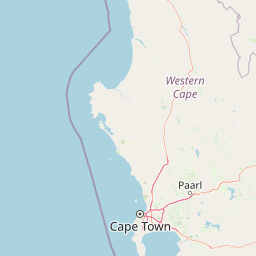
Table Mountain National Park is best known for its extraordinary botanical diversity and the dramatic backdrop it provides to Cape Town. The park contains the famous flat-topped Table Mountain, one of the world's most recognizable peaks, alongside the iconic Cape of Good Hope, historically celebrated as the southwesternmost point of the African continent. The park protects the Critically Endangered fynbos vegetation, which includes the striking King Protea (South Africa's national flower) and the silvery-leaved Silver Tree found only on Lion's Head. The African penguin colony at Boulders Beach and the dramatic sea cliffs of Cape Point represent the park's coastal wildlife highlights.
Table Mountain National Park history and protected-area timeline
The movement to protect Table Mountain began in earnest during the mid-1930s, driven by growing concern about development pressures on the peninsula's distinctive landscapes. The Table Mountain Preservation Board was established in 1952, and by 1957, Table Mountain had been declared a national monument under the National Monuments Act. In the 1960s, the Cape Town City Council created nature reserves on individual peaks including Table Mountain, Lion's Head, Signal Hill, and Silvermine. Following devastating wildfires in the 1970s, conservationist Douglas Hey was appointed to assess the ecological state of the peninsula, and his 1978 recommendation that all peninsula mountains above 152 meters should be conserved laid the groundwork for formal protected area establishment. The Cape Peninsula Protected Natural Environment was finally declared in 1989, though management remained challenged by fragmented land ownership. After a major fire in 1991 prompted renewed political attention, Attorney General Frank Kahn facilitated consensus on unified management. In 1995, Professor Brian Huntley recommended that SANParks take over management, and an agreement was signed in April 1998 to transfer approximately 39,500 acres to the national parks authority. On 29 May 1998, then-President Nelson Mandela proclaimed the Cape Peninsula National Park, which was subsequently renamed to Table Mountain National Park.
Table Mountain National Park landscape and geographic character
The park protects a dramatic mountain landscape characterized by towering sandstone peaks, granite domes, and deep valleys that dissect the Cape Peninsula. The most famous landmark is Table Mountain, a flat-topped mesa rising to 1,086 meters above sea level, often shrouded in cloud caps known as the "tablecloth." Along the western Atlantic seaboard, the Twelve Apostles, a series of seventeen peaks, create a spectacular coastal backdrop of sheer cliffs descending to the ocean. The southern peninsula features the calciferous limestone and sandstone formations around Cape Point, where sea stacks and blowholes add to the dramatic scenery. The landscape includes several distinctive vegetation types, from fire-maintained fynbos shrublands on nutrient-poor soils to deeper Afro-temperate forests in sheltered ravines like Orange Kloof. The park's terrain ranges from near-sea-level coastal flats to mountain peaks exceeding a thousand meters, creating diverse habitats within a relatively compact area.
Table Mountain National Park ecosystems, habitats, and plant life
The ecological significance of Table Mountain National Park cannot be overstated. The park lies at the heart of the Cape Floristic Region, one of only six floral kingdoms recognized globally and the smallest and most diverse. More than two thousand plant species occur within the park's boundaries, exceeding the total plant species found in the entire United Kingdom. The dominant vegetation is fynbos, a fire-adapted Mediterranean-type shrubland characterized by fine, leathery leaves and spectacular flowering displays. Two endangered fynbos types are endemic to the Cape Town area: Peninsula Sandstone Fynbos and Cape Granite Fynbos, occurring nowhere else on Earth. The protea family, erica family, restio family, and daisy family all reach their greatest diversity here, alongside numerous geophytes (bulbous plants) that bloom seasonally. Indigenous Afro-temperate forests persist in moist ravines and southern slopes, representing relict vegetation from a cooler, wetter epoch.
Table Mountain National Park wildlife and species highlights
While the park is best known for its botanical richness, it also supports notable wildlife despite centuries of human presence in the area. Larger predators have been eliminated, though leopards persisted into the 1920s and may still exist in remote areas. Several large herbivores including mountain zebra, bontebok, and eland have been re-introduced to the Cape Point section, successfully establishing populations. Smaller mammals include caracal, rock hyrax (locally called dassies), and the recently re-introduced klipspringer, a small antelope adapted to rocky terrain. The Chacma baboon population in the southern sections is well-established, though often in conflict with nearby residents. The park provides critical habitat for the Table Mountain ghost frog, a rare amphibian found only on these mountains. The marine environment supports diverse fish species, marine mammals, and the famous African penguin colony at Boulders Beach.
Table Mountain National Park conservation status and protection priorities
Table Mountain National Park represents a critical conservation stronghold for one of Earth's biodiversity hotspots. The Cape Floristic Region is recognized as a Global Biodiversity Hotspot, with the highest concentration of threatened species of any continental area of equivalent size in the world. The park protects endangered vegetation types that exist nowhere else, including the Peninsula Sandstone Fynbos and Cape Granite Fynbos. However, the park faces significant challenges from invasive species, particularly plantations of Australian acacias, hakeas, and European pines that were established for timber production on the most biodiverse lower slopes. SANParks has implemented controversial programs to remove these invasive trees and restore indigenous vegetation, though some local residents have opposed the loss of recreational areas. Additional pressures include illegal harvesting of indigenous plants for traditional medicine, wildfire management, and balancing public access with species protection.
Table Mountain National Park cultural meaning and human context
The Cape Peninsula holds deep historical significance in the global narrative of exploration and maritime travel. The Cape of Good Hope was a critical navigational landmark for European sailors traveling between Europe and Asia, representing the gateway between the Atlantic and Indian Oceans. Table Mountain served as a crucial landmark for ships entering Cape Town's harbor, and the mountain's distinctive profile has become synonymous with the city itself. The peninsula was home to indigenous Khoikhoi people before European settlement, and the landscape bears traces of this heritage. The marine protected area contains culturally significant fish traps, historical shipwrecks, and supports traditional fishing communities that have utilized these waters for generations.
Top sights and standout views in Table Mountain National Park
The Table Mountain Cableway provides visitors access to the summit of Table Mountain, offering panoramic views over the city and coastline. Boulders Beach near Simon's Town hosts one of Africa's largest African penguin colonies, allowing close observation of these charismatic birds in their natural habitat. Cape Point and the Cape of Good Hope remain powerful symbolic destinations, where visitors can stand at one of the most historically significant geographic points in the world. The park's network of hiking trails spans from casual paths on Signal Hill to challenging routes up the Twelve Apostles, while the marine protected area offers scuba diving, whale watching, and surfing opportunities. The dramatic seasonal flowering of fynbos, particularly in spring, transforms the landscape with color.
Best time to visit Table Mountain National Park
The park can be visited year-round, though autumn and winter (May to September) bring the most reliable hiking conditions with moderate temperatures and less fire risk. Spring (September to November) offers the spectacular fynbos flowering season when the mountainsides erupt in color from blooming proteas, ericas, and other endemic species. Summer months (December to February) can be hot and dry, with increased fire risk that may cause trail closures. The winter rainy season brings occasional spectacular cloud formations over Table Mountain and the unique "tablecloth" phenomenon. Marine activities like whale watching are best from June to November when southern right whales migrate past the coast.