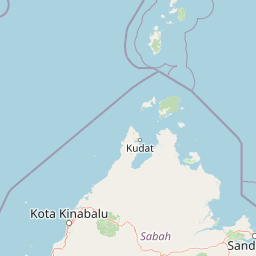
Why Turtle Islands National Park stands out
Turtle Islands National Park is renowned as one of the most important marine turtle nesting sites in Southeast Asia. The park protects significant populations of green turtles and hawksbill turtles that come ashore nightly to lay their eggs on the islands' sandy beaches, a behavior that occurs year-round rather than being confined to specific seasons. During peak season in October, up to fifty turtles may come ashore in a single night. The park's turtle conservation program, established in 1966, is the oldest of its kind globally and maintains comprehensive research and tagging operations. Visitors can observe turtles laying eggs, participate in hatchling releases, and learn about the rangers' work in incubating eggs in protected hatcheries.
Turtle Islands National Park history and protected-area timeline
The turtle conservation program at Turtle Islands National Park traces its origins to 1966, when the first turtle hatchery in Malaysia was established on Selingan Island with full funding from the Sabah state government. This pioneering conservation initiative came in response to declining turtle populations and the recognition that the islands provided critical nesting habitat. Following the establishment of the initial hatchery, similar facilities were developed on the remaining two islands. In 1972, the three islands of Selingan, Bakkungan Kechil (Little Bakkungan), and Gulisan were designated as a Game and Bird Sanctuary, providing initial legal protection for the area. This status was upgraded in 1977 to a Marine Park, giving the site enhanced protection and formal recognition as a national park. Permanent park staff were assigned to monitor turtle populations, protect the hatcheries from natural predators, and conduct tagging operations for research purposes. Libaran Island falls within the park boundaries but is not a significant turtle nesting site.
Turtle Islands National Park landscape and geographic character
The Turtle Islands National Park encompasses a tropical island landscape characterized by sandy beaches, coastal vegetation, and surrounding coral reef environments. The three islands—Selingaan, Little Bakkungan, and Gulisaan—feature beach habitats suitable for turtle nesting, with sand composition and beach profile playing important roles in successful egg incubation. The surrounding waters of the Sulu Sea contain coral reef systems that form the marine portion of the park's ecosystem. The islands themselves are relatively small landmasses with limited terrestrial area, but their coastal setting provides the essential sandy shores that marine turtles require for nesting. The park's marine component extends to the reef environments that fringe the islands, creating a protected zone that encompasses both terrestrial and marine habitats.
Turtle Islands National Park ecosystems, habitats, and plant life
The marine ecosystems within Turtle Islands National Park center on coral reef communities and the open waters of the Sulu Sea. The coral reefs surrounding the islands support diverse marine life beyond the turtle species, providing habitat for various fish species, invertebrates, and other marine organisms. The park's marine monitoring program operates five coral reef monitoring stations to track reef health and ecosystem condition. The turtle nesting beaches represent a critical terrestrial component, where the sand environment must meet specific conditions for successful egg incubation. Temperature plays a determining role in turtle sex determination, and the hatcheries are designed with both shaded and sunny areas to influence the sex ratio of emerging hatchlings.
Turtle Islands National Park wildlife and species highlights
Turtle Islands National Park is most notable for its marine turtle populations, specifically green turtles and hawksbill turtles that use the islands as nesting grounds. These species come ashore nightly throughout the year to lay eggs, with peak activity occurring in October when up to fifty turtles may nest in a single night. The park's conservation work includes tagging individual turtles for research purposes, with first-time nesters receiving identification tags. The surrounding marine environment supports natural predators of turtle eggs and hatchlings, including monitor lizards, specialized crabs, eagles and other birds, and marine predators such as sharks. These predator species form part of a natural ecosystem that depends on turtle populations, though conservation efforts aim to ensure sufficient turtle reproduction to sustain both the turtle population and the predator community.
Turtle Islands National Park conservation status and protection priorities
Turtle Islands National Park represents a critical conservation asset for marine turtle protection in Southeast Asia. The park's turtle conservation program, established in 1966, is recognized as the world's oldest continuous turtle conservation initiative with the most detailed statistical records. The program addresses the severe decline of marine turtle populations, which have faced threats from human activities over the past century that have brought these ancient creatures to the brink of extinction. The park's protected status ensures that nesting beaches remain undisturbed and that egg collection and incubation occur in controlled conditions that maximize hatchling survival. The hatchery design mimics natural conditions, with incubation chambers dug to depths of 60-75 centimeters in sand, while protecting eggs from natural predators. Visitors participate in conservation through hatchling releases, conducted at night to improve survival rates.
Turtle Islands National Park cultural meaning and human context
The Turtle Islands hold cultural significance within the broader context of Sabah's maritime heritage and traditional relationships with marine resources. The islands' proximity to Sandakan connects them to the region's history as a key coastal settlement in northeastern Borneo. The turtle nesting tradition predates formal park establishment, with local communities historically interacting with these turtles and their eggs. The park's management by Sabah Parks reflects the state's commitment to preserving these natural heritage sites while allowing controlled public engagement through tourism. The cross-border dimension of the broader Turtle Islands region, which includes protected areas in the Philippines, highlights the transboundary nature of marine turtle populations that move freely across international waters.
Top sights and standout views in Turtle Islands National Park
The opportunity to witness turtle nesting and release hatchlings makes Turtle Islands National Park a unique wildlife experience. Unlike seasonal turtle nesting sites elsewhere, these islands see turtles come ashore every night, virtually guaranteeing sightings for visitors who stay overnight. The park's scientific program offers insight into one of the world's longest-running marine conservation efforts, with tagging and research operations visible to visitors. The three-island park provides different experiences, with Selingan offering the only overnight accommodation and serving as the primary turtle observation site. The conservation messaging emphasizes the fragility of these ancient creatures, which have existed for over 230 million years but now face unprecedented threats from human activity.
Best time to visit Turtle Islands National Park
Turtle Islands National Park can be visited year-round since turtles nest nightly rather than during specific seasonal windows. However, October represents the peak nesting season when the largest number of turtles come ashore—up to fifty turtles per night—offering the most prolific viewing opportunities. Visitors planning to observe turtle nesting should be aware that the park strictly enforces regulations preventing beach access from sunset to sunrise to avoid disturbing the turtles. Those wishing to witness turtles laying eggs must book overnight accommodation on Selingan Island, as day visits do not allow for the evening turtle observation experiences. The night-time hatchling release program provides a particularly memorable conservation experience, allowing visitors to participate directly in the park's conservation work.