

Mori Atlas logo
Nature reserveWadi al-Quff Reserve

Understanding the geography, forest terrain, and spring-fed wadi environment of this protected area.

Wadi al-Quff Reserve Nature Reserve: Mapped Protected Landscapes in Hebron Governorate

(Wadi al-Quff Nature Reserve)

Wadi al-Quff Reserve functions as a major ecological landmark in the Hebron Governorate, standing as the most extensive green area across the West Bank. The protected landscape spans over 4,600 dunams, encompassing a unique wadi environment defined by dense forest cover and natural freshwater springs. This site offers significant insight into the regional geography, combining afforested zones with traditional agriculture and archaeological sites that highlight its deep historical and environmental significance.

wadi landscapeplanted forestfreshwater springsmigratory birdsbutterfliesarchaeological sites
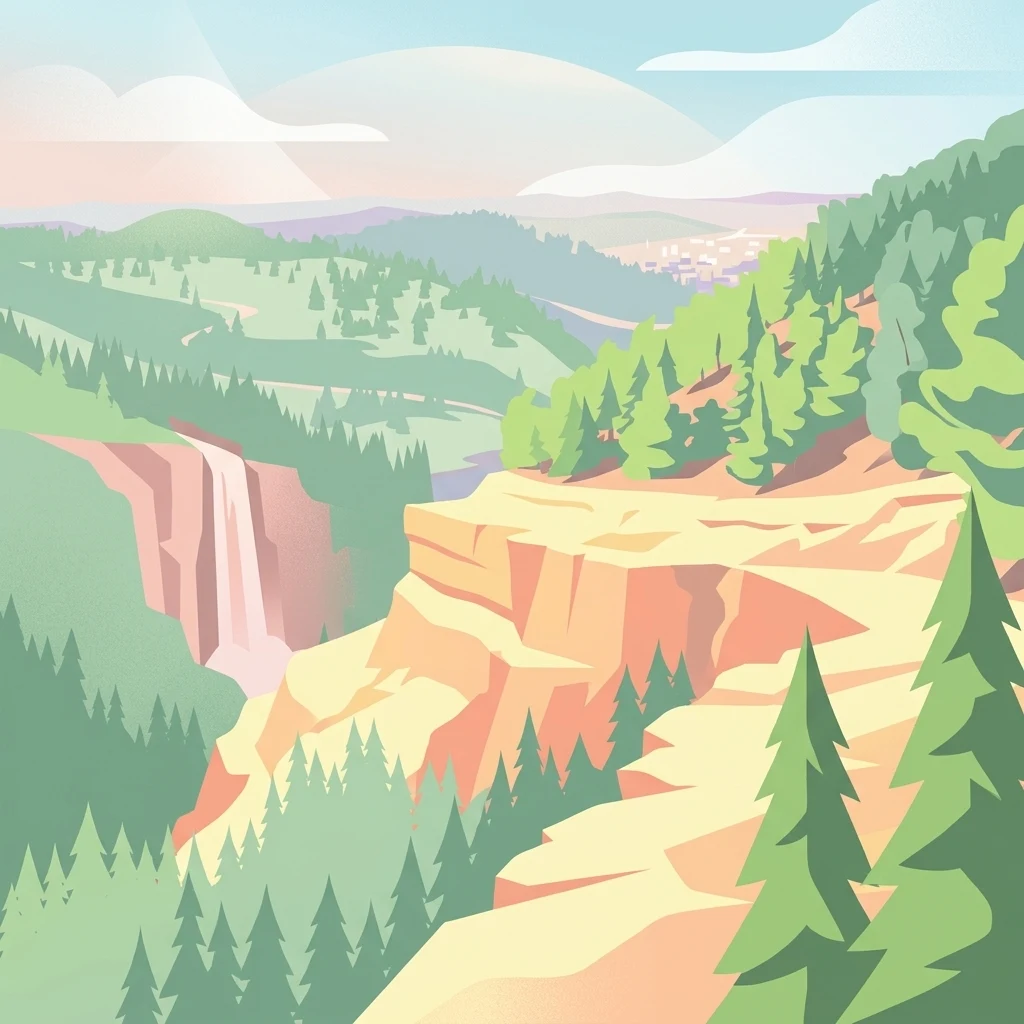
A digital illustration of a forested mountain landscape with a waterfall cascading down a canyon wall.

Wadi al-Quff Reserve

Nature reserve

Park overview

Structured park overview, official facts, and landscape profile for Wadi al-Quff Reserve

Wadi al-Quff Reserve park facts, protected area profile, and essential visitor context

Review the core facts for Wadi al-Quff Reserve, including designation, size, terrain, visitor scale, habitats, and operating context in one park-focused overview.

About Wadi al-Quff Reserve

Wadi al-Quff Reserve occupies a distinctive position among protected areas in the southern West Bank. Located in Wadi el-Quff near Tarqumiyah and within the Hebron Governorate, the reserve sits in a landscape shaped by both natural hydrology and deliberate afforestation. Its position roughly six kilometers northwest of Hebron places it within easy reach of one of the West Bank's major urban centers, while still offering a vast expanse of forested terrain that contrasts with surrounding settlement and agricultural land.

The reserve covers more than 4,600 dunams, making it the largest contiguous green area in the West Bank. Its character reflects a layered intervention in the landscape. In addition to trees planted across earlier decades, the reserve benefits from freshwater springs that move through the wadi, irrigating plant life and supporting a more humid microclimate than the broader region. This combination produces dense forest cover, varied vegetation, and conditions suitable for resident and migratory wildlife.

Wadi al-Quff Reserve is more than an ecological project. It is also a place of cultural and historical importance, as the wadi contains archaeological sites that contribute additional layers of meaning to the protected landscape. For residents of Hebron Governorate and surrounding communities, the reserve functions simultaneously as a nature refuge, a recreational park, and a heritage landscape, giving it a multifaceted identity that extends beyond typical afforestation reserves in the region.

Quick facts and research context for Wadi al-Quff Reserve

Wadi al-Quff Reserve is a designated nature reserve within the Hebron Governorate of the West Bank, situated in Wadi el-Quff about six kilometers northwest of Hebron. With more than 4,600 dunams of contiguous forest, it is widely described as the largest green area in the West Bank.

The reserve was established through afforestation efforts that introduced trees such as cypress, Aleppo pine, oak, tamarisk, carob, and terebinth, layered onto a wadi landscape that includes flowing freshwater springs. It serves both as a wildlife refuge for migratory birds and butterflies and as a local recreational and archaeological landscape for surrounding communities.

Protection and recognition

Documented terrestrial protection scope and conservation designation records

Wadi al-Quff Reserve Protection Status and International Recognition Facts

Wadi al-Quff Reserve maintains a recorded terrestrial protection scope within its designated conservation framework. Structured records outline the official status, management parameters, and recognition history associated with the protected area.

Protection details

Protection scope
Terrestrial
Transboundary protection
No
Park context

Deeper park guide and search-rich context for Wadi al-Quff Reserve

Wadi al-Quff Reserve history, landscape, wildlife, and travel context

Explore Wadi al-Quff Reserve through its history, landscape character, ecosystems, wildlife, conservation priorities, cultural context, and seasonal travel timing in a structured park guide built for atlas discovery and search intent.

Why Wadi al-Quff Reserve stands out

Wadi al-Quff Reserve is best known for being the most extensive green area in the West Bank, a status that derives from the combination of its large planted forests and its natural freshwater springs flowing through the wadi. The reserve's dense woodlands of cypress, Aleppo pine, oak, carob, and terebinth create a habitat island amid a predominantly arid and densely populated region, giving it an outsized ecological and visual presence. It is also recognized for the way it integrates several types of value into one protected area. The site combines afforestation, natural springs, agricultural plants sustained by those springs, wildlife habitat for migratory birds and butterflies, and archaeological remains, which together make it both an environmental and cultural landmark within Hebron Governorate.
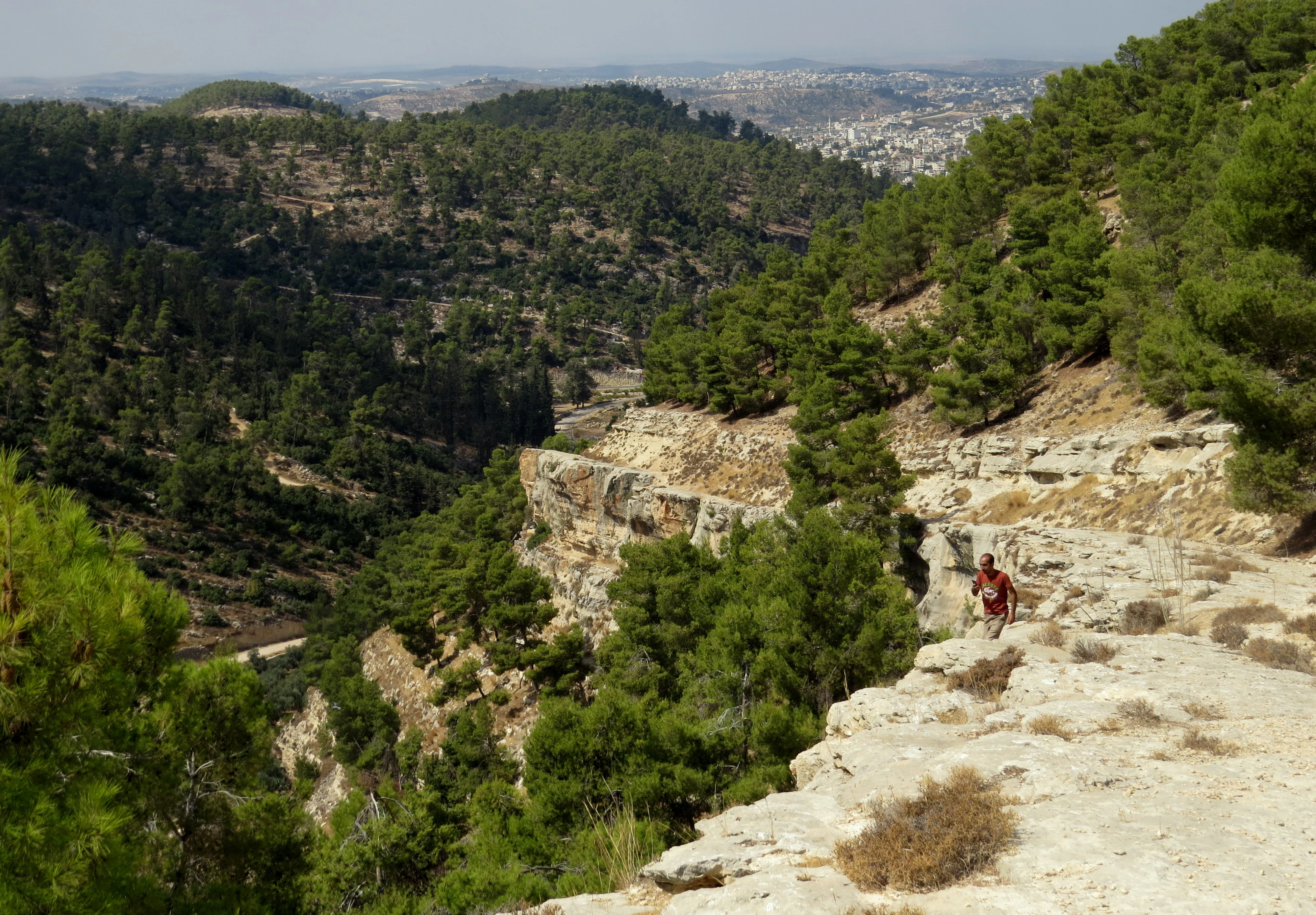
A wide outdoor view of a hilly, forested landscape with a rocky cliff face in the foreground and a distant town visible on the horizon, with a person hiking on the edge of the path.
A hiking trail winds through the forested hills and rocky cliffs of Wadi al-Quff Reserve.

Wadi al-Quff Reserve history and protected-area timeline

The reserve was developed through an afforestation program that introduced forest trees such as cypress, Aleppo pine, oak, tamarisk, carob, and terebinth into the wadi environment near Tarqumiyah. While the source material does not provide a detailed founding timeline, the establishment of the reserve reflects an effort to expand continuous tree cover and green space in the southern West Bank through deliberate planting and protection.

The natural baseline of the landscape, including its freshwater springs and existing wadi vegetation, supported the success of these planting efforts and shaped the reserve's later identity as both a planted and naturally regenerative green area. The reserve's status as the largest green area in the West Bank suggests a sustained period of growth and management, although specific historical milestones are not detailed in available sources.

Wadi al-Quff Reserve landscape and geographic character

Wadi al-Quff Reserve sits in a wadi setting, the dry river valley characteristic of the southern West Bank, where seasonal and spring-fed watercourses carve gentle corridors through the surrounding hills. Within this valley, freshwater springs emerge and flow through the reserve, adding moisture to a region that is otherwise dominated by drier terrain and built-up settlements. The springs sustain both wild vegetation and agricultural plants, shaping the microclimate of the wadi and supporting the dense greenery that defines the site.

The visual identity of the reserve is shaped above all by its extensive forest cover. Planted stands of cypress, Aleppo pine, oak, tamarisk, carob, and terebinth create a continuous wooded landscape across more than 4,600 dunams, producing a striking contrast between the forested wadi and the open, more arid terrain of the surrounding Hebron Governorate. The combination of valley topography, flowing water, and tall trees gives the reserve a layered and sheltered character unusual for its broader region.

Wadi al-Quff Reserve ecosystems, habitats, and plant life

Ecologically, Wadi al-Quff Reserve represents a rare concentration of forested habitat within the southern West Bank. The reserve's combination of planted woodlands and spring-fed ground water creates conditions that support a broader mix of plant life than is typically found in the surrounding landscape. Cypress, Aleppo pine, oak, tamarisk, carob, and terebinth form the structural backbone of the forest, while agricultural plants grow in zones watered by the reserve's freshwater springs.

This habitat mix produces a richer environment for wildlife than the surrounding terrain would otherwise offer. The reserve functions as a green island within a heavily populated and cultivated region, maintaining tree cover, moisture, and shelter that would not exist without deliberate protection. The result is a landscape that resembles, in density and continuity, a forested valley rather than the more open landscapes typical of the Hebron hills.

Wadi al-Quff Reserve wildlife and species highlights

The dense forests of Wadi al-Quff Reserve create shelter and movement corridors for a range of wildlife, with particular significance for migrating species. The reserve is recognized as a haven for migratory birds, which use the forested wadi as a stopover or seasonal habitat within the broader landscape of the southern West Bank.

In addition to birds, the reserve supports populations of butterflies and other small fauna that benefit from the shaded, spring-watered environment. The combination of mature tree cover, understory vegetation, and flowing water produces a refugium effect, allowing species that would struggle in drier or more disturbed surrounding areas to persist within the protected boundaries.

Wadi al-Quff Reserve conservation status and protection priorities

Wadi al-Quff Reserve holds significant conservation value because it safeguards the largest continuous green area in the West Bank, preserving both planted forest and spring-fed habitat in a region where such landscapes are scarce. By maintaining more than 4,600 dunams of contiguous tree cover, the reserve plays an outsized role in regional biodiversity, particularly for migratory birds and pollinator species such as butterflies that rely on stable habitat patches.

The reserve's freshwater springs add an additional layer of environmental importance, sustaining plant communities and supporting the hydrological character of the wadi. Protection of this combination of forest, water, and cultural heritage makes the site a multi-dimensional conservation asset within Hebron Governorate.

Wadi al-Quff Reserve cultural meaning and human context

Wadi al-Quff Reserve is embedded in a landscape with meaningful cultural and historical depth. The wadi contains archaeological sites that link the natural reserve to longer human histories of the Hebron hills, giving the area archaeological value in addition to its ecological function. For surrounding communities, the reserve also serves as a recreational park and gathering space, functioning as a familiar local landmark rather than a remote wilderness site. This dual role as heritage landscape and everyday green space shapes how residents of the governorate and nearby towns relate to the protected area.

Top sights and standout views in Wadi al-Quff Reserve

The standout features of Wadi al-Quff Reserve include its size as the West Bank's largest green area, its layered mix of planted and naturally regenerated forest, its freshwater springs that sustain both wild and agricultural plant life, and its combined ecological and archaeological significance. Together, these qualities make the reserve a uniquely diverse protected landscape within the southern West Bank.

Best time to visit Wadi al-Quff Reserve

The reserve's spring-fed forests and planted woodlands offer a generally cooler, greener atmosphere than the surrounding Hebron hills, making it a year-round destination for residents of the governorate and visitors interested in its forest environment. The presence of migratory birds suggests that periods of bird passage can add extra wildlife viewing interest, while the springs and shaded valleys make the site particularly appealing during warmer months when the contrast with surrounding drier terrain is most pronounced.

Park location guide

Geography guide, regional context, and park location map for Wadi al-Quff Reserve

Wadi al-Quff Reserve park geography, regions, and map view in Palestine

Understand where Wadi al-Quff Reserve sits in Palestine through a broader geographic reading of the surrounding landscape, nearby location context, and its mapped position within the national park landscape.

How Wadi al-Quff Reserve fits into Palestine

The State of Palestine is a country in West Asia formed from the West Bank and Gaza Strip, both under Israeli occupation. Declared independent in 1988, it is recognized by 157 UN member states and serves as the national entity for the Palestinian people. Ramallah serves as the de facto administrative center while Jerusalem's status remains contested.

Wider geography shaping Wadi al-Quff Reserve in Palestine

Palestine is located in the Levant region of West Asia. The West Bank borders Jordan to the east and Israel to the west and south, while the Gaza Strip borders Egypt to the southwest and Israel to the east. The terrain varies from plains along the coast to hills and mountains in the interior.

Location context for Wadi al-Quff Reserve

Hebron GovernorateWest Bank

Visual exploration of planted woodlands, valley terrain, and natural spring environments.

Wadi al-Quff Reserve Photos and Protected Landscape Scenery

Photographic records reveal the distinct valley topography, dense forest canopies, and freshwater spring corridors defining Wadi al-Quff Reserve. Visual observation clarifies how planted woodlands contrast against the surrounding arid terrain and sustain regional wildlife habitats.

A wide outdoor view of a hilly, forested landscape with a rocky cliff face in the foreground and a distant town visible on the horizon, with a person hiking on the edge of the path.

Common questions about visiting, size, designation, and location context for Wadi al-Quff Reserve

Wadi al-Quff Reserve FAQs for park facts, access, geography, and protected area context

Find quick answers about Wadi al-Quff Reserve, including protected-area facts, park geography, trail and visitor context, and how the park fits into its surrounding country and regional landscape.
MoriAtlas Explorer

Continue Your Protected Areas Search Across the Global Atlas

Deepen your exploration by continuing the structured search for national parks and protected areas worldwide. Utilize the comprehensive filtering capabilities to compare different conservation landscapes and refine your understanding of global park geography. Discover more about the distribution and characteristics of protected natural areas.

Global natural geography