Why West Coast National Park stands out
West Coast National Park is best known for two extraordinary natural phenomena. The first is the spectacular spring wildflower season, when the fynbos vegetation explodes in color during August and September, particularly in the Postberg area where visitors can walk through fields of white rain daisies, livingstone daisies, gousblom, and numerous other indigenous species. The second is the Langebaan Lagoon, a shallow tidal lagoon that serves as one of the most important migratory bird staging areas in southern Africa. Each austral summer, thousands of waders from the northern hemisphere converge on the lagoon to feed and rest during their return migration, creating remarkable birdwatching opportunities. The park's combination of coastal fynbos, wetland habitats, and offshore islands supports exceptional biodiversity.
West Coast National Park history and protected-area timeline
The protection of West Coast National Park evolved over several decades, beginning with the designation of Langebaan Lagoon as a marine reserve in 1973. Growing concern about the ecological condition of the lagoon and neighboring Saldanha Bay led to a proposal in 1976 for the urgent proclamation of the lagoon, peninsula, offshore islands, and surrounding land as a nature reserve. After a lengthy process, the Langebaan National Park was officially declared in 1985. The park was expanded in 1987 when land managed by the Department of Forestry and neighboring farms were incorporated, and in the same year an additional 1,800 hectares around Postberg were added as a contractual national park. The park's name was changed to West Coast National Park in 1987 to reflect its broader geographic scope. Further expansion has occurred since then. In 2000, the park and Langebaan Lagoon were integrated into the Cape West Coast Biosphere Reserve under UNESCO's Man and the Biosphere Programme, recognizing the area's significance as a model of sustainable development and conservation.
West Coast National Park landscape and geographic character
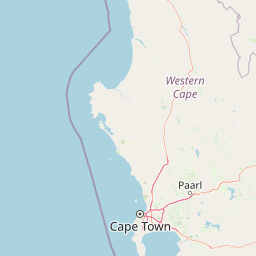
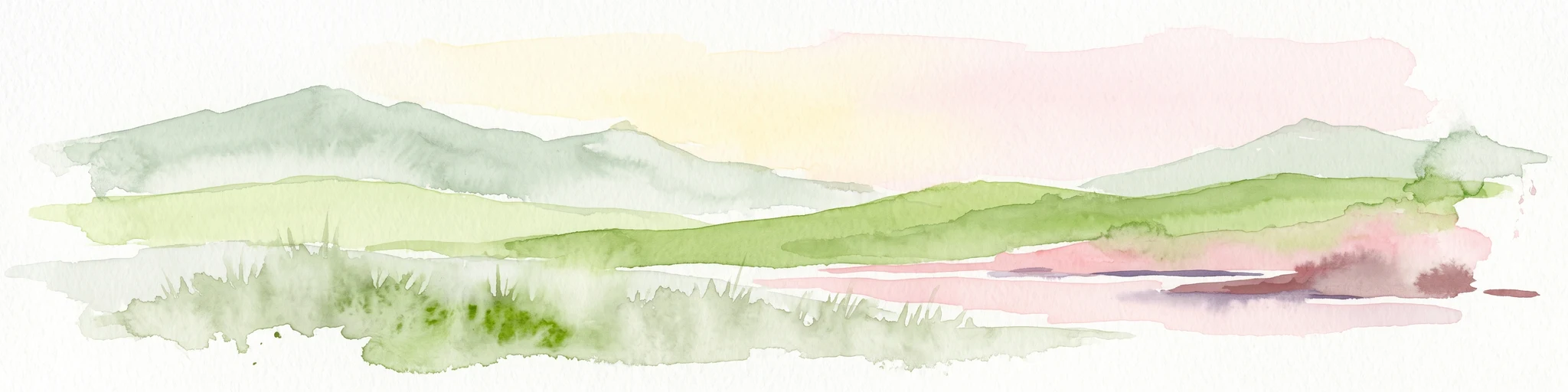
The physical landscape of West Coast National Park is defined by its coastal position and the interaction between terrestrial and marine environments. The park stretches along the Atlantic coastline from the town of Yzerfontein in the south to the Langebaan Lagoon in the north, bordered by the R27 coastal road. Granite formations rise from the landscape, particularly overlooking the lagoon, creating dramatic rocky outcrops and headlands that contrast with the more gentle fynbos-covered slopes. The Langebaan Lagoon itself is a shallow tidal inlet that covers approximately 30 square kilometers, with tidal flats and salt pans that are exposed at low tide. Behind the lagoon, the terrain transitions to undulating fynbos-covered plains that extend inland. The park's islands at the mouth of the lagoon provide additional coastal landscape diversity, serving as important breeding sites for seabirds. The overall character is one of open, windswept coastal scenery where the Atlantic Ocean, lagoon waters, and mountain-backed fynbos create a distinctive West Coast aesthetic.
West Coast National Park ecosystems, habitats, and plant life
The nature of West Coast National Park is characterized by its location within the Cape Floristic Region, one of the world's six floral kingdoms and renowned for its exceptional plant diversity. The park's fynbos vegetation dominates the landscape, consisting of fine-leaved evergreen shrubs adapted to the Mediterranean climate and nutrient-poor soils. This vegetation type supports approximately 1,500 plant species within the park's boundaries, including numerous endemics. The aquatic nature of Langebaan Lagoon creates a completely different habitat, a productive shallow wetland system where marine and freshwater mixing supports diverse invertebrate populations that form the base of the food chain for migratory birds. The lagoon and surrounding tidal flats provide critical feeding grounds for waders, while the offshore islands support breeding colonies of seabirds. The combination of terrestrial fynbos, lagoon wetlands, tidal mudflats, and marine environments creates a mosaic of interconnected habitats that supports remarkable biodiversity.
West Coast National Park wildlife and species highlights
The wildlife of West Coast National Park is remarkably diverse, with the park supporting both significant terrestrial mammal populations and extraordinary bird life. Large antelope species roam the fynbos areas, including eland, red hartebeest, bontebok, kudu, gemsbok, steenbok, mountain zebra, and duiker, with ostriches particularly common in the Postberg section. Smaller mammals include bat-eared foxes, caracals, and Cape gray mongooses. The bird life, however, represents the park's most remarkable wildlife feature. The Langebaan Lagoon is a globally important staging area for Palearctic migratory waders, with species including red knot, sanderling, little stint, ruff, various sandpipers, plovers, and godwits arriving in September from the northern hemisphere and gathering in large numbers in March before their return migration. Resident birds include little egrets, South African shelduck, greater flamingoes, and great white pelicans. The coastal islands support breeding colonies of Cape gannets, African penguins, kelp gulls, Hartlaub's gulls, cormorants, and terns. The fynbos areas are home to southern black korhaan, Cape spurfowl, gray-winged francolin, and numerous smaller bird species.
West Coast National Park conservation status and protection priorities
West Coast National Park holds significant conservation importance at multiple levels. The Langebaan Lagoon has been designated a Ramsar site since 1973, recognizing its international significance as a wetland and its role in supporting migratory bird populations under the Ramsar Convention. The park and the Saldanha Bay islands have been identified by BirdLife International as an Important Bird Area, acknowledging the critical habitat they provide for breeding seabirds and migratory waders. The park lies within the Cape West Coast Biosphere Reserve, part of UNESCO's Man and the Biosphere Programme, which promotes sustainable development and conservation integration. The protection of the fynbos vegetation is particularly important given that this is part of the Cape Floristic Region, a global biodiversity hotspot and one of only six floral kingdoms. The park's multiple designations reflect its ecological significance across terrestrial, coastal, and marine environments.
West Coast National Park cultural meaning and human context
The cultural context of West Coast National Park is tied to the broader history of the West Coast region, which was historically used for pastoral farming before protection. The park contains remnants of this agricultural past, including abandoned historic shepherd huts that can still be found within the protected area. The landscape surrounding the park has been shaped by centuries of human use, though the establishment of the protected area has allowed the natural systems to recover and persist. The town of Langebaan, the nearest settlement to the park, serves as a gateway for visitors and has grown alongside the park's development. The region holds significance for local communities, and the park's management through South African National Parks considers both conservation objectives and the needs of surrounding communities.
Top sights and standout views in West Coast National Park
The highlights of West Coast National Park center on two seasonal phenomena and one permanent ecological feature. The spring flower season from August to September transforms the landscape, especially in the Postberg section, where visitors can walk through fields of colorful wildflowers covering the hillsides in what is considered one of the most impressive flower displays in South Africa. The bird watching at Langebaan Lagoon offers extraordinary opportunities to observe thousands of migratory waders during their seasonal congregations, with the tide-driven behavior pushing birds toward observation hides as the water rises. The diversity of habitats within a single protected area, from fynbos-covered slopes to tidal lagoon and offshore islands, provides exceptional ecological experiences throughout the year.
Best time to visit West Coast National Park
The best time to visit West Coast National Park depends on what visitors wish to experience. For those specifically seeking the spring wildflower displays, the optimal time is during August and September when the flowers are in peak bloom, though the Postberg section is only open during these two months. For bird watching, the most spectacular period occurs from late February through April when the largest numbers of migratory waders gather at the lagoon before their northward migration, though the lagoon supports important bird populations year-round. The summer months from December to February offer warm weather and the longest days for exploring the park, though this is also the peak visitor season. Winter brings cooler temperatures and more variable weather, but the landscape retains its beauty and the park remains accessible. The park can be visited throughout the year, with each season offering a different perspective on this coastal protected area.