Why Wongo National Park stands out
Wongo National Park is distinguished primarily for its chimpanzee conservation mission. The park represents a rare designated protection area in Mali specifically dedicated to preserving great ape populations, which are threatened throughout West Africa by habitat loss and human encroachment. This chimpanzee-focused conservation priority sets the park apart within Mali's protected areas network and contributes to regional biodiversity preservation efforts for a species that has suffered significant population declines across its range.
Wongo National Park history and protected-area timeline
Wongo National Park was officially established on 16 January 2002, making it a relatively recent addition to Mali's national park system. The park's creation represented a specific response to conservation needs in the country's southern regions, where forest ecosystems support biodiversity distinct from the Sahelian wildlife more commonly associated with Malian protected areas. The decision to designate the area as a national park reflected the government's recognition that chimpanzee populations in this region required formal protection status. The establishment date places Wongo among a cohort of protected areas designated during a period when Mali expanded its conservation framework to address emerging ecological priorities.
Wongo National Park landscape and geographic character
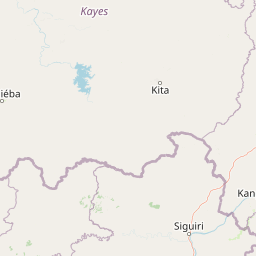
The park is situated in southern Mali within a temperate climatic zone that supports forest ecosystems uncommon in the more northerly Sahelian regions of the country. The area receives seasonal rainfall, with the rainy period extending from June through October, providing the moisture necessary for maintaining woodland and forest habitats. The landscape character differs substantially from the savanna and steppe environments that dominate much of Mali, offering more developed vegetation cover. The specific topographical features of the park area reflect the broader geological character of southern Mali, though detailed terrain descriptions are limited in available sources.
Wongo National Park ecosystems, habitats, and plant life
The ecological significance of Wongo National Park centers on its role as a forest habitat preserve in a country where forest ecosystems are relatively limited in extent. The temperate climate and seasonal rainfall patterns support vegetation communities that provide essential habitat for forest-dwelling species. The park's designation specifically for chimpanzee protection indicates the presence of forest environments suitable for this species, which requires dense canopy cover and sufficient food resources. The forest habitats within the park contribute to biodiversity preservation in a region where such ecosystems have faced pressures from agricultural expansion and other land-use changes.
Wongo National Park wildlife and species highlights
Wongo National Park's primary wildlife significance derives from its chimpanzee population, which represents the species for which the park was specifically established. Chimpanzees inhabit the forest environments that the park protects, relying on the canopy cover and food sources provided by the woodland habitats. The park's conservation mandate addresses the needs of thisape species in a country where their habitat is limited and pressures on forest ecosystems are ongoing. Beyond the chimpanzee focus, the forest environments likely support additional wildlife species typical of West African forest habitats, though detailed species inventories are not extensively documented in available sources.
Wongo National Park conservation status and protection priorities
The establishment of Wongo National Park reflects Mali's contribution to regional chimpanzee conservation efforts across West Africa. The park provides formal protected status for habitat essential to chimpanzee survival, addressing a conservation priority for a species that has experienced significant population declines throughout its range. As a national park with IUCN Category II designation, the area receives institutional protection that restricts harmful land uses and provides a framework for ongoing habitat management. The park's focus on a single species represents a targeted conservation approach within Mali's broader protected areas system.
Wongo National Park cultural meaning and human context
The cultural context of Wongo National Park relates to its position within southern Mali, a region with distinct human settlement patterns compared to the more northern Sahelian zones. The park's proximity to Samou indicates human presence in the surrounding area, where agricultural and pastoral activities have shaped the landscape over time. The establishment of the park created a protected area within a region where human activity continues to influence land use and ecosystem conditions. The local communities in the park's vicinity interact with the broader savanna and forest mosaic that characterizes this part of Mali.
Top sights and standout views in Wongo National Park
Wongo National Park stands as Mali's primary protected area specifically dedicated to chimpanzee conservation, representing a targeted approach to preserving great ape populations in West Africa. The park's 534-square-kilometer extent provides substantial habitat area for forest-dependent species in a country where such environments are limited. The 2002 establishment date makes the park a relatively recent addition to Mali's conservation estate, reflecting evolving priorities in the country's approach to biodiversity protection. The temperate climate with summer rainfall supports forest ecosystems that contrast with the Sahelian landscapes defining much of Mali's geographic identity.
Best time to visit Wongo National Park
The optimal period for visiting Wongo National Park aligns with the dry season, which extends from November through May, offering more favorable conditions for park exploration. During the rainy season from June to October, heavy precipitation affects visibility and accessibility within the park, while the subsequent months provide clearer conditions for wildlife observation. The dry season coincides with cooler temperatures typical of the temperate climate zone, making this period more comfortable for outdoor activities. Visitors interested in chimpanzee viewing should consider that these primates may be more readily observable during drier periods when animals concentrate around remaining water sources.