Why Yoho National Park stands out
Yoho National Park is best known for its extraordinary geological and paleontological significance. The Burgess Shale fossil deposit, discovered in 1909 by Charles Doolittle Walcott, contains exceptionally preserved remains of ancient marine organisms that revolutionized understanding of early animal evolution. The park also features Takakkaw Falls, Canada's second-tallest waterfall with a total drop of 373 metres, and the dramatic Yoho Valley with its backdrop of sheer rock walls. The distinctive peaks surrounding Field, including Mount Stephen with its famous trilobite deposits and Mount Burgess, which graced the Canadian ten-dollar bill for seventeen years, add to the park's iconic character.
Yoho National Park history and protected-area timeline
Yoho National Park was established on October 10, 1886, becoming one of Canada's earliest protected areas. The park emerged following a transformative journey by Prime Minister John A. Macdonald and his wife Agnes through the newly completed Canadian Pacific Railway, which opened up the Rocky Mountains to settlement and tourism. Initially created as Mount Stephen Reserve with an area of 256 square kilometres around Mount Stephen, the protected area expanded significantly in 1902 to include the Yoho Valley, at which point the park was renamed to reflect this spectacular feature. The original Mount Stephen House in Field served as a luxurious stopover for rail travellers eager to experience the mountain wilderness. In 1909, while fossil hunting in the park, Charles Doolittle Walcott discovered the Burgess Shale deposit, a finding that would eventually reshape scientific understanding of early animal evolution. The park underwent several boundary adjustments throughout the early twentieth century before reaching its current size through the National Park Act of 1930, which also formalized its current name. In 1984, Yoho joined Banff, Jasper, and Kootenay national parks, along with three provincial parks, to form the Canadian Rocky Mountain Parks World Heritage Site.
Yoho National Park landscape and geographic character
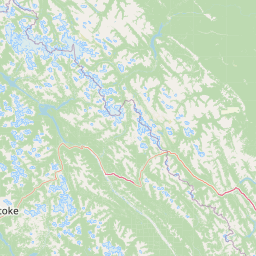
The landscape of Yoho National Park presents an impressive array of alpine and subalpine terrain characteristic of the central Canadian Rockies. The park encompasses numerous peaks exceeding 3,000 metres, with Mount Goodsir rising to 3,567 metres as the tallest summit within the park. The surrounding landscape features dramatic glacial valleys, extensive ice fields, and hanging glaciers that cling to mountain shoulders. The Yoho Valley, accessed via a scenic drive from Field, is flanked by sheer rock walls and leads to the iconic Takakkaw Falls, where water plunges 373 metres in multiple cascades. The Kicking Horse River has excavated a deep canyon through the park, creating the Natural Bridge, an unusual geological formation where the river passes beneath a rocky span. Emerald Lake, with its distinctive turquoise waters, sits in a glacial valley surrounded by dense forest and mountain peaks, offering one of the park's most photographed vistas. The landscape transitions through elevation zones from valley-bottom forests of spruce and fir to alpine tundra and permanent snow and ice at the highest elevations.
Yoho National Park ecosystems, habitats, and plant life
Yoho National Park protects a diverse range of ecosystems that reflect its position on the western slope of the continental divide. The park's forests transition from interior cedar-hemlock stands in the lower valleys to subalpine Engelmann spruce and subalpine fir forests at higher elevations, eventually giving way to alpine meadows and barren rock. The western location brings greater moisture than the eastern parks, supporting lusher vegetation and extensive glacial feed to the park's lakes and rivers. The Wapta and Waputik icefields, straddling the continental divide, feed numerous glaciers that have shaped the valley topography over millennia. These ice fields remain active features of the landscape, slowly flowing down mountain valleys and contributing to the hydrological systems that define the park's character. The park's ecological diversity supports a complex web of plant and animal life adapted to the various elevation zones and habitat types found within its boundaries.
Yoho National Park wildlife and species highlights
Yoho National Park supports a rich community of wildlife species adapted to the mountain environment. Large mammals including moose, elk, mule deer, and mountain goats roam the valleys and alpine areas, while predators such as grizzly bears and black bears maintain populations throughout the park. Timber wolves and cougars hunt across the terrain, accompanied by smaller predators including wolverines, coyotes, lynx, and American badgers. The high country supports characteristic alpine species such as pikas and hoary marmots, which remain active even during the brief mountain summers. Birdlife includes golden-mantled ground squirrels and rufous hummingbirds among the smaller residents, while the park's diverse habitats support numerous additional avian species throughout the seasons. The ecological communities within Yoho represent a functioning mountain ecosystem where wildlife maintains natural patterns of movement and behavior across the protected landscape.
Yoho National Park conservation status and protection priorities
Yoho National Park plays a central role in protecting one of North America's most significant mountain ecosystems as part of the Canadian Rocky Mountain Parks World Heritage Site, recognized by UNESCO in 1984 for outstanding natural beauty and geological significance. The park protects critical habitat for species at risk and maintains ecological corridors that connect with adjacent protected areas, creating a contiguous network of protected wilderness extending across the continental divide. The Burgess Shale, designated as a UNESCO World Heritage Site within the larger property, receives special management attention to protect its irreplaceable paleontological resources while allowing controlled scientific access. The park's management by Parks Canada balances ecological preservation with public enjoyment, implementing policies that protect sensitive areas while providing opportunities for visitors to experience the mountain wilderness. The protection of watersheds, particularly those feeding the Kicking Horse River, ensures the continued health of aquatic systems downstream.
Yoho National Park cultural meaning and human context
Yoho National Park lies within the traditional territories of the Secwepemc and Ktunaxa First Nations, who have inhabited the Rocky Mountain region for millennia. The Ktunaxa people historically used Kicking Horse Pass as a crucial transportation corridor, crossing the mountains to reach bison hunting grounds on the eastern slopes. The park's name, while derived from a Cree expression of surprise, was applied in 1901 by government officials rather than reflecting indigenous place names for the area. Archaeological evidence of indigenous use of the mountains predates European contact, though the Cree origin of the name reflects the broader linguistic landscape of Canada's interior. The establishment of the park followed the completion of the Canadian Pacific Railway, which brought both protection and visitor access to the mountain landscape while simultaneously displacing indigenous communities from lands incorporated into the protected area.
Top sights and standout views in Yoho National Park
Yoho National Park offers exceptional natural landmarks including Takakkaw Falls, Canada's second-tallest waterfall, and the Yoho Valley with its dramatic mountain backdrop. The Burgess Shale represents one of the world's most significant paleontological sites, preserving soft-body fossils from the Cambrian period that reveal the early diversification of animal life. Emerald Lake showcases the park's glacial landscape with its characteristic turquoise waters surrounded by forest and peaks. The Natural Bridge demonstrates the power of water to shape rock, where the Kicking Horse River has carved an unusual passage through solid stone. Mount Stephen, towering above Field, holds trilobite fossil sites that predated the Burgess Shale discovery, while Mount Burgess maintained prominence on Canadian currency for nearly two decades. The park's trail network provides access to these wonders, from casual lake strolls to challenging high-country expeditions.
Best time to visit Yoho National Park
Yoho National Park offers distinct seasonal experiences throughout the year. Summer months from June through September bring the most reliable trail conditions and warmest temperatures, with average highs around 20°C in the valleys, though snowfall can occur above 1,500 metres even during summer. The most popular period coincides with July and August when all trails are accessible and wildlife viewing is favorable as animals frequent alpine meadows. Autumn brings fewer visitors and spectacular fall colours in the subalpine forests, though weather becomes increasingly unpredictable. Winter transforms the park into a backcountry destination for skiing and snowshoeing, with cold temperatures ranging from -15°C to 5°C and limited services. Spring offers a transitional period as snow banks melt and waterfalls reach peak flow from spring runoff, though some facilities remain closed until summer operations begin. The shoulder seasons of late spring and early fall often provide rewarding conditions for those seeking fewer crowds while accepting some variability in weather.