Mori Atlas logo
Countries

Browse mapped protected landscapes and discover the geographic distribution of natural areas.

Equatorial Guinea National Parks and Protected Areas: A Geographic Atlas

Equatorial Guinea, situated at the heart of Central Africa, offers a unique atlas for exploring its protected natural landscapes. This geography-focused entry point allows for the discovery of national parks and other significant protected areas, showcasing their geographic distribution across both its mainland territory and its island regions. Understand the context of these vital conservation areas through mapped boundaries and the country's diverse natural terrain.

Related tags

central africagulf of guineaoil-producing countryspanish-speaking africabilingual country
About

View the geographic distribution of Equatorial Guinea's national parks and protected areas, spanning its mainland and island territories.

Equatorial Guinea National Parks: An Atlas Guide to Central Africa's Protected Landscapes
Discover the network of national parks and protected areas safeguarding Equatorial Guinea's unique ecosystems, including montane forests and volcanic landscapes. A country-level overview provides essential geographic context for understanding the regional spread of its protected landscapes, vital for atlas-style exploration.

Equatorial Guinea is a Central African country spanning both mainland territory and islands in the Gulf of Guinea. Formerly the Spanish colony of Spanish Guinea, it gained independence in 1968. The country is characterized by its unique position near the Equator and its significant oil reserves.

Equatorial Guinea is a presidential republic located on the west coast of Central Africa. The country comprises two main regions: the mainland area of Río Muni bordered by Cameroon and Gabon, and the insular region consisting of Bioko Island and Annobón Island. Equatorial Guinea is one of Africa's smallest countries by area but possesses significant oil wealth, making it one of the continent's higher GDP per capita nations. The population is predominantly Fang ethnic group, with Spanish, French, and Portuguese serving as official languages.

Largest city:Bata
Currency code:XAF
ISO code:GQ
Parks count
1
Capital
Ciudad de la Paz
Area
28,050 km²
Population
1,795,834 (2,025)

Coastal
Island
Mountainous
Landlocked
Park atlas1 park

Mapped Geography of Equatorial Guinea's National Parks and Gulf of Guinea Protected Areas

National Parks in Equatorial Guinea: Explore Protected Areas and Diverse Landscapes
Discover national parks and key protected areas across Equatorial Guinea, encompassing its mainland territory of Rio Muni and vital islands like Bioko in the Gulf of Guinea. This country-specific atlas view provides essential geographic context for each protected landscape, supporting deeper exploration of conservation efforts and unique habitats in Central Africa.
National parkBioko Norte

Pico Basilé National Park: Volcanic Peak National Park and Protected Landscape

Explore Bioko Norte's unique montane terrain and rich avifauna.

Pico Basilé National Park is a critical conservation zone encompassing Equatorial Guinea's highest point, Pico Basilé volcano. This national park protects unique montane forest ecosystems and their diverse inhabitants, including several threatened primate species and a significant bird population, making it a key protected area on Bioko Island. Understand its geographic setting within Bioko Norte and its role as a vital natural landscape.

Area
300 km²
Established
2000
IUCN
II
Relief
Mountain
Landscape and environment

Understand how Equatorial Guinea is shaped by terrain, ecosystems, and seasonal conditions

Equatorial Guinea geography, nature, climate, and landscape context for park-focused travel research
Explore the physical geography, natural setting, and climate patterns of Equatorial Guinea through a location-first overview built for travel research, national park discovery, and broader regional context. This section helps explain how landscapes, habitats, and environmental conditions shape what people search for, where they travel, and how they experience protected areas in Equatorial Guinea.

Equatorial Guinea geography and landscape

Equatorial Guinea occupies a territory of 28,050 km² on the west coast of Central Africa. The mainland region Río Muni borders Cameroon to the north and Gabon to the south and east. The country includes several islands in the Gulf of Guinea: Bioko Island (the northernmost and site of former capital Malabo), Annobón Island in the south, and smaller islands including Corisco, Elobey Grande, and Elobey Chico. The country lies near the Equator, giving it its name.

Equatorial Guinea nature and environment

Equatorial Guinea features tropical rainforest environments across its mainland region and volcanic landscapes on its islands. Bioko Island contains significant biodiversity and highland areas. The coastal waters of the Gulf of Guinea support marine ecosystems.

Equatorial Guinea climate and seasonal conditions

Equatorial Guinea has a tropical climate with high humidity and temperatures year-round. The mainland receives significant rainfall, with a wet season from October to May.

Explore this place

Related topics and popular queries

Ways to explore Equatorial Guinea
Useful phrases, related topics, and discovery prompts connected to Equatorial Guinea.
where is equatorial guineaequatorial guinea country factscentral africa countriesequatorial guinea capital cityequatorial guinea islands biokoequatorial guinea population areaoil producing nations africaequatorial guinea countrycentral africa nationsgulf of guinea countriesspanish speaking africaequatorial guinea capitalequatorial guinea islandsrio munibioko island
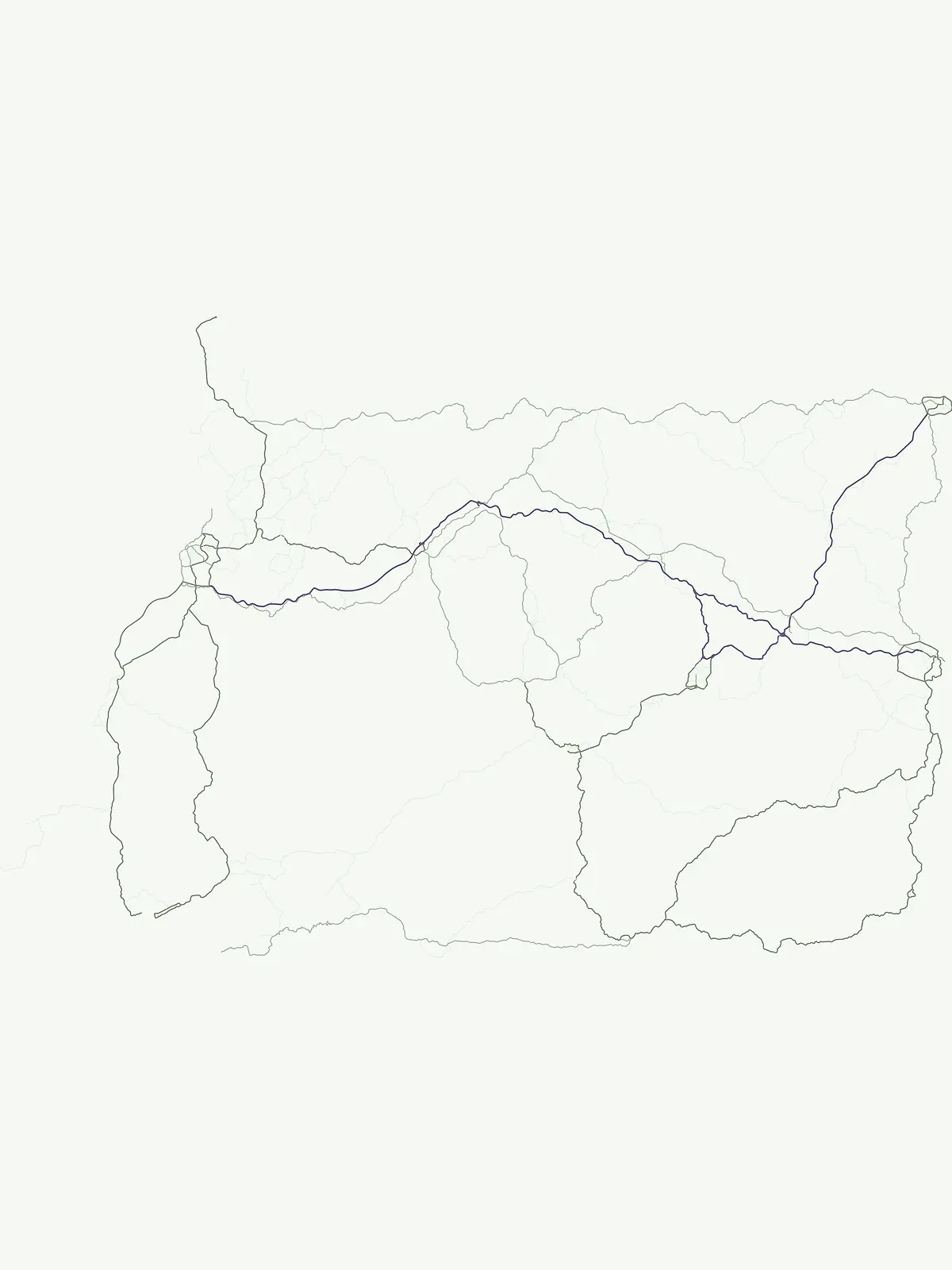
Park map

Visualize the distribution of protected areas and parks across Equatorial Guinea's mainland and island territories.

Equatorial Guinea National Parks Map: Geographic Overview of Protected Areas
Browse the mapped locations of Equatorial Guinea's national parks and protected areas, from its mainland regions like Río Muni to the volcanic landscapes of Bioko Island. Explore the country's unique conservation landscapes and understand the geographic context of its park network through a detailed atlas perspective.

Delve into common questions about park geography, protected landscapes, and conservation across Equatorial Guinea's mainland and island territories.

Frequently Asked Questions About National Parks and Protected Areas in Equatorial Guinea
Explore common questions regarding Equatorial Guinea's national parks and designated protected areas, detailing their geographic spread and conservation context. Gain a deeper understanding of park distribution, diverse ecological zones, and the landscape characteristics defining protected territories across its mainland and island regions.
Other countries

Expand your park discovery by tracing mapped protected landscapes and comparing park geography across neighboring Central African nations.

Explore National Parks and Protected Areas in Countries Beyond Equatorial Guinea
Browse a curated list of national parks and protected areas in countries surrounding Equatorial Guinea, including mainland Central Africa and the Gulf of Guinea islands. This broader geographic perspective allows for comprehensive comparison of diverse conservation landscapes and regional park networks.

Ghana

12 parks

Gabon

5 parks

Cameroon National Parks and Protected Areas: Mapped Geographic Atlas

Access a structured atlas for exploring Cameroon's national parks and protected areas. This resource details the geographic spread and landscape features of conservation territories across the country. Understand the regional context and map boundaries of these important natural assets for comprehensive discovery.

5 parks

Central African Republic National Parks and Protected Areas Geography

Access a structured geographic overview of national parks and protected areas within the Central African Republic. This atlas entry provides mapped context for conservation lands, detailing their distribution across the country's savannas and forests. Understand the regional geography and landscape features that define these protected spaces, serving as a foundational resource for exploring Central Africa's natural heritage.

5 parks

Nigeria's National Parks and Protected Areas: A Mapped Geographic Overview

Navigate Nigeria's national parks and protected areas with a focus on geographic discovery. This atlas provides a structured view of protected lands, highlighting their regional placement and natural landscape context. Understand the breadth of conservation areas within Nigeria, from savanna ecosystems to island berg landscapes, aiding in detailed geographical exploration and comparison.

2 parks

Benin National Parks and Protected Areas: Geographic Overview and Map Exploration

Navigate the protected natural areas of Benin through an atlas-focused approach. This resource highlights the geographic spread of national parks and conservation landscapes, offering a clear view of the country's protected territories. Understand the regional context and mapped boundaries of Benin's natural heritage, facilitating structured discovery for those interested in conservation geography and landscape analysis.

2 parks

Togo National Parks and Protected Areas: An Atlas Exploration of Natural Landscapes

Access a structured geographic overview of Togo's national parks and protected natural areas. This atlas-style resource details the mapped boundaries and regional spread of conservation landscapes, offering insight into the country's protected terrain. Understand how Togo's protected areas fit into the broader West African geographic context.

2 parks

Congo National Parks and Protected Landscapes: Mapped Geography Explorer

Delve into the protected natural areas of Congo, presented through a geographic lens. This explorer facilitates the discovery of national parks and other conservation lands, mapping their distribution and regional significance. Understand the landscape context and geographic patterns of protected territories across Congo for informed atlas-based learning.

1 park
MoriAtlas Explorer

Continue Your Global Geographic Exploration with MoriAtlas Park Discovery

Dive deeper into the world's protected landscapes and national parks through MoriAtlas's structured atlas interface. Discover how continents and countries are organized, and how individual park geography fits into the broader map. Our platform is built for understanding the distribution and context of protected areas worldwide, facilitating your journey through global natural geography.

Global natural geography