Why Baluran National Park stands out
Baluran National Park is best known for its extensive savanna ecosystem, a rare landscape type in Java where most protected areas feature tropical rainforest. The park's rolling grasslands dotted with trees and home to large herds of banteng cattle create an atmosphere unlike any other Indonesian national park, earning it the nickname "Africa of Java." The park also protects significant populations of endangered wildlife, particularly the banteng, a wild cattle species whose population has been the focus of intensive conservation efforts. The silhouette of Mount Baluran against the horizon, visible across the savanna, provides a striking visual element that defines the park's character and serves as a landmark for the entire region.
Baluran National Park history and protected-area timeline
The protection of Baluran's landscapes and wildlife traces back to the colonial era when Dutch hunter A.H. Loedeboer initiated conservation efforts in the area beginning in 1928. Recognizing the ecological significance of the savanna ecosystem and its wildlife, the Dutch colonial government declared the area a wildlife refuge in 1937, establishing some of the earliest formal protection for Java's eastern landscape. This early designation reflected an understanding that the unique savanna environment required dedicated preservation, as it differed so dramatically from the forest ecosystems typically targeted for protection in other parts of Java. The transition to full national park status came in 1980 when the Indonesian government officially established Baluran National Park, elevating the protection status and providing a formal framework for comprehensive park management. The park's management has since balanced conservation objectives with controlled public access, though the area has faced significant challenges from poaching and invasive species that have complicated conservation efforts over the decades.
Baluran National Park landscape and geographic character
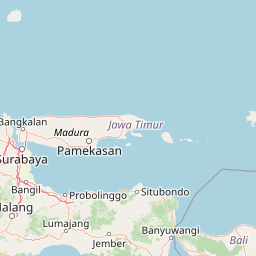
The landscape of Baluran National Park is defined by its distinctive savanna terrain, a rarity in Java's generally forested topography. The rolling grasslands feature scattered trees and shrubs, creating an open landscape that stretches to the base of Mount Baluran, the park's central volcanic peak rising 1,247 meters above sea level. This extinct volcano forms a prominent landmark visible from many points within the park and serves as the geographic anchor around which the protected area is organized. Beyond the savanna, the park incorporates lowland forest areas, mangrove forests along coastal zones, and hilly terrain, creating a mosaic of habitats within the 25,000-hectare boundary. The park's position at the northeastern tip of Java places it at a strategic location where the Bali Strait and Madura Strait meet, providing coastal elements that contrast with the interior savanna landscapes. Water courses including the rivers Bajulmati and Klokoran mark the park's western and southern boundaries respectively, adding riparian environments to the diversity of landscapes contained within the reserve.
Baluran National Park ecosystems, habitats, and plant life
Baluran's ecological character centers on its savanna ecosystem, which covers approximately 40% of the park's area and distinguishes it from virtually every other protected area in Java. This grassland environment supports a unique assemblage of species adapted to open habitats, creating an ecological community more typical of continental Asian or African landscapes than what is found elsewhere in the Indonesian archipelago. The park contains 444 recorded plant species, including several endangered species such as Ziziphus rotundifolia, Tamarindus indica, Dioscorea hispida, Aleurites moluccanus, and Corypha utan. Beyond the savanna, the park's lowland forests, mangrove areas, and hill environments contribute additional ecological diversity, supporting species adapted to more closed forest habitats. The combination of these habitat types within a relatively compact area creates an ecological richness that has attracted scientific attention and supports the park's conservation significance.
Baluran National Park wildlife and species highlights
The wildlife community of Baluran National Park includes 26 mammal species and approximately 196 bird species, representing a diverse assemblage adapted to the park's varied habitats. The flagship species is the banteng, a wild cattle species that roams the savanna in herds and represents one of the park's most notable conservation priorities. The banteng population has experienced dramatic fluctuations, declining from 338 individuals in 1996 to just 26 in 2012 due to habitat pressure from invasive species and poaching, though intensive breeding programs have supported recovery to approximately 200 individuals by 2020. Other mammals include the Sumatran dhole, Indian muntjac, Java mouse-deer, Sunda leopard cat, Javan leopard, and Javan lutung, representing both forest-dwelling and more open-country species. The bird community features notable species including the green peafowl, red junglefowl, Malabar pied hornbill, rhinoceros hornbill, and lesser adjutant, with the 196 species recorded representing significant avian diversity. Historically, Javan tigers persisted in the protected area until the mid-1960s, representing an extinction event that marks one of the significant wildlife losses in the park's history.
Baluran National Park conservation status and protection priorities
Baluran National Park faces significant conservation challenges despite its protected status and long history of formal protection dating back to 1937. The most pressing concern involves the banteng population, which has experienced catastrophic decline due to a combination of habitat loss from invasive plant species and poaching pressure. The spread of thorny acacia (Acacia nilotica) across at least 6,000 hectares of savanna has dramatically altered the grassland habitat, reducing the available forage for banteng and fragmenting the savanna ecosystem that defines the park's character. Poaching represents an additional threat vector, with both local communities and members of the military reportedly involved in illegal hunting that targets the endangered banteng population. Conservation efforts have focused on intensive breeding programs to recover banteng numbers, with some success reflected in the population increase to around 200 individuals by 2020. The presence of invasive species and ongoing poaching concerns indicate that active management will be required to maintain the park's ecological integrity and prevent further deterioration of its flagship savanna ecosystem.
Baluran National Park cultural meaning and human context
Baluran National Park occupies land in Situbondo Regency, a region of East Java with its own distinctive cultural character and agricultural traditions. The park's landscape has historically supported local communities whose activities have shaped the surrounding region, though the protected area boundaries now restrict traditional land use within the core zones. The park's proximity to both Bali and Madura places it within a region of significant cultural exchange, with the Bali Strait separating Java from the island whose culture differs markedly from Javan traditions. The relationship between the local communities and the park's management has evolved since the area's designation as a protected zone, with ongoing considerations around the needs of communities who historically utilized the landscape and the requirements of biodiversity conservation. The dry conditions that characterize the Baluran region have historically supported different agricultural patterns than the rice paddy cultivation dominant in wetter parts of Java, reflecting the ecological distinctiveness of this corner of East Java.
Top sights and standout views in Baluran National Park
The defining highlight of Baluran National Park is its expansive savanna landscape, a rare ecosystem in Java that creates an almost African wilderness atmosphere within Indonesia. The sight of Mount Baluran rising from the grasslands, particularly during golden hour when the light casts the savanna in warm hues, provides one of Java's most photographed natural vistas. The opportunity to observe banteng herds moving across the grassland represents a wildlife viewing experience unavailable anywhere else in Java, as this species persists in significant numbers only within Baluran's protected boundaries. The birdlife, particularly the large hornbills including the rhinoceros hornbill and Malabar pied hornbill, provides excellent opportunities for ornithological observation. The park's relative remoteness and lower visitor numbers compared to more famous Indonesian parks offer a more tranquil wilderness experience, with the chance to explore the savanna on foot or by vehicle without the crowds found at other destinations.
Best time to visit Baluran National Park
The optimal time to visit Baluran National Park coincides with the dry season, typically from May through October, when the savanna landscape is most accessible and wildlife is more readily visible as vegetation thins. The dry conditions create the classic savanna appearance with golden grasses and clear visibility across the landscape, contrasting with the greener but more difficult-to-traverse conditions during the wet season. The period around June to September generally offers the best combination of comfortable temperatures, minimal rainfall, and optimal wildlife viewing conditions. Early morning visits to the savanna areas provide the best chances to observe banteng and other wildlife active before the heat of the day, while the golden hour around sunrise and sunset offers the most visually striking conditions for landscape photography. Visitors should be aware that the dry season heat can be significant, particularly in the open savanna areas, and that the park's relatively remote location in eastern Java requires more travel time than parks closer to major cities like Surabaya.