Why Ben-Gurion Tomb National Park stands out
Ben-Gurion Tomb National Park is best known as the burial site of David Ben-Gurion, the visionary leader who declared Israel's independence in 1948 and served as its first Prime Minister. The park represents a deliberate choice by Ben-Gurion to be buried in the desert rather than in the nation's grand cemetery, reflecting his deep connection to the land of Israel and particularly to the development of the Negev. The site's design successfully balances memorial solemnity with an inviting park atmosphere, allowing visitors to make a pilgrimage in a setting that is both modest and majestic.
Ben-Gurion Tomb National Park history and protected-area timeline
The history of Ben-Gurion Tomb National Park begins with the death of Paula Ben-Gurion on January 29, 1968. Upon her death, David Ben-Gurion was required to choose a burial site for both his wife and himself. Rather than accepting burial in the nation's grand plot on Mount Herzl in Jerusalem, Ben-Gurion selected a plot south of the library building at Sde Boker, near the kibbutz where he and his wife had lived. Paula's funeral was held at this site on January 30, 1968. Planning for the tomb estate by the National Parks Authority began after her burial but before Ben-Gurion's own death, with earthworks carried out that raised the level of the grave square by several meters. David Ben-Gurion died on December 1, 1973, and was buried at the site two days later. In May 1974, the National Parks Authority held a public architectural competition for the design of the burial square and surrounding park. Of 54 proposals submitted by architects, artists, and sculptors, the design by landscape architects Lipa Yahlom and Dan Tzur was selected. The park has experienced acts of vandalism, including a 1989 desecration by an ultra-Orthodox organization and a 2005 incident involving graffiti on the grave.
Ben-Gurion Tomb National Park landscape and geographic character
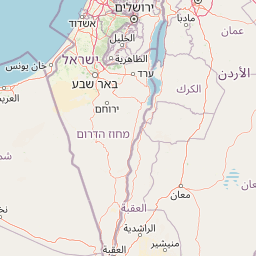
The park occupies a dramatic position in the Negev Desert, overlooking the deep channel of Nahal Tzin (Nahal Zin). This wadi cuts through the desert landscape, creating a striking visual boundary between the cultivated memorial garden and the raw desert beyond. The garden covers approximately 90 dunams, most of which is covered with vegetation that contrasts markedly with the surrounding arid terrain. A winding path leads from the entrance parking area through the landscaped garden to the burial ground in the southeastern section. The path is lined with stepped stone slabs and rocks, with vegetation and trees planted alongside to give the appearance of a river channel. The burial square itself is surrounded by stepped rock slabs that serve as seating, with a low stone fence along the southern edge. From this elevated position, visitors look south across the desert landscape and the canyon below.
Ben-Gurion Tomb National Park ecosystems, habitats, and plant life
Despite its desert setting, Ben-Gurion Tomb National Park contains significant planted vegetation that creates an oasis-like atmosphere within the harsh Negev landscape. The garden features various trees and plants, with particular emphasis on papelion trees that contribute to the site's peaceful ambiance. The contrast between the cultivated garden and the natural desert beyond creates a distinctive ecological boundary, with the planted areas representing a deliberate transformation of the landscape to serve memorial purposes. The vegetation is maintained through irrigation in this arid environment, demonstrating the intentional design choice to create a green memorial space rather than leaving the site in its natural desert state.
Ben-Gurion Tomb National Park conservation status and protection priorities
As a national park managed by the Nature and Gardens Authority, Ben-Gurion Tomb National Park represents Israel's commitment to preserving significant sites of national memory alongside natural and cultural heritage. The park's designation as a national park rather than merely a memorial or heritage site places it within the framework of Israeli environmental protection and landscape preservation. The site's creation involved significant earthworks and landscape design, transforming a portion of the desert into a maintained garden while preserving the broader desert context. This approach reflects a conservation philosophy that values both the memorial function and the ecological setting, allowing the harsh desert landscape to remain visible and present around the cultivated memorial garden.
Ben-Gurion Tomb National Park cultural meaning and human context
Ben-Gurion Tomb National Park carries profound significance within Israeli national identity and collective memory. The choice of burial location reflects David Ben-Gurion's personal philosophy and his lifelong dedication to the development and settling of the Land of Israel, particularly the Negev region. By choosing to be buried in the desert rather than in the nation's primary cemetery, Ben-Gurion made a statement about his values and priorities, emphasizing the importance of the land itself and the pioneering spirit of desert development. The site now serves as a destination for educational visits by students and citizens seeking to connect with Israel's founding history. The incorporation of the former library building as home to the Ben-Gurion Heritage Institute adds an archival and educational component to the physical memorial, ensuring that the site serves not only as a place of burial but also as a center for studying and preserving Ben-Gurion's legacy and the early years of the Israeli state.
Top sights and standout views in Ben-Gurion Tomb National Park
The park's most significant highlight is the burial site of David and Paula Ben-Gurion, marked by distinctive tombstones designed by sculptor Ezra Orion. The tombstones feature simple rectangular stone forms with diagonal tablets bearing the names, birth and death dates, and immigration years of the deceased. The burial square provides panoramic views over Nahal Tzin canyon and the desert landscape. The winding garden path creates a contemplative journey from the entrance to the gravesite, while stepped stone slabs throughout the garden serve both as path elements and seating. The annual state memorial ceremony for Ben-Gurion and his wife is held at the site during the period around Kislev, drawing official recognition and continuing the site's role in Israeli ceremonial life.
Best time to visit Ben-Gurion Tomb National Park
The park can be visited throughout the year, though visitors should consider the Negev Desert's climate when planning a trip. Summer months can bring extreme heat, making midday visits uncomfortable, while winter months may offer milder temperatures but also occasional rain. The desert setting provides particularly striking visuals during sunrise and sunset when the low angle of light accentuates the colors of the landscape and the contrast between the cultivated garden and the natural terrain. Visitors seeking a contemplative experience may prefer weekdays or non-holiday periods when the site is less likely to be crowded. The park is open during standard hours managed by the Nature and Gardens Authority.