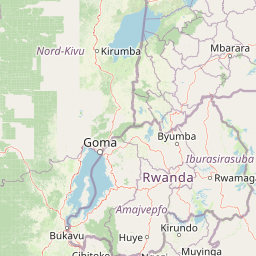
Why Bwindi Impenetrable National Park stands out
Bwindi is best known for its population of approximately 400 mountain gorillas, representing nearly half of the world's total population of this endangered species. The park provides habitat for fourteendistinct gorilla groups across the Buhoma, Ruhijja, Rushaga, and Nkuringo sectors, making it the premier destination for gorilla tracking tourism in Africa. Beyond the gorillas, the park's exceptional biodiversity includes over 350 bird species, 310 butterfly species, and remarkable plant diversity with more than 220 tree species and 104 fern species. The forest's afromontane character, spanning from lowland Guineo-Congolian flora to high-elevation montane vegetation, represents one of the most ecologically significant and botanically diverse protected areas in East Africa.
Bwindi Impenetrable National Park history and protected-area timeline
The protection history of Bwindi Impenetrable Forest spans nearly a century, beginning in 1932 when two blocks were designated as Crown Forest Reserves named Kayonza and Kasatora, covering a combined area of 207 square kilometers. In 1942, these reserves were combined and expanded to form the Impenetrable Central Crown Forest, growing to 298 square kilometers under joint management of Uganda's game and forest departments. The year 1964 marked a significant shift when the reserve was redesignated as an animal sanctuary specifically to provide enhanced protection for mountain gorillas, receiving the new name Impenetrable Central Forest Reserve. By 1966, additional forest reserves had been incorporated, bringing the total area to nearly 321 square kilometers. The transformation to national park status occurred in 1991 when the Impenetrable Central Forest Reserve, along with Mgahinga and Rwenzori Mountains National Parks, was declared a national park and renamed Bwindi Impenetrable National Park. This change brought higher protection status but also resulted in the eviction of the indigenous Batwa people who had historically relied on the forest. Gorilla tracking opened to tourists in April 1993. In 1994, the park was inscribed on the UNESCO World Heritage List following incorporation of an additional 10 square kilometers. A significant tragedy occurred in March 1999 when Interahamwe guerrillas from Rwanda infiltrated the park, kidnapping and murdering eight tourists in an effort to destabilize Uganda and disrupt tourism. The park subsequently closed temporarily and implemented enhanced security measures including armed guards for all visitor groups.
Bwindi Impenetrable National Park landscape and geographic character
The landscape of Bwindi Impenetrable National Park is defined by its rugged, mountainous terrain within the Kigezi Highlands, formed through up-warping of the Western Rift Valley. The topography features narrow valleys carved by numerous streams, steep hillsides, and a complex network of watercourses that descend in all directions from the central highlands. Elevations range from 1,190 meters at the northern tip to 2,607 meters at Rwamunyonyi Hill on the eastern boundary, with approximately sixty percent of the park above 2,000 meters. The underlying geology consists of Precambrian age metamorphic rocks including shale, phyllite, quartz, quartzite, schist, and granite, creating generally impermeable conditions that limit groundwater infiltration and result in abundant surface runoff. This geological setting, combined with high annual rainfall between 1,400 and 1,900 millimeters, generates a dense network of streams feeding rivers including the Ivi, Munyaga, Ihihizo, Ishasha, and Ntengyere, which flow northward to Lake Edward. The forest itself forms an important water catchment, regulating downstream water supply for agricultural areas and contributing to regional climate stability through high rates of evapotranspiration that increase precipitation in surrounding areas and reduce soil erosion.
Bwindi Impenetrable National Park ecosystems, habitats, and plant life
The ecological character of Bwindi Impenetrable National Park is defined by its afromontane forest, a rare vegetation type on the African continent that occurs where lowland and mountain forest ecosystems meet. This transition creates a continuous gradient of primary forest from lower elevations dominated by Guineo-Congolian flora to higher montane zones, representing one of the few large intact forest tracts in East Africa where this ecological continuum remains functional. The park's botanical diversity is extraordinary, with more than 220 tree species representing over fifty percent of Uganda's total tree flora, and more than 100 fern species. The northern lowland sector contains particularly significant Guineo-Congolian elements including two endangered tree species, brown mahogany and Brazzeia longipedicellata. The park's position at the Albertine Rift contributes to its exceptional endemism, with numerous species found nowhere else on Earth. The forest functions as a critical water catchment, with dense stream networks and significant hydrological influence on the broader Kigezi region, helping to regulate local climate patterns and prevent soil erosion in surrounding agricultural areas.
Bwindi Impenetrable National Park wildlife and species highlights
Bwindi Impenetrable National Park supports remarkable wildlife diversity, with approximately 120 mammal species including ten primate species and over forty-five small mammal species. The park's flagship species is the mountain gorilla, with approximately 400 individuals distributed across fourteen habituated groups in four different sectors, representing nearly half of the world's entire population of this endangered great ape. Beyond mountain gorillas, the park hosts populations of common chimpanzees, L'Hoest's monkeys, black and white colobus, red-tailed monkeys, and vervets. The mammal community also includes African elephants and the giant forest hog. Avian diversity is equally impressive, with over 350 bird species including the African green broadbill and numerous hornbill and turaco species. Invertebrate populations are exceptionally rich, with more than 310 butterfly species and numerous moth species contributing to the park's biological significance. The first systematic chimpanzee census conducted in 2025 identified 426 individuals in the park, underscoring its importance as a great ape habitat. Reptile and amphibian communities include 27 frog species along with various chameleons and geckos, though the fish species in the park's rivers remain poorly documented.
Bwindi Impenetrable National Park conservation status and protection priorities
Bwindi Impenetrable National Park represents one of Africa's most important conservation priorities, designated as a UNESCO World Heritage Site in 1994 due to its outstanding universal value. The park's global significance centers on its role as the primary stronghold for mountain gorilla conservation, with roughly half of the world's population depending on protection within its boundaries. Conservation challenges are significant, arising from the high population density exceeding 300 people per square kilometer in surrounding communities and the economic pressures these populations face. Ninety percent of local residents depend on subsistence agriculture, creating ongoing habitat encroachment pressures. Poaching, disease transmission from humans and domestic animals, and habitat loss represent the primary threats to gorilla populations. The park's transition from forest reserve to national park in 1991 brought stricter protection but also created social tensions by ending traditional access for indigenous Batwa communities who had historically lived within the forest without causing ecological damage. Gorilla habituation for tourism has provided both benefits and challenges, generating revenue for conservation while potentially increasing crop raiding by gorillas that have lost their natural fear of humans. Management by the Uganda Wildlife Authority balances protection objectives with community relations, though the pressure from surrounding populations remains one of the most difficult conservation challenges.
Bwindi Impenetrable National Park cultural meaning and human context
The cultural history of Bwindi is deeply connected to the Batwa people, an indigenous ethnic group who traditionally inhabited the forest and relied on its resources for generations. The Batwa fished in forest streams, harvested wild yams and honey, and maintained ancestral sacred sites throughout what is now the park. Their traditional lifestyle coexisted with the forest ecosystem without causing the destructive impact that characterized later human uses. When the park was gazetted as a national park in 1991, the Batwa were evicted without receiving compensation from national programs, despite their historical claim to the land. This eviction stands in stark contrast to the treatment of non-Batwa farmers who had cleared forest for cultivation and received compensation and land rights recognition. The displacement of the Batwa represents a significant social justice concern within the park's history, as communities that had maintained sustainable relationships with the forest for generations were removed while those who had contributed to deforestation were compensated. Local communities surrounding the park continue to experience wildlife conflict, with livestock and crop losses to animals including gorillas, and occasional human fatalities creating ongoing tensions between conservation objectives and community welfare.
Top sights and standout views in Bwindi Impenetrable National Park
Bwindi Impenetrable National Park offers one of Africa's most profound wildlife experiences through gorilla tracking, allowing visitors to observe mountain gorillas in their natural montane forest habitat. The park's four gorilla tracking sectors, Buhoma, Ruhijja, Rushaga, and Nkuringo, each host multiple habituated groups at varying distances from park headquarters. Beyond primates, the forest provides exceptional birdwatching opportunities with species including the African green broadbill, various hornbills, and colorful turacos. The challenging terrain and foot-only access ensure a wilderness experience far removed from more developed tourism destinations. The park's status as a UNESCO World Heritage Site recognizes its global significance as a biodiversity hotspot and critical conservation area. The scenery, with its steep hills, mist-shrouded valleys, and ancient trees, provides a spectacular backdrop for trekking activities. The combination of mountain gorilla viewing, ecological diversity, and relatively remote location makes Bwindi a premier destination for nature-focused travel in Africa.
Best time to visit Bwindi Impenetrable National Park
Bwindi can be visited year-round, though certain seasons offer advantages for different activities. The drier periods from December to February and June to August generally provide easier conditions for forest trekking, with less muddy trails and clearer visibility. The long rainy seasons from March to April and September to November bring heavier precipitation and more challenging terrain but also offer richer vegetation and potentially fewer visitors. Temperature remains relatively constant throughout the year, with daily highs ranging from 20 to 27 degrees Celsius and cooler conditions at higher elevations where morning mist is common. Gorilla tracking is possible in all seasons, though permits should be booked well in advance as availability is limited. The mountain environment means that rain gear and sturdy hiking boots are essential year-round, and visitors should prepare for variable conditions regardless of when they travel.