
Timing Fundamentals
Best Time to Visit Cape Le Grand National Park: A Quick Overview
Determining the best time to visit Cape Le Grand National Park requires balancing your desire for coastal warmth against the allure of a quieter, more temperate exploration of the park's ancient granite landscapes. Because the park is situated on the southern coast of Western Australia, its weather is heavily influenced by the Southern Ocean. This geography creates a distinct set of trade-offs: the peak summer months offer the most reliable beach weather for swimming at locations like Lucky Bay, while the cooler spring and shoulder seasons provide the comfort necessary for hiking the peaks of Mount Le Grand and Frenchman Peak without the intensity of summer sun.
The Coastal and Granite Landscape Trade-off
For many travellers, the primary consideration is how the park's dual nature,white sand beaches and weathered granite summits,interacts with the annual climate cycle. Summer, spanning December through February, delivers the longest daylight hours and consistent warmth, making it the clear choice for those focused on the coastline. However, these months can also feature higher evaporation rates and intense sun, which can make long, exposed hikes across the heathland more physically demanding. Conversely, the cooler months, particularly from June through August, bring more persistent rain and stronger winds driven by systems off the Southern Ocean. While these months are less ideal for a beach-centric trip, they transform the park into a dramatic, rugged environment, often resulting in lower visitor numbers and more intimate experiences with the park's unique geological features.
Seasonal Influences on Exploration
The park's climate is defined by relatively mild annual temperatures and a reliable, albeit sometimes erratic, weather pattern. Visitors should be prepared for the fact that the Esperance region is known for changeable conditions where sunny, clear days can quickly transition into brief, windy, and rainy periods. This variability means that even during the generally drier summer, packing for sudden shifts in temperature is a standard practice for local exploration. The spring transition, roughly from August to October, acts as a significant pivot point in the calendar. During this time, the heathlands begin to bloom, offering a botanical display that complements the milder daytime temperatures. This period represents a middle ground, offering a more temperate experience that avoids the heat of summer and the peak windiness of mid-winter, making it a favoured time for those interested in the park's diverse flora and fauna, including its relict Gondwanan species. Ultimately, your choice depends on whether you prioritize the quintessential Southern Ocean swimming experience or a more comfortable pace for inland adventures.
Seasonal Comparison
Best months to visit Cape Le Grand National Park
Peak Coastal Conditions: December to February
For visitors whose primary objective is experiencing the famous white sand beaches and turquoise waters of Lucky Bay or Hellfire Bay, the summer months offer the most reliable warmth. During this period, daytime maximums average between 30 and 32 degrees Celsius, providing the comfort required for extended swimming and coastal leisure. December marks the beginning of the longest days, with over 14 hours of potential daylight, allowing for maximum exploration of the granite headlands. While these months are the warmest, the prevailing Southern Ocean winds act as a natural moderator, preventing the extreme heat often associated with inland Western Australia. The trade-off for this consistent weather is a higher probability of persistent breeze, which can influence water conditions and visibility, though it also provides relief from midday heat.
Peak Botanical Displays: August to October
Travellers prioritizing inland exploration, photography, and the park’s unique flora should target the early to mid-spring window. As the winter precipitation cycle tapers off, the heathland undergoes a transformation, with banksias and various native orchids beginning their bloom cycle. August remains on the cooler side, with average daily maximums hovering around 20 degrees Celsius, but the environmental shift toward milder temperatures in September and October makes this the preferred window for hikers tackling the peaks of Mount Le Grand or Frenchman Peak. The primary compromise during this period is the increased likelihood of encountering the tail end of the winter rainy season. While precipitation levels are lower than in mid-winter, visitors should be prepared for sudden, fast-moving coastal showers that can temporarily interrupt outdoor plans.
The Transition and Off-Peak Windows
March through May serves as a cooling shoulder season, bridging the gap between the summer beach heat and the onset of winter weather. This period sees a gradual reduction in wind speeds compared to the mid-year months, creating clearer, more stable conditions for hikers and nature observers. April, in particular, often provides a balance of mild daytime temperatures and reduced rainfall, making it an effective window for those looking to avoid the potential crowds of mid-summer.
Conversely, the period from June to July represents the most challenging window for general tourism. While the park remains open, average wind speeds peak during these months, and daylight hours shrink to under 10 hours per day. Visitors choosing this time for its quiet environment must accept a significantly higher risk of frigid, wet weather and limited daily windows for outdoor activity. These months are best suited for those specifically interested in the raw, moody character of the Southern Ocean coastline or the rare opportunity to experience the park’s geological features without the typical summer intensity.
Climate Conditions
Annual Weather and Climate Patterns at Cape Le Grand National Park
Understanding the climate at Cape Le Grand requires acknowledging that long-term normals are historical averages (based on data from 1991 to 2020) and not live indicators of daily conditions. The coastal environment here is dynamic, characterized by a persistent interaction between Southern Ocean maritime air masses and the inland granite landscapes. While these averages reflect a stable pattern of temperature and daylight, visitors should expect considerable variability.
Patterns of Summer and Shoulder Warmth
From December through February, the park enters its warmest window, with average daily maximums hovering near 30 to 32 degrees Celsius. These months coincide with the longest daylight hours, reaching a peak of over 14 hours in December. Humidity remains relatively steady throughout the year, usually maintaining a base level between 73 and 75 percent. Because these months also see the lowest average daily precipitation, typically less than one millimeter per day, this period represents the most reliable window for stable, sunny conditions. However, the consistent wind speeds of approximately 6 to 7 meters per second often serve to moderate the feeling of the heat, particularly on exposed beaches and headlands.
The Shift Toward Winter Cooling
As the year progresses into the cooler months, the climate undergoes a notable transition. By June and July, the daily maximum temperatures retreat to approximately 20 degrees Celsius, with average minimums dipping into the 9 to 10 degree range. This period also marks the time of shortest daylight, shrinking to under 10 hours by June. Visitors should note that while this cooling is a predictable seasonal trend, the southern location makes the area susceptible to rapid atmospheric changes. The increase in precipitation during the mid-year months, peaking at over 2 millimeters per day in July, reflects this increased instability. Even when total rainfall averages are moderate, the proximity to the coast means that these showers are often accompanied by gusty, cool winds that can make the environment feel colder than the thermometer indicates.
Transitioning Through Spring and Autumn
Spring (September to November) and autumn (March to May) serve as critical, often temperate, transition phases. September begins with a gradual warming trend, where maximum temperatures climb from their winter lows toward the mid-20s by October. Precipitation levels also begin to decrease significantly during these months. Similarly, autumn provides a period of cooling after the summer heat, with March remaining quite warm before a sharper decline in temperatures occurs through May. These shoulder months are characterized by a balanced interplay of moderate wind speeds and increasing or decreasing daylight hours, offering a middle ground between the intensity of summer and the stark, wet influence of the mid-winter season. Because these normals are taken from a specific sampling elevation near sea level, they offer a consistent baseline for planning, though they do not capture the microclimatic differences that may occur on the summits of higher granite features like Frenchman Peak.
Annual Climate Phases
Understanding Seasonal Weather Patterns at Cape Le Grand National Park
Defining the Summer Coastal Phase
From December through February, the park enters its most stable environmental phase. This period is defined by high daylight availability, reaching over 14 hours in mid-summer, and the warmest mean temperatures of the year, which hover near 20 degrees Celsius. While daily maximums can occasionally climb, the constant influence of the Southern Ocean acts as a natural thermostat, preventing the extreme heat often found in inland Western Australia. Visitors during these months experience the highest probability of sustained clear, blue-sky conditions, making it the primary window for beach-based activities and coastal exploration. The trade-off is the persistent coastal wind, which remains a factor throughout the year and can intensify in the afternoons, requiring visitors to consider sheltered beach locations for comfort.
The Autumn Transition and Cooling Period
As the park moves from March into May, the climate undergoes a noticeable shift toward cooler, more variable weather. March acts as a significant transition month where the warmth of summer begins to wane, and by April, the average maximum temperatures drop from the high 20s toward the low 20s. This period sees a gradual reduction in daylight hours and an increase in atmospheric instability. For the visitor, this phase represents a shift away from swimming-focused activities toward more temperate pursuits. Humidity levels remain relatively consistent throughout the year, but the perceived comfort increases as the air temperature declines. This shoulder season offers a quieter experience, as the intense peak-summer visitation subsides, leaving the granite headlands and beaches to those looking for milder conditions.
The Winter Rainfall and Wind Phase
Between June and August, the park experiences its most challenging weather conditions. This phase is characterized by the highest precipitation levels of the year, typically peaking in July and August, alongside the lowest mean temperatures. The combination of cooler air and frequent, short bursts of rain, often driven by Antarctic air masses, creates a distinct winter environment. While this is not a period of prolonged, stagnant weather, the volatility is at its maximum. Gusty winds are common, and the shorter daylight hours, falling below 10 hours in mid-winter, limit the time available for extensive hiking or remote coastal exploration. This season is defined less by temperature extremes and more by the necessity of preparation for sudden, blustery changes that can affect visibility and trail conditions on the exposed granite peaks.
The Spring Bloom and Warming Window
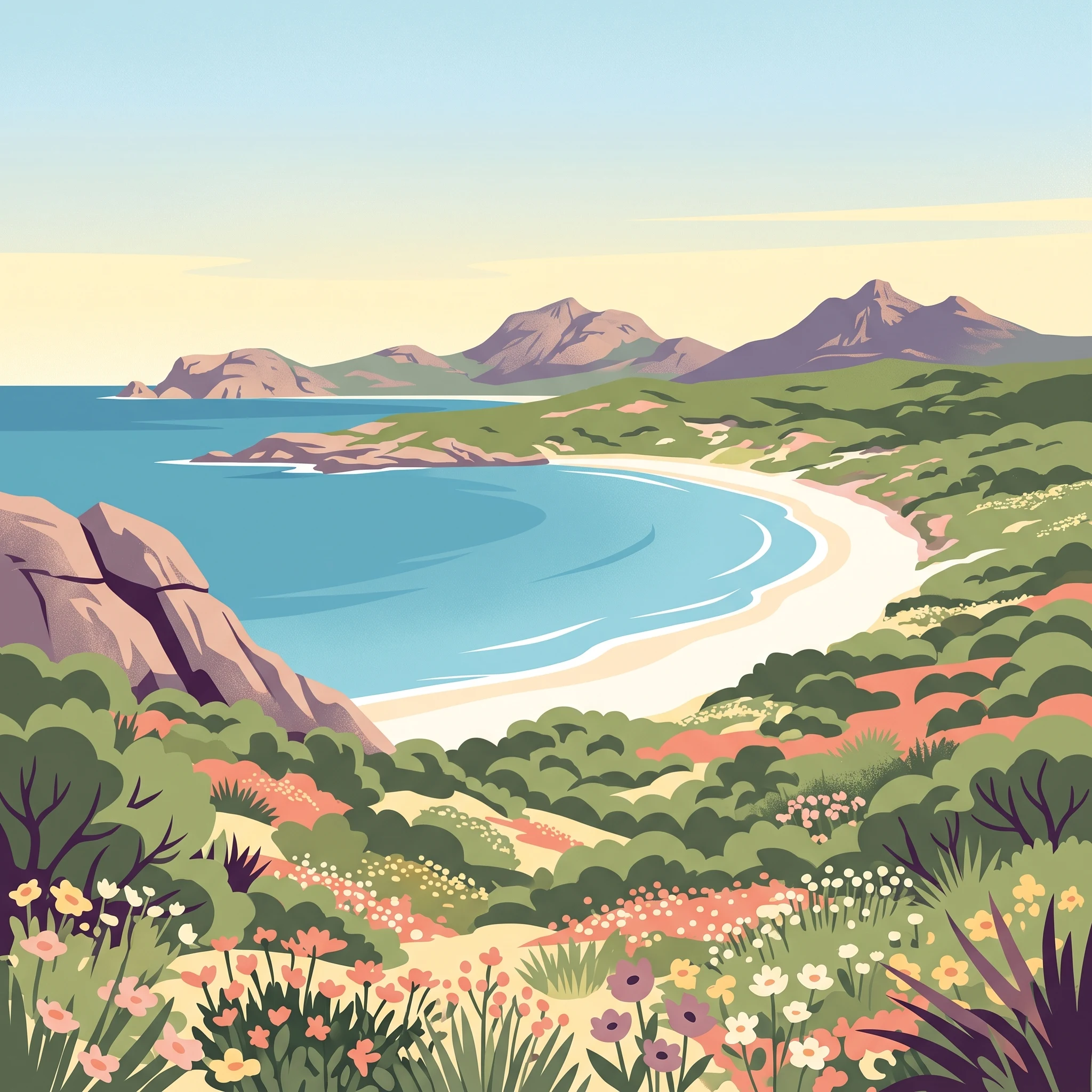
September through November marks the emergence of the park's most visually dynamic phase. As temperatures begin to climb back toward the mid-20s, the heathlands respond to the preceding winter moisture. This window is synonymous with the wildflower season, where the diverse flora across the sandplains reaches peak vibrancy. The transition from the cool, wet winter to the warming spring is rapid, characterized by lengthening daylight and a stabilization of wind patterns compared to the winter months. This period provides an ideal balance for visitors who prioritize inland exploration, such as hiking to the summits of Frenchman Peak or Mount Le Grand, as the weather is sufficiently warm for activity but lacks the intense solar radiation of mid-summer.
Seasonal Experiences
Seasonal Shifts and Recreational Rhythms at Cape Le Grand National Park
Coastal Exploration and Beach Timing
The park's white sand beaches are the primary draw for many visitors, and the seasonal rhythm of these coastal areas is heavily influenced by the Southern Ocean. During the warmer months of December through February, the beaches like Lucky Bay and Hellfire Bay reach their peak utility for swimming and water-based recreation. While these months offer the longest daylight hours for extended coastal stays, the persistent winds characteristic of the southern Australian coast remain a factor throughout the year. Visitors interested in beach photography or quiet walks along the shoreline often find the late shoulder months of March and April advantageous, as average maximum temperatures moderate from the summer highs while the intensity of the sun decreases slightly, providing a more temperate experience for extended outdoor exploration.
Hiking Granite Peaks and Trail Conditions
The park's two primary granite landmarks, Frenchman Peak and Mount Le Grand, offer starkly different experiences depending on the season. Climbing these formations involves navigating exposed granite slopes where weather exposure is significant. During the cooler, more stable conditions of the shoulder and spring periods (August through October), hikers typically encounter more comfortable temperatures for the physical exertion required to reach the summits. The ascent of Frenchman Peak, while shorter, becomes notably more hazardous during rain or high wind, as the granite surface can become slippery, and the exposed nature of the climb leaves hikers vulnerable to the wind speeds that remain elevated year-round. For those targeting the 15-kilometre coastal trail, which links several bays, the moderate temperatures of spring offer the best conditions for avoiding the fatigue associated with heat exposure during the summer months.
Marine Activities and Seasonal Diver Considerations
Marine-based experiences, including diving around the islands of the Recherche Archipelago and investigating shipwrecks like the Sanko Harvest, are influenced by sea conditions rather than just air temperature. The Southern Ocean is known for its turbulence, and while diving is technically possible throughout the year, experienced divers often monitor local conditions closely. The wind profile of the region remains relatively consistent across all months, but periods of lighter wind or calmer swell are essential for safe access to the offshore wrecks. Historical data and local observations suggest that the autumn transition, specifically around April, can offer periods of reduced wind intensity that may facilitate better underwater visibility and more stable boat transit for divers. Regardless of the intended month, the frigid nature of the Southern Ocean means that thermal protection is a standard requirement for anyone engaging with the water, as seasonal water temperatures do not offer the warmth found in tropical marine environments.
Visitor Priorities
Choosing the Best Time for Your Cape Le Grand National Park Interests
Balancing Temperatures for Hiking and Exploration
For visitors prioritizing active exploration of the inland granite peaks like Frenchman Peak or the 15-kilometer coastal trail, the late winter to mid-spring window from September to October offers the most favorable balance of conditions. During these months, average maximum temperatures hover between 22°C and 25°C, providing a comfortable environment for the sustained physical exertion required to navigate varying inclines. This period avoids the significant heat stress of the peak summer months, where daytime highs consistently reach nearly 32°C. While the humidity remains stable year-round, the lower temperatures in spring make the exposed, sun-drenched granite summits significantly more accessible. The main trade-off for this period is the potential for lingering, intermittent spring showers, as precipitation levels during these months are higher than in the peak summer period.
Prioritizing Clear Skies and Stable Conditions
If your primary goal is to minimize the risk of rain and maximize sunlight hours for beach activities or photography, the period between December and February is the most supported window. December, in particular, records the lowest precipitation of the year at approximately 0.72 mm per day, accompanied by over 14 hours of daily daylight. This combination provides the most reliable weather for visiting spots like Lucky Bay or Hellfire Bay. The trade-off for this stability is the heightened thermal intensity, as the summer months represent the warmest part of the year. Travelers should note that while the Southern Ocean breeze provides some relief, high UV levels and intense midday heat are common characteristics of this season, requiring careful management of exposure when away from the water.
Targeting the Mild Transition for Flora and Fauna
Visitors looking to experience the park's diverse heathland flora and observe wildlife in more temperate conditions should target the shoulder months of April and May. As the heat of the summer fades, average maximum temperatures drop from the high 20s to the low 20s, and the wind speeds remain relatively consistent with earlier months. This transition phase offers a cooling shift that makes longer walks across the inland sandplains more manageable. By avoiding the peak summer warmth and the wettest winter months of June and July, visitors can enjoy the park during a period of relative calm. The compromise here is the reduction in daylight hours, which drop from over 12 hours in April to just over 10 hours by the end of May, effectively shortening the window for outdoor activities during the day. Additionally, early-season winter moisture can begin to increase in May, making the ground in the heathland areas softer and occasionally less predictable for hikers than in the stable summer months.
Visitor Access and Logistics
Seasonal Access and Operational Considerations for Cape Le Grand National Park
Access Routes and Road Conditions
The primary gateway to Cape Le Grand National Park is located approximately 56 kilometres east of Esperance. The most common access route involves travelling via Fisheries Road, transitioning onto Merivale Road, and finally connecting to the designated Cape Le Grand Road that leads directly into the park. This standard route is generally suitable for standard passenger vehicles, though travellers should always remain aware that park roads are subject to the same seasonal wear as any regional coastal track. Road conditions can shift rapidly following heavy rainfall, particularly in the winter months when wetter ground may affect unsealed sections or peripheral access trails.
Requirements for Coastal and Beach Transit
A second access point exists at the Le Grand Beach campsite, though reaching this area is distinct from the primary park entrance. Access to this sector typically requires driving along the sand from Wylie Bay. This transit route is not suitable for standard cars. A four-wheel drive (4WD) vehicle is considered essential for beach-based navigation. Furthermore, coastal transit is dictated by the daily tidal cycle. The shoreline can become completely impassable or cut off by rising water levels, creating significant hazards for those who do not account for current tide charts. Readers intending to use these coastal routes must consult official Parks and Wildlife Service information to verify current route status, permit requirements for specific zones, and the latest safety protocols regarding tide-dependent access.
Operational Planning and Verification
While the park is a major destination, its operational status, including opening times for visitor centres, designated camping areas, and trail accessibility, can change due to maintenance, severe weather events, or management requirements. It is standard practice to treat all information regarding facility availability as subject to verification. Before finalising travel dates or booking accommodation, consult the official Western Australia Department of Biodiversity, Conservation and Attractions website for current alerts. This source remains the only reliable location for information regarding temporary closures of granite peaks or swimming beaches, fire danger ratings during the warmer months, and any updates to reservation systems for park campsites. Planning a visit around these operational signals ensures that seasonal goals, such as hiking or beach access, remain viable throughout your stay.
Safety and Preparation
Seasonal Weather Hazards and Packing for Cape Le Grand National Park
Navigating Coastal Weather Variability
Safety in the park is fundamentally linked to the unpredictable nature of the Southern Ocean. While summer months provide long, sunny days with temperatures often exceeding 30 degrees Celsius, this heat is frequently tempered by persistent coastal breezes. Preparing for rapid weather shifts is essential regardless of the season. Even on warm days, sudden wind changes can drop temperatures significantly or bring in coastal mist, particularly near exposed granite headlands like Frenchman Peak. Visitors should prioritize layering clothing to adapt to these fluctuations. High-quality windproof layers are useful year-round, as wind speeds remain consistent throughout the year, averaging between 6 and 7 meters per second. During the cooler, wetter months from June to August, when rainfall peaks and temperatures dip, waterproof outer shells become a practical necessity for maintaining comfort during outdoor exploration.
Preparing for Terrain and Exposure
The park's terrain consists largely of exposed granite surfaces and sandy tracks, both of which require specific attention during your visit. Granite peaks can become slippery during or immediately after rainfall, so wearing footwear with reliable grip is a fundamental planning step. Because the environment features little natural shade across the heathlands and sandplains, sun protection is a constant requirement even during the milder spring months. The intensity of the sun in this southern latitude, combined with reflective white sand, can lead to rapid sunburn. Packing wide-brimmed hats, sunglasses, and high-coverage protective clothing remains the most effective strategy for managing sun exposure during the extended daylight hours of the summer season, which stretch toward 14 hours in December.
Ocean Safety and Remote Communication
Safety planning extends beyond land-based conditions to the water. The beaches, including popular spots like Lucky Bay, are subject to powerful coastal dynamics. King waves and strong rips are documented risks, and the apparent calm of the water can be deceptive. Never turn your back on the sea, as swell conditions can change without warning. Because mobile phone reception is often spotty or non-existent in many parts of the park, you should not rely on personal devices for emergency communication. Before heading out, inform someone of your planned route and expected return time. While resident rangers are available for assistance, their reach is limited, and visitors must take personal responsibility for their safety. Always check the latest official weather forecasts and regional safety alerts from the Western Australia Department of Biodiversity, Conservation and Attractions before departing, as these sources provide the only verified information regarding current hazards, fire danger ratings, or temporary access restrictions.
Final Planning
How to Select Your Ideal Time to Visit Cape Le Grand National Park
Balancing Coastal Warmth and Inland Exploration
Determining the right time to visit requires a personal choice between two distinct park experiences. If your primary motivation is to enjoy the iconic white sands of Lucky Bay, swim in the clear Southern Ocean, and maximize time outdoors, the summer window from December through February offers the most reliable warmth and lowest rainfall. While the park remains breezy during these months, the higher average maximum temperatures and longer daylight hours create a stable, beach-focused environment. However, those visiting for summer activities must be prepared for the intense sun and the fact that popular coastal spots can see higher visitation levels during this peak period.
Alternatively, if you prioritize hiking the granite peaks or exploring the diverse heathlands, the period from August to October provides a significantly more temperate climate. The spring weather reduces the heat stress associated with climbing Frenchman Peak or traversing the sandplains, and it coincides with the vibrant wildflower season that transforms the inland landscape. Choosing this window means accepting more variable weather, including a higher likelihood of short, passing showers and wind gusts compared to the summer months, but the trade-off is a cooler, more comfortable environment for active exploration.
Practical Trade-offs for Your Itinerary
To refine your travel dates, evaluate how sensitive your plans are to variable conditions. A shoulder-season trip in March or April can act as a bridge between these two extremes, offering diminishing heat and lower visitor numbers before the onset of the cooler, wetter winter weather. This transition period allows for a mix of coastal and hiking activities, though it lacks the peak warmth of summer or the floral intensity of spring.
Regardless of which period you choose, it is essential to recognize that climate normals provide only a historical context rather than a guarantee of specific weather. The Southern Ocean dictates a high degree of atmospheric variability, meaning that frigid rain or strong winds can occur outside of the winter months. Before finalizing your travel dates, always consult the current long-term forecasts and verify park access, alert status, and facility information through official sources like the Western Australia Department of Biodiversity, Conservation and Attractions. Preparing for changing conditions ensures that your visit remains safe and enjoyable regardless of whether you prioritize the coastal heat of summer or the temperate bloom of spring.