Mori Atlas logo
National parkCufada National Park

Discover the mapped boundaries and geographic context of this significant protected area.

Cufada National Park: Guinea-Bissau's Premier National Park and Protected Landscape

(Lagoas Cufada Natural Park)

Cufada National Park stands as a vital national park within Guinea-Bissau, offering a unique focus for understanding protected landscapes and regional geography. This page provides detailed geographic context, enabling exploration of the park's mapped boundaries and its place within the West African nation's natural terrain. Engage with the atlas-style data to appreciate the conservation significance and landscape character of Cufada National Park.

Coastal WetlandsLagoonsBirdwatchingWest AfricaProtected AreaGuinea-Bissau

Cufada National Park

National park

Park overview

Structured park overview, official facts, and landscape profile for Cufada National Park

Cufada National Park park facts, protected area profile, and essential visitor context
Review the core facts for Cufada National Park, including designation, size, terrain, visitor scale, habitats, and operating context in one park-focused overview.

About Cufada National Park

Cufada National Park protects a coastal wetland ecosystem in Guinea-Bissau, a country that spans much of the Upper West African Atlantic coast. The park's central feature is its lagoon system, which creates diverse aquatic and semi-aquatic habitats within a relatively flat coastal plain. These lagoon environments support specialized vegetation communities adapted to brackish water conditions and seasonal flooding patterns. The protected area contributes to Guinea-Bissau's commitment to preserving its natural heritage, which includes coastal marshes, tidal zones, and associated terrestrial fringes. The park's existence reflects recognition that wetland ecosystems provide critical services including water filtration, flood regulation, and habitat provision for numerous species.

Quick facts and research context for Cufada National Park

Cufada National Park is situated along Guinea-Bissau's Atlantic coastal zone. The protected area centers on a system of coastal lagoons and associated wetland habitats. It forms part of Guinea-Bissau's national park estate and provides ecological functions typical of West African coastal wetland systems. The park supports birdlife and serves as a refuge for water-associated species within the region's biodiversity landscape.

Park context

Deeper park guide and search-rich context for Cufada National Park

Cufada National Park history, landscape, wildlife, and travel context
Explore Cufada National Park through its history, landscape character, ecosystems, wildlife, conservation priorities, cultural context, and seasonal travel timing in a structured park guide built for atlas discovery and search intent.

Why Cufada National Park stands out

Cufada National Park is recognized for its coastal lagoon system and wetland habitats that provide sanctuary for waterfowl and migratory bird species. The park's lagoonal environment represents a distinctive feature within Guinea-Bissau's protected landscape, offering ecological value through its wetland ecosystems and associated biodiversity.

Cufada National Park history and protected-area timeline

Cufada National Park was established as part of Guinea-Bissau's protected area system. The park's creation reflected the country's post-independence efforts to identify and safeguard ecologically significant landscapes within its territory. Guinea-Bissau, having gained independence in 1974, developed a national parks and protected areas framework to conserve its natural resources and biodiversity. The designation of Cufada as a national park acknowledged the ecological value of its coastal lagoon system and the need to maintain this habitat for ongoing environmental and biodiversity purposes.

Cufada National Park landscape and geographic character

The park occupies a coastal setting characterized by low-lying terrain, lagoon systems, and extensive wetland areas. The landscape features shallow lagoons surrounded by marshy fringes, with vegetation adapted to periodic tidal influence and seasonal water level changes. The coastal plain on which the park sits is typical of West Africa's Atlantic seaboard, featuring gentle topography and proximity to the ocean. The lagoonal environment creates a mosaic of open water, reed beds, and muddy substrates that define the visual and ecological character of the protected area.

Cufada National Park ecosystems, habitats, and plant life

Cufada National Park encompasses coastal wetland habitats that support characteristic West African biodiversity. The lagoon system provides critical habitat for waterfowl, including both resident bird species and migratory populations that use the West African coast as a seasonal route. The wetland environment supports fish populations that обитают in shallow waters and serve as prey for bird predators. Vegetation in the park's lagoon fringes includes emergent aquatic plants and salt-tolerant species adapted to the brackish water conditions created by tidal mixing.

Cufada National Park wildlife and species highlights

The park's wetland habitats support bird populations that represent the most visible wildlife presence in the area. Waterfowl and wading birds utilize the lagoon environments for feeding and nesting. The aquatic environment contains fish species that thrive in the shallow, sheltered lagoon waters. The park's protected status creates a refuge where bird populations can maintain their presence within the broader coastal landscape of Guinea-Bissau.

Cufada National Park conservation status and protection priorities

Cufada National Park represents Guinea-Bissau's effort to preserve its coastal wetland ecosystems and the biodiversity they support. The protected area designation provides formal recognition of the lagoonal environment's ecological value and establishes a framework for ongoing conservation management. Wetland protection addresses broader environmental concerns including habitat preservation for migratory bird populations and maintenance of coastal ecosystem functions.

Cufada National Park cultural meaning and human context

The park exists within a region where local communities have traditional connections to coastal and lagoon environments. The coastal zone of Guinea-Bissau has historically supported fishing communities whose livelihoods depend on aquatic resources. The park's protected status exists alongside these ongoing human activities, balancing conservation objectives with traditional land use patterns.

Top sights and standout views in Cufada National Park

Cufada National Park offers access to Guinea-Bissau's coastal lagoon environment, providing opportunities to observe wetland birdlife in a protected setting. The park's lagoon system represents a distinctive coastal landscape within West Africa, characterized by shallow water bodies, emergent vegetation, and tidal influence. Visitors can experience the tranquility of a coastal wetland area that shelters diverse bird species and maintains ecological functions typical of Atlantic-side lagoon systems.

Best time to visit Cufada National Park

The optimal period for visiting Cufada National Park falls during the dry season when lower rainfall creates more accessible conditions and wildlife viewing opportunities improve. Birdwatching activities are most productive during migratory seasons when additional species are present in the lagoon habitats. The dry months offer clearer conditions for exploring the park's wetland environments.
Park location guide

Geography guide, regional context, and park location map for Cufada National Park

Cufada National Park park geography, regions, and map view in Guinea-Bissau
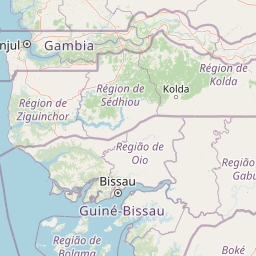
Understand where Cufada National Park sits in Guinea-Bissau through a broader geographic reading of the surrounding landscape, nearby location context, and its mapped position within the national park landscape.

How Cufada National Park fits into Guinea-Bissau

Guinea-Bissau is a West African nation that gained independence from Portugal in 1974. The country covers 36,125 km² along the Atlantic coast, bordered by Senegal and Guinea. Its capital is Bissau. The nation is characterized by ethnic diversity, with Balanta and Fula being the largest groups, and Portuguese as its official language. Guinea-Bissau has experienced political instability since independence and remains one of the poorest countries globally.

Wider geography shaping Cufada National Park in Guinea-Bissau

Guinea-Bissau is located in West Africa along the Atlantic Ocean. It borders Senegal to the north and Guinea to the southeast. The country consists of low-lying coastal plains with inland hills and forests. The Geba River basin dominates the interior landscape.

Location context for Cufada National Park

Cacheu Region

Common questions about visiting, size, designation, and location context for Cufada National Park

Cufada National Park FAQs for park facts, access, geography, and protected area context
Find quick answers about Cufada National Park, including protected-area facts, park geography, trail and visitor context, and how the park fits into its surrounding country and regional landscape.
MoriAtlas Explorer

Continue Your Protected Areas Search Across the Global Atlas

Deepen your exploration by continuing the structured search for national parks and protected areas worldwide. Utilize the comprehensive filtering capabilities to compare different conservation landscapes and refine your understanding of global park geography. Discover more about the distribution and characteristics of protected natural areas.

Global natural geography