
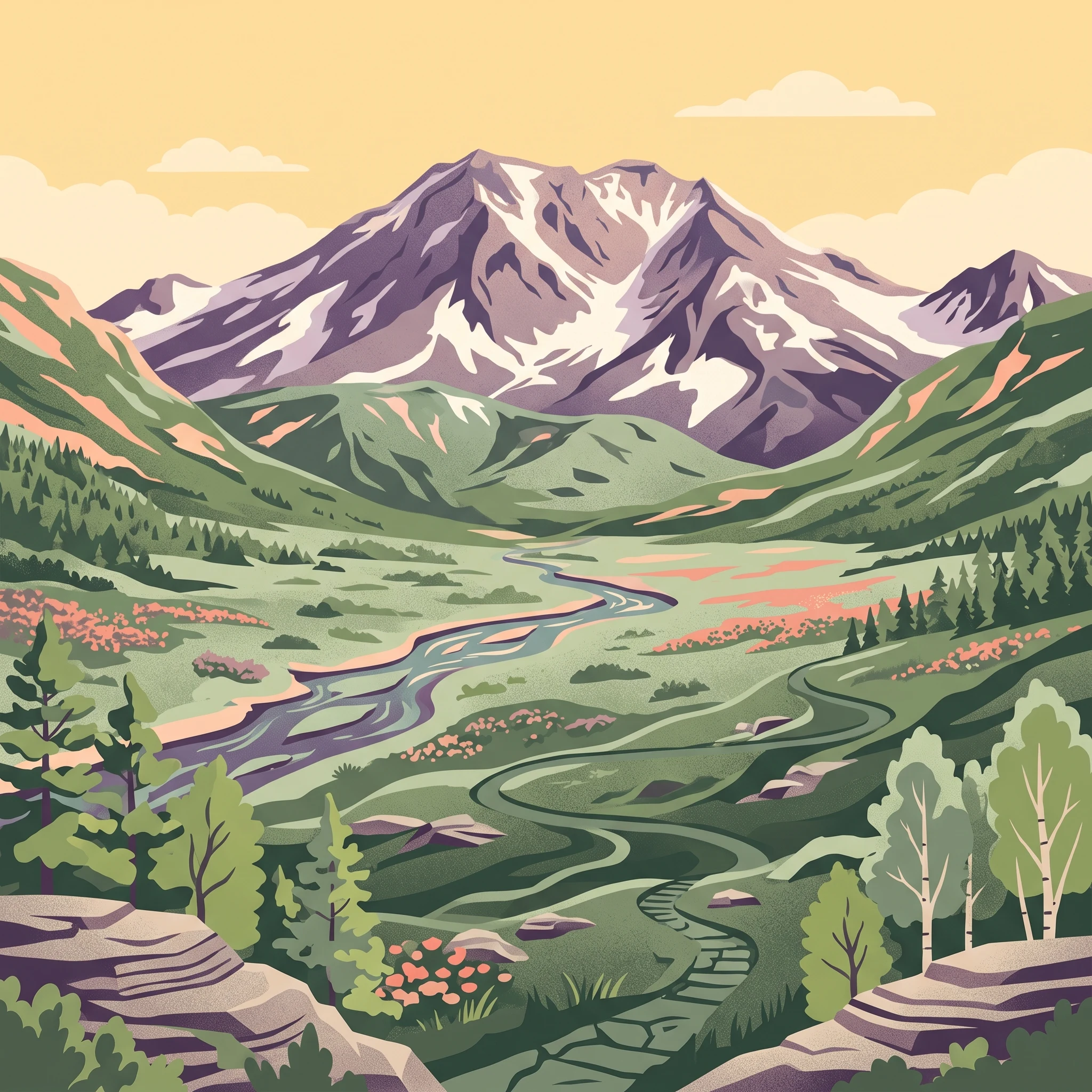
Trip Planning Basics
When to visit Daisetsuzan National Park: the best timing trade-offs
The best time to visit Daisetsuzan National Park is from July through September, when the high-altitude alpine meadows shed their winter snowpack and the region becomes accessible for hiking and nature observation. Because the park features sixteen peaks exceeding 2,000 meters in elevation, the window for snow-free exploration is inherently limited, making this three-month span the most reliable period for those looking to traverse the rugged volcanic terrain. During these months, temperatures generally climb to their peak, and the risk of significant snow disruption diminishes, allowing visitors to experience the park's diverse botanical life and expansive volcanic vistas.
The seasonal trade-off between summer access and winter severity
Visitors must recognize that the park is defined by a binary reality: a short, intense summer season and a long, harsh winter. Choosing when to visit involves balancing the desire for alpine access against the realities of a climate that experiences freezing temperatures for much of the year. While the summer months offer the most stable conditions, they do not guarantee perfect weather, as the park's elevation often leads to sudden atmospheric shifts. Conversely, traveling outside of the primary summer window requires accepting that many trails will be obstructed by snow or subject to extreme cold. For those prioritizing alpine hiking, the summer months are the standard choice, but those seeking winter-specific landscapes or quiet solitude must prepare for significantly more challenging environmental conditions.
Understanding the role of elevation in your visit
The climate throughout the park is dictated by its verticality. Even in the peak of summer, high-altitude regions near summits like Mount Asahi remain substantially colder than the surrounding base elevations. Temperature averages at lower elevations can be deceptive, as alpine conditions often reflect a much harsher reality. The park's status as a volcanic landscape means that the terrain can change rapidly, and the persistence of snow patches well into the early summer months is common. Travelers should approach their planning with the understanding that local elevation dictates the actual temperature and accessibility of any given trail. This sensitivity to altitude is the primary reason why timing a visit requires an interpretation of the entire season rather than relying on broad regional averages for central Hokkaido. By focusing on the brief window where alpine conditions are most forgiving, visitors can maximize their chances of experiencing the park's unique biodiversity and dramatic volcanic scenery while minimizing exposure to the region's more volatile, snow-heavy climate.
Seasonal Planning
Best Months to Visit Daisetsuzan National Park
Peak Alpine Exploration: July through September
The most reliable window for traversing the high-altitude trails of Daisetsuzan National Park spans from July to September. This is the period when mean monthly temperatures rise above freezing, significantly reducing the persistence of snowpack at higher elevations. July brings the onset of warmer weather, with mean temperatures reaching approximately 16 degrees Celsius at mid-mountain elevations. Visitors during this window gain the best access to the park's network of volcanic peaks and alpine meadows. The trade-off for this accessibility is the increased frequency of precipitation, particularly in August and September, which requires hikers to be prepared for rapid changes in weather and cloud cover common in high-altitude volcanic zones.
The Transition Seasons: May, June, and October
For travelers seeking a compromise between early-season snow and late-season cooling, the months of May, June, and October represent distinct transitional phases. In May and early June, the park is in a state of flux as snow begins to retreat from lower elevations. Visitors may find trails partially obstructed by lingering snow patches, often requiring specialized gear or caution even if lower regions appear mild. By contrast, October initiates the transition into the long winter. While early October can offer crisp, clear conditions, the probability of early snowfall and freezing temperatures increases sharply as the month progresses. These shoulder periods appeal to those who prioritize avoiding peak crowds and are comfortable navigating unpredictable, changing trail conditions where summer operations may be phasing out.
The Winter Wilderness: November through April
The period from November through April is defined by extreme cold and significant snowfall, creating a landscape that is fundamentally different from the hiking-focused summer season. With mean temperatures consistently dropping well below zero, the park functions primarily as a winter environment. This season is suited for those specifically prepared for high-latitude winter conditions, such as backcountry skiing or winter photography, rather than traditional hiking. The daylight hours are significantly reduced during these months, with December and January offering the shortest days of the year, often under 9 hours. Travelers choosing this window must accept that large portions of the park's higher-elevation infrastructure are essentially inaccessible or dormant. Planning for this season requires a rigorous focus on cold-weather safety, as the climate is characterized by severe cold, high humidity, and persistent wind, which together create a challenging environment that demands high levels of self-sufficiency and preparation.
Annual Climate
Monthly Weather and Temperature Patterns in Daisetsuzan National Park
Understanding the Annual Temperature Swing
The climate of the park is defined by a extreme seasonal amplitude, with the long-term annual record showing a dramatic transition from deep winter sub-zero temperatures to a short, mild summer. While average daily highs in the peak of winter struggle to reach above freezing, the summer months bring a brief period of warmth where average maximums climb toward 25 degrees Celsius. It is essential to recognize that these figures represent historical climate normals recorded at a specific altitude. Because the park features peaks exceeding 2,000 meters, actual conditions on the mountain trails can be significantly colder and more volatile than these baseline statistics suggest. Visitors should view these patterns as an indicator of the seasonal cycle rather than a guarantee of temperature at any given point on a climb.
Patterns of Precipitation and Humidity
Precipitation is not evenly distributed throughout the year, with a noticeable increase in moisture during the peak summer months. July and August stand out as the wettest months, recording higher daily precipitation averages compared to the deep winter months. However, the nature of this precipitation differs greatly by season. In the warmer months, this moisture typically manifests as rain, contributing to the lush greenery of the alpine meadows. As temperatures drop below freezing, the precipitation shifts to consistent snowfall, which creates the deep, enduring snowpack that characterizes the park for much of the year. Humidity levels remain consistently high throughout the year, rarely dropping significantly even during the drier winter months, which reflects the park’s role as a moisture-heavy mountain environment.
Daylight Hours and Thermal Shifts
Daylight duration fluctuates substantially, reaching a peak of approximately 15.2 hours in June before contracting to less than nine hours by December. This swing in solar availability is a major factor in planning, as the limited daylight during the winter months restricts the window for outdoor activity. The transition periods in spring and autumn are characterized by rapid changes in both daylight and temperature, with April and October serving as critical months where conditions shift between snow-bound environments and accessible terrain. In May, the average mean temperature rises above freezing, marking the initial retreat of winter snow, while October brings a sharp decline in temperature that often signals the return of early frosts. These rapid transitions are typical for high-latitude, high-elevation environments and should inform how travelers prepare for potential weather shifts when visiting during the shoulder seasons.
Environmental Variability and Real-World Conditions
While the recorded monthly normals provide a reliable look at the climate rhythm, the park’s mountainous geography often creates microclimates. Wind speeds tend to remain relatively consistent, hovering around 3 to 4 meters per second, but exposure on exposed ridges can amplify the perceived cold, especially when combined with high humidity. Readers should interpret these climate averages as a baseline for preparation rather than a local weather forecast. Because these normals are aggregated from historical data, they do not account for the year-to-year variation that is common in alpine regions. Before traveling, it is necessary to consult current meteorological updates and park-specific alerts, as even in months with statistically mild averages, sudden storms or unseasonal temperature drops can occur.
Seasonal dynamics
Understanding Daisetsuzan National Park weather patterns and seasonal transitions
The High Alpine Summer Window
The most distinct climatic phase in this volcanic landscape is the brief high-alpine summer, spanning from July through September. This period is defined by the receding of the winter snowpack and the opening of alpine meadows. While the rest of the year is characterized by sub-zero temperatures and persistent snow, this phase marks the only reliable window for accessing the park's highest volcanic ridges and remote backcountry. Visitors will notice a dramatic change in the environment during these months as the mean temperatures rise and daylight peaks, reaching its maximum in June and July. This is not a consistent heatwave, but rather a temperate window where the average maximum temperatures reach their annual peak of approximately 25 degrees Celsius in August. It is the primary period for botanical growth and is the most active time for wildlife, including the park's characteristic pika populations.
The Transitional Shoulder Seasons
The months of May and June serve as the spring transition, while October acts as the autumn turn. These periods are marked by instability, where the lingering winter influence often clashes with the encroaching seasonal change. In May, the average mean temperature remains quite low at around 6.5 degrees Celsius, and the landscape is often still heavily influenced by snow patches that can persist into early summer. This transition is characterized by rapid shifts in surface conditions, where trails may change from dry, accessible paths to muddy, slushy, or snow-covered routes within a single day. October represents the reverse transition, where temperatures drop sharply back toward freezing. The mean temperature falls to roughly 4.9 degrees Celsius in October, signaling the rapid approach of the winter climate and the closure of access to higher altitudes. These months are less about defined seasons and more about the park's reactive state to the shifting snow line.
The Extended Winter Environment
From November through April, the park enters its most dominant phase, characterized by extreme cold and significant snow accumulation. The mean temperature during these months consistently stays below freezing, with January and February serving as the coldest points where mean temperatures hover around negative 12 degrees Celsius. During this time, the entire park landscape is effectively transformed into a high-altitude winter environment. Access to the vast majority of the park's trails and backcountry regions is limited by deep snow and dangerous conditions. The humidity remains high, often exceeding 90 percent throughout the winter, and the combination of low light, which dips below 9 hours in December, and persistent wind creates a challenging environment. This phase is not merely a colder version of the summer; it is a fundamental shift in the landscape, moving from a terrain of accessible volcanic paths to a largely inaccessible, snow-bound mountain wilderness that defines the name of the park itself.
Seasonal Experiences
What Visiting Daisetsuzan National Park is Like Through the Seasons
Peak Alpine Activity and Botanical Sightings
The most distinct experiences in the park are tightly coupled with the brief, snow-free window of July through September. During these months, the high-elevation alpine meadows become accessible for foot traffic, allowing for observation of the diverse alpine plant communities that define the park's ecological identity. Because much of the terrain remains buried under heavy snow until June, the window for viewing these rare blossoms is short and concentrated. For those visiting during these months, the primary experiential draw is the ability to navigate the volcanic mountain groups and traverse the ridgelines that remain hazardous or blocked by cornice snow for most of the year.
Backcountry Navigation and Volcanic Terrain
Access to the high-alpine routes, including the ascent of Mount Asahi, is dependent on the seasonal retreat of snow. While the climate reaches its most favorable mean temperatures in July and August, the experience of traversing the volcanic landscape is often defined by unpredictable shifts in visibility and wind exposure. Experienced hikers prioritize this period to conduct multi-day traversals of the volcanic groups. Because the park features significant elevation shifts, the conditions found at base-level onsen resorts often contrast sharply with the environment at the 2,000-meter peaks. Visitors should understand that the transition from accessible hiking trails to treacherous high-alpine conditions can occur rapidly, even within this peak window.
Snow-Based Exploration and Winter Infrastructure
As the snowpack solidifies from November through April, the park's experiential focus shifts entirely toward winter-based activities. The deep, consistent snowfall transforms the landscape, supporting specialized winter sports and guided snowshoe tours, particularly around the Asahidake cable car and Sounkyo areas. Unlike the summer season, which rewards those seeking to explore the vast, rugged backcountry by foot, the winter experience is heavily supported by established infrastructure like ski slopes and managed mountain resort access. Those looking to experience the park's winter character often combine resort-based snowboarding or skiing with guided excursions that move beyond managed areas into the deep powder of the alpine zone. It is important to remember that such activities require specific equipment and awareness of the inherent risks associated with high-latitude volcanic winter environments.
Timing for Autumnal Color Shifts
Autumn provides a fleeting but significant experiential shift, typically occurring in the second half of September for the higher mountain slopes and early October for the base areas. This period is distinct for the dramatic color changes across the alpine meadows, which attract visitors focused on the visual contrast of the volcanic rock against changing tundra vegetation. The experience during this time is characterized by cooler temperatures and the looming arrival of winter snow, which often dictates the end of the high-country hiking season. Visitors planning for this window must be prepared for the reality that the autumn experience is weather-dependent and highly variable from year to year.
Travel Priorities
Choosing the Best Time to Visit Daisetsuzan Based on Travel Priorities
Prioritizing High-Alpine Hiking and Botanical Viewing
For travelers whose primary goal is accessing the park's extensive alpine meadows and high-altitude hiking trails, the period from mid-July through early September provides the most consistent window. During these weeks, the risk of encountering lingering snowpack on high-elevation trails is at its annual low, and temperatures are at their most comfortable for sustained physical activity, with mean temperatures peaking around 16 to 17 degrees Celsius. This window aligns with the peak blooming season for the park's diverse alpine plant communities. The primary compromise during this period is the increased likelihood of precipitation, as late summer normals show higher daily rainfall compared to other times of the year. Hikers should be prepared for rapid weather shifts, as even in the height of summer, high-altitude ridges remain subject to sudden temperature drops and intense wind exposure.
Choosing for Milder Temperatures and Clearer Walking Conditions
Travelers seeking to avoid the peak heat of August while still benefiting from stable, dry conditions often look to the final weeks of September. While the mean temperature begins to drop as autumn approaches, the days remain relatively clear, and the reduced humidity makes for pleasant walking conditions across the lower and mid-elevation trails. This period marks a noticeable transition: the alpine flora begins to shift toward autumn hues, and the extreme weather events typical of the mid-summer rainy phase subside. The trade-off is a significant reduction in daylight hours compared to June or July, meaning hikers must plan for earlier turn-around times to avoid navigating mountain terrain after dusk. The risk of frost at higher elevations also increases sharply toward the end of the month.
Targeting Autumn Colors at Variable Elevations
Autumn foliage serves as a major draw, but its timing depends heavily on elevation. Those prioritizing the photography or viewing of autumn leaves should aim for a split strategy. The higher peaks, such as the ridges surrounding Mount Asahi, reach their peak color shift during the second half of September. As the season progresses into the first half of October, the vibrant colors descend to the base of the mountains and the valley floors, including areas around Sounkyo Onsen. Visitors choosing this time must accept that while the visual landscape is at its most striking, the potential for early-season mountain snowfall is real. Higher trails may already be inaccessible to casual hikers, and the overall experience is dictated more by localized, fast-moving weather systems than the stable patterns of mid-summer.
Winter Recreation and Backcountry Snow Sports
For those primarily interested in snow-based experiences, including skiing, snowboarding, or snowshoeing, the late winter period remains the most reliable. While early winter can be unpredictable, the months of January and February offer the most consistent snow cover at destinations like Asahidake and Furano. At this time, the park is transformed by deep powder, and the primary focus shifts from mountain hiking to managed resort activities or guided snowshoe tours. The trade-off is the extreme cold, with mean temperatures often remaining well below freezing and significant wind exposure on exposed slopes. Visitors must account for the severely limited daylight hours, as the sun sets early, and prioritize safety in extreme sub-zero conditions.
Visitor Access
Seasonal Road Access and Planning Logistics for Daisetsuzan National Park
Access to the high-alpine interior of Daisetsuzan is fundamentally dictated by the reality of snow persistence and volcanic terrain. While the lower reaches and established trailheads may appear accessible, the alpine sections often remain hazardous or physically impassable well into the early summer months. Visitors should understand that road access, cable car operations, and trail connectivity are subject to seasonal transition shifts that do not follow a strict calendar. Planning a trip requires a reliance on the most current reports provided by the Ministry of the Environment and local park administration offices rather than historical averages or typical opening dates.
Verifying Seasonal Road and Cable Car Status
Infrastructure such as mountain roads leading to major trailheads and the cable car systems that provide access to the higher volcanic groups are the primary lifelines for most visitors. These services frequently pause operations during the shoulder seasons and the long winter period due to snow accumulation and weather-related maintenance requirements. Because these closures are dynamic, travellers must consult the official park guide pages managed by the Ministry of the Environment or the official Japanese-only administration portals before finalizing any transit arrangements. Do not assume that a road or lift is open simply because the calendar indicates a month within the typical summer hiking window.
Practical Implications for Trip Planning
When planning a visit, consider the significant gap between the lower-elevation weather conditions and the reality found at peaks exceeding 2,000 meters. Even in months like June or early October, where daylight hours remain sufficient, high-altitude routes may still require specialized equipment or experience closures due to lingering snow or early ice. Reliable planning involves identifying your intended trailhead and cross-referencing that location with real-time accessibility notices. The park is vast, and access logistics for the northern Daisetsuzan Volcanic Group can differ significantly from those in the southern sectors. If your itinerary depends on reaching specific volcanic summits, maintain flexibility by having secondary, lower-elevation alternatives in case of restricted access or unexpected maintenance at the primary route.
Permits and Wilderness Protocols
For those intending to engage in multi-day backcountry trekking, it is essential to distinguish between general park entry and specific requirements for remote exploration. While the park does not enforce a singular entry fee for the entire wilderness, certain routes, overnight facilities, or conservation-sensitive areas may have established registration protocols. Review the latest guidance on wilderness safety and trail registration boards at the start of your journey. As with road access, these requirements can be updated to reflect current wildlife activity, such as brown bear movements or habitat protection, making it mandatory to verify current guidelines with park authorities immediately prior to your departure.
Safety and Preparation
Seasonal Weather Hazards and Packing for Daisetsuzan National Park
Navigating Extreme Temperature and Daylight Shifts
Preparation for this high-altitude landscape requires acknowledging the significant disparity between seasonal extremes. While summer temperatures at mid-elevation averages sit in the mid-teens to low-twenties Celsius, the climate normals reveal a rapid decline by October, when freezing temperatures return. Visitors must prepare for sudden atmospheric changes regardless of the month. Even during peak summer, ridge lines and higher volcanic peaks remain susceptible to rapidly dropping temperatures and high wind speeds. Because sunlight duration contracts sharply, dropping from over 15 hours in June to fewer than 9 hours by December, your itinerary must align with daylight availability to prevent being caught on trails after dark. Always consult current, localized mountain forecasts provided by official meteorological agencies before departing, as these provide the only accurate view of upcoming weather, not the long-term climate averages.
Preparing for Terrain and Exposure Challenges
The volcanic terrain of the park often features steep slopes and varied ground conditions that demand stable footwear and a high degree of situational awareness. Given the potential for rapid weather shifts, layering clothing is essential for managing body heat during physical exertion in the alpine environment. Because local conditions, such as snow depth in spring or mud and slick rock during peak summer rain periods, fluctuate significantly based on recent precipitation, verify current trail reports before finalizing your route. Do not rely on assumptions based on the calendar alone, as seasonal transitions in these mountains are often erratic and defined more by snow clearance than by specific dates.
Essential Health and Safety Considerations
When exploring the backcountry, hygiene and wildlife safety are critical components of your preparation. Water found in streams and lakes throughout the park may harbor parasites such as Echinococcus. For this reason, official guidance strongly advises that all water sourced from the wilderness be boiled before consumption. Furthermore, as the park is home to populations of brown bears, carrying items that alert animals to your presence and strictly managing food storage are standard practices for backcountry visitors. Because trail and hut occupancy can vary, always confirm the availability of mountain huts through official channels. If you plan to visit during the winter, be aware that the high snowfall levels introduce distinct hazards, including avalanche risk on specific routes. Always adhere to local safety postings and emergency closure notices, which are updated to reflect shifting trail safety and environmental conditions.
Final Planning
How to Choose the Right Time to Visit Daisetsuzan National Park
Balancing Seasonal Access and Personal Priorities
Finalizing your travel dates for this park requires a clear recognition of the divide between the fleeting alpine summer and the long, high-latitude winter. If your primary goal involves accessing the interior volcanic peaks, hiking along the ridges of Mount Asahi, or experiencing the alpine meadows in their most vibrant state, you must align your plans within the narrow window from July through early September. Outside of this period, the reality of mountain conditions often restricts movement to lower elevations or requires specialized winter skills. When choosing your time to visit, weigh the trade-offs between the risk of late-season snow patches and the benefits of peak summer trail accessibility.
Interpreting Environmental Constraints
The climate data underscores a fundamental truth about this landscape: the transition periods of June and October are inherently volatile. While these months can offer quiet moments and unique visual landscapes, they frequently bring unpredictable weather that can alter or truncate planned excursions. A decision to visit during these shoulder months should be balanced by a willingness to adapt your itinerary if high-altitude trails remain closed due to lingering snow or early-season storms. Conversely, the core winter months from November through April offer a deep, consistent snowpack that supports specialized winter activities, though the severe temperatures and limited daylight hours significantly curtail general park accessibility compared to the summer months.
Making Your Final Decision
Your chosen period should reflect your comfort level with variable mountain weather and your specific activity goals. Rather than seeking a single ideal month, consider the following decision logic to finalize your itinerary:
- For high-alpine trekking and maximum trail coverage, commit to the stable, snow-free window from mid-July to early September.
- For those seeking to avoid peak summer crowds while maintaining a high probability of trail access, the transition period of late September offers a window of cooler, clearer days before the onset of permanent winter snow.
- For winter sports enthusiasts, focus on the peak deep-snow months of January and February, while recognizing that these periods demand significant preparation for sub-zero temperatures and high-wind environments.
Always remember that recorded climate normals provide a baseline for your expectations, not a forecast for your specific travel dates. You must verify current road status, trail alerts, and weather conditions with official park resources shortly before you arrive. Being prepared for the reality of the park's alpine climate is the most effective way to ensure a safe and productive experience.