
Mori Atlas logo
Nature reserveDębowy Ostrów

Mapping the ecological boundary of a unique lakeside oak forest in the Pojezierze Łagowskie district

Dębowy Ostrów Nature Reserve: Protected Acidic Oak Woodland Landscapes in Western Poland

(Rezerwat przyrody Dębowy Ostrów)

Dębowy Ostrów Nature Reserve preserves a rare fragment of natural acidic oak woodland situated on a distinct peninsula extending into Lake Paklicko Wielkie. Located within the Lubusz Voivodeship in western Poland, this protected area serves as a critical reference site for lowland forest ecology. The reserve encompasses a dense mosaic of oak canopy and a diverse herb layer, representing a high-value landscape within the broader post-glacial topography of the Pojezierze Łagowskie lake district.

nature reservestrict protectionoak forestacidic oak woodlandlakeside peninsulalake district

Dębowy Ostrów

Nature reserve

Park overview

Structured park overview, official facts, and landscape profile for Dębowy Ostrów

Dębowy Ostrów park facts, protected area profile, and essential visitor context

Review the core facts for Dębowy Ostrów, including designation, size, terrain, visitor scale, habitats, and operating context in one park-focused overview.

About Dębowy Ostrów

Dębowy Ostrów is a compact Polish nature reserve located in the Lubusz Voivodeship, in Świebodzin County within the gmina of Świebodzin. Positioned on a peninsula reaching into Lake Paklicko Wielkie, the reserve occupies a narrow projection of land that embodies the characteristic interweaving of forest and water that defines the broader Pojezierze Łagowskie lake district. With a total area of just under 1.85 hectares, it is one of the smaller nature reserves in the region, but its protected status is strict and its ecological focus is unusually specific.

The reserve was formally established in 1970 by decision of the Minister of Forestry and the Wood Industry, reflecting the Polish conservation tradition of designating small, ecologically representative forest fragments as protected sites for scientific and educational reference. Its legal basis (Polish Journal of Laws, 1970, no. 12, item 106) commits the site to long-term preservation of its natural character. Administration is handled by the Świebodzin Forest District, with the relevant forest compartment located in the Nowy Dworek cadastral area.

Ecologically, Dębowy Ostrów represents an acidic oak woodland, a habitat type whose natural form has become increasingly rare in lowland Poland because of historical forest management. The reserve's oak canopy shelters a multi-species herb layer, and the presence of Convallaria majalis, or lily of the valley, illustrates how a site of limited size can still carry important biodiversity signals. The reserve functions both as a living example of natural oak forest dynamics and as a reference point for research and education into lowland woodland ecology in western Poland.

Quick facts and research context for Dębowy Ostrów

Dębowy Ostrów is a strict-protection nature reserve in western Poland, covering roughly 1.8447 hectares on a peninsula of Lake Paklicko Wielkie in the Pojezierze Łagowskie region. It was established in 1970 to preserve a fragment of natural acidic oak forest with a species-rich herb layer, and is administered by the Świebodzin Forest District. The reserve lies within Świebodzin County in the Lubusz Voivodeship and is documented under Polish legal gazette reference M.P. of 1970, no. 12, item 106.

Protection and recognition

Terrestrial conservation framework and official recognition records

Dębowy Ostrów Protection Status and Documented Area Designation

Terrestrial protection status for Dębowy Ostrów details the documented boundaries and official conservation framework governing the reserve. Conservation records outline the administrative scope and status parameters assigned to the protected natural landscape.

Protection details

Protection scope
Terrestrial
Transboundary protection
No
Park context

Deeper park guide and search-rich context for Dębowy Ostrów

Dębowy Ostrów history, landscape, wildlife, and travel context

Explore Dębowy Ostrów through its history, landscape character, ecosystems, wildlife, conservation priorities, cultural context, and seasonal travel timing in a structured park guide built for atlas discovery and search intent.

Why Dębowy Ostrów stands out

Dębowy Ostrów is best known for protecting a small but ecologically valuable fragment of natural acidic oak woodland on a lakeshore peninsula. The reserve is valued for its multi-species forest floor, and is particularly associated with blooming lily of the valley in spring, which is one of the most visible indicators of the site's ecological character. Its lakeside peninsula setting within the Pojezierze Łagowskie lake district adds geographic significance to what is otherwise a very compact forest reserve.
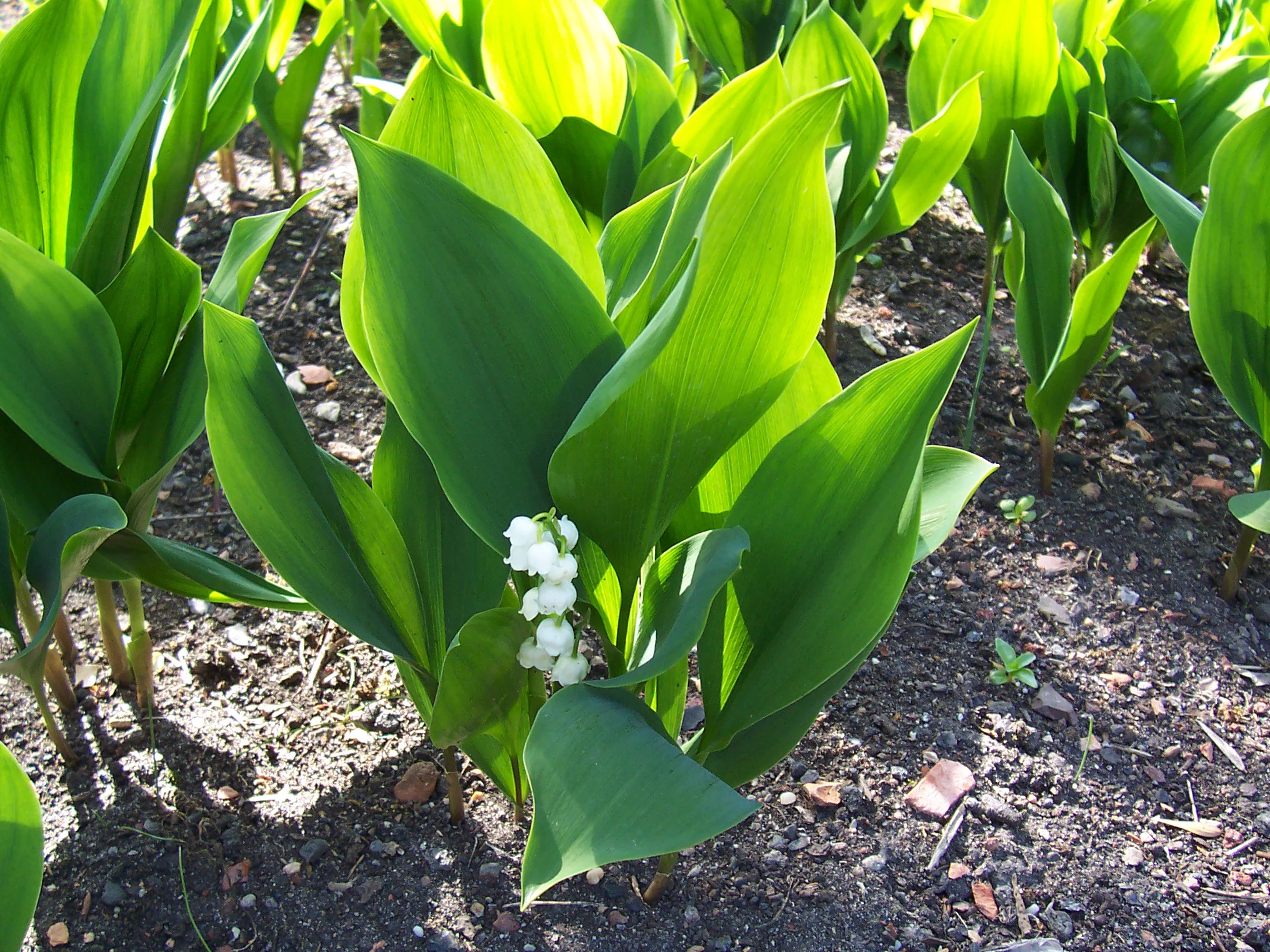
A cluster of lily of the valley plants with broad, bright green leaves and small, white, bell-shaped flowers blooming near the center.
A cluster of Convallaria majalis, commonly known as lily of the valley, growing on the forest floor.

Dębowy Ostrów history and protected-area timeline

Dębowy Ostrów was established as a nature reserve in 1970 through Zarządzenie Nr 56, the decision of the Minister of Forestry and the Wood Industry dated 31 March 1970. The legal act that formalized the reserve was published in the Polish official gazette (M.P. of 1970, no. 12, item 106). The stated purpose of the designation was to preserve, for scientific and educational reasons, a fragment of natural oak forest, recognizing that such untouched woodland stands had become rare and worthy of formal protection.

Earlier administrative context frames the reserve: the area lies within cadastral limits of the locality Nowy Dworek in Świebodzin County, and forest management responsibility was assigned to the Świebodzin Forest District. The plot number 85/9 documents the precise cadastral footprint of the protected land, which remains in continuous forest management under state oversight. Since its designation, Dębowy Ostrów has operated under strict protection rules, limiting intervention in its natural processes and reinforcing its role as a reference site.

Dębowy Ostrów landscape and geographic character

The physical setting of Dębowy Ostrów is defined by its position on a peninsula projecting into Lake Paklicko Wielkie, a lake within the Pojezierze Łagowskie lake district of western Poland. This region is characterized by post-glacial terrain shaped during the last ice age, producing rolling lowland topography, numerous lake basins, and a mosaic of forest cover interspersed with water.

The reserve itself occupies a narrow forested promontory, with the surrounding waters of the lake framing the woodland on multiple sides. The terrain is gentle and typical of lowland Polish forest reserves, without pronounced elevation, but with micro-topographic variation between the lakeshore edge and the interior of the woodland. The combination of lake shoreline and forest cover creates a transitional habitat zone where aquatic, wetland, and woodland environments meet at the reserve margins.

Dębowy Ostrów ecosystems, habitats, and plant life

The defining ecological character of Dębowy Ostrów is its status as a fragment of natural acidic oak forest, a habitat type known in Polish forestry and ecology terminology as kwaśna dąbrowa. This habitat is defined by an oak-dominated canopy growing on acidic soils, with a herb layer that often features multiple spring-flowering and ground-cover species adapted to low-nutrient conditions.

The reserve's herb layer is described as multi-species, suggesting a relatively rich understory compared with managed or simplified oak stands. Lily of the valley (Convallaria majalis) is explicitly noted as a characteristic component, reflecting the shady, undisturbed forest floor conditions beneath the oak canopy. Because acidic oak woodlands of genuinely natural character have become scarce in lowland Poland, the reserve functions as an ecological reference for what such forests looked like before widespread silvicultural modification.

Dębowy Ostrów wildlife and species highlights

The wildlife profile of Dębowy Ostrów is not described in extensive detail in available sources, and the reserve's primary significance lies in its plant communities rather than its fauna. The protected oak forest fragment and its diverse herb layer nevertheless provide habitat for typical woodland species of the Polish lowlands, including forest-floor invertebrates associated with Convallaria majalis and other understory plants. Birds typical of mature oak woodland in western Poland would also be expected to use the site, particularly during the breeding season, while the surrounding waters of Lake Paklicko Wielkie broaden the functional habitat range beyond the forest boundary.

Dębowy Ostrów conservation status and protection priorities

Conservation significance at Dębowy Ostrów centers on the preservation of a natural acidic oak forest fragment, a habitat type that has declined across lowland Poland due to historical land use and forest management. By protecting an area of just under 1.85 hectares under strict conservation status, the reserve safeguards a reference example of oak woodland dynamics on acidic soils, including its natural canopy structure, herb layer composition, and ecological continuity.

The reserve's designation explicitly cites scientific and educational motives, positioning it as a long-term study and teaching site for natural oak forest ecology. Its strict protection category limits human intervention, allowing natural processes to govern forest dynamics. Even though small in size, the reserve contributes to the broader network of forest nature reserves in the Lubusz Voivodeship and serves as a baseline for understanding what minimally disturbed acidic oak woodland looks like in the Pojezierze Łagowskie region.

Dębowy Ostrów cultural meaning and human context

The name Dębowy Ostrów translates roughly to Oak Island or Oak Peninsula, reflecting both the ecological identity of the site and its geographic form as a forested promontory in the lake. The former German-language name Eichwerder, recorded in historical references and in the source material, shows that the place was known in the broader cultural landscape of historical Pomerania and Brandenburg before modern Polish administrative boundaries were established. This bilingual naming reflects the layered cultural geography of western Poland, where many natural landmarks carry both Polish and historical German toponyms that continue to inform local identity.

Top sights and standout views in Dębowy Ostrów

Dębowy Ostrów stands out for combining a strict-protection legal status with a tightly focused ecological mission: preserving a natural acidic oak forest fragment on a lakeside peninsula. Its highlights include the rare-in-lowland-Poland character of its oak canopy, the multi-species herb layer featuring lily of the valley, and its scenic setting within the Pojezierze Łagowskie lake district. The reserve's small footprint makes it an example of how ecologically meaningful protection can be achieved even on a very limited area when the habitat type itself is regionally uncommon.

Best time to visit Dębowy Ostrów

The most ecologically expressive period for Dębowy Ostrów is late spring, when the herb layer beneath the oak canopy reaches peak visibility and lily of the valley is in bloom across the forest floor. This season highlights the natural character of the acidic oak woodland and offers the clearest sense of the reserve's plant diversity. Early summer and autumn also reveal the structural qualities of the oak canopy and the lakeshore setting, while winter, with reduced vegetation cover, can emphasize the shape of the peninsula and surrounding waters of Lake Paklicko Wielkie.

Monthly climate preview

Track representative annual temperature ranges and recorded monthly precipitation rates

Dębowy Ostrów Climate Normals and Long-Term Weather Patterns by Month

Dębowy Ostrów exhibits sustained sub-zero winter temperatures alongside warm summer maximums supported by steady year-round precipitation averages. Reviewing the complete twelve-month climate profile reveals comprehensive seasonal variations and long-term meteorological shifts across the reserve coordinate.
Annual mean9 °C
-2 °C20 °C
Jan-2°
Feb
Mar
Apr
May14°
Jun18°
Jul20°
Aug19°
Sep15°
Oct
Nov
Dec
Warmest month
July

19.7 °C

Coolest month
January

-1.6 °C

Wettest month
July

2.5 mm/day

Driest month
April

1.1 mm/day

Park location guide

Geography guide, regional context, and park location map for Dębowy Ostrów

Dębowy Ostrów park geography, regions, and map view in Poland

Understand where Dębowy Ostrów sits in Poland through a broader geographic reading of the surrounding landscape, nearby location context, and its mapped position within the national park landscape.

How Dębowy Ostrów fits into Poland

Poland, officially the Republic of Poland, is a Central European country spanning from the Baltic Sea in the north to the Carpathian Mountains in the south. It borders Germany, Czech Republic, Slovakia, Ukraine, Belarus, Lithuania, and Kaliningrad Oblast. The country has a temperate climate, diverse landscapes, and is known for its rich history, cultural heritage, and strong economic position within the EU.

Wider geography shaping Dębowy Ostrów in Poland

Poland occupies 312,696 km2 in Central Europe, extending from the Baltic Sea coast in the north to the Sudetes and Carpathian Mountains in the south. It borders Germany to the west, Czech Republic and Slovakia to the south, Ukraine and Belarus to the east, and Lithuania and Kaliningrad Oblast to the northeast. The landscape includes lowland plains, uplands, and mountain ranges.

Map view of Dębowy Ostrów

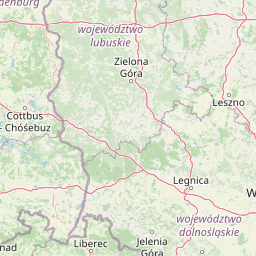
Use this park location map to pinpoint Dębowy Ostrów in Poland, understand its exact geographic position, and read its mapped placement within the surrounding landscape more clearly.

Pigeon | © OpenStreetMap contributors

Location context for Dębowy Ostrów

Lubusz Voivodeship

Visual exploration of acidic oak woodlands, post-glacial lake basins, and protected forest environments.

Dębowy Ostrów Photos and Landscape Scenery across the Lakeside Reserve

Visual documentation captures the natural canopy, shoreline transition zones, and rare lowland woodland habitats preserved across the Dębowy Ostrów peninsula. Examining these field photographs reveals the ecological structure of the protected oak forest and its surrounding post-glacial lakescape setting.

A cluster of lily of the valley plants with broad, bright green leaves and small, white, bell-shaped flowers blooming near the center.

Park atlas

Compare nearby lowland reserves and connected lake district landscapes

Explore Parks Near Dębowy Ostrów and Surrounding Regional Protected Areas

Browsing parks near Dębowy Ostrów reveals other protected oak woodlands and post-glacial lake reserves across western Poland. Expanding the geographic comparison highlights regional conservation networks and similar lowland forest habitats.
A watercolor painting showing a panoramic view of a light-colored lake surrounded by soft, green rolling hills and distant pink-toned mountains.
Nature reserveLubusz Voivodeship
About 24 km away#1 closest

East

Rezerwat przyrody Jezioro Wielkie: Protected Nature Reserve and Regional Landscape Geography

Faunistic reserve in Lubusz Voivodeship, western Poland.

Rezerwat przyrody Jezioro Wielkie preserves a shallow, post-glacial lake environment enriched by reedbeds, sedge meadows, and forested islands. This bird-focused protected area within Lubusz Voivodeship sustains a complex mosaic of woodland and wetland habitats, serving as a primary site for migratory waterbirds and locally threatened avian populations across the western Polish landscape.

Area
2.363 km²
Established
1991
Relief
Upland
Scope
Terrestrial
Nature reserveLubusz Voivodeship
About 26 km away#2 closest

West

Mechowisko Kosobudki Nature Reserve: Mapped Peatland Landscapes and Wetland Geography

A diverse protected mire complex in Poland's Lubusz Voivodeship region.

Mechowisko Kosobudki Nature Reserve features a concentrated mosaic of four distinct peatland types shaped by the hydrology of the Pliszka River. This protected area provides a focused example of lowland wetland geography, supporting a high density of threatened plant species and diverse aquatic fauna within a compact, water-driven terrain in the heart of the Lubusz region.

Area
0.125 km²
Established
2017
Relief
Lowland
Scope
Terrestrial
Nature reserveLubusz Voivodeship
About 34 km away#3 closest

West

Rezerwat przyrody Dolina Ilanki II: Protected Peatland and River Valley Geography

A vital nature reserve within the Ilanka River corridor

Rezerwat przyrody Dolina Ilanki II represents a key ecological site in the Lubusz Voivodeship. Focused on the conservation of spring-fed mires and alder swamp forests, the reserve forms a critical part of the larger Ilanka valley habitat network. Discover the terrain characteristics and mapped extent of this protected lowland wetland.

Area
0.113 km²
Established
2017
Relief
Lowland
Scope
Terrestrial
Nature reserveLubusz Voivodeship
About 36 km away#4 closest

West

Rezerwat przyrody Jezioro Ratno: Nature Reserve and Wetland Geography in Lubusz Voivodeship

Tracing aquatic-terrestrial transitions in western Poland

Located within the Równina Torzymska, Rezerwat przyrody Jezioro Ratno preserves a rare cutrophic lake ecosystem in the process of natural infilling. This nature reserve provides essential protected ground for soligenous peatlands, spring habitats, and riverine networks, offering a clear window into the post-glacial hydrological patterns of the Polish lowlands.

Area
0.487 km²
Established
2017
Relief
Lowland
Scope
Terrestrial
A soft watercolor illustration of a rural landscape with rolling hills, a green forest line, and marshy foreground vegetation.
Nature reserveGreater Poland Voivodeship
About 39 km away#5 closest

Northeast

Dolina Kamionki Nature Reserve, Protected River Valley and Forest Landscapes in Poland

Geographic overview of a post-glacial meltwater channel in Greater Poland

Dolina Kamionki Nature Reserve protects a distinct segment of a post-glacial channel characterized by diverse geological deposits and high botanical value. The valley terrain supports a layered ecosystem of moist alder swamps, mature oak-hornbeam forests, and xerothermic edge vegetation, providing a compact example of regional biodiversity in the Greater Poland Voivodeship.

Area
0.593 km²
Established
2004
Relief
Upland
Climate
Temperate
Protected landscapePoland
About 49 km away#6 closest

Northwest

Park Krajobrazowy Ujście Warty: Protected Landscape and River Valley Atlas

Mapping wetland ecosystems and floodplain geography in western Poland

Park Krajobrazowy Ujście Warty preserves a significant lowland river valley landscape characterized by vast open pastures, marshes, and rare riparian oak forests. Located primarily within the Lubuskie region, this protected area offers a clear view into the floodplain processes of the Warta river basin, providing a distinct geographic context for wetland conservation and waterbird habitat mapping in Poland.

Area
194.96 km²
Established
1996
Relief
Lowland
Climate
Temperate
Watercolor illustration showing a winding river through a soft, green wetland landscape with distant rolling hills and scattered trees.
Protected areaLubusz Voivodeship
About 49 km away#7 closest

Northwest

Ostoja Witnicko-Dębniańska: Mapped Protected Area and Regional Geography

An extensive mosaic of lowland forest and wetland habitats in Poland

The Ostoja Witnicko-Dębniańska sanctuary serves as a critical protected landscape, defined by its blend of managed forest stands, transitional peatlands, and dystrophic lakes. Positioned along the Warta river valley, this area provides a rich geographic context for understanding the wetland ecosystems of the Lubusz Voivodeship and the surrounding western Polish lowlands.

Area
469.93 km²
Established
2007
Scope
Terrestrial
Water
Major water bodies
A horizontal watercolor painting showing a soft-focus landscape with rolling green hills, sparse trees, and hazy background mountains.
Nature reserveGreater Poland Voivodeship
About 50 km away#8 closest

Northeast

Rezerwat przyrody Mszar nad Jeziorem Mnich: Protected Peatland and Glacial Basin Geography

Nature reserve exploration in Greater Poland Voivodeship

Examine the landscape profile of Rezerwat przyrody Mszar nad Jeziorem Mnich, a protected peatland situated in a former glacial lake basin. This site features intact mire communities and sandy dune ridges, representing a key wetland habitat within the Notec Forest region of Greater Poland.

Area
0.064 km²
Established
1967
Relief
Lowland
Climate
Temperate

Common questions about visiting, size, designation, and location context for Dębowy Ostrów

Dębowy Ostrów FAQs for park facts, access, geography, and protected area context

Find quick answers about Dębowy Ostrów, including protected-area facts, park geography, trail and visitor context, and how the park fits into its surrounding country and regional landscape.
MoriAtlas Explorer

Continue Your Protected Areas Search Across the Global Atlas

Deepen your exploration by continuing the structured search for national parks and protected areas worldwide. Utilize the comprehensive filtering capabilities to compare different conservation landscapes and refine your understanding of global park geography. Discover more about the distribution and characteristics of protected natural areas.

Global natural geography