Mori Atlas logo
Nature reserveRezerwat przyrody Jezioro Ratno

Examining the ecological transition from open lake waters to soligenous peatland habitats

Rezerwat przyrody Jezioro Ratno: A Protected Wetland Landscape in the Lubusz Voivodeship

Rezerwat przyrody Jezioro Ratno serves as a critical nature reserve within the Równina Torzymska, safeguarding a complex aquatic system that captures the natural process of lake terrestrialization. This protected area integrates Lake Ratno with the surrounding wetlands, spring-fed seepage zones, and the outflowing Pliszka River to maintain a rare habitat mosaic. By studying its internal gradients, one gains insight into the hydrological character of the western Polish lowlands.

wetland reservelowland lakeeutrophic laketerrestrializing lakelowland fensoligenous peatland

Rezerwat przyrody Jezioro Ratno

Nature reserve

Park overview

Structured park overview, official facts, and landscape profile for Jezioro Ratno Nature Reserve

Jezioro Ratno Nature Reserve park facts, protected area profile, and essential visitor context

Review the core facts for Jezioro Ratno Nature Reserve, including designation, size, terrain, visitor scale, habitats, and operating context in one park-focused overview.

About Jezioro Ratno Nature Reserve

Jezioro Ratno Nature Reserve sits quietly on the flat glacial plains of western Poland, in the Równina Torzymska, a broad lowland mesoregion shaped by the Pleistocene ice sheets whose traces still define the lakes, plains, and forest patches of the Lubusz Land. Within this landscape of glacial lakes, sandy outwash plains, and extensive pine forest cover, the Równina Torzymska is one of the more rural and less heavily populated districts, where agriculture and forestry coexist with surviving wetland remnants.

The reserve protects an unusually coherent piece of that legacy. Rather than centering on a single lake basin, it encompasses Lake Ratno together with fringing shoreline habitats and a section of the outflowing Pliszka River, allowing the lake's ecological interactions with its catchment to be managed as a single system. The area lies within the larger Pliszka Valley Natura 2000 site, a network of habitat protection areas designated under the European Union's Habitats Directive, which gives the reserve additional legal weight and connects it with broader European efforts to conserve declining lowland wetland biodiversity.

Protected under the Polish legal category of rezerwat wodny, a water nature reserve of the phytocenotic type focused on non-forest plant communities, the area operates under strict protection. Its stated conservation goal is to maintain the natural landscape and ecological complex of the terrestrializing lake, including its cutrophic water community, low peatlands, and spring-fed seepage zones. Because such complexes have been heavily reduced through drainage and land reclamation across Central Europe, the reserve has value as a small but ecologically rich reference site for understanding how a glacier-formed lake and its surrounding peatlands can evolve together when left largely undisturbed.

Quick facts and research context for Jezioro Ratno Nature Reserve

Jezioro Ratno Nature Reserve lies in Lubusz Voivodeship in western Poland, in the Sulęcin County area around the village of Gądków Wielki. It is a water nature reserve of the phytocenotic type, dedicated to protecting non-forest communities. It was formally created on 28 February 2017 by an order of the Regional Director of Environmental Protection in Gorzów Wielkopolski and covers approximately 48.72 hectares within the Równina Torzymska mesoregion.

The reserve encompasses Lake Ratno, stretches of its shoreline, and parts of the outflowing Pliszka River. It lies within the Natura 2000 special area of conservation known as the Pliszka Valley and operates under strict protection status, emphasizing the conservation of a naturally terrestrializing lake and its associated peat-forming wetland environment.

Protection and recognition

Terrestrial conservation framework and verified administrative scope

Rezerwat przyrody Jezioro Ratno Protection Status and Designation Records

Rezerwat przyrody Jezioro Ratno maintains a documented terrestrial protection scope within the regional conservation network. Structured facts outline the established designation framework and administrative management details for this protected area.

Protection details

Protection scope
Terrestrial
Transboundary protection
No
Park context

Deeper park guide and search-rich context for Jezioro Ratno Nature Reserve

Jezioro Ratno Nature Reserve history, landscape, wildlife, and travel context

Explore Jezioro Ratno Nature Reserve through its history, landscape character, ecosystems, wildlife, conservation priorities, cultural context, and seasonal travel timing in a structured park guide built for atlas discovery and search intent.

Why Jezioro Ratno Nature Reserve stands out

The reserve is best known for protecting a lake in the process of natural terrestrialization, the slow transformation of open water into wetland as a lake basin fills in over time. The lake is associated with a natural cutrophic water community and a surrounding system of low peatlands, including soligenous peatland associated with groundwater discharge, as well as spring habitats. Together with the connected Pliszka River, the area forms a continuous aquatic-terrestrial gradient that is exceptionally well preserved for the lowlands of western Poland. This combination of disappearing open water, active peat-forming fens, and spring-fed seepage zones makes Jezioro Ratno distinctive among Polish nature reserves. Rather than focusing on a single habitat type, the reserve safeguards an entire transitional wetland complex, from open water through floating and emergent vegetation to fen meadows, that captures the ecological dynamics of a lake quietly being reclaimed by the land that surrounds it.

Jezioro Ratno Nature Reserve history and protected-area timeline

The reserve is a recent addition to Poland's network of legally protected natural areas. It was created on 28 February 2017 through an order issued by the Regional Director of Environmental Protection in Gorzów Wielkopolski, the regional authority responsible for overseeing nature conservation in this part of the Lubusz Voivodeship. The legal basis for the establishment was published in the official journal of the voivodeship on 13 February 2017, with the reserve formally taking effect at the end of that month.

In 2018, a comprehensive documentation study and conservation plan for the reserve was produced by Robert Stańko, Lesław Wołejko, Karolina Banaszak, Dorota Horabik, and Magdalena Makles, documenting the natural values of the site and outlining management objectives. The plan, hosted by a regional environmental partnership, remains a key reference document for understanding the scientific basis of the reserve.

Jezioro Ratno Nature Reserve landscape and geographic character

The landscape around Jezioro Ratno is defined by the gentle relief of the Równina Torzymska, a lowland mesoregion characterized by wide glacial plains, shallow lake basins, and gently sloping river valleys. Elevations are modest and the terrain transitions smoothly between agricultural land, pine-dominated forests, and scattered wetlands, creating an open, unobtrusive scenery typical of post-glacial western Poland.

Within this setting, the reserve itself focuses on the lake basin and its immediate surroundings. Lake Ratno itself is a shallow cutrophic water body in an advanced stage of natural infilling, edged by floating and emergent vegetation mats and bordered by a mosaic of low peatlands and springs. The outflowing Pliszka River is a small lowland stream that links the lake to the wider hydrological network of the Pliszka Valley, contributing to a landscape of slow-moving water, saturated soils, and fragmented wetland patches that distinguish this part of the Równina Torzymska from the drier pine forests that dominate the region.

Jezioro Ratno Nature Reserve ecosystems, habitats, and plant life

Ecologically, the reserve is built around a single, integrated aquatic-terrestrial gradient. The central feature is the lake itself, classified as cutrophic, meaning rich in nutrients and biologically productive in a natural balance, and surrounded by a ring of plant communities typical of gradually infilling lowland basins. The open water is bordered by floating vegetation, emergent reeds and sedges, and then by lower, waterlogged peatland communities.

Particularly important are the low peatlands, including soligenous peatlands fed by groundwater seepage rather than rainwater, which support distinctive vegetation and provide habitat conditions that have become rare across wider European lowlands. Springs and seepage zones add further diversity, linking the lake to the subterranean water system and the outflowing Pliszka River. Because all of these elements are protected together within a strict reserve, the site functions as an unusually complete representation of a naturally terrestrializing lake ecosystem in the Polish lowlands.

Jezioro Ratno Nature Reserve wildlife and species highlights

The reserve's wildlife values are closely tied to its wetland structure. The lake and surrounding peatlands provide habitat for waterbirds and wetland-dependent species typical of eutrophic lowland lakes in Poland, including waterfowl, waders, and a variety of amphibians that depend on fish-free or low-fish water bodies for successful breeding. Wetland vegetation also supports a rich community of aquatic invertebrates, dragonflies, and other fauna that thrive in undisturbed nutrient-rich water.

Because of strict protection and the relatively recent establishment of the reserve, detailed wildlife inventories are still developing, and the area is best understood as a habitat complex rather than as a site defined by a single flagship species. The combination of open water, peatland, springs, and a small outflowing river creates conditions for a diverse and seasonally variable faunal community that mirrors the ecological transitions occurring in the vegetation itself.

Jezioro Ratno Nature Reserve conservation status and protection priorities

From a conservation standpoint, the reserve safeguards an unusually complete example of a process that has almost disappeared from the Central European lowlands: the natural terrestrialization of a cutrophic lake, supported by surrounding low peatlands and spring systems. Such complexes have been heavily reduced across Poland and neighboring countries through drainage, peat extraction, agricultural conversion, and watercourse regulation, making well-preserved examples like Jezioro Ratno especially valuable.

The reserve operates under strict protection status under Polish law, is classified as a phytocenotic water reserve of the non-forest community subtype, and forms part of the Natura 2000 special area of conservation known as the Pliszka Valley. Its inclusion in the Natura 2000 network links local protection of habitats such as lowland fens, spring-fed peatlands, and natural cutrophic lakes to broader European-level conservation targets.

Top sights and standout views in Jezioro Ratno Nature Reserve

What sets Jezioro Ratno apart is the integrity of its ecological gradient. Unlike many wetland reserves that focus on a single habitat such as a peatland or an open-water lake, this site ties the lake, its shoreline, and its outflowing river into a single protected complex, capturing the slow ecological transition from open water through peatland to terrestrial habitat.

The reserve also stands out for its lowland character. Although it lacks dramatic relief or charismatic megafauna, its combination of cutrophic lake, soligenous fens, springs, and river outflow in a single protected polygon offers significant scientific and conservation value, especially as such lowland wetland complexes have become increasingly rare in modern European landscapes.

Best time to visit Jezioro Ratno Nature Reserve

As a strictly protected nature reserve, Jezioro Ratno is primarily a scientific and conservation site rather than a developed visitor destination. Anyone interested in the landscape and ecology of the Pliszka Valley will find the broader surroundings of Gmina Torzym in the Równina Torzymska most approachable in late spring and early summer, when water levels in lowland lakes and peatlands are typically high, wetland vegetation is in active growth, and bird activity along lakes and outflowing rivers is at its peak. Late summer and autumn bring lower water levels that can reveal more of the lake's infilling character, though the reserve's strict protection means that visitors should generally observe from designated paths and follow any access rules in force.
Monthly climate preview

Long-term representative point measurements tracking monthly temperature and precipitation variation

Rezerwat przyrody Jezioro Ratno Climate Normals and Annual Temperature Rhythm

Representative coordinate records show measured temperature swings from subzero winter minima to warm summer maxima alongside steady daily precipitation averages. Exploring the full twelve-month climate profile reveals comprehensive statistical breakdowns for regional temperature and precipitation patterns.
Annual mean9 °C
-1 °C20 °C
Jan-1°
Feb
Mar
Apr
May14°
Jun18°
Jul20°
Aug20°
Sep15°
Oct
Nov
Dec
Warmest month
July

20.2 °C

Coolest month
January

-1.3 °C

Wettest month
July

2.6 mm/day

Driest month
April

1.2 mm/day

Park location guide

Geography guide, regional context, and park location map for Jezioro Ratno Nature Reserve

Jezioro Ratno Nature Reserve park geography, regions, and map view in Poland

Understand where Jezioro Ratno Nature Reserve sits in Poland through a broader geographic reading of the surrounding landscape, nearby location context, and its mapped position within the national park landscape.

How Jezioro Ratno Nature Reserve fits into Poland

Poland, officially the Republic of Poland, is a Central European country spanning from the Baltic Sea in the north to the Carpathian Mountains in the south. It borders Germany, Czech Republic, Slovakia, Ukraine, Belarus, Lithuania, and Kaliningrad Oblast. The country has a temperate climate, diverse landscapes, and is known for its rich history, cultural heritage, and strong economic position within the EU.

Wider geography shaping Jezioro Ratno Nature Reserve in Poland

Poland occupies 312,696 km2 in Central Europe, extending from the Baltic Sea coast in the north to the Sudetes and Carpathian Mountains in the south. It borders Germany to the west, Czech Republic and Slovakia to the south, Ukraine and Belarus to the east, and Lithuania and Kaliningrad Oblast to the northeast. The landscape includes lowland plains, uplands, and mountain ranges.

Map view of Jezioro Ratno Nature Reserve

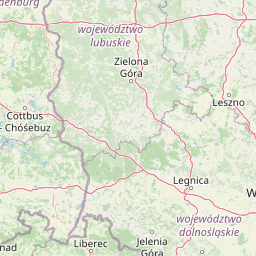
Use this park location map to pinpoint Jezioro Ratno Nature Reserve in Poland, understand its exact geographic position, and read its mapped placement within the surrounding landscape more clearly.

Pigeon | © OpenStreetMap contributors

Location context for Jezioro Ratno Nature Reserve

Lubusz Voivodeship
Park atlas

Compare surrounding lowland wetlands, glacial plains, and regional river valleys.

Other Parks and Protected Areas Near Rezerwat Przyrody Jezioro Ratno

Browse protected areas and wetland reserves located near Rezerwat przyrody Jezioro Ratno in the western Polish lowlands. Comparing adjacent natural habitats provides broader geographic context for post-glacial terrain and regional water networks.
Nature reserveLubusz Voivodeship
About 10 km away#1 closest

East

Mechowisko Kosobudki Nature Reserve: Mapped Peatland Landscapes and Wetland Geography

A diverse protected mire complex in Poland's Lubusz Voivodeship region.

Mechowisko Kosobudki Nature Reserve features a concentrated mosaic of four distinct peatland types shaped by the hydrology of the Pliszka River. This protected area provides a focused example of lowland wetland geography, supporting a high density of threatened plant species and diverse aquatic fauna within a compact, water-driven terrain in the heart of the Lubusz region.

Area
0.125 km²
Established
2017
Relief
Lowland
Scope
Terrestrial
Nature reserveLubusz Voivodeship
About 15 km away#2 closest

North

Rezerwat przyrody Dolina Ilanki II: Protected Peatland and River Valley Geography

A vital nature reserve within the Ilanka River corridor

Rezerwat przyrody Dolina Ilanki II represents a key ecological site in the Lubusz Voivodeship. Focused on the conservation of spring-fed mires and alder swamp forests, the reserve forms a critical part of the larger Ilanka valley habitat network. Discover the terrain characteristics and mapped extent of this protected lowland wetland.

Area
0.113 km²
Established
2017
Relief
Lowland
Scope
Terrestrial
Nature reserveLubusz Voivodeship
About 20 km away#3 closest

Southwest

Młodno Nature Reserve: Mapped Protected Peatland and Wetland Landscapes in Lubusz Voivodeship

Geographic analysis of lowland mire and pine forest mosaic

Examine the territorial footprint of Młodno Nature Reserve in western Poland. This site offers insight into deep-sediment organic basins and the ecological transition zones between marshland and pine-dominated woodlands within the Torzym Plain.

Area
0.929 km²
Established
1988
Relief
Lowland
Scope
Terrestrial
Watercolor painting showing a winding river through a wetland with trees and hills in the background.
Nature reserveLubusz Voivodeship
About 27 km away#4 closest

Northwest

Mokradła Sułowskie Nature Reserve: Mapping Wetland Protected Areas in Lubusz Voivodeship

A comprehensive geographic atlas of Polish peatland and forest marsh habitats

The Mokradła Sułowskie nature reserve protects a vital cluster of eutrophic lakes and waterlogged mires in western Poland. This atlas entry provides a detailed look at its unique landscape, where divided northern and southern sections showcase diverse stages of marshland succession and regional biodiversity within the broader Lubusz Voivodeship.

Area
0.451 km²
Established
1990
Water
Water-dominated
Nature reserveLubusz Voivodeship
About 29 km away#5 closest

South

Dębowiec Nature Reserve: Protected Forest Geography in the Lubusz Voivodeship of Western Poland

A faunistic nature reserve protecting ancient oak stands and saproxylic beetle habitats.

Dębowiec Nature Reserve is a designated faunistic site in Gmina Gubin that preserves an exceptional collection of veteran sessile oaks. Occupying a compact area within the Gubin Forest District, the reserve maintains a distinct acidic forest mosaic that supports rare invertebrate communities and diverse avian populations in the undulating terrain of western Poland.

Area
0.094 km²
Established
1984
Relief
Lowland
Scope
Terrestrial
Protected landscapePoland
About 34 km away#6 closest

Northwest

Park Krajobrazowy Ujście Warty: Protected Landscape and River Valley Atlas

Mapping wetland ecosystems and floodplain geography in western Poland

Park Krajobrazowy Ujście Warty preserves a significant lowland river valley landscape characterized by vast open pastures, marshes, and rare riparian oak forests. Located primarily within the Lubuskie region, this protected area offers a clear view into the floodplain processes of the Warta river basin, providing a distinct geographic context for wetland conservation and waterbird habitat mapping in Poland.

Area
194.96 km²
Established
1996
Relief
Lowland
Climate
Temperate
Nature reserveBrandenburg
About 35 km away#7 closest

Northwest

Fledermausquartier Brauereikeller Frankfurt (Oder) Nature Reserve and Protected Landscape

Urban bat conservation site in Brandenburg, Germany

The Fledermausquartier Brauereikeller Frankfurt (Oder) encompasses 1.34 hectares of protected land, centered on a historic brewery ruin that has become a vital habitat for hibernating bats. By leveraging specialized microclimates within brick cellars and maintaining a protective green buffer, the reserve functions as a landmark for urban wildlife preservation and transboundary conservation efforts in Brandenburg.

Area
0.013 km²
Established
2006
IUCN
IV
Relief
Lowland
Watercolor painting of a soft landscape featuring a calm, pale-pink reflective lake in the foreground and a layered, muted-green forest and hilly horizon in the background.
Nature reserveBrandenburg
About 35 km away#8 closest

West

Fauler See/Markendorfer Wald: Protected Nature Reserve and Woodland Geography

A forest and lake landscape in Brandenburg, Germany.

Fauler See/Markendorfer Wald functions as a key nature reserve within the outskirts of Frankfurt Oder. This 171 hectare protected area combines the Fauler See lake with the adjacent Markendorfer Wald, creating a dense woodland and wetland refuge. The terrain highlights how small scale lowland sites maintain ecological importance within busy regional transport environments.

Area
1.71 km²
Established
2003
IUCN
IV

Common questions about visiting, size, designation, and location context for Jezioro Ratno Nature Reserve

Jezioro Ratno Nature Reserve FAQs for park facts, access, geography, and protected area context

Find quick answers about Jezioro Ratno Nature Reserve, including protected-area facts, park geography, trail and visitor context, and how the park fits into its surrounding country and regional landscape.
MoriAtlas Explorer

Continue Your Protected Areas Search Across the Global Atlas

Deepen your exploration by continuing the structured search for national parks and protected areas worldwide. Utilize the comprehensive filtering capabilities to compare different conservation landscapes and refine your understanding of global park geography. Discover more about the distribution and characteristics of protected natural areas.

Global natural geography