Why Długosz Królewski Nature Reserve stands out
Długosz Królewski is best known for safeguarding the southernmost Polish population of the royal fern (Osmunda regalis), a large and visually striking fern species that has become rare across much of Central Europe. The reserve's identity is built around this single, ecologically meaningful botanical presence rather than around scenic or geological features. Its other notable botanical and ecological highlights include the presence of several additional protected plant species, such as lily of the valley, alder buckthorn, and bog rosemary. These species together indicate a moist, acidic, and relatively undisturbed forest habitat that supports both rare vascular plants and broader biodiversity, including birdlife protected under the Natura 2000 designation.
Długosz Królewski Nature Reserve history and protected-area timeline
Długosz Królewski was formally established as a nature reserve in 1963, with its founding purpose explicitly tied to the protection of one of Poland's rarest fern species. The reserve's creation came at a time when concern over declining populations of royal fern and other wetland-forest dependent plants was beginning to shape Polish conservation policy.
The legal basis for the reserve's protection was published in the official Polish legal gazette of 1963, formally giving the site its designated status. Since its establishment, the reserve has functioned as one of several dedicated small reserves within the larger Niepołomice Forest, each protecting a different facet of that forest's ecological character.
In later decades, the reserve became formally integrated into European conservation structures through inclusion, together with neighboring reserves such as Dębina, Gibiel, Lipówka, and Wiślisko Kobyle, into the Natura 2000 Puszcza Niepołomicka Special Protection Area for birds. This integration formalized the reserve's continued role within a wider ecological network linking site-level botanical protection with landscape-scale habitat and bird conservation.
Długosz Królewski Nature Reserve landscape and geographic character
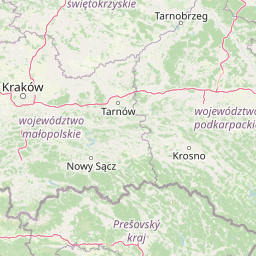
The reserve lies on the gently undulating terrain of the Podgórze Bocheńskie mesoregion, a transitional landscape between the Vistula lowlands and the foothills north of the Carpathian ranges. Within this broader setting, the small protected area occupies a forest interior governed by sandy substrate, groundwater influence, and long-term ecological stability associated with the surrounding Niepołomice Forest.
The local topography is flat to lightly rolling, shaped more by soil, drainage, and vegetation patterns than by dramatic relief. The reserve's most relevant physical feature is its moist forest floor and the micro-relief associated with damp depressions, drainage-influenced forest hollows, and the shaded conditions typical of mature deciduous-coniferous woodland. These conditions collectively support a habitat capable of sustaining the moisture-demanding royal fern and associated acidophilic plant communities.
Długosz Królewski Nature Reserve ecosystems, habitats, and plant life
Długosz Królewski protects a floristically rich microhabitat within the Niepołomice Forest complex, with a primary emphasis on rare vascular plants. The ecosystem is characterized by a damp to wet forest setting influenced by acidic soils, stable groundwater, and a shaded canopy that maintains consistent humidity throughout much of the year.
The plant community features the royal fern (Osmunda regalis) as its flagship species, accompanied by other protected flora such as lily of the valley, alder buckthorn, and bog rosemary. The combination of these species suggests a habitat gradient that ranges from typical mesophilic deciduous forest to boggy woodland fringe, providing ecological niches that are increasingly rare in lowland Central Europe.
Although the reserve is classified as floristic, its forest ecology supports a broader community of organisms through the Niepołomice Forest as a whole. The combination of mature trees, decaying wood, wet ground, and sheltered forest interior creates conditions favorable to a range of woodland-dependent species, including birds that benefit from the reserve's role as part of the Natura 2000 Puszcza Niepołomicka bird protection area.
Długosz Królewski Nature Reserve wildlife and species highlights
As a floristic reserve, Długosz Królewski places its strongest conservation focus on plant species rather than on specific animal populations. However, the habitat it protects contributes indirectly to the broader wildlife value of the Niepołomice Forest. The mature, humid woodland structure with elements of wet forest and bog edges provides habitat for forest-dwelling bird species, small mammals, and invertebrates associated with undisturbed deciduous-mixed forest.
The reserve's inclusion in the Natura 2000 project Puszcza Niepołomicka PLB120002, a designated Special Protection Area for birds, indicates that the broader Niepołomice Forest mosaic is recognized for important avifaunal values. While Długosz Królewski itself is small, the habitat it preserves contributes to the ecological continuity required by bird species that depend on the forest interior, wet forest patches, and connected canopy cover that the reserve helps to maintain.
Długosz Królewski Nature Reserve conservation status and protection priorities
Długosz Królewski holds clear botanical conservation significance as the protector of what is documented as the southernmost natural stand of royal fern in Poland. The reserve safeguards both the species and its supporting habitat against pressures such as forestry intensification, hydrological change, and direct disturbance, which have historically reduced populations of this fern elsewhere in Central Europe.
Its conservation role is enhanced through integration with neighboring reserves within the Niepołomice Forest, including Dębina, Gibiel, Lipówka, and Wiślisko Kobyle. Together, these reserves form a coordinated network of small protected sites within a single large forest complex, each contributing to a broader pattern of habitat protection. Their joint inclusion in the Natura 2000 Puszcza Niepołomicka Special Protection Area links the site's local flora-focused purpose to wider landscape-scale conservation priorities for both habitat integrity and birdlife.
Top sights and standout views in Długosz Królewski Nature Reserve
Długosz Królewski stands out as a botanically focused reserve protecting an exceptionally rare and geographically significant stand of royal fern at the southern edge of the species' documented Polish range. Its small footprint belies its disproportionate value for rare plant conservation in southern Poland. The reserve sits within the broader Niepołomice Forest, one of the most important lowland forest complexes in the country, and benefits from coordination with several neighboring reserves that share overlapping ecological themes.
Its defining qualities include the conservation of a unique fern population, the protection of a wet-forest and bog-edge habitat mosaic, and its role as an integrated component of a Natura 2000 bird protection area. These qualities together make the reserve a meaningful example of how small, targeted botanical reserves can play an important role within much larger, landscape-scale conservation strategies.