

Mori Atlas logo
National parkDrysdale River National Park

Browse the protected area boundaries and mapped landscape of this national park.

Drysdale River National Park: Western Australia National Park Geographic Context

Drysdale River National Park represents a significant protected landscape within Western Australia, offering users a clear geographic entry point for atlas-based exploration. As a designated national park, its mapped boundaries and natural terrain contribute to the regional geography of Australia. This detail page provides focused insight into Drysdale River National Park, enabling users to understand its placement within a broader map context and discover its protected area identity.

Kimberley regionWestern AustraliaRemote wildernessRiver gorgesWaterfallsTropical savanna

Drysdale River National Park

National park

Park overview

Structured park overview, official facts, and landscape profile for Drysdale River National Park

Drysdale River National Park park facts, protected area profile, and essential visitor context
Review the core facts for Drysdale River National Park, including designation, size, terrain, visitor scale, habitats, and operating context in one park-focused overview.

About Drysdale River National Park

Drysdale River National Park occupies a vast tract of remote Kimberley wilderness in northern Western Australia, established in September 1974 following recommendations from an Australian Academy of Science committee on National Parks formed in 1955. The park lies about 100 kilometers south of the remote Aboriginal community of Kalumburu and 150 kilometers west of the town of Wyndham, making it the largest and least accessible protected area in the Kimberley region. The reserve protects an extraordinary landscape of open woodland, deep gorges, towering cliffs, and the perennial watercourses of the Drysdale and Carson Rivers. Unlike many Australian national parks, Drysdale River remains genuinely remote and undeveloped, with no public road leading to its boundaries, no airstrip within the park, and no visitor facilities, marked walking trails, or ranger presence. Access requires permission from the Kalumburu Aboriginal Corporation and travel via the rough track from Carson River Station along Kalumburu Road. This extraordinary remoteness has preserved the park's wilderness character and ecological integrity, making it one of the most pristine large conservation areas in northern Australia.

Quick facts and research context for Drysdale River National Park

Located in the Kimberley region of northern Western Australia, Drysdale River National Park is the largest and most remote park in the area, with no public road access and no visitor facilities. The park features the Drysdale River with two major waterfalls, Morgan Falls and Solea Falls, along with numerous smaller falls. The area experiences a tropical savanna climate with a distinct wet season from November to mid-April and a long dry season from mid-April to October. The traditional owners of the land are the Ngarinjin, Miwa, and Wilawila peoples.

Park context

Deeper park guide and search-rich context for Drysdale River National Park

Drysdale River National Park history, landscape, wildlife, and travel context
Explore Drysdale River National Park through its history, landscape character, ecosystems, wildlife, conservation priorities, cultural context, and seasonal travel timing in a structured park guide built for atlas discovery and search intent.

Why Drysdale River National Park stands out

Drysdale River National Park is best known for its exceptional remoteness and pristine wilderness character, representing one of the most untouched landscapes in the Kimberley region. The park features two prominent waterfalls, Morgan Falls and Solea Falls, with numerous smaller cascades along the river's course. The deep gorges, dramatic cliffs, and permanent pools of the Drysdale River system create a striking landscape that remains largely unaltered by human development. The park's inaccessibility has preserved both its natural values and its cultural significance, with the area supporting nearly 600 plant species including approximately 25 fern species, two of which are found nowhere else on Earth.

Drysdale River National Park history and protected-area timeline

The human history of the Drysdale River area spans thousands of years of Indigenous occupation by the Ngarinjin, Miwa, and Wilawila peoples, whose traditional connections to the land continue to the present day. European exploration of the region began in 1886 when C.A. Burrowes, a surveyor with a squatting company, became the first non-Indigenous person to visit the area. Subsequent expeditions by Brockman and Crossland in 1901 further explored the region, though the area remained extremely remote and sparsely populated. The first vehicular track through the region was constructed during an expedition and survey in 1954, establishing a route from Gibb River Station to Kalumburu that would later provide the basis for access to the park. Following recommendations from the Australian Academy of Science committee on National Parks, the park was officially gazetted in September 1974, establishing formal protection for this remote wilderness area. The park's establishment reflected growing recognition of the need to preserve representative examples of Kimberley ecosystems and landscapes.

Drysdale River National Park landscape and geographic character

The landscape of Drysdale River National Park is defined by the rugged, ancient terrain characteristic of the Kimberley region. The park encompasses the valley of the Drysdale River, a perennial watercourse that cuts through the landscape creating deep gorges with towering cliff walls. The river system features permanent pools that persist even through the dry season, flanked by numerous smaller creeks and tributaries. The terrain supports open woodland vegetation across the plateaus and valleys, while the gorge walls and cliff faces create dramatic vertical relief throughout the park. Waterfalls are a prominent feature, with Morgan Falls and Solea Falls representing the two largest cascades, supplemented by numerous smaller falls that punctuate the river's course. The combination of ancient rock formations, steep gorges, seasonal waterfalls, and persistent river pools creates a landscape of exceptional visual diversity and wilderness character.

Drysdale River National Park ecosystems, habitats, and plant life

The ecological character of Drysdale River National Park reflects the Kimberley's unique position as a biodiversity hotspot in northern Australia. The park supports nearly 600 documented plant species, including approximately 30 aquatic and swamp varieties that inhabit the permanent pools along the Drysdale and Carson Rivers. Notably, about 25 species of fern have been recorded within the park, with two of these species found nowhere else in the world. The riparian zones along the watercourses support distinctive vegetation communities including fan palms, kalumbaru gums, and paperbarks that thrive in the moister microenvironments created by the river system. The combination of permanent water, diverse habitats from river pools to woodland ridges, and the protection afforded by the park's remoteness has allowed this ecosystem to persist largely unchanged.

Drysdale River National Park wildlife and species highlights

The wildlife community of Drysdale River National Park reflects the park's diverse habitats and the availability of permanent water throughout the year. Over 100 species of birds have been recorded within the park, making it an important area for avifauna in the Kimberley region. The mammal population includes sugar gliders, various bat species, and wallabies that inhabit the woodland and gorge environments. The permanent river pools support populations of salt water crocodiles, which are a characteristic feature of northern Australian freshwater systems. The park's mix of riparian habitats, woodland areas, and cliff environments provides shelter and foraging resources for this diverse faunal community, though the remote nature of the park means that many species remain poorly documented compared to more accessible conservation areas.

Drysdale River National Park conservation status and protection priorities

Drysdale River National Park represents one of the most significant conservation areas in the Kimberley region due to its large size, exceptional remoteness, and relatively unmodified ecosystem. The park protects representative examples of Kimberley open woodland, gorge, and river systems that have been less impacted by pastoral development than many other parts of the region. The protection of the Drysdale River system is particularly important given the permanent water sources that support specialized aquatic and riparian species, including the numerous endemic plant species that depend on these unique habitats. The park's status as a wilderness area with minimal infrastructure and no public access roads has helped preserve its ecological integrity, though this remoteness also presents challenges for management and monitoring.

Drysdale River National Park cultural meaning and human context

The lands encompassed by Drysdale River National Park hold deep cultural significance for the Ngarinjin, Miwa, and Wilawila peoples, who maintain traditional ownership and ongoing connections to the area. The river system and its permanent waterholes have likely been important locations for Indigenous communities for thousands of years, providing resources and cultural meaning that continue today. The requirement for permission from the Kalumburu Aboriginal Corporation before entering the park reflects the continued recognition of Indigenous rights and interests in the management of this country. The relationship between the traditional owners and the park's management reflects broader developments in Australian conservation that increasingly recognize the importance of Indigenous involvement in land management and the value of traditional ecological knowledge.

Top sights and standout views in Drysdale River National Park

The defining highlights of Drysdale River National Park are its extraordinary remoteness and the dramatic landscapes preserved within its boundaries. The two major waterfalls, Morgan Falls and Solea Falls, represent significant scenic features along the Drysdale River, while the deep gorges and towering cliffs create a landscape of considerable visual impact. The park's status as the largest and least accessible protected area in the Kimberley means that visitors who do reach this remote destination experience a wilderness essentially untouched by modern development. The permanent river pools, some of which support salt water crocodiles, add both ecological interest and a sense of pristine natural systems continuing unchanged. Nearly 600 plant species, including globally significant ferns, underscore the park's botanical importance.

Best time to visit Drysdale River National Park

The optimal time to visit Drysdale River National Park is during the dry season from mid-April to October, when conditions are most suitable for exploring this remote area. During the dry season, the park experiences warm to hot daytime temperatures, minimal rainfall, and generally clear conditions that make travel through the region more feasible. The wet season from November to mid-April brings significant rainfall that can make access difficult or impossible, with the landscape transformed by flowing waterfalls and full river channels but with reduced accessibility. The dry season also offers more comfortable conditions for camping and outdoor activities, though visitors should be prepared for the park's lack of facilities and the need for self-sufficiency. The extreme temperatures range from lows around 1.6 degrees Celsius in August to highs reaching 44 degrees Celsius in October, meaning that mid-dry season months typically offer the most temperate conditions for exploration.
Park location guide

Geography guide, regional context, and park location map for Drysdale River National Park

Drysdale River National Park park geography, regions, and map view in Australia
Understand where Drysdale River National Park sits in Australia through a broader geographic reading of the surrounding landscape, nearby location context, and its mapped position within the national park landscape.

How Drysdale River National Park fits into Australia

Australia is a constitutional monarchy and federal parliamentary democracy comprising six states and ten territories. With a population of nearly 28 million, it is one of the world's most urbanised countries, with most people concentrated on the eastern seaboard. The country has a high Human Development Index and is known for its cultural diversity, ancient Aboriginal heritage, and unique wildlife.

Wider geography shaping Drysdale River National Park in Australia

Australia occupies the entire Australian continent, the island of Tasmania, and numerous smaller islands. It is the world's flattest and driest inhabited continent, featuring vast deserts in the interior (the Outback), tropical rainforests along the eastern coast, and a coastline bordering the Indian and Pacific Oceans.

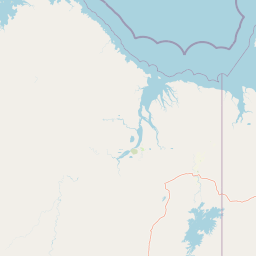
Map view of Drysdale River National Park

Use this park location map to pinpoint Drysdale River National Park in Australia, understand its exact geographic position, and read its mapped placement within the surrounding landscape more clearly.

Pigeon | © OpenStreetMap contributors

Location context for Drysdale River National Park

Western Australia
Park atlas

Trace the regional geography of Western Australia's remote Kimberley, comparing vast protected landscapes and river systems.

Discover More Protected Areas Near Drysdale River National Park, Kimberley Region
After exploring Drysdale River National Park, continue discovering other protected areas and national parks within Western Australia's expansive Kimberley region. Compare mapped park geography to understand the regional spread of river gorges, ancient landscapes, and diverse wilderness systems across Northern Australia.
National parkWestern Australia

Lawley River National Park: A Protected National Park in Western Australia's Geography

Understanding its landscape and mapped boundaries.

Lawley River National Park is a designated national park offering a focused exploration of its protected landscape and geographic identity within Western Australia. This entry provides structured details essential for understanding the park's mapped boundaries and its role in the regional conservation atlas. Examine the park's specific geographic context and its significance as a protected natural area without requiring travel logistics or visitor advice.

Area
175.72 km²
Established
2000
Access
Highly restricted
Scope
Terrestrial
National parkWestern Australia

Mitchell River National Park: Western Australia's Iconic National Park Landscape

Explore its mapped terrain and protected area boundaries.

Mitchell River National Park is a key protected landscape within Western Australia, encompassing the dramatic topography of the Mitchell Plateau. Known for its iconic four-tiered Mitchell Falls and extensive sandstone gorges, the park is a vital site for understanding regional biodiversity and Indigenous heritage. Its mapped boundaries define a sanctuary of ancient rock art and unique ecosystems, making it a crucial entity for geographic exploration.

Area
1,153.25 km²
Established
2000
IUCN
II
Relief
Highland
National parkKimberley

Niiwalarra Islands National Park: Protected Area and Kimberley Geography Explorer

Mapped landscape context for this Australian national park.

Gain a comprehensive atlas-style understanding of Niiwalarra Islands National Park, a designated national park situated in Australia's Kimberley region. This dedicated page provides insight into its protected landscape, its precise geographic boundaries as mapped within the region, and its overall significance as a natural area. Explore the structured geographic data that defines this park's identity and its unique place in the Australian atlas.

Area
33.52 km²
Established
2019
IUCN
Ia
Scope
Mixed
National parkWestern Australia

Prince Regent National Park: Protected Landscape and Geographic Context in Western Australia

Explore mapped boundaries of this Western Australian national park.

Prince Regent National Park represents a distinct protected area within the expansive territory of Western Australia. This national park serves as a focal point for understanding regional geography and mapped landscape features. Users can explore its specific park boundaries and discover its contribution to the atlas of Western Australia's natural heritage, offering a deep dive into its protected status and geographic placement.

Area
5,764 km²
Established
1964
IUCN
II
Relief
Mountain
National parkWestern Australia

Windjana Gorge National Park: Ancient Devonian Reef Gorge Landscape Exploration

Explore mapped geography and fossil-rich sandstone formations.

Windjana Gorge National Park offers an unparalleled opportunity to explore a protected landscape defined by its ancient Devonian reef origins. Situated in Western Australia, this national park protects a dramatic gorge carved through fossil-rich sandstone, revealing a 375-million-year-old geological past. Examine the mapped park boundaries and the unique contours of this ancient reef system, providing crucial context for understanding the natural history and landscape evolution of the Kimberley region.

Area
20.5 km²
Established
1971
IUCN
II
Relief
Lowland
National parkWestern Australia

Purnululu National Park: National Park Atlas and Mapped Protected Landscape

Explore Western Australia's Purnululu National Park geography.

Gain a structured atlas-style understanding of Purnululu National Park, a key protected area in Western Australia. This page details the park's geographic identity, its role as a national park, and its relationship to the surrounding regional landscapes. Engage with mapped park boundaries and factual context to appreciate its place in the broader Australian conservation geography.

Area
2,397.23 km²
Established
1987
IUCN
II
Relief
Mountain
National parkWestern Australia

Bunuba National Park National Park: Mapped Protected Landscape and Regional Geography in Western Australia

Explore its protected land, geographic spread, and mapped boundaries.

Bunuba National Park is a protected area designated as a national park, situated in the vast region of Western Australia. This entry facilitates discovery of its mapped boundaries and the surrounding natural landscape, offering a specific geographic context. Understand how this protected land contributes to the regional atlas of Western Australia, providing a factual representation of its protected area status and landscape character for geographic exploration.

Area
2,200 km²
Established
2023
Scope
Terrestrial
Water
Major water bodies
National parkWestern Australia

Tunnel Creek National Park: Ancient Devonian Reef Caves and Aboriginal Heritage

Discover Western Australia's ancient geological and cultural protected landscape.

Tunnel Creek National Park offers a unique glimpse into geological time and Aboriginal heritage, centered on an ancient underground river flowing through the Napier Range. This National Park features one of Western Australia's oldest cave systems, carved from fossilized Devonian reef limestone dating back 350 million years. Explore the remarkable 750-meter cave tunnel, marvel at its speleothems, and appreciate the significant rock art that tells stories of its cultural past. The park's protected status safeguards this extraordinary geological formation and its historical narratives for continued exploration.

Area
0.91 km²
Established
1992
IUCN
II
Relief
Upland

Common questions about visiting, size, designation, and location context for Drysdale River National Park

Drysdale River National Park FAQs for park facts, access, geography, and protected area context
Find quick answers about Drysdale River National Park, including protected-area facts, park geography, trail and visitor context, and how the park fits into its surrounding country and regional landscape.
MoriAtlas Explorer

Continue Your Protected Areas Search Across the Global Atlas

Deepen your exploration by continuing the structured search for national parks and protected areas worldwide. Utilize the comprehensive filtering capabilities to compare different conservation landscapes and refine your understanding of global park geography. Discover more about the distribution and characteristics of protected natural areas.

Global natural geography