
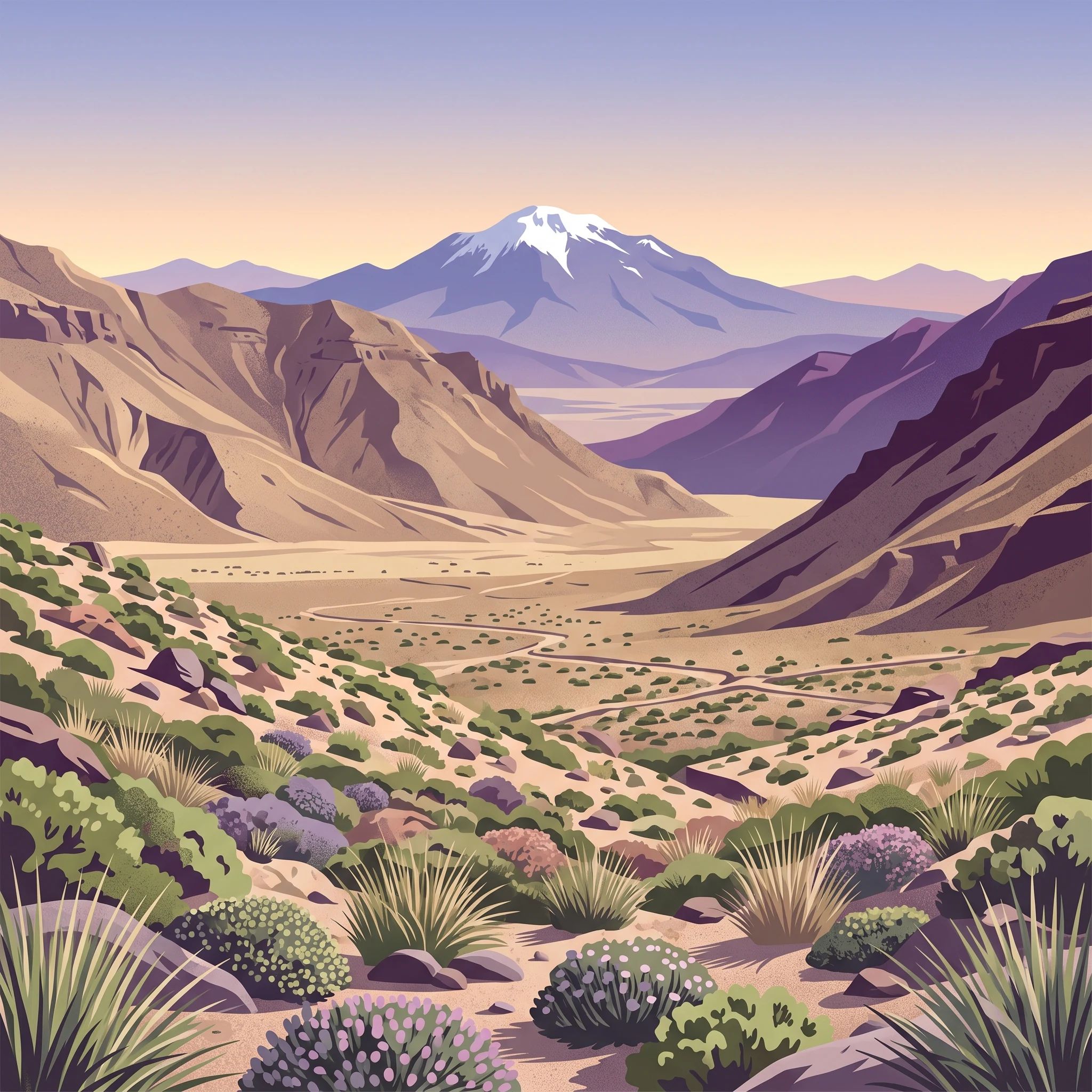
Trip Timing Basics
When is the Best Time to Visit El Leoncito National Park
Determining the best time to visit El Leoncito National Park depends on whether your priority is daytime hiking comfort or the pursuit of pristine astronomical observation conditions. Because this protected area spans high-altitude Puna and Andean steppe environments, the climate is characterized by significant diurnal temperature shifts. While the summer months from November through March offer the most hospitable daytime temperatures for exploring the park’s rugged terrain, visitors must balance these warmer hours against the reality that the park’s primary claim to fame, its world-class stargazing, remains a constant draw throughout the entire year.
The Trade-off Between Warmth and Visibility
Most travelers find the period between late spring and early autumn most accessible for daytime activities. During these months, average daily highs climb to the mid-twenties Celsius, providing pleasant conditions for navigating the trails that connect to the park’s historical Inca road segments. Conversely, if you prioritize maximum darkness and the specific atmospheric stability required for astronomical research or photography, you may find the colder winter months equally compelling. Although nighttime temperatures during the winter reach extreme lows that demand specialized equipment and careful preparation, the atmospheric clarity during this time is exceptional. Because the park maintains roughly 300 days of cloudless skies annually, the weather does not act as a binary filter that shuts off access to the heavens, but it does fundamentally alter the physical experience of being on the mountain.
Environmental Factors Influencing Your Visit
Beyond simple temperature fluctuations, two environmental factors shape the timing of your visit: the intense solar radiation at these elevations and the potential for persistent winds. Regardless of the month, the high altitude means that ultraviolet exposure is significant, and the arid nature of the landscape,which receives only about 200 millimeters of rainfall annually,means that surface moisture is rarely a concern. Instead, you are more likely to contend with the dryness of the air. The interaction between these dry conditions and the varying daylight hours creates distinct phases in the year. In the peak of summer, daylight stretches to over 14 hours, offering ample time for exploration, whereas in June and July, that period shortens, forcing a more compressed window for outdoor activity. Your decision should ultimately rest on your threshold for cold-weather camping versus your desire for longer, warmer daylight hours, knowing that the park’s core atmospheric excellence remains a persistent, year-round feature of the landscape.
Trip Timing
Best Months to Visit El Leoncito National Park: A Seasonal Comparison
Peak Thermal Comfort: November through March
For most travelers, the period from November to March offers the most accessible conditions for daytime exploration. During these months, the high-altitude terrain experiences its warmest temperatures, with daily maximums averaging between 25 and 28 degrees Celsius. This window provides the longest daylight hours, peaking in December with over 14 hours of sunlight. These conditions make hiking and site-seeing within the park significantly more comfortable, as the intense cold that defines the regional climate is moderated. However, the trade-off during this summer period is a slight increase in humidity and the natural variability of high-altitude precipitation, which, while minimal, remains highest during these months. Travelers planning around these months should prioritize sun protection and hydration, as the clear, thin atmosphere at nearly 2800 meters intensifies solar exposure even when temperatures feel pleasant.
Optimized Stargazing: The Clear-Sky Window
If your primary motivation for visiting is the park's world-class astronomical research facilities and nocturnal viewing, the best approach is to shift your focus toward the cooler, drier months. While summer offers warmth, the late autumn and winter transition from April through September features the most reliably stable, cloud-free conditions. During these months, relative humidity drops significantly, often falling below 40 percent, which contributes to the legendary atmospheric clarity that makes the area a hub for professional observatories. You will face substantially colder nights, with average minimums frequently plunging well below freezing from May through August. This period demands specialized cold-weather gear and an acceptance of short daylight hours, which bottom out at under 10 hours in June and July. The advantage is an experience of the Andean night sky that is rarely matched elsewhere, provided you are prepared for the significant temperature drop once the sun sets.
Navigating the Shoulder Seasons
Transitions in April and October present a compromise for those who want to avoid the peak heat of summer and the extreme sub-zero depths of winter. In April, the park begins to shed the remnants of summer warmth, with daytime highs still reaching into the low 20s, yet nights become decidedly crisp as the mean temperature begins its steady decline. October offers the reverse experience, as the land begins to warm after the winter, providing a refreshing period for those who prefer cool-but-not-frigid daytime activities. These shoulder months are often characterized by stable wind conditions and less cloud cover than the height of summer, making them a strategic middle ground for visitors who intend to balance diverse activities like daytime photography and evening stargazing. Always verify current weather patterns close to your departure, as the high elevation means mountain conditions can shift rapidly regardless of seasonal averages.
Climate Profile
Monthly Temperature, Precipitation, and Daylight at El Leoncito National Park
Understanding the climate at El Leoncito National Park requires navigating the realities of a high-altitude Andean environment where extreme daily fluctuations are more characteristic than seasonal consistency. At an elevation of roughly 2,755 meters, the park operates on a system defined by its significant aridity, intense solar exposure, and the stark contrast between daytime warmth and nocturnal plummeting temperatures. These measurements reflect long-term climate normals rather than daily forecasts, and they should be viewed as a guide for typical expected conditions rather than a guarantee for any specific trip.
Thermal Dynamics and Diurnal Range
The most critical aspect of the park climate is the extreme diurnal temperature range. Even during the warmest months of January and December, when daytime maximums regularly climb into the high 20s Celsius, nighttime temperatures often hover near or below freezing. This inversion is consistent throughout the year. Visitors may experience a comfortable afternoon under the sun, yet find the environment requires heavy thermal layers immediately upon sunset. During the winter months of June and July, the cold is pervasive, with average minimums regularly dropping below minus 10 degrees Celsius, requiring careful preparation for even brief periods outdoors.
Aridity and Precipitation Patterns
El Leoncito is characterized by exceptionally low moisture levels. Annual precipitation is minimal, concentrated primarily during the summer months when sporadic, localized events may occur. Outside of these infrequent occurrences, the air remains remarkably dry. This low humidity, combined with the high altitude, is precisely what creates the stable atmospheric conditions favored by astronomical research. Because the humidity levels remain consistently low year-round, travelers often find that the physical sensation of the air feels very different from temperate low-altitude environments. Dehydration can occur rapidly due to this dryness, even if ambient temperatures feel moderate.
Wind and Atmospheric Clarity
The wind patterns at the park contribute to both the cooling effect of the landscape and the consistent clearing of the sky. While wind speeds show some variation, they are a constant feature of the high-altitude steppe and Puna ecosystems. Increased wind activity is often felt during the cooler months, which can significantly lower the perceived temperature, turning a sunny afternoon into a biting experience if you are stationary. Conversely, the persistence of these winds helps maintain the atmospheric transparency that is so vital to the park reputation for stargazing. When planning a visit, it is essential to remember that even on the clearest days, the wind can alter how the weather feels on the ground, making layers a non-negotiable part of your gear.
Daylight and Seasonal Cycles
Daylight hours follow the expected solar cycle for this latitude in the Southern Hemisphere, with the longest days occurring around December and the shortest in June. The transition between these periods is gradual, providing predictable changes in the amount of time available for outdoor activities. From a climate perspective, the interplay between daylight and temperature is predictable: longer days allow for more sustained heating of the terrain, while the shorter winter days leave the ground cold and allow for faster radiative cooling after sunset. These climate patterns underscore the importance of managing your daily schedule to align with the period of highest solar warmth, typically mid-afternoon, before the rapid drop in temperature occurs as the sun dips behind the Andes peaks.
Seasonal Weather Cycles
Annual Weather Patterns and Seasonal Transitions in El Leoncito National Park
The Thermal Summer Period: November to March
Visitors often perceive this interval as the park's primary season due to its alignment with regional summer. During these months, the high-altitude terrain experiences its most manageable thermal conditions. Daytime maximums frequently reach the mid-to-high 20s Celsius, providing a brief window where exploration does not require heavy winter insulation. This is the period of greatest biological and human activity within the protected areas, characterized by longer daylight hours exceeding 13 hours per day. While these months see the highest levels of annual precipitation, the total volume remains extremely low in this arid steppe environment. Travelers should expect the most temperate weather here, though the extreme diurnal shifts remain a defining factor of the high-altitude climate. Even in the peak of January or February, nighttime temperatures frequently drop significantly, requiring careful preparation regardless of the pleasant afternoon warmth.
The Arid Cooling Transition: April and October
The shoulder months of April and October serve as distinct transitional windows where the park shifts between thermal regimes. April represents the cooling phase as the park moves away from the summer heat toward the biting temperatures of mid-winter. You will notice a steady decrease in average temperatures, with nighttime lows beginning a rapid descent into the negative Celsius range. Conversely, October signals the warming return. These months are characterized by increased atmospheric stability and some of the lowest monthly precipitation averages of the year. For visitors, this translates to predictable weather patterns, making these months ideal for those who prefer to avoid the intensity of mid-summer heat while still retaining enough daylight for extensive daytime activity. The primary environmental change during these transitions is the hardening of the ground and the intensifying wind patterns that precede the onset of winter.
The Winter Stargazing Core: May to September
From May through September, the park enters its most stable phase regarding atmospheric clarity and low humidity, conditions that have solidified its status as an international site for professional astronomy. While these months are technically the winter season, they are defined by a lack of precipitation and a prevalence of intense, clear, and cold conditions. Daytime highs rarely push past the upper teens, and nighttime minimums often plummet well below -10 degrees Celsius. Visitors during this time must prioritize thermal protection. The significantly shortened daylight,dropping to just under 10 hours in June,compresses the window for hiking or exploring the rugged Andean terrain. The environmental focus shifts from broad landscape exploration to the specialized quiet of the high-desert winter, where the extreme clarity of the night sky becomes the primary feature of the visitor experience. This period is not defined by snow accumulation in the same way as lower-latitude mountain ranges, but rather by the biting, desiccating cold and the dominance of the wind.
Seasonal Experiences
Experiencing the Andean Puna and Astronomical Skies Throughout the Year
Visiting El Leoncito National Park requires aligning specific activity interests with the park's distinct environmental rhythm. While astronomical observation is the primary draw, the timing of your visit significantly alters the physical experience of hiking or exploring the arid terrain.
Seasonal Considerations for Astronomical Observation
Because El Leoncito is world-renowned for its clear skies, the opportunity to observe the cosmos is a year-round possibility. However, the experience of visiting an observatory changes based on the season. During the colder months, from May through September, the lower humidity and lack of cloud cover create some of the most stable atmospheric conditions for astronomical research. While these months offer unparalleled visibility for the night sky, visitors must prepare for extreme cold, particularly after sunset when temperatures drop significantly. Observing at night during these months requires heavy cold-weather gear to remain comfortable while at the mountain observatories. In contrast, the summer months offer milder nights, though you should verify current observatory schedules and night-visit protocols, as these operations may vary based on research needs or staffing.
Hiking the Puna and Andean Foothills
The park offers several trails that range from accessible nature walks to demanding mountain ascents. The Cascada del Rincon and Water Landscape trails are popular choices that remain generally accessible throughout the year. For these shorter walks, the shoulder months of April and October provide a balance of moderate daytime temperatures that are ideal for physical activity. If you plan to tackle the more challenging ascent of the Cerro El Leoncito trail, the milder temperatures of November or March are often preferred, as the ascent involves significant elevation gain and physical exertion. During the mid-summer peak in January and February, midday sun on the exposed high-altitude slopes can be intense, making early morning or late afternoon the only reasonable times for strenuous movement. Conversely, winter hiking is dictated by the potential for high winds, which can be more frequent in the cooler months, significantly increasing the wind chill on exposed slopes.
Engaging with the Pampa El Leoncito
The vast, flat Pampa El Leoncito provides a unique venue for land sailing. This activity relies entirely on the presence of steady, reliable wind conditions. While wind is a consistent feature of the park, the experience of traversing the dry, featureless landscape can be quite different depending on when you go. The landscape is most accessible when the ground is dry, which is generally supported by the low precipitation averages throughout the year. When planning for outdoor sports, prioritize months with consistent daylight hours, such as November and December, which provide more time for exploration before sunset. Always verify current park conditions and local regulations before attempting specific activities, as the use of the Pampa and trail access can be influenced by environmental management policies.
Visitor Priorities
Choosing the Best Time to Visit El Leoncito National Park Based on Travel Goals
Balancing Daytime Hiking Comfort with Nocturnal Clarity
Visitors prioritising outdoor movement, such as walking the park's trails or exploring the Andean steppe, should target the transition periods between October and November or March and April. During these months, the daytime temperatures are generally more moderate than the height of summer, reducing the heat-related fatigue often associated with arid, high-altitude environments. While daytime highs during this time remain pleasant, you must be prepared for the dramatic temperature drops that occur immediately after sunset, a defining characteristic of this region regardless of the season. The trade-off is that these months represent a middle ground, offering neither the absolute warmth of midsummer nor the most stable, cloud-free nights of the deep winter months.
Prioritising Maximum Astronomical Visibility
If your primary goal is stargazing or visiting the observatories, the window between May and September is supported by climate patterns showing the lowest humidity and the most consistent conditions for clear, night-time skies. During this period, the park experiences its most significant cooling, with average daily minimums often dipping well below freezing. Travellers choosing these months to secure the best possible astronomical experience must accept the necessity of heavy-duty winter gear and the limited duration of daytime warmth. While the daytime maximums can still reach into the high teens during August and September, the persistent cold, coupled with the potential for increased wind speeds during these months, makes this window significantly more demanding than any other time of year.
Managing Daylight and Thermal Exposure
For those seeking longer days for exploration, the period spanning November through February provides the most daylight hours, peaking in December. These summer months offer the most reliable warmth, making it the most comfortable time for visitors who prefer to avoid the intense cold of the Andean winter. However, the compromise for this thermal comfort is the increased potential for cloud cover compared to the drier winter cycle, although the climate remains remarkably arid throughout the year. If you choose this period for the longer daylight, you should remain flexible with your expectations for night-time observations, as the atmospheric clarity, while still excellent by global standards, may be subject to the minor variability typical of the warmer summer season. Regardless of your chosen priority, the diurnal temperature range,the massive gap between the day's high and night's low,remains the most important factor in your packing and planning, as it requires you to be equipped for two different seasons within a single twenty-four hour period.
Access & Logistics
Seasonal Access and Practical Planning for El Leoncito National Park
Navigating Access to the Park and Its Surroundings
Planning a visit to El Leoncito requires an understanding of the region's geography and the distinction between the park itself and its primary gateway, Barreal. While the park is a protected national area, it is not a remote wilderness without a clear route for arrival. Most visitors approach via Provincial Route 149, which connects the town of Barreal to the Uspallata area. This route passes the scenic Pampa El Leoncito salt flats, a landmark that serves as a vital navigational reference point. Travelers should verify the current conditions of this provincial road before setting out, particularly during periods of unusual weather, as local authorities may occasionally restrict access due to road maintenance or unforeseen environmental events.
Practical Transport Considerations
Public transit to the park is limited and requires careful pre-trip coordination. For those relying on bus travel, the El Triunfo service connects the city of San Juan to Barreal. Because these buses operate on fixed, limited schedules, travelers must confirm the departure times and availability well in advance of their trip. Once in Barreal, which sits roughly 35 kilometers from the park, there is no direct public transit to the visitor center. Visitors typically arrange for a taxi or private vehicle transfer from the town. Given these logistical requirements, those traveling without a private vehicle should build extra time into their itinerary to manage the transfer in Barreal, as taxi availability can fluctuate based on local demand.
Verifying Operational Status and Regulations
While the park remains open for visitors throughout the year, specific operational aspects, such as visitor center hours, guided tour availability, or regulations regarding stargazing and observatory access, are subject to change. Authorities may adjust these rules based on management priorities or ongoing research needs. It is essential to consult the official website or contact the park administration directly before finalizing travel dates to confirm the current entry requirements and the status of any on-site facilities. Relying on outdated travel blogs or historical reports can lead to confusion, as the administrative rules for protected areas in Argentina are updated periodically to ensure both visitor safety and the preservation of the Andean Puna and Southern Andean steppe ecosystems. Always check for current park alerts, as these provide the most accurate information regarding potential temporary closures or changes in visitor access policies.
Safety and Preparation
Weather, Safety, and Essential Preparation for El Leoncito National Park
Preparing for High Altitude Diurnal Variability
Visitors to the park must anticipate significant temperature swings between daytime highs and nighttime lows, regardless of the season. At an elevation of approximately 2755 meters, the atmosphere is thin and dry, causing rapid cooling once the sun descends. Even during the warmer summer months from November through March, when daytime maximums often exceed 25 degrees Celsius, overnight temperatures can dip near or below freezing. This cycle demands a layering strategy that allows for quick adjustments, ensuring comfort during midday sun and protection during the stark cold of early mornings and evenings.
Managing Exposure and Wind Conditions
The park environment is characterized by high levels of solar radiation and persistent wind, both of which fluctuate in intensity throughout the year. Because the landscape provides limited natural shade in many areas, protecting skin and eyes from intense UV exposure is a primary consideration for any outdoor excursion. Wind conditions are a constant factor, with higher averages observed during the colder winter months. These winds can significantly lower the perceived temperature, making exposed skin feel much colder than the ambient temperature suggests. Travelers should carry wind-resistant outer layers to maintain core warmth during periods of observation or transit through the high-altitude steppe.
Seasonal Safety and Situational Awareness
Safety at the park relies on understanding how the environment changes between seasons rather than adhering to a static set of rules. During the colder stargazing months from May through September, the risk of cold-related stress increases due to the extreme nighttime lows that routinely drop below negative 10 degrees Celsius. In these months, your preparation must prioritize high-quality insulation and the ability to operate equipment with cold-numbed fingers. Conversely, the summer months bring the heat of the sun, necessitating consistent hydration and sun protection to mitigate the effects of the thin, arid mountain air.
Always verify current local conditions before your arrival. While seasonal patterns provide a baseline for your packing, they cannot predict the specific weather on the day of your visit. Official alerts from park authorities regarding wind advisories, road conditions on the route from Barreal, or temporary trail closures take precedence over general seasonal advice. Before setting out, check the latest weather forecasts for the Calingasta region and confirm any access requirements or safety warnings posted by the park administration. Being flexible with your plans is essential, as the high-altitude Andean environment requires prioritizing safety over specific timing if weather systems turn unfavorable.
Planning Support
Deciding the Ideal Time for Your El Leoncito National Park Visit
Choosing Your Window for Andean Exploration
Selecting the right time to visit this park requires a personal evaluation of your primary objectives. Because the park serves dual roles as a high-altitude wilderness destination and a premier site for astronomical research, the climate conditions that favor one interest often contrast with those of the other. By understanding how the park environment shifts between the warmer months and the clearer, colder winter core, you can identify the window that aligns best with your expectations for terrain exploration and night sky viewing.
Weighing Thermal Comfort Against Astronomical Clarity
The most significant trade-off involves temperature versus visibility. If your goal is to traverse the Andean Puna or explore the steppe environment during daylight hours with greater thermal ease, the period from November through March provides the most moderate daytime highs. These months benefit from longer daylight hours and temperatures that rarely drop to the extreme negative figures seen in mid-winter. However, visitors prioritizing the world-class astronomical conditions should look toward the cooler, drier months between May and September. While these months bring significant nighttime cold and lower average daytime temperatures, they offer the most consistent sky clarity and lowest humidity, which are essential for those visiting specifically to utilize or appreciate the local observatory facilities.
Applying a Decision Framework
To decide on your travel dates, consider these three priority pathways:
- For hiking and general exploration, focus on the shoulder months of April and October or the warmer summer window. These periods offer the best balance of daylight duration and daytime heat, making it easier to manage the high-altitude environment without the intense cold of the winter cycle.
- For specialized interest in stargazing or night sky photography, the months of May through September are unmatched. You must be prepared for extreme diurnal temperature shifts where daytime mildness gives way to sub-zero nighttime conditions, requiring specific equipment and layering strategies.
- For those seeking to avoid the peak heat and the potential for increased summer cloud cover, the transitional spring and autumn months provide a moderate middle ground, though with shorter daylight than the height of summer.
Ultimately, no single month provides a perfect experience for every traveler. The climate at this elevation is characterized by persistent wind, intense UV exposure, and rapid shifts in temperature regardless of the season. Before finalizing your plans, always verify current operating status, park alerts, and real-time weather forecasts. Official sources remain the only way to confirm access and conditions, as long-term climate normals serve only as a guide for what to expect rather than a guarantee of the weather you will encounter on any given day.