
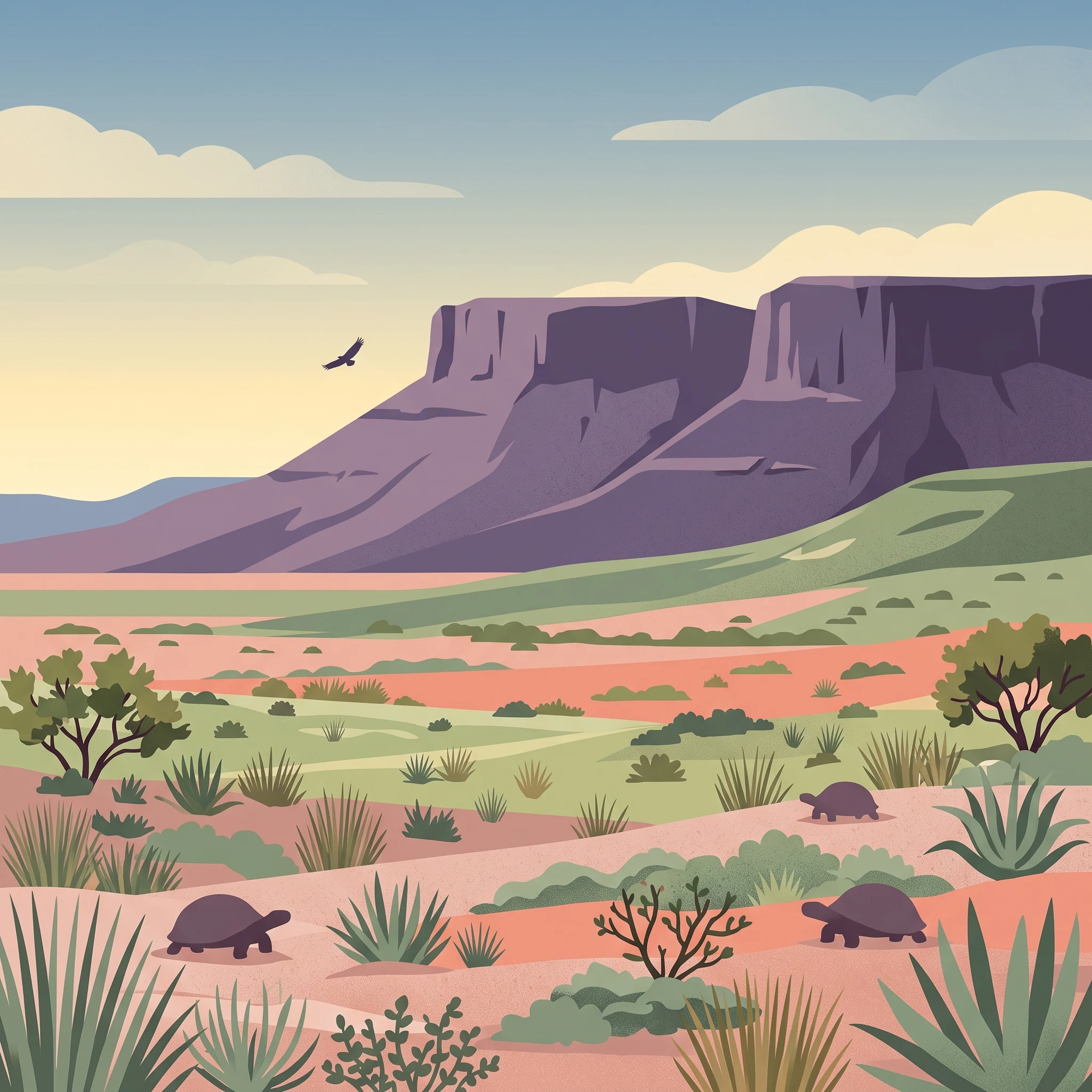
Trip Timing Orientation
When to visit Karoo National Park: The essential seasonal trade-offs
Determining the best time to visit Karoo National Park requires balancing your personal tolerance for extreme temperature fluctuations against the specific wildlife viewing conditions of this semi-arid landscape. Because the park is situated within the Great Karoo, it experiences dramatic climate shifts where daytime highs can frequently exceed 38 degrees Celsius during summer months, yet winter nights often drop below freezing. Consequently, the ideal period for your trip is not a single month, but rather a seasonal window that aligns with your preferred balance of daytime comfort and potential wildlife activity.
The Impact of Extreme Thermal Ranges on Wildlife and Hiking
For many travelers, the most significant factor influencing trip timing is the pronounced seasonal temperature swing. In the peak of summer, from December through February, the intense heat can be a limiting factor for outdoor activities. Midday temperatures regularly climb above 40 degrees Celsius, which makes strenuous hiking or extended periods outside of a vehicle challenging. However, this warmth is also a defining feature of the park's desert-like ecosystem, influencing the behavior of the resident fauna. During cooler, transition months such as April, May, September, and October, the climate is generally more forgiving. These months provide a more stable environment for exploring the dramatic escarpment and the Klipspringer Pass without the taxing effects of the mid-summer sun.
Balancing Escarpment Elevation and Landscape Exposure
The park’s topography, which transitions from the Lower Karoo plains to the Upper Karoo plateau, adds another layer to your planning. Higher elevations on the plateau offer a different micro-climate compared to the valley floors. When you are assessing when to visit, remember that the escarpment cliffs and flat-topped hills can experience significant wind exposure, especially during late winter and early spring. This wind can make the already low temperatures feel colder, impacting how you prepare for early morning game drives or sunset viewings at the Rooivalle View Point. Conversely, the open nature of the plains means there is very little natural shade, so the timing of your visit must account for the high levels of solar radiation during the daylight hours, regardless of the season.
Seasonal Trade-offs in Experience
Your choice of timing creates a natural trade-off between heat and crowd levels, or between cooler weather and the need for warmer layers. Visiting during the shoulder seasons allows you to enjoy the park's characteristic stark beauty and search for its rare tortoise species and reintroduced quaggas with greater physical comfort. If you prioritize birdwatching, particularly for the Verreaux's eagles that inhabit the escarpment cliffs, the transition periods often yield better atmospheric stability. By identifying whether you prefer the endurance-testing heat of summer or the crisp, cold clarity of winter mornings, you can effectively narrow your travel window before diving into the specific monthly climate normals that dictate day-to-day operations.
Seasonal Planning
Best Months to Visit Karoo National Park at a Glance
Spring and Autumn: The Moderate Window
For visitors prioritizing comfortable hiking and outdoor activity, the transition months of April, May, September, and October provide the most balanced experience. During these periods, daytime maximum temperatures typically hover between 29°C and 36°C, which, while still warm by many standards, avoids the intense solar radiation found in the heart of summer. Spring, particularly September and October, offers the advantage of increasing daylight hours for morning wildlife drives, while April and May provide crisp, clear conditions ideal for navigating the Klipspringer Pass or exploring the plateaus. The trade-off during these shoulder months involves a sharper drop in temperature after sunset, requiring visitors to pack versatile layers for chilly evenings when temperatures can dip toward single digits.
Summer: Wildlife Viewing and Heat Management
Those primarily focused on observing the park's reintroduced quaggas, diverse tortoise populations, and raptors often look to the summer months of December, January, and February. This period consistently features the highest daily maximums, often exceeding 40°C. While the heat is significant, it serves as an experiential trade-off for the intense light and extended daylight hours, which can exceed 14 hours in December. Wildlife viewing during this time is best restricted to the cooler dawn and dusk hours, as midday activity levels for both visitors and animals decrease significantly. Visitors choosing this window must accept the necessity of midday rest periods and the limitation of vehicle-based game viewing over strenuous physical activities.
Winter: Clear Skies and Crisp Vistas
Visiting during the winter months of June and July is characterized by the most stable, albeit coldest, conditions. Daytime highs reach a temperate 25°C, making midday the peak time for outdoor exploration without the exhausting impact of extreme heat. These months feature the shortest daylight windows, often dropping near 10 hours, which compresses the available time for wildlife observation. The primary compromise for winter visitors is the cold, as nighttime and early morning minimums frequently hover near or below freezing. This makes winter an excellent choice for photography and long-distance views across the Karoo plains, provided travellers are prepared for the stark thermal contrast between the sunlit afternoon and the frigid night.
Annual Weather Cycles
Karoo National Park weather and climate patterns by month
Navigating the Semi-Arid Thermal Extremes
Karoo National Park exhibits a stark, semi-arid climate that defines the visitor experience through significant thermal swings between day and night. While these climate normals represent long-term averages from 1991 to 2020 at an elevation of approximately 877 metres, they should be interpreted as historical indicators rather than live weather forecasts. The most striking characteristic of this environment is the rapid fluctuation in temperature. In the height of summer, specifically December and January, daily maximums often climb toward 40 degrees Celsius. Conversely, winter months such as June and July frequently feature early morning temperatures that drop to or below freezing. Visitors should prepare for these intense daily ranges, which often span over 25 degrees Celsius within a single twenty-four-hour period.
Patterns of Precipitation and Humidity
Rainfall in this region is relatively sparse and unpredictable, supporting the arid landscape that characterizes the Great Karoo. Precipitation patterns remain consistently low throughout the year, with a slight variation in distribution that does not result in a distinct monsoon or heavy rainy season. While moisture levels remain generally low, they fluctuate in a inverse relationship with temperature. Relative humidity is lowest during the peak summer months, hovering in the mid-forties, which exacerbates the dry, dehydrating effect of the heat. During the cooler winter months, relative humidity rises slightly, often peaking in June. This increase in moisture, while minimal in total volume, contributes to the feeling of crisp, cold air that settles over the escarpment during mid-year visits.
Seasonal Shifts in Daylight and Wind
Daylight duration in the park is a primary factor for activity planning, shifting from a maximum of over 14 hours in December to less than 10 hours during the winter solstice in June. This four-hour difference significantly impacts the available time for wildlife viewing and hiking. Photographers and early-rising visitors will notice the compression of light during June and July, which shortens the effective window for outdoor exploration before temperatures plummet in the evening.
Wind patterns also influence the perceptible climate. The records indicate higher average wind speeds during the winter months of June and July, often exceeding 5 metres per second. Because the park features exposed terrain, including the high-altitude plateau of the Nuweveld escarpment, these winds can significantly heighten the wind-chill effect, making the cold feel more intense than the temperature readings suggest. During the autumn months of March and April, wind speeds tend to subside slightly, which can make the transition between summer and winter feel more manageable for those exploring the park on foot or through open-vehicle game drives. It is essential to remember that these readings are specific to the sample site and elevation; higher-altitude areas within the park, particularly along the cliffs and ridges, may experience different wind exposures and cooler conditions than the lower plains.
Annual Climate Phases
Understanding Seasonal Patterns and Weather Shifts in Karoo National Park
Defining the Arid Climate Phases
Karoo National Park does not conform to the standard four-season cycle common in temperate climates. Instead, the environment is defined by two primary atmospheric regimes: a period of extreme, dry heat from late spring through summer, and a cooler, wind-influenced period that spans the autumn and winter months. Because the park is situated in a semi-arid zone with minimal annual precipitation, the most significant transitions for a visitor are not tied to rainfall or snowfall, but to the intense fluctuation between peak daylight temperatures and nighttime lows.
The Intense Heat Cycle: November to March
The warmest period of the year begins in November and persists through March. During these months, the park experiences its highest average maximum temperatures, often exceeding 38 degrees Celsius. This phase is characterized by intense solar radiation and minimal cloud cover, which turns the Lower Karoo plains into a harsh, arid environment by midday. Visitors should anticipate a condensed daily activity schedule during this time. Wildlife viewing is most productive in the early morning hours, as animals tend to seek shade and shelter under the scrub as the mercury rises. While this period offers the longest daylight hours, reaching over 14 hours in December, it requires careful heat management and limits physical exertion like hiking during the middle of the day.
The Transitional Cooling Phase: April and May
April and May act as the primary bridge between the summer furnace and the winter chill. As the daylight hours shorten, the mean daily temperature drops significantly. This period is often the most comfortable for those looking to explore the park, as the extreme heat of the summer months dissipates without yet reaching the sub-zero nighttime temperatures found in mid-winter. Visitors will notice a rapid change in the air quality and the feel of the landscape during these months. The humidity remains low, but the cooling trend makes the rugged terrain of the Nuweveld escarpment far more accessible for longer afternoon excursions than it would be just a month prior.
The Crisp Winter Period: June to August
Winter in the Karoo is defined by its dramatic diurnal temperature range. While daytime maximums often climb into the mid-twenties, providing pleasant conditions for sightseeing, the nighttime minimums regularly drop toward zero or even below. This is the period of the year when the impact of the park's elevation becomes most apparent. Wind speeds tend to be at their most sustained during these months, which can amplify the sensation of cold, especially on the exposed ridges of the plateau. This phase is distinct from the rest of the year due to its high clarity, providing excellent visibility across the plains, though the shorter daylight hours, falling under 10 hours in June, reduce the available time for extended drives.
The Spring Awakening: September and October
September and October mark the final transition, characterized by a rapid return to warmer conditions. This is a shorter, volatile phase where temperatures begin to swing upward toward the summer norms. While the nights remain cool, the daytime warmth increases steadily. This period often exhibits more unpredictable wind patterns as the local climate shifts away from the stable winter high-pressure systems. Travelers visiting during these months should be prepared for rapid shifts in temperature between the early morning start and the peak afternoon heat, making layered clothing essential for maintaining comfort as the park enters its next cycle of heat.
Seasonal experiences
What to expect from Karoo National Park across the seasons
Wildlife viewing dynamics through the seasonal cycle
Viewing wildlife in this semi-desert landscape is primarily dictated by the availability of water and the necessity for animals to seek shelter during extreme temperature windows. Because the vegetation is naturally sparse, game viewing on routes like the 13 km Lammertjiesleegte loop is consistently productive, yet the experience changes throughout the year. During the hotter months, particularly from November through March, large herbivores such as eland, red hartebeest, and springbok are most active during the cooler early morning and late afternoon hours. Visitors planning their game drives should prioritize these windows to avoid the heat, which can lead to animals retreating into shaded thickets along riparian zones.
Raptor observation and escarpment activity
The dramatic dolerite-capped cliffs of the Great Escarpment create a unique thermal environment for raptors. Verreauxs eagles are a signature sighting, and their activity levels are often linked to the seasonal wind patterns that sweep across the plateau. While these birds are resident year-round, the cooler months, specifically June through August, often provide the most comfortable conditions for observers stationed at viewpoints like Rooivalle. The crisp air and increased wind speeds along the cliff edges can influence thermal soaring patterns, offering a distinct visual experience compared to the hazy, heat-laden atmosphere of late summer.
Observing tortoise populations and smaller fauna
The park is globally significant for its diversity of tortoise species, with five varieties present. These animals are ectothermic, meaning their visible activity is highly dependent on ambient temperatures. Spring and early autumn, when mean temperatures range between 15C and 22C, are the most reliable periods for encountering these tortoises, as they are more likely to be active during the mid-day periods compared to the dormant cold of winter or the mid-day heat of summer. Visitors hoping to spot smaller reptiles, including lizards and geckos, will find the warming trends of September and October particularly beneficial, as rising surface temperatures encourage emergence from rocky crevices and sandy substrates.
Birding and seasonal migration patterns
Birdwatching in the Karoo is enhanced by the presence of both resident species and summer migrants. While species such as the Karoo korhaan and various larks are permanent residents of the plains, the arrival of the lesser kestrel during the summer months introduces a distinct seasonal dynamic to the park birdlife. The campsite area remains a reliable hub for observing various robins and sunbirds throughout the year, but the wetter periods of the late summer cycle often draw a higher variety of avian activity toward water-stressed zones. Those targeting specific raptors or regional specials should prepare for shifts in bird behavior based on the daily temperature fluctuations rather than rainfall, as the park is a moisture-constrained environment.
Visitor Priorities
Optimizing Your Karoo National Park Visit by Travel Interest
Balancing Activity Levels with Daytime Heat
If your primary motivation is active exploration, such as hiking the trails or navigating the landscape, prioritizing the cooler months is essential. The period between June and August offers the most manageable conditions for physical exertion. During these months, average daily maximums hover around 25.6 degrees Celsius, providing a significantly more comfortable environment than the intense heat experienced from November through March. The trade-off for this temperate hiking weather is the reality of sub-zero night-time temperatures. Visitors aiming for active daytime schedules must be prepared for the rapid thermal shift that occurs immediately after sunset, which requires specific layering rather than just light travel clothing.
Prioritizing Extended Daylight for Wildlife Observation
For those focused primarily on maximizing time for wildlife observation and scenic drives, such as the Klipspringer Pass, the longer daylight hours of the summer season are compelling. From November to January, the park experiences between 13.6 and 14.1 hours of daylight, offering an extended window to scout the plains and the escarpment. However, this preference requires a strict management of midday heat. With mean maximum temperatures often exceeding 38 or 40 degrees Celsius in mid-summer, the most effective strategy is to split your day: focus on early morning and late afternoon game viewing, while using the hottest midday hours for resting or indoor park activities. The compromise here is not just the heat, but the potential for reduced animal activity during peak temperature hours, as many species seek shade to mitigate the harsh conditions.
Seeking the driest windows for photography and scenic vistas
Visitors who prioritize clear, dry conditions for photography or scenic viewing of the Great Escarpment will find the most consistent weather in the winter and early spring months. June, July, and August represent the driest phase, with precipitation levels often falling below 0.5 mm per day. The lack of cloud cover during these months, combined with lower humidity levels, creates the sharp, clear light that highlights the unique geological structures of the dolerite-capped hills. While this season offers the cleanest atmosphere, the trade-off is the increased wind velocity that peaks in mid-winter. Winds averaging over 5 meters per second can impact comfort at exposed viewpoints like the Rooivalle, requiring careful management of photography equipment and personal warmth during long sessions at the edge of the escarpment.
Navigating the seasonal transitions
For travelers seeking a compromise between the heat-driven limits of summer and the sub-zero chill of winter, the transition months of April, May, September, and October provide a balanced middle ground. These periods offer moderate maximum temperatures that avoid the extremes of the summer peak and the depth of the winter lows. This is often the preferred timing for visitors who want to engage in a variety of activities without the logistical burden of heavy winter gear or the necessity of avoiding the midday sun. The primary trade-off is that these are shoulder months; weather can be more variable, and you may experience wider daily temperature fluctuations as the regional climate shifts from one phase to the next.
Visitor Logistics
Seasonal access and planning for your trip to Karoo National Park
Accessing the park relies primarily on road connectivity via the N1 national highway, which serves as the main artery for travellers arriving from Cape Town or other major South African hubs. While the route to Beaufort West is generally straightforward, the internal park infrastructure is subject to natural environmental conditions that influence daily movement. The park terrain ranges from low-lying plains at roughly 850 metres to the Upper Karoo plateau at altitudes exceeding 1,300 metres, meaning that weather shifts can impact the accessibility of certain elevated sections, such as the path leading to the Rooivalle View Point or the Klipspringer Pass.
Verifying current road and route status
Because the park encompasses a dramatic escarpment landscape, internal gravel roads and mountain passes can be affected by heavy seasonal rain or maintenance requirements. While the climate data indicates low annual precipitation, localized weather events can occasionally lead to temporary route restrictions or the need for high-clearance vehicles on specific trails. You must verify current road conditions and any active movement advisories with official park authorities before your departure. Do not rely on generalized seasonal patterns to assume a specific route is open, as maintenance schedules and unexpected events can change access status regardless of the month.
Operational planning and park facilities
Information regarding gate opening times, reception hours, and facility availability is managed directly by the park administration. These details are not static and are subject to change based on management policy, seasonal staffing, or administrative updates. If you are planning to visit specific internal sites or intend to use guided services, confirm these arrangements through official channels. Access to certain sensitive areas of the reserve may also be subject to permit requirements or specific entry rules designed to protect the local ecosystem and endangered species like the riverine rabbit. Always consult the official park website or contact the reserve office to confirm your entry requirements and confirm that all necessary permits are secured prior to arrival.
Arrival and transport logistics
For those travelling long distances, the proximity to Beaufort West provides a convenient logistical base. However, the park itself is a self-drive destination for the majority of visitors, and there is no public transit system operating within its boundaries. Planning your trip requires ensuring that your vehicle is appropriate for the terrain you intend to explore. Since conditions can fluctuate between the Lower Karoo plains and the cooler, windier plateau, ensure your travel plan includes flexibility for potential delays during periods of extreme weather or high wind velocity, which are documented features of the regional climate.
Safety and Preparation
Weather, Safety, and Essential Seasonal Preparation for Karoo National Park
Navigating Extreme Diurnal Temperature Fluctuations
Preparation for a trip to the park requires accounting for significant daily temperature swings, a characteristic feature of the semi-arid Karoo environment. Even during the peak of summer, when daytime maximums can regularly exceed 35 or 40 degrees Celsius, early mornings often remain cool. Travelers should anticipate needing a modular approach to clothing, regardless of the season. Layering is essential because the transition from the chilly pre-dawn hours to the intense heat of midday can be abrupt. Because high-altitude areas on the escarpment experience different thermal patterns than the lower plains, visitors moving between these zones during a single day must remain prepared for rapid shifts in ambient temperature.
Managing Heat Exposure and Sun Safety
During the summer months from November to March, solar intensity is a primary consideration. The park is characterized by an open, exposed landscape with limited natural shade in many areas. Protecting against prolonged sun exposure is a practical necessity for those spending time in open vehicles or walking short distances at designated view points. High daylight counts during this period mean that UV exposure remains elevated for many hours of the day. Relying on physical barriers, such as wide-brimmed hats and appropriate clothing that covers skin, is more effective than attempting to manage heat purely through timing. Because conditions change based on cloud cover and wind speed, visitors should review the latest local weather forecast each morning to adjust their daily activity schedule accordingly.
Preparing for Cold and Wind in Winter Months
The winter season, particularly from June to August, introduces the risk of freezing or near-freezing overnight temperatures. While daytime temperatures are often pleasant and mild, the drop after sunset is swift. Those staying in park accommodation or planning early morning departures should ensure their packing includes adequate insulating layers for sub-zero or near-freezing conditions. The park can experience persistent wind, which significantly increases the chill factor, particularly at exposed escarpment locations like the Rooivalle View Point. Wind speeds generally trend higher during the winter months, making wind-resistant outer layers a core component of any winter-specific travel kit.
Essential Verification of Current Conditions
Safety planning for the Karoo rests on recognizing that climate normals provide long-term context rather than specific daily predictions. Unexpected weather events, such as unseasonal heatwaves or sudden cold fronts, can occur at any time of year. Before departing, visitors should consult official park alerts and reputable local weather services to identify any current warnings regarding fire risk or extreme weather. Always remain aware of your surroundings, stay hydrated, and prioritize official guidance over general seasonal assumptions. If planning to explore more remote sections of the park or specific hiking trails, verify the current status of these routes with park staff upon arrival to ensure they align with the day's environmental realities.
Trip decision guide
Selecting your ideal dates for a Karoo National Park visit
Selecting your dates for a visit to Karoo National Park requires balancing the stark reality of its semi-desert climate against your specific interests in wildlife, landscape photography, or active hiking. Because the park experiences significant temperature swings between its high plateau and low plains, there is no single month that serves everyone. Instead, your decision should align with your tolerance for heat and the type of experience you prioritize.
Prioritizing your travel goals
If your primary goal is wildlife observation, especially focusing on plains game and the unique tortoise species that inhabit the area, the warmer months from November to March offer consistent animal movement patterns. However, you must be prepared for extreme midday heat, where temperatures frequently exceed 35 degrees Celsius. During this period, the most rewarding approach is to restrict your park activities to the early morning and late afternoon hours, utilizing the midday for resting within your accommodation or shaded facilities. If your preference leans toward hiking or traversing the Klipspringer Pass for panoramic views, the cooler winter months from June to August are better suited for physical exertion. While these months bring near-freezing dawn temperatures, the midday sun provides a pleasant, crisp clarity that is ideal for photography and observing raptors along the escarpment cliffs without the physical strain of extreme thermal exposure.
Weighing seasonal trade-offs
Travelers seeking a compromise between these extremes will find the shoulder periods of late autumn and early spring, specifically April, May, and September, to be the most manageable. These months feature more moderate daily means and avoid the peak heat of summer and the biting cold of midwinter. Regardless of your chosen window, the most important step in finalizing your dates is to treat all climate data as long-term averages rather than predictive forecasts for your specific arrival. Environmental conditions in the Great Karoo are dynamic, and local weather patterns can shift rapidly, particularly concerning wind speeds and sudden temperature fluctuations. Before finalizing your booking or beginning your journey, always verify current access status, road conditions, and official park alerts through verified channels to ensure your travel dates remain viable for your planned activities.