
Trip Planning
When is the Best Time to Visit Kaziranga National Park
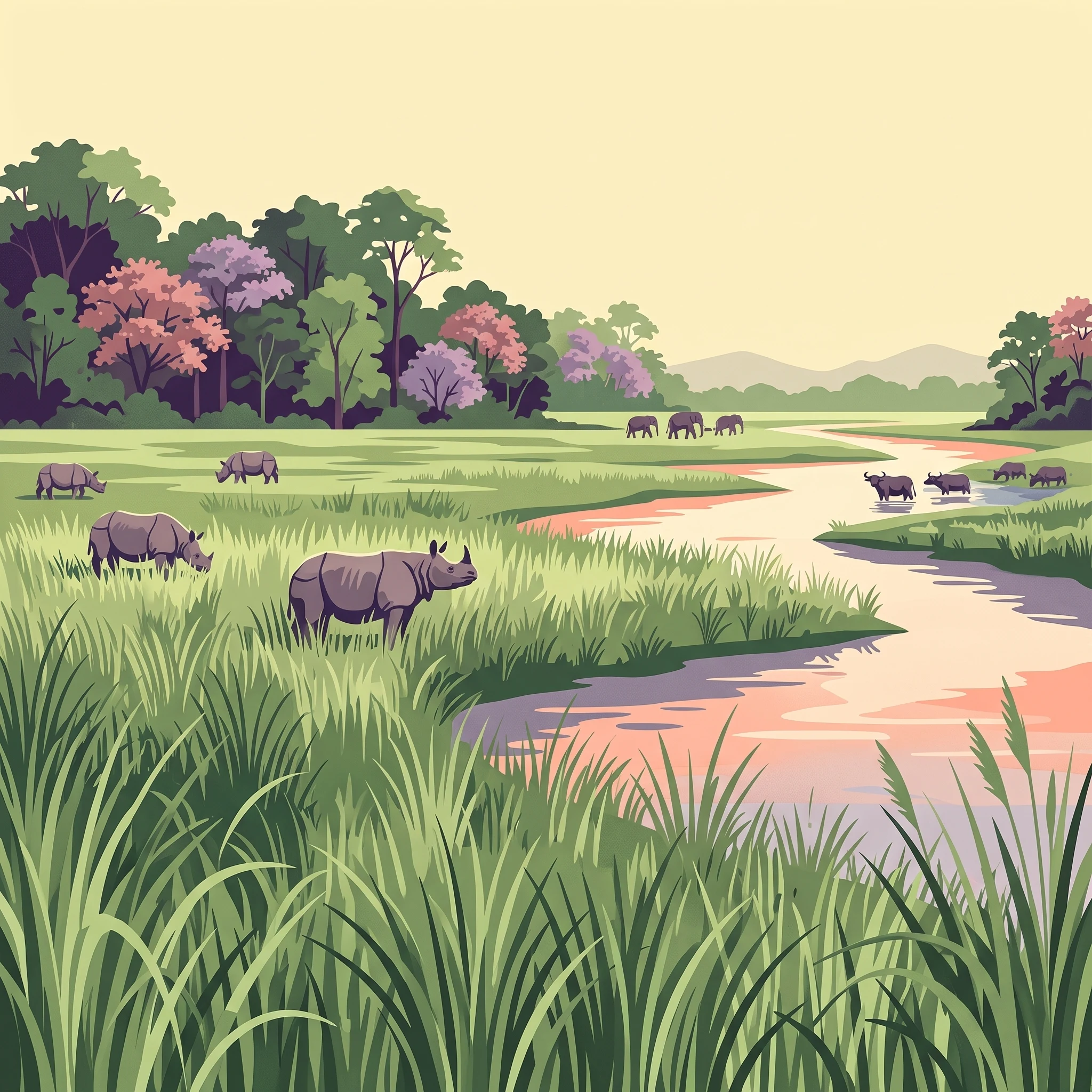
The best time to visit Kaziranga National Park is during the dry winter months, specifically from November to February. During this period, the park offers the most comfortable weather conditions for visitors while simultaneously providing high visibility for wildlife spotting. As the tall elephant grass recedes due to the dry, cool climate, the chances of observing the park iconic residents, including the Indian rhinoceros and Bengal tiger, increase significantly. Visitors planning their trip during these months benefit from mild temperatures and lower humidity levels, which contrast sharply with the intense heat and precipitation experienced later in the year. While these months are widely regarded as the peak period for both climate and sightings, every visitor must balance these advantages against the reality of seasonal access constraints that dictate when the park is open to the public. The fundamental trade-off for any traveller involves choosing between the comfortable, high-visibility conditions of the dry season and the lush, inaccessible, or restricted conditions that arrive with the onset of the monsoon. Because the park landscape is a dynamic floodplain along the Brahmaputra River, its accessibility is inherently linked to the region hydrological cycle. The transition from the dry season into the hotter, more humid months of late spring serves as a natural reminder of the environmental rhythms that govern life in this UNESCO World Heritage Site. Those seeking the mildest temperatures and clearest days will find their preferences best met by the winter window, but it is essential to remember that even within these months, daily conditions vary. Wildlife behavior and park transit remain subject to factors such as local wind patterns and the gradual drying of marshland, which influences where megafauna gather. By focusing on the interplay between the drying landscape and visitor comfort, you can better time your arrival to match your specific interests in bird watching, large mammal sightings, or botanical exploration. Before finalizing any travel dates, always verify current access status and seasonal operating schedules with official park authorities, as environmental factors can influence opening dates and the availability of specific safari routes. This period acts as the anchor for the entire visitor season, establishing a baseline of predictable, favorable conditions that allow for deep engagement with the unique, biodiversity-rich environment of the Eastern Himalayan foothills.
Seasonal Planning
Best Months to Visit Kaziranga National Park for Wildlife and Weather
Choosing when to visit requires balancing the clear, dry conditions of the winter months against the periods of transition leading into the monsoon season. Because the park landscape is a dynamic floodplain, the most effective strategy involves aligning your visit with the specific wildlife or environmental priorities that matter most to you, while acknowledging the inherent limitations of the regional climate.
Wildlife Viewing Windows
The primary window for megafauna sightings, including the Indian rhinoceros and Bengal tiger, is from November to February. During these months, the daily mean temperature remains relatively cool, generally ranging from 15C to 20C. This period is favored because the tall elephant grass, which dominates much of the park, begins to dry out and is often managed, significantly increasing visibility. For those focused on ornithology, this same interval is ideal as it coincides with the arrival of migratory species from Central Asia. The trade-off is that these months represent the peak of visitor interest, which can influence the availability of park activities and lodging options.
The Dry and Windy Transition
As the calendar moves into March and April, the park enters a drier and warmer phase. Daytime temperatures can rise sharply, often reaching daily maximums exceeding 34C. While the heat is more pronounced, this can be a productive time for those specifically interested in observing animal behavior near receding water sources. The landscape becomes increasingly parched, and the vegetation thins further, which can offer unique perspectives for photography. Travelers visiting during this time should be prepared for higher temperatures and windy conditions that precede the onset of the heavier rains. This window serves as a compromise for those who wish to avoid the crowds of mid-winter but still want to prioritize wildlife spotting before the seasonal park closures begin.
Navigating the Monsoon Shift
The period from June through September is defined by significant precipitation and high humidity, with mean temperatures consistently hovering near 28C. This season is distinct from the rest of the year because the Brahmaputra River flood cycle dictates park accessibility. Most tourism-related activities and internal park infrastructure typically cease operation during these months to ensure safety and allow for natural habitat recovery. Visitors planning their trip must accept that this portion of the year is generally unsuitable for standard safari access. If your goal is to experience the park's iconic megafauna in their natural habitat, it is advisable to conclude your planning within the open season, as attempts to visit during the monsoon will likely result in limited or no access to the core zones of the park.
Annual Climate Overview
Weather and Climate Trends by Month in Kaziranga National Park
Annual Rainfall and Humidity Trends
The climate of Kaziranga National Park is defined by a pronounced contrast between a arid, manageable winter and a high-precipitation monsoon season driven by regional tropical patterns. Starting in May, rainfall levels increase significantly, reaching their peak intensity from June through July. During these months, the park experiences high humidity levels frequently exceeding 80 percent, which creates a saturated environment across the Brahmaputra floodplain. This period of sustained, heavy rainfall is the primary driver of the seasonal flood cycle that alters the park terrain. Conversely, the dry window from November to February sees minimal precipitation, with December and January frequently recording negligible rainfall levels. This rapid transition from saturation to dry conditions is fundamental to understanding the park's physical state throughout the year.
Temperature Fluctuations and Thermal Comfort
Temperature patterns in the park follow a predictable arc that influences both local wildlife behavior and visitor comfort. While the park is located in a tropical environment, the winter months provide a distinct cooling effect, with average minimums dropping toward 7 to 9 degrees Celsius in January and December. These crisp, cool mornings often give way to pleasant daytime temperatures, with maximums typically hovering in the mid-20s. As spring approaches in March and April, the daily maximums begin a sharp climb, often pushing into the mid-30s. The period from May through August remains consistently warm, with daily averages remaining high even as rainfall provides periodic relief. It is important to note that these figures represent long-term climate normals and should not be confused with live weather forecasts or the specific heat index experienced in the dense, tall grasslands.
Daylight Hours and Solar Influence
Daylight availability at the park varies by approximately three hours over the course of the year. The shortest days occur in December, with roughly 10.3 to 10.5 hours of daylight, which limits the time available for early-morning or late-afternoon wildlife viewing. As the year progresses, daylight increases steadily, reaching its maximum duration in June and July with over 13.5 hours. While longer days provide more temporal window for exploration, the summer months also coincide with the period of highest humidity and rainfall, creating a significant trade-off between daylight duration and favorable ground conditions. Visitors planning travel should recognize that these climate normals offer a broad, evidence-based expectation of annual patterns, but regional geography and localized weather shifts mean conditions can vary across the park's expansive riverine landscape. For specific trip preparation, these historical trends serve as a reliable baseline rather than a granular guarantee of daily conditions.
Seasonal Weather Analysis
Understanding Climate Cycles and Seasonal Patterns in Kaziranga
The Dry and Cool Winter Phase
The most distinct climatic phase at the park spans from November through February. This period is defined by high pressure, minimal rainfall, and a significant drop in humidity, which collectively create the most stable environmental conditions of the year. During these months, the daily temperature mean resides comfortably between 15C and 18C, though the mercury can dip noticeably at night. The relative humidity, which remains high throughout the rest of the year, stays at its most manageable levels, typically ranging from 60 to 75 percent. This dry atmosphere, coupled with sparse precipitation, prevents the marshy floodplains from becoming waterlogged, allowing for consistent land-based access across the park topography.
The Pre-Monsoon Transition
As March progresses into April and May, the park undergoes a noticeable transformation. This transitional window marks the end of the cool, dry winter and the onset of the pre-monsoon heat. The daily maximum temperatures begin a steady climb, often exceeding 35C by April. Visitors during this period will experience higher humidity levels compared to the winter months, and the frequency of rainfall increases significantly as the landscape prepares for the coming monsoon. This shift is not merely a change in temperature, but a change in the park's physical state. The warming air and increasing moisture trigger lush growth in the tall elephant grass, which gradually begins to impact visibility for ground-level wildlife observation.
The Monsoon Flood Season
From June through September, the park enters its most volatile phase. This period is dominated by the monsoon, where rainfall levels peak, and the Brahmaputra River system, which dictates much of the local ecology, often breaches its banks. The climate data reflects this clearly, with relative humidity consistently staying above 80 percent and substantial daily rainfall. This period is not defined by comfortable visiting weather but rather by an ecological reset, where flooding replenishes the nutrients of the floodplains. The environmental conditions during these months are characterized by extreme moisture and high temperatures, making the terrain soft and often impassable. Unlike the predictable rhythm of the winter months, the monsoon period is marked by an unpredictable, fluid landscape where the primary environmental influence is the river's flood cycle rather than ambient temperature alone.
Transitional Months and Climatic Variability
October acts as a crucial buffer between the volatile monsoon and the stabilizing winter. While the humidity remains relatively high, the intensity of the rainfall begins to taper off significantly, marking the start of a period where the landscape slowly dries. November continues this trend, bringing cooler nights and establishing the dry, crisp conditions that define the winter phase. These transitional windows, particularly late October and early November, represent shifting environmental conditions where the climate is neither fully monsoon-soaked nor fully settled into its winter stability, requiring visitors to consider the lingering impacts of heavy rainfall on the park terrain.
Seasonal Experiences
What Visiting Kaziranga National Park is Like Through the Year
Grassland Dynamics and Wildlife Visibility
The experience of exploring Kaziranga is fundamentally defined by the state of its tall elephant grass, which undergoes a dramatic lifecycle throughout the year. During the post-monsoon months, the grass can reach heights that significantly limit ground-level visibility. As the dry season progresses from November into February, the park management traditionally oversees controlled burning, which serves to clear dense undergrowth. This landscape transformation is the primary factor that makes the winter months the most effective window for spotting the park's iconic megafauna, including the Indian rhinoceros and swamp deer. When the landscape is more open, these animals move into exposed areas to graze, providing clearer lines of sight for visitors on jeep or elephant-back safaris.
Seasonal Birding Opportunities
The park gains significant international attention as an Important Bird Area, but the quality of this experience is tied to specific migratory windows. The winter months, coinciding with the peak of the dry season, attract a variety of Central Asian species to the Brahmaputra floodplain. Visitors arriving between December and February will find the wetland habitats most active. While the park supports a diverse array of resident birds year-round, the experiential highlight for many ornithologists is the arrival of these winter migrants, which are most visible when the water levels are stable and the weather remains cool and dry. Travelers prioritizing birdwatching should focus their planning on this period, as the later transition into the pre-monsoon heat often sees these species depart.
Safari Conditions and Habitat Shifts
As the calendar shifts toward the pre-monsoon months of April and May, the nature of the wildlife viewing experience changes. With rising temperatures and lower humidity during the day, animals are increasingly drawn to remaining water bodies within the park boundaries. While the heat can be intense, this period offers a different form of engagement: observing megafauna as they congregate to drink or wallow. The landscape during this time is drier, and the lack of rain means that dust can be a factor during jeep safaris. Because the park's accessibility can become more complex as the monsoon approaches, visitors during this late dry window should be prepared for varying trail conditions. The transition phase is less about broad landscape vistas and more about concentrated wildlife sightings near essential water sources, requiring patience and different observational focus compared to the lush, open winter months.
Visitor Priorities
Optimizing Your Kaziranga National Park Visit by Interest and Priority
Prioritizing Milder Temperatures and Comfortable Exploration
For travelers whose primary goal is to minimize exposure to extreme heat, the window between December and February is the most suitable. During these months, the daily temperature averages hover in a manageable range, with December reaching a comfortable mean of 16.63 degrees Celsius. The lower humidity levels during this mid-winter period, often dipping toward 69 to 74 percent, create a more refreshing environment for long days spent in open vehicles. The compromise for this comfort is that daylight hours are at their shortest, reaching approximately 10.35 hours in December, which limits the total timeframe for morning and evening safari activities compared to the longer days of spring.
Targeting Maximum Wildlife Visibility Near Water Sources
If your priority is the high-concentration spotting of megafauna, particularly in the pre-monsoon transition of March and April, consider the trade-off of rising heat. As the dry season progresses, surface water becomes increasingly scarce, forcing animals to congregate around remaining ponds and marshy areas. This natural phenomenon significantly increases the likelihood of observing rhinoceros and water buffalo at closer range. However, this period demands a higher tolerance for heat, as average maximum temperatures climb steadily from 34.46 degrees Celsius in March to over 36 degrees in April. Visitors must weigh the benefit of increased animal density against the physical fatigue that can result from mid-afternoon temperatures.
Planning Around Landscape and Birding Cycles
For those focused specifically on ornithology or the unique visual experience of the tall elephant grass, the period of November and early December offers a distinct advantage. As the post-monsoon vegetation begins to stabilize and the park opens for the season, the landscape is lush and vibrant, providing a different backdrop than the arid conditions of late spring. This period aligns with the arrival of migratory bird species from Central Asia. The trade-off here is that the vegetation is at its thickest, which can occasionally obscure ground-level sightings of smaller mammals compared to the sparser cover available in the peak of the dry, hot season. Visitors seeking wide-open views for photography or general observation may find the denser grass of early winter a factor to consider, though the cooler air and active birdlife often compensate for the reduced visibility of elusive cats or ground-dwelling fauna.
Access and Operations
Seasonal Access and Operational Planning for Kaziranga National Park
Navigating Seasonal Park Closures and Brahmaputra Flood Cycles
Operational access to the park is fundamentally dictated by the annual flood pulse of the Brahmaputra River. During the monsoon season, the river levels rise significantly, leading to inundation of large portions of the park territory. Because this cycle is dynamic and varies in intensity from year to year, park authorities typically implement a seasonal closure window. While historic patterns suggest this period generally spans from May through October, the exact dates for reopening or closure are determined annually based on real-time water levels, road stability, and safety assessments. Travelers must not assume that calendar months correspond to specific status changes. Instead, you should verify current park accessibility through the official Assam Forest Department or Kaziranga National Park portal before making any non-refundable transport or accommodation bookings.
Safari Logistics and Range-Specific Access
Within the operating season, access is managed through multiple distinct ranges, such as the Kohora, Bagori, Agaratuli, and Burapahar areas. Each of these zones may have its own operational status at any given time, influenced by local conditions, animal movement, or management needs. Infrastructure like jeep tracks and observation points may require temporary maintenance or closure for conservation purposes, independent of the broader park season. When planning your visit, identify which range best aligns with your interests, such as specific rhinoceros habitats or bird-watching hotspots, and confirm the status of those specific sectors directly with the park office. Relying on outdated maps or general online forum posts is discouraged, as gate operations can shift throughout the peak months.
Permits and Entry Requirements
Entry into the park requires official permits, which are managed according to the guidelines set by the local wildlife authorities. The permit process typically involves documentation, such as government-issued identification for all visitors, and payment of prescribed entry and vehicle fees. While travel agencies may facilitate these arrangements, the ultimate responsibility for compliance rests with the visitor. Always check the official requirements for foreign versus domestic visitors, as documentation standards can evolve. If you are planning to engage in specialized activities like photography or research that requires extra time or unique access beyond standard safari routes, these arrangements must be coordinated well in advance through formal applications to the park management. Avoid relying on third-party advice for regulatory information, as specific permit rules are subject to change without public notice.
Safety and Preparation
Seasonal Weather and Safety Preparation for Kaziranga National Park
Managing Thermal Comfort Throughout the Year
Preparation for Kaziranga requires a strategy that shifts alongside the park's distinct thermal profile. During the winter months of November through February, when morning temperatures can drop toward an average minimum of approximately 7 to 9 degrees Celsius, layers are essential for early morning safari departures. While midday temperatures often rise to a comfortable 25 or 28 degrees Celsius, the significant diurnal temperature variation means that the chill felt in an open-top vehicle at dawn requires wind-resistant outer layers.
As the season transitions toward the pre-monsoon months of March and April, the climate warms significantly, with average maximums climbing past 34 to 36 degrees Celsius. Preparation at this time must prioritize sun protection and hydration management. Because visitors spend extended periods in open terrain or on observation platforms, the cumulative exposure to direct sun and reflected heat from the tall elephant grass is a material factor. Lightweight, breathable long-sleeved clothing is a practical choice to mitigate sun exposure while maintaining comfort in high humidity, which averages between 55 and 70 percent during the spring months.
Seasonal Safety and Environmental Awareness
Safety in the park is fundamentally linked to the restriction against unguided activities. Hiking within the park is prohibited to maintain clear boundaries between human activity and local wildlife, as well as to minimize the risk of animal encounters. Consequently, all travel within the park must occur via authorized safari vehicles or elephant-back tours. When planning your visit, rely exclusively on official announcements from park authorities regarding safari routes and permitted entry points, as these can change based on the Brahmaputra flood cycle and regional ground conditions.
Regarding health precautions, the regional prevalence of mosquito-borne illnesses varies significantly with the climate. Winter, characterized by cooler temperatures and lower humidity, is generally considered the season with the lowest activity for disease-carrying vectors. Visitors should note that most local cases occur during the warmer, wetter months, which coincide with the period when the park is closed to the public. Always consult a travel health professional regarding region-specific medical precautions well before your departure.
Staying Informed on Local Conditions
Because the climate figures provided reflect long-term averages rather than real-time conditions, your preparation should always include checking current forecasts in the days leading up to your arrival. Severe weather patterns, while infrequent, can temporarily impact regional transport or park visibility. Furthermore, because the park’s accessibility is highly sensitive to the Brahmaputra River’s water levels, always verify that your specific tour operator has confirmed current accessibility status. Relying on up-to-date information from park management ensures that your visit remains aligned with safety requirements and operational limitations, rather than relying on historical averages alone.
Trip decision guide
How to choose the right time to visit Kaziranga National Park
Balancing wildlife priorities and seasonal constraints
Choosing the right time for your visit requires a clear assessment of your primary objectives. If your goal is the classic wildlife experience, the winter months of November through February are the most predictable choice. This window provides the best balance of comfortable temperatures, ranging from roughly 7°C to 29°C, and increased animal visibility. During this period, the burning of tall grasslands opens up the landscape, making it easier to spot the park's iconic rhinoceros, tiger, and swamp deer populations. For those prioritized by birding, these months also coincide with the arrival of migratory species from Central Asia, adding significant depth to the experience.
Interpreting the pre-monsoon transition
If you prefer warmer weather and are interested in observing megafauna gathering near receding water bodies, the transition period of March and April offers a distinct alternative. Temperatures during these months climb significantly, often exceeding 35°C during the day, which drives animals toward water sources. While this shift increases the intensity of the heat and humidity, it can result in more concentrated wildlife viewing opportunities compared to the cooler, more dispersed winter season. This window is ideal for travelers who are comfortable with higher temperatures and prioritize high-visibility sightings over a mild climate.
Aligning travel dates with park access
Your final decision must account for the reality that the park is not a static destination. The monsoon season, generally spanning from June through September, results in significant flooding of the Brahmaputra floodplain, which necessitates the closure of the park to ensure visitor safety and ecological protection. Consequently, your trip planning must be built around this operational cycle. Because opening and closing dates are determined by environmental conditions rather than a fixed calendar, you should always verify the status of individual safari ranges through official channels before finalizing your arrangements. By acknowledging this non-negotiable link between weather patterns and site access, you can choose a period that aligns with your interest in either the lush growth of the pre-monsoon transition or the clear, active conditions of the winter dry season. Remember that all climate data presented are long-term normals, not guarantees of daily weather, and that current alerts from local authorities are the only definitive source for your visit.