
Trip Timing
When to visit Keibul Lamjao National Park for the best experience
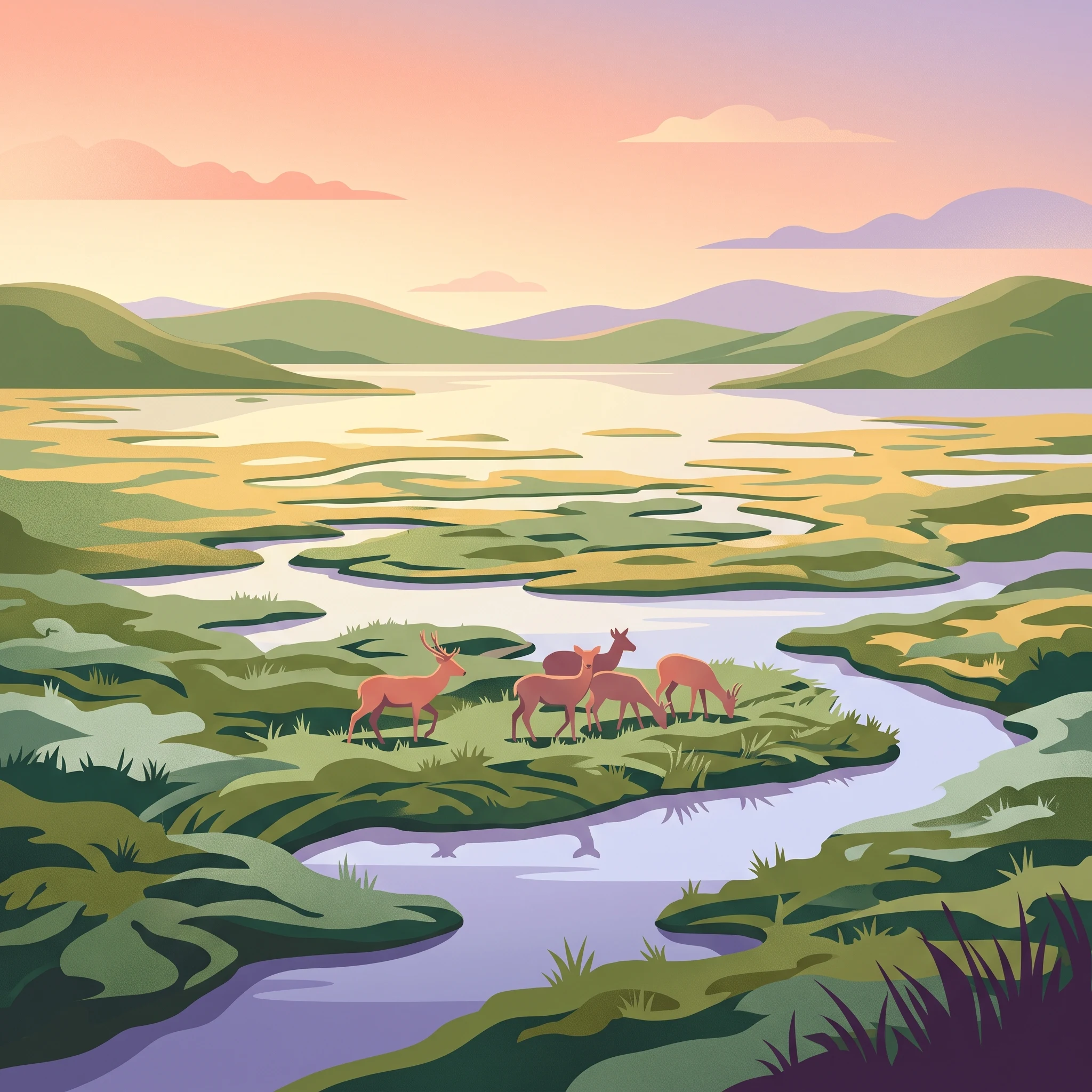
Deciding when to visit Keibul Lamjao National Park requires balancing the practical need for dry, accessible conditions against the specific biological rhythms of the park's wildlife. For most travelers, the best time to visit is during the cooler, drier months between November and February. During this period, the humidity levels drop significantly, and the moderate temperatures facilitate longer periods of exploration across the floating phumdi landscape. These months coincide with the peak visibility for observing the Sangai deer, as the relatively lower water levels and stable vegetation mats make the herds more likely to emerge and feed in open areas.
Navigating the seasonal trade-offs
While the winter months offer the most favorable climate for photography and wildlife spotting, the park experiences a distinct shift as the year progresses. From June through August, the monsoon season brings heavy precipitation and high humidity, which can fundamentally alter the ease of accessing the park's interior via boat. These wet months create a dynamic, lush environment, but they also complicate transit through the labyrinthine water routes. The increased water volume may shift the floating mats, meaning that visitor routes that are straightforward in winter can become more challenging or restricted during the height of the rains.
Factors shaping your travel timing
Beyond simple temperature preferences, your visit hinges on the interplay between precipitation and visibility. The park's climate is defined by a pronounced seasonal rhythm where rainfall, rather than extreme cold or heat, dictates the utility of the landscape. While temperatures in the region generally range from a low of approximately 5 degrees Celsius in mid-winter to highs exceeding 34 degrees Celsius in the peak of summer, the most significant factor for a visitor is the degree of soil and vegetation saturation.
Choosing a window for your trip requires an honest appraisal of these environmental conditions. If your primary goal is wildlife observation, prioritize the early dry season when animal behavior is most predictable and the paths are most reliable. Conversely, travelers who choose to visit during the transitional periods or the warmer months before the monsoon intensifies will encounter a different, more vibrant landscape, though they must accept higher chances of rain and potential limitations in reaching certain remote sections of the phumdi. By framing your visit around these seasonal realities, you can align your expectations with the park's natural cycle rather than hoping for a single, universally ideal window.
Visit Planning
Best Months to Visit Keibul Lamjao National Park for Wildlife and Weather
Dry Season Wildlife Spotting (November to February)
For those prioritizing the observation of the Sangai deer, the period spanning November through February serves as the most effective visiting window. During these months, the park experiences significantly lower precipitation, with daily rainfall averages dropping below one millimeter. This drier environment encourages the deer to remain more active on the floating phumdis, improving visibility for visitors exploring the water channels. The climate is characterized by mild daytime temperatures, often ranging between 25°C and 28°C, and refreshing, cooler nights that dip toward single digits. This combination of stable paths and comfortable air temperatures creates the most reliable conditions for boat-based wildlife excursions.
The Transitional Months (March to May)
As the region moves into the pre-monsoon season, conditions undergo a noticeable shift. March acts as a bridge, maintaining relatively low humidity and dry trails, but by April and May, temperatures begin to climb toward their annual peaks, frequently exceeding 33°C. Visitors during these months benefit from longer daylight hours, providing more time for photography and observation. However, the trade-off involves increasing humidity and the arrival of early convective rain. While this period remains viable for those who prefer warmer weather and are prepared for sudden shifts in moisture, the higher humidity levels compared to the winter months can make midday excursions more physically demanding.
Monsoon Navigation and Climate Challenges (June to August)
Planning a trip between June and August requires a shift in expectations. These months record the highest levels of precipitation, often exceeding 6 millimeters per day, and humidity levels frequently climb above 80 percent. While the landscape appears lush and the water levels are at their highest, the intensity of the monsoon can impact the ease of movement across the park. The sheer volume of rain often results in saturated conditions, making it more challenging to traverse the sensitive phumdi ecosystem. Travelers who prioritize seeing the park during its most vibrant, water-dominated state may find this season rewarding, but they must accept the high probability of disrupted itineraries and limited visibility due to frequent cloud cover and rain. It is essential to weigh the interest in high-water, monsoon vegetation against the practical limitations this weather imposes on standard boat tours and animal tracking activities. Given that these climate patterns reflect historical normals, visitors should always verify current trail and water conditions with park authorities before confirming travel dates during the summer months.
Annual Climate Normals
Monthly Weather and Climate Trends in Keibul Lamjao National Park
The Annual Rhythm of Temperature and Humidity
The climate of Keibul Lamjao National Park is defined by a clear transition between cooler, stable winter conditions and a warm, moisture-rich monsoon period. It is important to note that these values reflect long-term climate normals recorded at a fixed elevation of approximately 869 meters, rather than daily weather forecasts. Visitors should anticipate that local conditions within the floating phumdi ecosystem may vary due to the influence of the surrounding Loktak Lake and local topography.
Temperatures follow a predictable arc, with the year beginning in January with comfortable mean temperatures around 14.5°C. As the spring transition progresses, daytime highs climb steadily, reaching peak warmth in May. During this time, the average maximum reaches roughly 34.4°C, creating a hot, humid atmosphere that contrasts sharply with the milder conditions found earlier in the year. By late summer, temperatures stabilize slightly, but the lingering humidity creates a consistently muggy environment that remains through the early autumn months.
Rainfall Patterns and Seasonal Moisture
Precipitation is the most significant factor differentiating the park's climate phases. The dry season is most pronounced between November and February, when precipitation is minimal, often measuring less than 1 millimeter per day. This scarcity of rainfall during the winter months is a critical component of the park's accessibility, as the lower water levels and reduced cloud cover contribute to the clearer conditions often preferred for wildlife observation.
In contrast, the monsoon season, which typically gains momentum in May and peaks between June and August, brings a substantial increase in daily rainfall. During these months, precipitation values rise significantly, often exceeding 6 millimeters per day. This shift does more than just bring rain; it dramatically increases the relative humidity, which hovers above 80 percent from June through September. This high-moisture environment is a defining characteristic of the park's late-summer climate and is a major consideration for any travel planning, as it alters the feel of the air and the intensity of the humidity throughout the day.
Daylight and Wind Factors
Daylight hours in the park exhibit a modest but steady variation that impacts the daily timing of outdoor activities. Winter months offer shorter daylight windows, with December providing about 10.5 hours of sunlight, which compresses the available time for wildlife viewing to early morning and late afternoon hours. By June, the park experiences its longest days, with daylight extending to nearly 13.5 hours. While these longer days offer more potential time for exploration, the intensity of the heat during mid-day often dictates that visitors limit their activity to the cooler fringes of the morning and evening regardless of the total available light.
Wind speeds remain relatively low throughout the year, typically ranging between 1.0 and 1.7 meters per second. The highest wind activity is generally observed in March, coinciding with the end of the drier, cooler period. While these winds are rarely extreme, they can influence the experience of traversing the lake by boat, particularly when interacting with the high humidity levels present in the latter half of the year. Visitors should use these climate norms to understand the broader seasonal trends while remaining prepared for the variability inherent in a wetland environment.
Seasonal Environment
Understanding Seasonal Weather Transitions at Keibul Lamjao National Park
The Dry Winter Phase: November to February
The most stable and accessible period at Keibul Lamjao occurs during the cooler, dry months that span from November through February. This phase is characterized by a significant drop in precipitation and moderate humidity, creating a predictable environment for navigating the phumdi landscape. During these months, the park experiences its clearest skies and lowest rainfall, which directly influences the visibility of the Sangai deer. As the lake water levels recede from their peak monsoon heights, the floating vegetation mats become more defined, offering observers consistent land-based viewing points. Travelers will notice crisp, cool mornings and comfortable, sun-drenched afternoons, marking this as the primary window for those prioritizing outdoor photography and sustained wildlife observation.
The Warming Transition: March to May
As the calendar moves into March, the park undergoes a distinct shift. The cooling effects of the winter months begin to fade, replaced by a steady rise in average temperatures. This transition phase is marked by increasing warmth and a gradual, yet notable, uptick in humidity. By May, the environment feels considerably heavier as the atmosphere prepares for the approaching monsoon. For visitors, this period requires careful attention to the daily cycle: early mornings remain pleasant, but by midday, the heat becomes more pronounced. Because this timeframe precedes the heaviest rains, the water levels in the Loktak Lake system are typically lower than they will be during the mid-summer peak, providing a unique look at the shoreline vegetation that is often submerged later in the year.
The Monsoon Phase: June to August
Starting in June, the park enters its most volatile environmental phase. This period is defined by intense rainfall and sustained high relative humidity, which regularly exceeds 80 percent. The monsoon influence brings heavy, sometimes frequent, precipitation that profoundly affects the hydrologic state of the entire Loktak ecosystem. During these months, the park transforms into a dynamic, water-dominated environment where the phumdi mats may shift or become partially saturated, complicating standard navigation routes. Visitors during this time should anticipate significant environmental variability, as the weather is less about distinct temperature changes and more about managing moisture and limited accessibility. The landscape is lush and vibrant, but the physical reality of the climate demands a different set of expectations for those attempting to view the park during this mid-year surge.
The Post-Monsoon Stabilization: September and October
September and October serve as the bridge between the heavy monsoon rains and the return of the dry winter season. While humidity remains high, the frequency and intensity of rain showers begin to taper off as the year heads toward October. This phase is an important period of stabilization. The landscape, having been saturated for months, begins to settle, and the water levels in the lake start to reach their post-rainy season equilibrium. Travelers might find that while the environment still carries the green, dense aesthetic of the monsoon, the logistical challenges of moving through the park begin to diminish. This is a quiet, transitional period where the park slowly moves out of its most restricted climate phase, offering a compromise for visitors who prefer fewer crowds but want to avoid the peak cold of December or the peak rain of July.
Visitor Experience
What Visiting Keibul Lamjao National Park is Like Through the Year
Navigating the Floating Phumdis for Wildlife Viewing
Experiencing the unique landscape of Keibul Lamjao requires careful consideration of how seasonal water levels and vegetation growth affect access. The park is defined by phumdis, which are mass collections of decomposed vegetation floating on Loktak Lake. During the drier months, which generally span from November to February, the water levels remain stable, allowing for clearer navigation through the labyrinthine water channels. Boat-based observation is the primary method for visitors to approach the phumdi zones where the Sangai deer reside. Because the deer are not habituated to human presence, the ability to maneuver quietly through these channels in an oared or motor boat is essential for successful sightings.
Seasonal Rhythms of the Sangai Deer
The Sangai, or brow-antlered deer, is the central focus of any visit to the park. Their visibility is tied to their daily grazing patterns rather than any specific migration across the year. These deer are known to emerge from the dense tall grasses of the phumdis to feed during the early morning hours, typically between 06:00 and 10:00, and again in the late afternoon from 15:30 to 18:00. These feeding windows remain consistent throughout the year, but the comfort of the observer during these hours varies significantly with the season. In the drier, cooler winter months, observers may find it easier to spend extended periods on the water without the intense humidity and heat that characterize the pre-monsoon and monsoon periods. When planning a visit, prioritize these early or late hours, as the midday sun can drive the animals deep into the vegetation, making them nearly impossible to spot.
Birdlife and Avian Observation
The park serves as a vital habitat for both resident and migratory bird species, with timing influencing which avian visitors might be present. The winter months, in particular, see the arrival of migratory groups, including the Siberian crane, which makes the park an important stopover. Birdwatchers looking for a diverse range of species will find the transition into the cooler season rewarding. While the park maintains its resident bird populations throughout the year, including the East Himalayan pied kingfisher and various raptors, the winter migration adds a distinct layer to the experience. The combination of cooler air and lower humidity during the winter months also provides a more comfortable environment for extended time in observation towers or small boats, where staying still for long periods is necessary to avoid disturbing the local wildlife. Always carry binoculars, as the distance between the floating paths and the grazing grounds can be significant, and the animals often retreat into the tall grasses if they detect noise or movement.
Visitor Priorities
Timing Your Visit to Keibul Lamjao National Park Based on Travel Preferences
Identifying the ideal window for wildlife viewing and photography
Visitors whose primary goal is to observe or photograph the endangered Sangai deer should prioritize the dry, cooler window from November through February. During these months, the park experiences its lowest precipitation levels, which translates to firmer access routes across the floating phumdis and clearer skies for morning observation sessions. As the vegetation remains relatively low and the water levels in Loktak Lake stabilize, the deer are more frequently spotted grazing on the floating mats. This period also aligns with the arrival of migratory birds, providing additional opportunities for wildlife observation. The primary trade-off is the significant drop in temperature during the early morning hours, which requires warm, layered clothing for boat-based excursions that often begin before sunrise.
Prioritizing mild daytime temperatures for outdoor exploration
For travelers who prefer moderate daytime temperatures while navigating the park, the transition months of March and November offer the most temperate climate. While March marks the beginning of the warming trend, leading toward the hot and humid conditions of May, the early part of the month maintains a comfortable mean temperature around 20.7 degrees Celsius. Similarly, November provides a pleasant shift from the post-monsoon humidity to the dry winter phase. These windows allow for comfortable extended boat trips through the phumdi labyrinth without the intensity of the summer sun or the potential for heavy rainfall. The compromise for choosing these shoulder months is that the wildlife might be slightly more dispersed compared to the peak winter aggregation, and the landscape may lack the lushness observed during the post-monsoon period.
Avoiding peak precipitation for navigational ease
Visitors sensitive to extreme humidity or those looking to minimize the risk of encounter with heavy rainfall should avoid the months from June through August. During this peak monsoon phase, precipitation reaches its annual high, often exceeding 6 mm per day, accompanied by high relative humidity that frequently surpasses 80 percent. While this creates a vibrant, verdant landscape, the practical trade-off is more challenging navigation through the lake, increased humidity, and frequent overcast conditions that can obscure visibility. Travelers prioritizing dry conditions often find that the post-monsoon window of late October offers a balance, as the landscape remains lush and green from the seasonal rains, yet the weather stabilizes with significantly reduced daily precipitation, facilitating easier travel and more predictable conditions for exploring the unique floating topography.
Logistics and Access
Planning Your Visit to Keibul Lamjao National Park
Navigating Access to the Floating Park
Reaching this unique national park requires careful planning due to its location within the Loktak Lake ecosystem in Manipur. The closest major hub is Imphal, which serves as the primary gateway for most visitors. While travel distances from regional centers like Moirang or Imphal appear short on a map, the final leg of your journey involves navigating the transition from land-based transport to water-based access. Because the park infrastructure relies on boat transit to penetrate the phumdi landscape, visitors must coordinate their arrival times with the availability of local boating services. You should verify current boat operator availability and regional transport connectivity, such as bus or taxi schedules from Imphal, through official tourism offices or verified local guides well in advance of your trip.
Seasonal Transit and Route Stability
While the dry winter months from November through February provide the most predictable conditions for reaching and moving through the park, environmental factors can impact transit at any time. The monsoon season, particularly from June through August, brings significant rainfall that alters the lake water levels and vegetation distribution. These changes can affect the ease of navigation along the labyrinthine water routes. Travelers should not assume that road or water access remains static throughout the year. Always consult local authorities or the park management office for real-time updates regarding navigable routes or temporary closures, as climate patterns are not absolute indicators of current operational accessibility.
Planning for Local Infrastructure
Practical planning involves understanding that infrastructure in this remote region is specialized. Unlike mainland parks with extensive road networks, the core experience here is inherently water-bound. Whether you intend to use a motor boat or a traditional oaring boat, the logistical arrangements are decentralized. You should check if specific visitor centers or booking desks are currently accepting visitors before you arrive, as administrative rules, permit requirements, or entry protocols can change without notice. If you are coordinating with adventure tourism firms for motorcycle tours or specialized boat trips, ensure you confirm their current operating status for the specific dates of your visit. Information regarding entry, permits, and facility access is subject to official updates, so verify these details through the relevant Manipur state tourism portals or direct inquiry with park officials before finalizing your travel arrangements.
Safety and Preparation
Seasonal Weather and Safety Considerations for Keibul Lamjao National Park
Adapting to Seasonal Temperature and Humidity Trends
Visitors should prepare for a wide range of thermal experiences throughout the year. During the cooler winter months, from November through February, early morning temperatures can dip toward 5 to 7 degrees Celsius. Travelers spending extended time in open boats during these hours will find that layers are essential, as the combination of low temperatures and lingering morning mist can create a significant chill. By contrast, the pre-monsoon and monsoon months of April through August bring much warmer conditions, with daily maximums frequently exceeding 32 degrees Celsius. During this time, the high relative humidity levels, which often climb above 80 percent, make the heat feel more pronounced. Preparation for these months should prioritize breathable materials and protection from direct sun, as the lack of shade on the open water of the lake can intensify exposure.
Preparing for Precipitation and Terrain Conditions
Because the park is a unique floating ecosystem formed by phumdis, the ground and water levels are directly tied to rainfall. The monsoon period, peaking between June and August, results in substantial daily precipitation. While the floating vegetation mats move with the water level, paths and boarding points may become slippery or muddy during this time. Footwear should be selected with stability in mind, choosing closed-toe shoes with reliable grip to handle the transition from land to boat docks. During the dry season, the reduced rainfall makes the phumdi surface more stable, but travelers should still expect uneven ground throughout the park. Always check with local authorities regarding the accessibility of specific routes, as significant weather events can occasionally affect the stability of landing stages or the depth of navigable channels.
Daylight and Visibility Considerations
Daylight hours fluctuate across the year, affecting both photography and wildlife spotting schedules. December and January offer the shortest days, with just over 10 hours of daylight. To maximize opportunities for viewing the Sangai deer, which are most active during the cooler parts of the day, guests should plan activities for the early morning or late afternoon. The longer daylight hours of May and June provide more time for exploration, but the trade-off is the increased heat during midday hours. Regardless of the season, travelers are encouraged to consult current weather forecasts and local official updates just before their trip. Local rangers and boat operators are the best sources for information regarding daily visibility, water conditions, and any temporary adjustments to access protocols, as climate normals provide an average expectation rather than a guarantee of conditions on any specific date.
Final Planning
Choosing the Best Time to Visit Keibul Lamjao National Park
Determining your visit to Keibul Lamjao requires weighing the priority of wildlife observation against the reality of navigating a floating ecosystem. There is no singular month that guarantees perfect conditions for every traveler, as the park experience is fundamentally dictated by the interplay of monsoon rainfall and the movement patterns of the Sangai deer. Choosing the right time ultimately depends on whether you value high-visibility wildlife viewing or a broader, less humid exploration of the lake landscape.
Prioritizing Wildlife Sightings
For those primarily interested in observing the Sangai deer, the winter months from November through February provide the most stable environment. During this period, the reduction in rainfall and the onset of cooler, drier air improve access to the phumdi regions where these animals graze. The reduced humidity levels compared to the monsoon season allow for more comfortable hours spent on the water, and the clearer skies often result in better morning and evening light for spotting deer as they move across the floating mats. If your goal is to minimize the chances of a boat trip being limited by heavy rain or rising water levels, this winter window is the most reliable choice supported by climatic data.
Managing Personal Comfort and Conditions
If your schedule forces a visit outside of the peak winter season, it is important to adjust your expectations regarding environmental challenges. The period from March through May represents a warming phase where temperatures climb toward their annual maximums, yet precipitation remains relatively moderate compared to the heavy rainfall that defines June, July, and August. Travelers visiting during the monsoon should be prepared for high humidity and potential fluctuations in water navigation, which can limit how deeply you can explore the lake. While the park remains open, the experience is notably different, with less emphasis on open-air wildlife viewing and more on the lush, tropical nature of the flooded landscape.
Making Your Final Decision
To finalize your travel dates, consider the physical trade-offs that align with your personal tolerance for humidity and heat. If you require stable, predictable conditions to maximize your chance of seeing specific species, aim for the period between November and February. If you are comfortable with high moisture and prioritize experiencing the park during its most active, rainfall-dominated months, the summer season offers a unique, albeit challenging, perspective on the floating landscape. Because climatic normals reflect long-term averages rather than immediate forecasts, always verify current park access, weather conditions, and local alerts with the relevant authorities shortly before finalizing your departure to ensure your plans are feasible for the specific dates you have selected.