
Visit Timing
When to visit Ķemeri National Park: the best months for your trip
The best time to visit Ķemeri National Park is from late May to August, a window that aligns with the longest daylight hours and the most consistent accessibility for the park signature boardwalk trails. Choosing when to visit depends heavily on whether you prioritize the warmth of the Latvian summer for hiking and landscape photography or the quieter shoulder months that offer distinct migratory birdwatching opportunities. While the park remains open throughout the year, the extreme variance in weather and daylight between the mid-winter and peak summer months creates vastly different experiences that dictate the feasibility of exploring expansive peatland environments.
Balancing Daylight and Wetland Accessibility
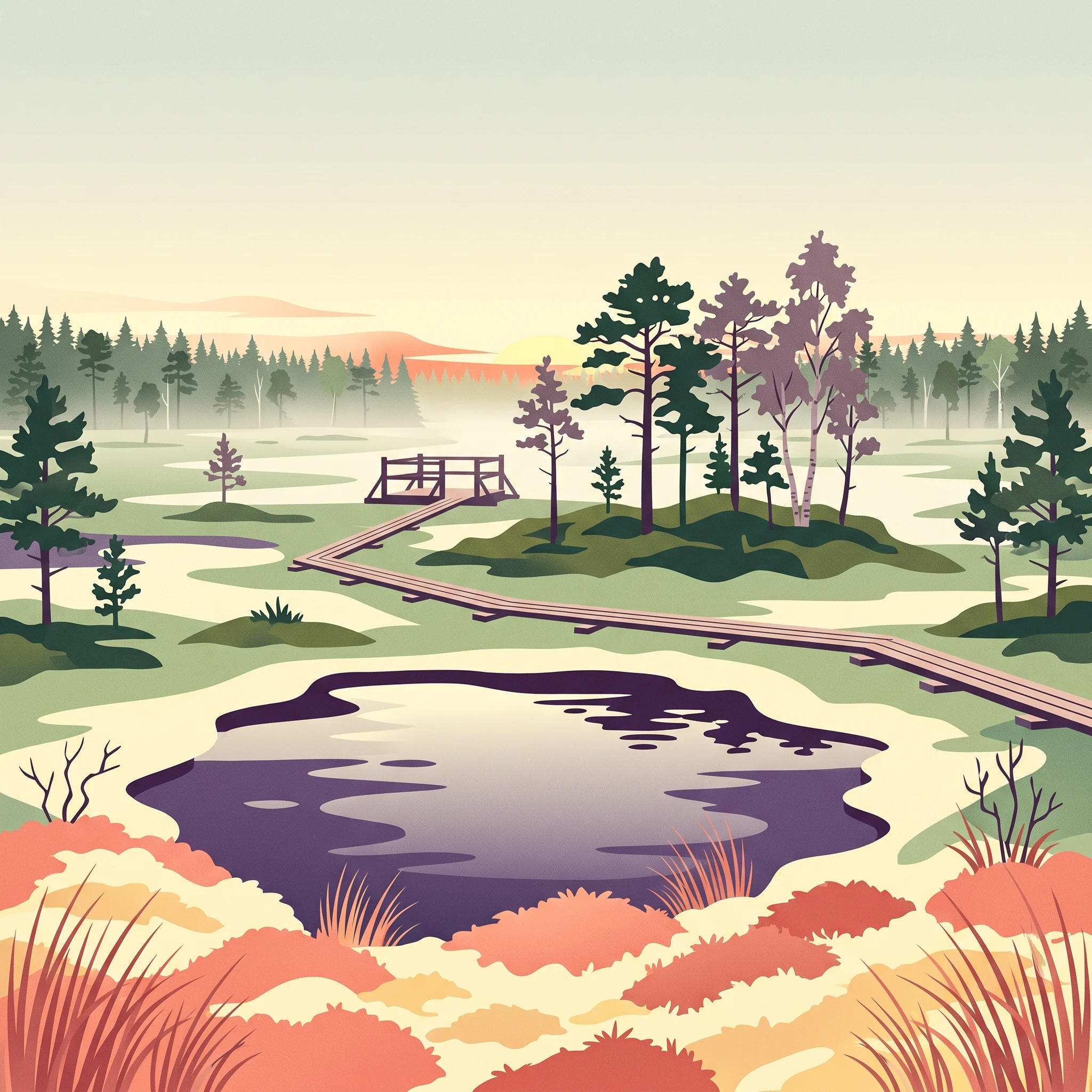
The fundamental trade-off for any visitor to this park revolves around the relationship between moisture, daylight, and physical access. During the late spring and summer months, the daylight window expands significantly, reaching peak durations in June. This extended light provides a substantial advantage for hikers exploring the Great Ķemeri Bog, where the boardwalks traverse fragile peatland habitats. The warming temperatures of late May through August help to dry the landscape surface, though humidity remains a consistent factor in this wetland-dominated environment. Visitors aiming for the classic bog experience, defined by the iconic sunrise or sunset photography opportunities from the observation platforms, will find these summer months the most conducive to extended outdoor activity.
Climate Dynamics and Seasonal Variations
Visitors must consider that this coastal landscape experiences significant fluctuations that impact travel comfort. While summer provides the warmest air temperatures, the climate remains influenced by the surrounding Baltic wetlands and coastal proximity. As the calendar shifts into the autumn and winter months, daylight decreases dramatically, and temperatures can drop well below freezing. These colder periods change the character of the park, transforming the wetlands into landscapes that require more significant gear preparation and careful route selection. Because the park features sensitive ecosystem zones, the interaction between seasonal moisture levels and visitor traffic is a primary consideration for the local authorities managing the trail infrastructure.
Defining Your Priorities for a Visit
Your optimal timing is less about finding a single universal window and more about matching your specific interests to the environmental rhythm of the park. If your primary objective is traversing the diverse trail networks through the mires, lakes, and ancient dune ridges, the period between late spring and early autumn offers the most manageable conditions. Conversely, those visiting to observe the migratory waterbird staging areas at Lake Kaņieris or to engage with the unique sulfur spring landscapes may find the cooler, less crowded shoulder seasons to be equally rewarding, provided you are prepared for the more variable weather patterns that define the transitions between the extremes of the year.
Visit Timing Comparison
Best Months to Visit Ķemeri National Park at a Glance
Peak Summer for Boardwalk Exploration
The window from June through August provides the most reliable conditions for accessing the Great Ķemeri Bog boardwalk. During these months, the park experiences its peak daylight hours, ranging from nearly 15 to over 17 hours, which allows for extended photography sessions and leisurely hikes. Daytime temperatures are at their warmest, averaging between 15°C and 18°C, creating a comfortable environment for walking the open peatland landscape. Visitors prioritizing the iconic bog scenery or the opportunity to explore the Raganu Bog sulfur ponds should target this period to maximize visibility and walking comfort. However, this high-activity window coincides with the period when bog vegetation is most vibrant, meaning the popular trails may see higher numbers of other visitors seeking the same clear-sky conditions.
Shoulder Seasons for Birdwatchers and Solitude
The periods of late May and September serve as strategic alternatives for travellers who prioritize wildlife observation over peak summer warmth. Lake Kaņieris acts as a primary magnet for migratory waterbirds during these transition months. September is particularly notable for birdwatchers, as it marks a significant phase for species movement while offering a more temperate climate than the height of summer. Temperatures in September average around 13°C, which is often more pleasant for those who prefer cooler, crisp air for long observation sessions. While daylight begins to decrease, the trade-off is often a reduction in crowd volume, allowing for a quieter experience at the birdwatching towers and forest trails. The late spring window, specifically late May, offers a similarly unique balance with rapidly increasing daylight and emerging spring flora.
Transition Windows and Seasonal Considerations
Travel during the fringes of these periods, such as October or early spring in April, requires adjusting expectations regarding ground conditions. These transition months often bring higher humidity and changing wind patterns, which can alter the feel of the coastal environment. While the park remains a distinct entity during these times, the experience shifts from long-distance hiking to shorter, more focused excursions. Visitors should interpret these periods as times of unpredictability. Cold temperatures return quickly in October, and ground stability on trails can vary significantly compared to the dry stability of mid-summer. Those choosing to visit during these cooler months should plan for shorter daylight availability, as the sun sets significantly earlier, reducing the time for photography or extended loop trails. Because weather patterns are not forecasts, visitors are encouraged to verify current trail conditions through official park channels before arriving, especially during these shift periods.
Annual Climate Overview
Monthly Weather and Climate Trends in Ķemeri National Park
The Annual Rhythm of Light and Temperature
Understanding the climate of Ķemeri National Park requires looking beyond simple averages, as the park experiences a dramatic transition in daylight and thermal conditions that defines the feasibility of outdoor activities. Throughout the year, daylight hours fluctuate significantly, shifting from a low of approximately 6.5 hours in December to over 17 hours in mid-summer. This variation acts as the primary constraint on how much time visitors can reasonably spend exploring boardwalks or birdwatching towers. While mid-summer temperatures often peak in the mid-twenties Celsius, the influence of the Baltic landscape keeps these values moderated compared to inland continental regions, though the high relative humidity,often exceeding 80 percent throughout the year,can make cooler days feel more penetrating and warmer days more humid.
Patterns of Precipitation and Humidity
Moisture is a constant factor in the park's environment, influenced by its extensive system of raised bogs, fens, and coastal proximity. Precipitation levels show a consistent distribution throughout the year, with a slight tendency for higher totals in the late summer and autumn months. While monthly precipitation averages around 2 millimeters per day, the critical factor for visitors is how this moisture interacts with the terrain. During wetter months in late autumn and early spring, the saturated peatlands of the Great Ķemeri Bog may result in higher ambient humidity and cooler conditions, regardless of the air temperature. High humidity levels, frequently recorded above 90 percent during the winter months, mean that even moderate temperatures during this period often feel colder than the thermometer suggests, necessitating specialized gear for those visiting outside the primary season.
Navigating Wind and Seasonal Transitions
Wind speed patterns demonstrate a distinct annual cycle, with the highest wind averages occurring during the darker, colder months from November through January. These higher wind speeds, often exceeding 6 meters per second on average, can significantly impact the "feels like" temperature when traversing open, exposed boardwalks or the open margins of Lake Kaņieris. Conversely, the late spring and summer months exhibit a more stable atmospheric pattern with lower wind speeds, providing the most comfortable conditions for long-duration photography or nature observation. Visitors should note that these measurements represent long-term climate normals for the park's specific elevation and geographic context. They are not local weather forecasts and cannot predict specific storm events or temporary shifts in conditions. Because the park contains diverse microclimates,ranging from dense, sheltered pine forests to completely exposed bog plains,the wind and temperature you encounter on the ground may vary significantly from these regional averages. Always consult current meteorological updates and park-specific alerts before planning your daily itinerary, as these long-term trends serve only as a guide for what to expect during your selected travel window.
Climatology
Understanding Seasonal Transitions and Weather Cycles in Ķemeri National Park
The Rhythm of the Baltic Landscape
While the calendar suggests four distinct seasons, the climate of this park is better understood through three primary phases that dictate accessibility and environmental character. The transition between these phases is often governed by soil saturation, daylight hours, and the movement of migratory species, rather than simple temperature shifts. Understanding these patterns allows visitors to align their expectations with the realities of navigating the bog and coastal forest ecosystems.
The High-Activity Summer Phase
From late May through August, the park experiences its most stable and accessible period. This phase is defined by high daylight availability, peaking at nearly 17.5 hours in June, and the highest mean temperatures of the year. During these months, the Great Ķemeri Bog boardwalks are at their most welcoming, as the ground remains firmer than in the wetter spring or autumn. The vegetation is in full growth, and the lagoon lakes are teeming with activity. While this is the peak period for visitors, the weather remains temperate rather than tropical, with mean temperatures rarely exceeding 18 degrees Celsius. This phase is marked by consistency, making it the most reliable time for planning longer treks along the park trails.
The Migratory Shoulder Transition
September acts as a bridge between the vibrant summer and the cooling, more humid months that follow. This period often presents a distinct environmental change as wind speeds increase and daylight rapidly decreases, dropping from over 14 hours in August to just over 12 hours by the end of September. This is the primary window for observing migratory waterbirds near Lake Kaņieris. The transition from September into October brings a significant increase in humidity and a shift in landscape colors as the coastal forests enter dormancy. Unlike the steady summer months, this period is characterized by variability, where a single week may move from mild, sunlit conditions to damp, overcast weather, requiring flexible travel plans.
The Dormant Winter and Early Spring Window
From November through April, the park enters a phase of reduced accessibility and quietude. This period is defined by high relative humidity, often exceeding 90 percent, and very short daylight hours that reach a minimum of about 6.5 hours in December. While snow cover can create a stark, beautiful landscape, the park's wetland-heavy terrain becomes soft and, in some areas, impassable for casual walking during the thaw months of March and April. The sulfur springs and mineral-rich ponds remain a geological constant, but the infrastructure around them may be less accessible due to mud and cold. Travellers visiting during this time should anticipate significant environmental constraints and a focus on shorter, more concentrated walks rather than the extensive explorations possible during the summer months.
Seasonal Experiences
Experiencing Ķemeri National Park Landscapes and Wildlife Throughout the Year
Navigating the Great Ķemeri Bog Boardwalk
The iconic boardwalk system, including both the short loop and the extended route leading to the observation tower, remains the primary way to engage with the park's raised bog habitat. The timing of your visit significantly impacts the ease and clarity of this experience. During the peak summer months, from June through August, the boardwalk offers stable, dry footing across the peatland. With daylight reaching upwards of 17 hours in June, you have the flexibility to traverse these wooden paths during the early morning or late evening, which are often the most visually rewarding times for the bog's distinctive landscape. Because the boardwalk is a fixed structure, it is accessible regardless of minor precipitation, but high humidity levels throughout the year mean that early morning visits in any season may involve mist or fog, which can obscure long-distance views from the tower.
Observing Wildlife at Lake Kaņieris
The seasonal rhythm of bird migration dictates the value of a visit to Lake Kaņieris, the park's most significant water-based observation point. While birdwatching is possible year-round, the shoulder seasons of May and September align with the peak migration cycles for many waterbird species. During these windows, the observation tower serves as an essential vantage point for viewing concentrations of birds that utilize the lagoon-type lakes as a staging area. If your primary interest is ornithology, targeting these months allows you to witness the activity of species like the Common crane, Wood Sandpiper, and European Golden Plover, whose breeding habitats are specifically tied to the bog and wetland environments. In contrast, mid-summer visits focus more on the resident species as the migratory activity tapers off.
Accessing Specialized Wetland Trails
Beyond the established boardwalks, the park offers more rugged terrain, such as the trails requiring independent navigation or potentially rubber boots. These experiences are highly weather-dependent and are best suited for periods when ground conditions are at their most stable. Late spring and summer, particularly when precipitation averages remain relatively manageable, provide the best opportunity for accessing these areas. It is important to note that these trails involve moving through actual swamp environments, which are dynamic and can be dangerous for the unprepared. If you plan to venture further into the peatlands or explore the areas surrounding the sulfur springs and mineral-rich ponds, you should prioritize days with a recent history of low rainfall, as excess moisture quickly impacts the navigability of these non-boardwalk paths. Always consult the latest local trail conditions before moving beyond the primary, hardened routes.
Visitor Priorities
Optimizing Your Trip to Ķemeri National Park by Interest
Balancing Milder Temperatures and Walking Comfort
Visitors who prioritize comfortable temperatures for extended walking often find the window between late May and early June to be the most balanced period. During this time, the average maximum temperatures reach around 21°C to 23°C, providing warmth without the occasional humidity-heavy heat spikes seen in mid-July. Because the park features expansive, exposed boardwalks and open bog landscapes, there is very little natural shade. Walking these trails in high summer can become physically taxing due to direct solar exposure, making the slightly cooler, late-spring transition an ideal time for those who want to cover the longer boardwalk loops without enduring peak afternoon heat.
Targeting the Drier Periods for Bog Exploration
For those focused on traversing the wetland terrain, identifying drier months is a significant part of the planning process. Meteorological data suggests that March and April typically see the lowest daily precipitation levels in the park, averaging 1.39 mm and 1.45 mm respectively. While these months are often cooler, they offer a firm landscape and lower moisture levels that can make forest trails and the periphery of the Great Ķemeri Bog more accessible. The main compromise here is the absence of lush, full greenery and warmer soil temperatures, but the trade-off is a lower likelihood of encountering water-logged paths outside of the maintained boardwalk system.
Maximizing Daylight for Extended Site Visits
If your priority is spending the maximum amount of time outdoors, June and July are unmatched. With peak daylight hours reaching over 17 hours in June, visitors have the flexibility to begin their explorations early in the morning or linger into the late evening without the constraints of fading light. This window is particularly beneficial for those hoping to visit the Great Ķemeri Bog observation tower for sunrise or sunset, as the light lasts well into the evening hours. The trade-off for this extended daylight is the seasonal reality of higher average precipitation, particularly in June and July compared to the spring months. Travelers should be prepared for potential rain showers regardless of the long, bright days.
Timing Your Visit for Cooler Walking Conditions
When the goal is to avoid heat entirely while maintaining access, September serves as a highly effective period. Average temperatures drop to a comfortable mean of 13°C, and the biting heat of mid-summer subsides. This is an excellent time for long-distance walks along the Zaļā kāpa dune ridge or the forest trails surrounding the sulfur ponds, where the crisp autumn air provides a refreshing environment for activity. The primary compromise during this period is the noticeable reduction in daylight, which drops to around 12 hours by the end of the month. Visitors must shift their schedules to ensure they complete longer treks before the earlier sunset, compared to the sprawling, high-daylight availability found in the peak of the summer season.
Access and Logistics
Seasonal Operational Status and Planning for Ķemeri National Park
Planning a visit to Ķemeri National Park requires balancing your desired activities with the physical realities of its wetland landscape. While the park is accessible throughout the year, the conditions of its most iconic trails, particularly the boardwalks in the Great Ķemeri Bog, are inherently tied to seasonal weather patterns rather than fixed opening dates. Visitors should expect that trail maintenance, accessibility, and the condition of remote paths can change based on current water levels and seasonal cycles. You must verify the current status of specific trails and amenities through the official Nature Conservation Agency of Latvia website before finalizing your travel dates, as infrastructure upkeep is continuous and subject to periodic adjustments.
Access to Boardwalks and Major Trails
The Great Ķemeri Bog boardwalk is the most popular site in the park and is generally open for public access, but its usability can be impacted by heavy rain or late-winter ice. During periods of significant precipitation or during the spring thaw, certain sections of non-boardwalk trails may become waterlogged or muddy. While the park does not operate on a seasonal closure model for entry, the practical ability to complete longer hikes depends on your gear and the current dryness of the terrain. Always check for any active alerts or temporary trail closures on official park communication channels, as extreme weather events can lead to unexpected path restrictions.
Transport and Local Logistics
Road access to the park is facilitated by the A10 and P128 highways, which connect the region to nearby Jūrmala and the wider Latvian road network. Visitors traveling by vehicle should note that while roads are maintained, weather conditions such as ice or heavy snow in winter can affect driving safety and parking area accessibility. For those relying on public transportation, travel to the region typically requires coordination between rail or bus services to Jūrmala followed by local transit, which may have limited frequency. It is essential to confirm current public transport schedules and connection points through local transit authorities, as service levels often fluctuate by season. Because the park is extensive and some areas are only reachable by foot, planning your route in advance using official trail maps is recommended over relying on general GPS services, which may not account for seasonal trail conditions or temporary restrictions on park roads.
Safety and Preparation
Seasonal Weather Hazards and Packing Tips for Ķemeri National Park
Navigating Surface Conditions and Trail Stability
Preparation for a visit to Ķemeri begins with understanding that this is a low-lying, moisture-rich environment where terrain stability is highly variable. The extensive boardwalks through the Great Ķemeri Bog are designed to facilitate access to sensitive peatland habitats, but they remain open to the elements. After periods of rain or during high-humidity months such as November and December, when relative humidity frequently exceeds 90 percent, timber surfaces can become slippery. Visitors should prepare for these conditions by wearing footwear with reliable traction and ensuring a steady pace on narrow sections. Because trail surfaces may shift slightly or become slick regardless of the season, maintaining situational awareness is essential for safe navigation.
Dressing for Variable Coastal Weather
While the park experiences long daylight hours in June and July, weather in this part of Latvia is characterized by persistent coastal influence and, at times, significant wind, which averages between 4 and 6 meters per second throughout the year. The primary challenge for visitors is not necessarily extreme cold or heat, but the rapid shifts in perceived temperature caused by humidity and wind chill. Planning for a visit requires a layered approach to clothing. Mid-layers that provide insulation are advisable even during warmer summer months, as coastal breezes can cause temperature drops that are more pronounced when standing still at open observation platforms. Rain gear is a sensible addition to your pack at any time of year, given that precipitation occurs in all seasons and humidity levels remain high, even when daily rainfall totals appear modest.
Daylight Management and Timing Your Arrival
Daylight hours fluctuate drastically, from roughly 6.5 hours in December to over 17 hours in June. Your preparation for timing a visit should account for these extremes. During the shorter days of late autumn and winter, plan to finish any long-distance trail activities well before local sunset to avoid navigating forest paths in low-light conditions. In contrast, the long summer days allow for more flexibility, but early morning or late evening visits are often preferred for birdwatching at Lake Kaņieris or photography at the Great Ķemeri Bog. Always check current weather reports and official alerts from the Nature Conservation Agency before setting out, as these sources provide the most accurate updates on conditions that may impact your planned route, such as temporary maintenance or localized flooding during exceptionally wet periods.
Final Planning
How to Choose the Best Time for Your Ķemeri National Park Visit
Deciding when to visit Ķemeri National Park is a process of matching your tolerance for variability against the specific experiences you hope to secure. Because the park is defined by sensitive wetland ecosystems and dynamic moisture levels, there is no single month that offers a flawless experience for every traveller. Instead, the most successful visits are built on aligning your primary goals,whether that is long-distance boardwalk hiking, birdwatching, or experiencing the unique landscape,with the documented climate patterns.
Prioritizing Your Park Goals
If your priority is reliable access to the Great Ķemeri Bog boardwalk, late May through August remains the most supported window. During these months, the combination of maximal daylight and generally more stable ground conditions provides the widest margin for planning. You gain the longest hours to navigate the trail system and utilize observation towers, though you must accept that these months also coincide with higher humidity and the potential for warmer temperatures.
Conversely, if your goal is the specific solitude of observing migratory bird activity at Lake Kaņieris, the shoulder seasons of May and September require a shift in your approach. While you trade the reliability of summer daylight and warmer temperatures for more volatile weather, you gain access to the peak movement periods for waterfowl. These windows are less about maximizing hours on the trail and more about timing your visit to the peak ecological activity periods, which often requires a willingness to adapt to cooler or wetter conditions on short notice.
Making Your Final Decision
To solidify your plans, consider whether you prefer the predictability of summer infrastructure use or the atmospheric richness of the transition months. If you are travelling from a distance and require a fixed itinerary, the summer months reduce the risk of needing to cancel activities due to seasonal shifts in trail accessibility. If you are local or can maintain a flexible schedule, the shoulder months offer a distinct, less crowded perspective on the park that summer cannot replicate.
Regardless of which window you select, keep in mind that climate normals are not forecasts. Every season in Ķemeri brings the possibility of atypical weather, and the physical state of the bogs and trails remains subject to change based on immediate preceding conditions. Before finalizing your departure, always check current, official sources for trail alerts, road closures, and localized weather warnings. Your best visit is one where you have reconciled your personal comfort requirements with the realities of a protected, living wetland environment.