Why Khlong Phanom National Park stands out
Khlong Phanom is best known for its pristine tropical evergreen forest and dramatic limestone mountain scenery within the Phuket mountain range. The park protects one of the most extensive contiguous forest areas in southern Thailand, with towering trees, dense vegetation, and steep cliff faces creating a rugged landscape. Its relative remoteness and lower visitor numbers compared to neighboring Khao Sok make it notable for those seeking a less commercialized wilderness experience.
Khlong Phanom National Park history and protected-area timeline
Khlong Phanom was designated as Thailand's 72nd national park on November 17, 2000, formalizing protection for the forests of the Phuket mountain range in Surat Thani Province. The establishment came as part of Thailand's broader efforts to conserve remaining pristine forest areas in the southern peninsula, a region that had experienced significant deforestation in preceding decades. The park was created to protect the watersheds, biodiversity, and forest ecosystems of the mountainous terrain, which had remained relatively intact due to the ruggedness of the terrain and limited development pressure in the area. Prior to national park status, the area existed within Thailand's forest reserve system. The 2000 designation brought formal national park protection with associated visitor management and conservation enforcement frameworks.
Khlong Phanom National Park landscape and geographic character
The physical landscape of Khlong Phanom National Park is defined by the Phuket mountain range, which runs as a series of steep limestone ridges from west to east across the park's extent. Approximately 80% of the park consists of mountainous terrain, with the northern portions featuring particularly dramatic limestone formations and some spectacular cliff faces. The highest point reaches approximately 870 meters above sea level in the central portion of the park, while valley floors sit at around 200 meters elevation. The remaining 20% of the area comprises valley floors and lower terrain between the mountain ridges. The terrain creates a complex pattern of ridges, valleys, and steep slopes that support the park's diverse forest ecosystems.
Khlong Phanom National Park ecosystems, habitats, and plant life
The park supports lush tropical evergreen forest covering the mountainous terrain in dense, unbroken stands. The forest ecosystem is classified as virgin tropical rainforest, characterized by large emergent trees, a complex canopy structure, and dense understory vegetation. Tree species found in the park include valuable timber species such as takian, along with po daem, rubber trees, champa, and numerous other tropical hardwoods. The forest maintains high humidity year-round due to the consistent rainfall and the mountainous terrain's ability to trap moisture. Bamboo, rattan, and various climbing vines are common in the understory, while ferns and other shade-tolerant plants thrive in the lower forest layers. The continuous forest cover and relative lack of human disturbance have allowed the ecosystem to develop with minimal fragmentation.
Khlong Phanom National Park wildlife and species highlights
Khlong Phanom supports a diverse array of wildlife typical of southern Thailand's tropical forests. Notable mammalian species include elephants, deer species including barking deer and mouse deer, gaurs, tigers, bears, and serows. Primates present include gibbons and langurs, while smaller mammals include wild boars and various squirrel species. The bird population includes pheasants and numerous other bird species, while the reptile and amphibian communities include frogs and various reptile species. The forest ecosystem supports this wildlife through its structure of continuous canopy, diverse food sources, and protected corridors connecting to adjacent protected areas. The combination of forest types from valley floors to ridgelines provides varied habitats supporting different species requirements.
Khlong Phanom National Park conservation status and protection priorities
The park plays an important role in protecting the watersheds of the Phuket mountain range and maintaining ecological connectivity within southern Thailand's protected area network. As part of the larger contiguous protected landscape including Khao Sok and Tonpariwat, Khlong Phanom contributes to wildlife movement corridors that allow species to range across larger areas than isolated parks would permit. The relatively low visitation levels and established protection status help maintain the forest ecosystem in relatively undisturbed condition, supporting biodiversity conservation in a region where forest conversion has affected many areas. The national park designation provides legal protection for both the forest and the wildlife within its boundaries.
Khlong Phanom National Park cultural meaning and human context
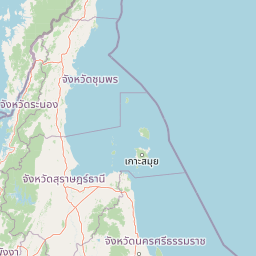
The park lies within the administrative boundaries of Phanom District and includes areas within Khlong Sak, Phanom, and Plu Tua subdistricts. The region has historical connections to local communities that have utilized the forest resources traditionally, though the national park status now restricts certain uses. The area forms part of the broader Surat Thani Province landscape, which includes both coastal areas and mountainous interior. The Thai name 'คลองพนม' reflects local naming traditions, with 'Khlong' meaning canal or waterway and 'Phanom' referring to the mountain or highland character of the area.
Top sights and standout views in Khlong Phanom National Park
The park's primary appeal lies in its dramatic limestone mountain landscapes, pristine tropical forest, and wilderness character that distinguishes it from more visited Thai parks. The steep ridges and cliff faces create scenic vistas, while the intact forest supports active wildlife populations. The connection to adjacent protected areas creates one of the largest forest complexes in southern Thailand, offering potential for experiencing a relatively undeveloped protected landscape.
Best time to visit Khlong Phanom National Park
The park can be visited throughout the year, though the optimal period falls during the cooler dry season from November through April when conditions are more comfortable for outdoor exploration. The rainy season from May through December brings regular rainfall and higher humidity, though the forest remains green and the landscapes can be particularly lush during and after wet periods. August through October typically sees the highest rainfall, while the hottest conditions occur in early April. The relatively low visitor numbers mean that the park retains its tranquility outside of major holiday periods, though facilities and access may be more limited compared to better-developed parks.