
Trip Timing
When is the Best Time to Visit Krka National Park?
Deciding when to visit Krka National Park requires balancing the park's dynamic water levels and Mediterranean climate against shifting visitor density. The most effective window for many travelers falls during the shoulder periods of May and September. These months generally offer a comfortable equilibrium, providing mild, pleasant temperatures that facilitate extended exploration of the seven travertine waterfall systems without the intense heat or the peak crowds associated with mid-summer.
The Influence of Climate on Park Access
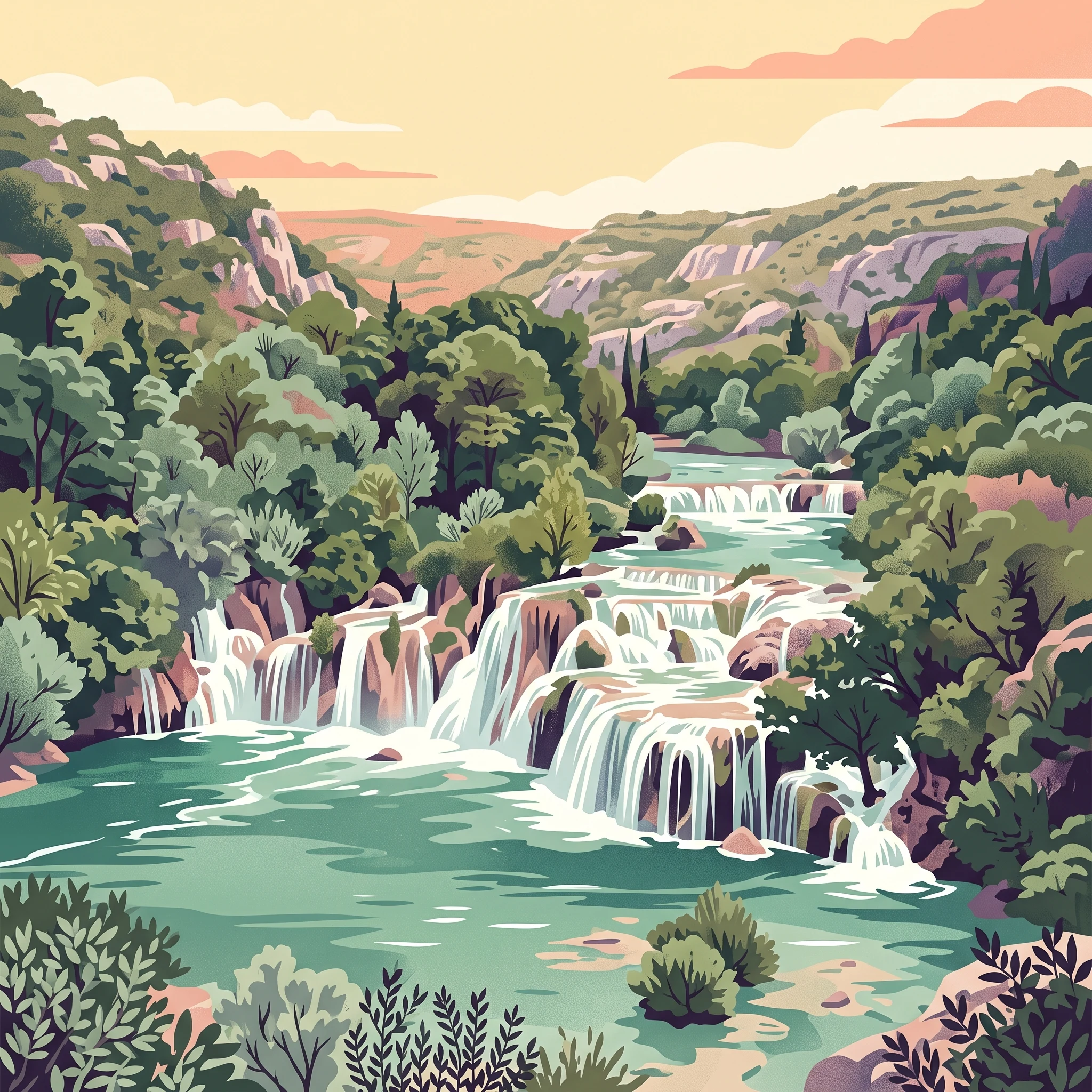
Krka is defined by the Krka River and its dramatic cascade systems, such as the famous Skradinski buk. Because the park's primary appeal is tied to water-based vistas and surrounding flora, seasonal shifts in precipitation and temperature directly influence the experience. The local climate, characterized by warm to hot summers and mild, occasionally wet winters, dictates how much time one can comfortably spend outdoors. During the height of summer, high temperatures can be taxing for those planning long hikes between historical sites and river viewpoints. Conversely, the cooler, wetter months,particularly late autumn and winter,see lower temperatures and higher relative humidity, which may limit outdoor enjoyment for visitors hoping to witness the park’s vibrant green travertine formations at their best.
Balancing Visitor Preferences and Seasonal Realities
There is no single best time to visit that satisfies every priority. If your primary goal is to capture the park in its most lush, active state while enjoying long daylight hours, late spring or early summer offers high appeal, though this period often correlates with rising visitor numbers. For those prioritizing a quieter, more contemplative atmosphere, the cooler months provide a different perspective on the Krka River basin. However, visitors must account for the fact that seasonal cycles also influence the practical accessibility of certain park features. While the park is a year-round destination, the intensity of the waterfall cascades and the viability of boat excursions can vary significantly based on recent rainfall and seasonal management.
Ultimately, selecting your travel dates should depend on your personal tolerance for heat versus your desire for tranquility. Because the park is an ecologically diverse mosaic with distinct biological highlights, such as its significant bird populations and endemic fish, your chosen timing can fundamentally change what you observe. Regardless of when you decide to go, planning around the transition periods of spring and autumn often provides the most versatile foundation for a visit to this central Dalmatian landmark.
Visit Timing Guide
Best Times to Visit Krka National Park by Season and Priority
Peak Sightseeing Windows for Optimal Waterflow
The most rewarding time to experience the park travertine waterfall systems is often during the late spring period, specifically May. During this month, the park transitions into warmer daily temperatures that average around 14.49 degrees Celsius, with highs frequently reaching 25 degrees. This window provides the ideal balance for viewing the Skradinski buk cascade at its most visually vibrant state before the intense summer heat sets in. Travelers who prioritize photography and unobstructed views of the historical monasteries often choose this period to take advantage of the 14.5 hours of daylight without the full force of the July and August crowds. The trade-off for this period is the occasional cool morning, requiring layers to manage the significant temperature swing between the early low of 3.8 degrees and the afternoon warmth.
Summer Months for Warm Water and Long Days
For visitors whose primary goal is experiencing the full breadth of the park aquatic landscape, July and August represent the core summer window. These months feature the highest mean temperatures of the year, consistently exceeding 21 degrees with daily maximums often climbing above 33 degrees. With daylight hours hovering near 15 per day in June and July, this is the most flexible period for full-day excursions along the Krka river basin. However, the compromise during these months involves managing high visitor density and the necessity of navigating peak sun exposure. Travelers seeking this period should prepare for the most robust infrastructure usage and prioritize early morning arrivals to avoid the accumulation of midday traffic at major observation points.
Autumn for Birdwatching and Botanical Interests
September serves as a vital bridge between the high summer season and the arrival of cooler, wetter autumn weather. With average daily temperatures dropping back to approximately 16.5 degrees, the heat stress of mid-summer dissipates, making the park pathways more comfortable for extended walking. This period is historically significant for migratory bird populations, as the park becomes a critical stopover on major migration routes. September offers a tranquil alternative to the summer peak while retaining enough daylight, over 12 hours on average, to complete thorough explorations of both the Krka and the monastery sites. The primary caveat is the rise in precipitation probability, which increases from roughly 1.5 mm per day in August to over 3 mm in September, necessitating versatile outdoor gear for shifting conditions.
Annual Weather Cycles
Understanding Krka National Park Weather and Climate by Month
Interpreting Annual Weather Patterns and Temperature Shifts
The climate of Krka National Park follows a distinct Mediterranean-influenced cycle where the interplay between the travertine waterfall systems and the surrounding terrain is heavily dictated by seasonal temperature swings. While regional long-term climate normals (1991 to 2020) provide a baseline for what to expect, these figures represent trends at a specific recorded elevation and should not be confused with precise, localized daily forecasts. Readers should anticipate that the lower basins near the river often experience thermal retention, while the higher elevations across the park might feel markedly different on the same day.
Temperature trends exhibit a clear ascent starting in April, which sees average maximums climbing to roughly 20.6 degrees Celsius. The summer peak occurs in July and August, when average maximums consistently exceed 32 degrees Celsius, often reaching into the mid-30s. This period of intense warmth defines the peak tourist season, though the combination of high temperatures and lower humidity levels compared to winter months makes these warm days feel dry and crisp rather than stagnant. Conversely, the cooler months of December and January bring average minimums dipping into the negative range, often accompanied by higher relative humidity levels, which can make the air feel sharper and more penetrating than the numerical mean of approximately 1.5 degrees Celsius might suggest.
Patterns of Precipitation and Humidity
Rainfall in the park is not distributed evenly across the year, with notable implications for how one might experience the landscape. The climate data indicates that while precipitation occurs throughout the year, the late autumn months are statistically the wettest. November stands out with a higher frequency of precipitation compared to the peak of summer, when July records the lowest daily rainfall averages. This inverse relationship between heat and moisture is a defining characteristic of the regional climate. Travelers should note that higher humidity readings during the winter months, often exceeding 85 percent, coincide with the period of shortest daylight hours, creating conditions that contrast sharply with the sun-drenched, lower-humidity environment found in mid-summer.
Daylight Availability and Wind Dynamics
Daylight duration serves as a primary constraint for planning site visits, ranging from a winter minimum of roughly 8.8 hours in December to a summer peak of over 15.2 hours in June. This significant variance dictates the window for outdoor photography and exploration. Wind patterns also fluctuate, with the highest mean wind speeds occurring during the colder winter months. These winds, combined with the lower temperatures, can accelerate the wind-chill effect, making the park feel significantly colder than ambient temperature readings imply. By contrast, the summer months experience calmer air, providing more stable conditions for experiencing the mist and spray generated by the Skradinski buk cascade system. It is essential to treat these monthly norms as long-term climatic averages, as actual wind conditions and daylight perception can shift rapidly based on incoming weather systems or the specific geography of a trail.
Seasonal dynamics
Understanding Seasonal Weather Patterns and Transitions in Krka National Park
Defining the Mediterranean Annual Rhythm
Krka National Park does not follow a strict four-season cycle. Instead, the park experiences a Mediterranean climate rhythm characterized by long, dry, warm phases and shorter, humid, transitional periods. These shifts are dictated by the interplay between the Krka River, the proximity of the Adriatic Sea, and the surrounding topography of central Dalmatia. Rather than viewing the year as spring, summer, autumn, and winter, visitors can better understand the park through three distinct environmental phases that govern terrain accessibility and visual conditions.
The Dry Summer Surge: June to August
This peak phase is defined by high temperatures and minimal precipitation. With average daily highs regularly exceeding 30 degrees Celsius, this is the most stable period for consistent sunshine and clear skies. The relative humidity drops significantly during these months, often dipping below 60 percent. This period is the most reliable for those seeking to photograph the travertine waterfalls under bright light, as the intensity of the sun emphasizes the turquoise hues of the river. However, this is also a period where low river flow may occur, and vegetation exhibits signs of heat-induced dryness, shifting from vibrant green to deep, sun-baked earth tones.
The Transitional Shoulders: April to May and September to October
These windows represent the most dynamic environmental changes. April and May signal a rapid transition from cool, damp conditions to the initial heat of summer. Daylight hours extend significantly during this phase, reaching their peak in June. This is the period when the landscape is at its most lush, with wildflowers and riparian flora responding to the spring recharge of the water systems. Conversely, September and October function as a cooling-down period. While September often retains the warmth of the summer, the increase in average daily precipitation signals a move toward the wetter, higher-humidity winter phase. These months are characterized by softer light, which is often preferred by those avoiding the harsh, high-contrast sun of the summer peak.
The Humid Cooling Phase: November to March
As the daylight hours wane toward their December minimum of under nine hours, the park enters its most subdued phase. This period is marked by high relative humidity, frequently exceeding 80 percent, and the highest incidence of precipitation. While temperatures remain mild compared to continental Europe, the combination of wind and dampness can make the park feel cooler than the thermometer suggests. This phase is less about broad landscape exploration and more about the raw power of the river, as increased rainfall often results in higher water volumes cascading over the travertine formations. Travelers should anticipate that the reduced daylight and increased humidity will dictate shorter, more focused visit times compared to the expansive nature of the dry summer season.
Seasonal Experiences
Seasonal Highlights and Activities at Krka National Park
Waterfall Access and Seasonal Navigability
The primary experience of the Krka river basin is its travertine cascade systems, most notably Skradinski buk. Access to these water features is tethered closely to the hydrological cycles of the park. While the waterfalls themselves remain a year-round visual fixture, the ability to engage directly with the water,such as swimming in designated zones near Skradinski buk,is strictly seasonal. Regulatory restrictions on swimming typically apply from October through May, periods that align with the transition toward more variable weather and higher rainfall. Travelers should note that operational status for these specific swimming zones is subject to annual park management policies, which prioritize the preservation of the travertine formations.
Boat Excursions and Cultural Sites
The park's cultural landmarks, including the Visovac Franciscan Monastery and the Krka Orthodox Monastery, are frequently integrated into the visitor experience via boat tours. These water-based connections are typically scheduled between April and October. This timeframe avoids the higher humidity, wind speeds, and lower daylight availability characteristic of the winter months, when boat service may be limited or suspended. Relying on boat access to reach the island of Visovac or to navigate toward Roški slap requires planning within these operational windows. During the shoulder months of April, May, and September, the combination of milder temperatures and lower visitor density creates a more tranquil environment for exploring these sites compared to the peak surge of July and August.
Terrestrial Exploration and Archaeological Context
Beyond the water, the park offers hiking and cycling trails that traverse the limestone landscape. The timing for these land-based activities is largely governed by thermal comfort. As the park reaches its highest mean maximum temperatures in July and August, reaching up to 33.6°C, outdoor activity on exposed trails can become physically demanding. Conversely, the transition months of April, May, and October offer a broader window for exploring areas such as the Burnum archaeological site. These months avoid the temperature extremes of summer and the frequent precipitation patterns that become more pronounced as November approaches. Hikers and cyclists should be aware that cycling is generally restricted on dedicated walking trails, and terrain conditions can fluctuate based on recent rainfall, necessitating a flexible approach to route planning during the wetter months of autumn and winter.
Visitor Priorities
Optimizing Your Krka National Park Visit for Specific Experiences
Balancing Walking Comfort with Temperature
For travelers who prioritize active exploration on foot, the window between April and May offers a distinct climate advantage. With mean temperatures rising from 9.62°C in April to 14.49°C in May, the park provides a comfortable environment for walking the extensive trail networks around Skradinski buk. Unlike the intense heat of the peak summer months, where average daily maximums frequently exceed 30°C in July and August, these spring months allow for longer, more strenuous treks without the physiological strain associated with high humidity and heat. The trade-off for this mild walking weather is a higher probability of moisture compared to the arid conditions of mid-summer, requiring visitors to remain flexible regarding potential trail mud or light spring showers.
Targeting the Drier Periods for Full Site Access
Visitors whose primary goal is to ensure the driest possible conditions for exploring the diverse landscapes of the Krka River basin should focus on the mid-summer period, specifically July. Climate data highlights this month as having the lowest precipitation, averaging 1.18 mm per day, paired with the lowest relative humidity levels at 58.24%. This atmospheric stability is ideal for those planning to utilize the full breadth of the park's offerings, including boat excursions to Visovac Island or the historical sites at Roški slap, which typically operate from April through October. The compromise for choosing this driest window is the exposure to sustained high temperatures, which may limit the duration of midday outdoor activity for those sensitive to heat.
Maximizing Daylight for Extended Sightseeing
If the priority is to maximize available daylight hours for photography or covering multiple points of interest in a single trip, June provides the longest days of the year. With 15.21 hours of daylight, visitors have the greatest temporal window to navigate between different sectors of the park, such as moving from the coastal-inland mix near the river's lower course to the higher elevation travertine formations. June offers a strategic middle ground, balancing significant daylight with temperatures that are generally cooler than the record highs of August. The trade-off here is that visitor interest aligns closely with these long, pleasant days, often resulting in higher density at popular transit points like the walkways at Skradinski buk. Travelers looking for the synergy of long daylight and the potential for more atmospheric mist or lush greenery should look toward late May, which provides nearly 14.5 hours of light but precedes the peak heat indices of the summer months.
Visitor Access
Seasonal Access and Operational Logistics for Visiting Krka National Park
Navigating Park Entry Points
Krka National Park features several distinct entrance locations that function differently depending on the time of year. For the primary destination of Skradinski buk, visitors commonly enter through either Skradin or Lozovac. Skradin serves as a popular gateway because it incorporates a mandatory ferry ride up the Krka River, which is a major part of the park experience. In contrast, Lozovac provides direct vehicular access, which is prioritized for bus tours and those driving personal vehicles. Because these entrances handle different logistical volumes, access protocols can shift during peak season versus quieter periods. You should always verify current road access and transport schedules through the official park portal before departing, as infrastructure management and entrance regulations are subject to updates.
Seasonal Transport and Boat Logistics
Boat transport is an essential component of the park infrastructure, connecting key sites that are not reachable by road. The Skradin ferry operates as the primary link for foot passengers, with its frequency and operational months often tied to seasonal visitor demand and weather conditions. While these services typically run through the warmer months, their availability in the shoulder seasons is weather-dependent. Beyond the main ferry, specialized tripper boats connect visitors to historical sites like the Visovac Monastery and the Roški slap waterfall area. These routes are not year-round services; they rely on sufficient daylight hours and favorable water conditions. Consequently, if your itinerary depends on reaching remote sections of the river, check the latest seasonal transit schedule from the official park administration to confirm which routes are active on your travel dates.
Operational Status of Site Attractions
It is important to recognize that the park is not a single, uniformly open attraction but a series of distinct zones, some of which feature seasonal site-specific restrictions. While the main walkways at Skradinski buk generally remain open, other areas like the archaeological sites at Burnum or the various monastic complexes may have limited hours or specific visitor guidance. During off-peak months, some amenities, secondary walking paths, or transport services may scale back or close entirely to allow for maintenance or to accommodate lower visitor counts. Do not assume that summer access rules apply during the early spring or late autumn months. Always verify current operating hours, site closures, and entry requirements for each specific zone you plan to visit, as official policy changes can occur without notice based on local river conditions or park management priorities.
Seasonal Planning
Weather, Safety, and Seasonal Preparation at Krka National Park
Preparing for Seasonal Temperature Shifts
Visitors to the Krka River basin should anticipate significant temperature variability, particularly during the shoulder months of April, May, and October. While daytime highs can reach a pleasant 20 to 25 degrees Celsius, early mornings and evenings often see temperatures drop sharply, especially as the sun sets earlier in the autumn. The transition between the high heat of July and August and the cooler, more humid months requires a layering strategy. Because the park encompasses a variety of terrains ranging from deep river canyons to open karst plateaus, localized conditions can differ from the broader regional reports. Travelers should check current weather forecasts specifically for the Skradin or Lozovac areas immediately before departure to understand the likely temperature range for their travel dates.
Navigating Seasonal Weather and Daylight Factors
Daylight hours fluctuate substantially throughout the year, impacting how much time you can spend exploring the trails and waterfall systems. While summer visitors benefit from over 15 hours of daylight in June and July, those visiting in November or December will have less than nine hours, significantly condensing the window for outdoor activities. Planning your route to align with these shorter days is essential to avoid navigating unfamiliar terrain in low-light conditions. During months with higher precipitation, such as November, trails may become slippery, and the river environment can change rapidly. Always observe posted signage and official path closures, which are frequently adjusted by park management in response to rainfall and trail safety assessments.
Managing Exposure and Park-Specific Safety
Safety within the park is heavily contingent on respecting the delicate travertine environment. It is prohibited to swim or wander outside of clearly designated zones. These restrictions exist to protect both the fragile calcium carbonate formations and the visitor from the inherent risks of the river's fast-moving currents and unpredictable depths. During warmer months, while the temptation to cool off is high, adhering to these rules is the most effective way to prevent accidents. Visitors should also be mindful of the sun during the peak summer months, as shade can be limited along the open boardwalks near the waterfalls. There is no substitute for official park alerts regarding current trail access and safety protocols, which should be verified via the official park website or visitor centers upon arrival. Because conditions can evolve based on local management decisions, always prioritize current information provided by park staff over general seasonal assumptions or online travel guides.
Final Decision Framework
How to Choose the Right Time to Visit Krka National Park
Deciding when to visit Krka National Park involves a deliberate trade-off between the park's dynamic water levels, thermal comfort, and visitor density. Because the park acts as a focal point for both regional tourism and natural water systems, your timing choice should prioritize the specific experience that matters most to your travel goals. There is no single universal window, as the conditions that favor vibrant, high-volume waterfall cascades often contradict the quiet, moderate-temperature atmosphere preferred by hikers and nature observers.
If your primary goal is maximizing time outdoors with favorable temperatures for extended walking or cycling, the spring months of April and May offer the most reliable balance. During this window, you benefit from lengthening daylight and warming averages that avoid the extreme summer heat, though you must be prepared for variable precipitation. Conversely, travelers who prioritize swimming or water-based experiences naturally gravitate toward the mid-summer months. While these months guarantee the driest weather and highest sunlight availability, they also coincide with peak visitor numbers and limited shade in exposed areas of the waterfall paths.
For those seeking a compromise, September represents a distinct transition period that retains much of the summer's warmth while benefiting from the thinning of peak-season crowds. This month serves as an ideal bridge for birdwatching and photography, provided you accept that daylight hours begin to retract and the chance of localized rain increases as the season turns toward autumn. Winter visits offer a starkly different experience, characterized by lower light availability and cooler temperatures that shift the focus from water-based recreation to the architectural and historical significance of the park's monasteries.
Ultimately, the right time to visit depends on your tolerance for heat and crowds. Before finalizing your travel dates, recognize that these seasonal patterns represent long-term climatic averages rather than guaranteed weather conditions. Access to specific transport links, ferry schedules, and trail openings can shift according to current management decisions and real-time environmental factors. Always cross-reference your preferred dates with current, official park updates to confirm that your chosen activities are feasible during your specific window of arrival.