
Planning Fundamentals
When is the Best Time to Visit Kumana National Park?
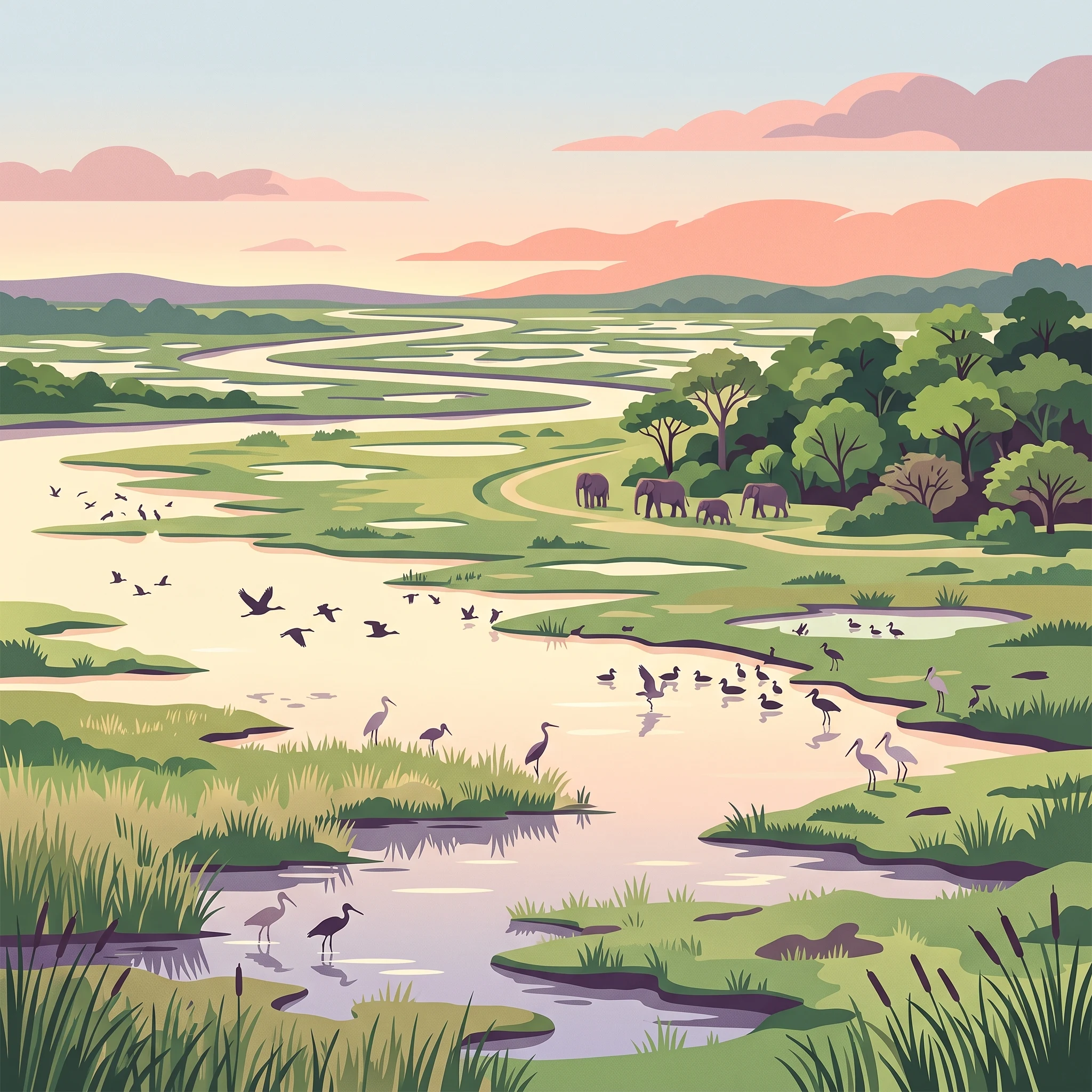
For those planning a trip to the southeastern coast of Sri Lanka, the best time to visit Kumana National Park is during the mid-year window of April through July. This specific period corresponds with the most significant migratory bird activity in the park, as the wetlands, particularly the Kumana villu marsh, transform into a critical staging ground for waterfowl traveling from as far away as Siberia. By choosing to visit during these months, travelers position themselves to witness the peak of the park's biodiversity, when rare breeding species like black-necked storks and Eurasian spoonbills are most active in the nesting grounds.
Balancing Wildlife Peaks with Environmental Shifts
While the migratory season defines the premier window for ornithological observation, determining the right time to go requires balancing this peak activity against shifting environmental conditions. The park experiences a rise in wind speeds as the year progresses from April into the mid-year months. While these winds are a natural feature of the coastal landscape, they can influence the experience of traversing the park's dry zone thorn forests and open marshlands. Visitors should expect a transition in comfort levels, as the combination of sustained wind and fluctuating humidity requires a flexible approach to daily field excursions.
Understanding the Role of Regional Weather Patterns
Because Kumana National Park is situated within Sri Lanka's dry zone, its climate is heavily influenced by broader regional monsoon patterns. The timing of a visit is not merely about identifying a period of pleasant temperatures, but rather understanding how the cycle of rainfall impacts the wetlands that sustain the park's elephant, leopard, and bird populations. Precipitation levels vary throughout the year, influencing the availability of water in the lagoons and marshes. Travelers who prioritize the most intense birding experiences often find that the slight variations in humidity and wind experienced between April and July are a worthwhile trade-off for the heightened biological activity occurring within the Ramsar-designated wetlands. Regardless of the chosen month, the most successful trips are those that account for the necessity of navigating a mosaic of coastal ecosystems where the presence of wildlife is intimately tied to the seasonal moisture levels and the health of the marshland habitats.
Seasonal Planning
Best months to visit Kumana National Park for wildlife and climate
Balancing Wildlife Activity and Climate Comfort
Choosing the best months to visit this Ramsar-designated site requires a deliberate trade-off between birding potential and local weather variables. While the avian congregations that define the park occur from April through July, this window coincides with shifting wind patterns and periods of increased humidity that visitors should factor into their planning.
Peak Window for Migratory Birding: April to July
For travelers prioritizing the park's primary appeal,its role as a sanctuary for migratory waterfowl and wading birds from Siberia,the window from April through July is the most significant. During this period, the Kumana villu marsh becomes a high-density habitat.
- April: Offers a transition into the peak wildlife period with milder wind speeds of roughly 3.37 m/s, providing a relative sense of calm before the mid-year wind increase.
- May to July: These months anchor the birding season. While the avian activity remains high, travelers should note that wind speeds typically rise, peaking around 6.85 m/s in June. Humidity levels also remain consistently above 80 percent, which can heighten the perception of heat despite mean temperatures remaining generally stable near 28 degrees Celsius.
Navigating the Drier Periods: August to March
Visitors who prioritize hiking or exploring the dry zone thorn forest may find the later months of the year offer a different experience. From August through March, the park transitions through various phases of precipitation and wind exposure that alter the accessibility of the wider landscape.
- Late Year Patterns: October and November record the highest precipitation averages in the 1991 to 2020 dataset, reaching 6.33 mm/day and 8.51 mm/day respectively. These months, alongside December, are characterized by higher humidity and lower wind speeds compared to the mid-year peak, which can create a different atmosphere for terrestrial wildlife viewing, such as spotting the Sri Lankan leopard or elephant populations outside of the primary wetland areas.
- Early Year Dry Season: The months of January through March represent the lower end of the precipitation scale, with March averaging 2.42 mm/day. This period is associated with more settled, drier northerly winds, making it an alternative window for those who prefer to avoid the higher rainfall months while still experiencing the park's diverse dry zone ecosystem.
Annual Climate Overview
Understanding Kumana National Park Weather and Climate by Month
Thermal Trends and Annual Temperature Cycles
Kumana National Park experiences a relatively consistent thermal profile throughout the year, typical of a coastal dry zone environment in Sri Lanka. Average temperatures generally hover between 26 and 28 degrees Celsius, but the perception of heat is heavily influenced by the interplay between maximum daily temperatures and humidity levels. From March through July, visitors will notice the peak daytime warmth, with maximums frequently climbing above 30 degrees Celsius. In contrast, the months of December and January represent the coolest period of the year, providing a slightly more moderate baseline for those sensitive to intense tropical heat.
It is essential to recognize that these multi-year climate normals serve as a high-level guide rather than a daily weather forecast. Localized terrain, such as the shade of the riverine forests near the Kumbukkan Oya versus the exposed areas of the coastal lagoons, can create significant microclimates. Travelers should be prepared for heat fluctuations regardless of the month, as the park lacks significant elevation relief that might otherwise mitigate tropical temperatures.
The Relationship Between Rainfall and Wetland Activity
Precipitation patterns dictate the accessibility and visual character of the park's wetland ecosystems. The annual cycle shows a distinct shift in moisture, with November standing out as the wettest period, often recording more than double the daily rainfall compared to the drier months of July and August. This surge in precipitation is a critical driver for the ecological health of the Kumana villu, as it recharges the marshes and lagoons necessary for the migratory bird populations that define the park’s appeal.
While the period between April and July is favored for wildlife viewing due to the presence of migratory congregations, visitors during these months should expect a dynamic atmosphere where sunshine is occasionally broken by convective rain. The transition into the later months of the year, particularly October and November, sees a steady rise in rainfall, which can influence how long the tracks remain navigable. These normals demonstrate that there is no strictly arid season without risk of moisture, but rather a spectrum of intensity that shifts throughout the calendar year.
Wind Dynamics and Humidity Impacts
Humidity and wind speeds play a subtle but profound role in how a visitor experiences the park environment. Humidity levels remain consistently high throughout the year, generally staying above 75 percent, which can make the midday heat feel more intense. Wind patterns offer a primary point of contrast: the wind speeds are notably higher from May through September, often averaging near or above 6 meters per second. These stronger winds can provide a refreshing effect in open areas, but they also influence the surface conditions of the lagoons and the behavior of the park's avian residents.
Conversely, the months of March and April often experience lower average wind speeds, contributing to a sense of stillness in the landscape. This relative calm is particularly beneficial for photography and bird observation, as it limits the movement of foliage and water surfaces. Understanding these subtle climatic shifts allows for better planning, as the interaction between persistent humidity and varying wind speeds dictates the comfort levels of long hours spent in the field.
Seasonal climate patterns
Understanding Local Seasons and Weather Phases in Kumana National Park
Defining the Dry and Wet Phases
Kumana National Park does not conform to a traditional four-season model. Instead, the park’s environment is dictated by two primary climate phases that influence the accessibility and visibility of the park’s wildlife. These periods are not strictly defined by calendar months but rather by shifts in precipitation intensity, humidity levels, and the strength of coastal winds that sweep across the dry zone landscape.
The core of the dry phase, typically spanning from February through early April, is characterized by reduced rainfall and lower humidity. During this period, the landscape dries out, concentrating wildlife around the remaining water sources within the villu wetlands. This makes animal sightings more predictable, as the shrinking water levels force larger mammals and resident bird populations to congregate in limited areas. The lack of heavy precipitation also ensures that internal park tracks remain firm, which is critical for navigation.
Navigating the Transitional Months
Transition periods in the park are often the most deceptive for visitors. As the year shifts toward the mid-year months, the park undergoes a noticeable transformation. From late April into May, the onset of stronger, more consistent winds marks a shift in the local weather rhythm. While this period remains a focal point for birdwatching, the increase in wind speed can influence how quickly the landscape dries and can impact the overall comfort level for visitors on open-top safari vehicles.
The latter half of the year, particularly from October through December, represents the secondary transition as the region prepares for higher precipitation. Rainfall accumulation increases during these months, occasionally leading to temporary flooding of the low-lying marshes and track inundation. Unlike the intense heat of the mid-year window, this period brings slightly lower maximum temperatures, yet the humidity climbs as the environment absorbs the increased moisture. Navigators should note that the physical accessibility of certain trails can fluctuate rapidly during this window, depending on the volume of rainfall in the preceding weeks.
Interpreting Seasonal Wind and Humidity Patterns
Beyond simple rainfall totals, humidity and wind are the primary environmental drivers that differentiate Kumana's climate. From May to September, wind speeds remain consistently higher than in the early months of the year. For travelers, this means the mid-year experience is tempered by a breeze that can mask the intense heat of the day, yet it also presents challenges for wildlife photography, where stable conditions are often preferred for long-lens work.
The humidity levels follow a distinct curve, remaining relatively high throughout the year but peaking toward the end of the calendar year. When planning a visit, it is helpful to look past the seasonal labels and focus on these environmental constants. A high-humidity month in November feels fundamentally different from the drier, more brittle landscape of March, even if the temperature averages appear similar on paper. Always consult official, current park reports before arriving, as the intensity of each transition phase can vary annually based on regional weather patterns.
Seasonal Experiences
Experiencing the Annual Cycles of Wildlife and Landscapes at Kumana National Park
Synchronizing Wildlife Activity with Wetland Cycles
The most prominent visitor experience at Kumana National Park is the seasonal arrival of migratory birds, which transform the Kumana villu marshes into a densely populated sanctuary. This event is most observable between April and July. During these months, the receding water levels in the marshlands expose mudflats that provide essential foraging grounds for waders and waterfowl. Because these species rely on the specific environmental conditions of the wetlands, the timing of your visit directly dictates the diversity of the avian sightings. For those prioritising birding, this window offers the best chance to see migratory species such as the pintail snipe or the rare black-necked stork, as these birds congregate before or during their breeding phases.
Influences of Environmental Shifts on Mammal Observations
While birdlife dominates the narrative of the park, mammalian activity is also linked to the rhythms of the dry zone landscape. During the height of the dry season, when surface water becomes increasingly scarce across the broader region, wildlife naturally gravitates toward the remaining water holes and riverine systems like the Kumbukkan Oya. This period often results in more predictable sightings of elephants and wild boar, as they congregate at these reliable water sources to drink and bathe. Visitors interested in observing these larger mammals often find that late in the dry cycle, the reduced vegetation density in the surrounding thorn forest increases visibility, though this also coincides with higher temperatures and increased wind speeds.
Navigating the Dry and Wet Phases of the Landscape
The experiential nature of a visit changes significantly when shifting from the dry months into the transition periods marked by higher rainfall, typically beginning in the latter part of the year. In the dry months, the parched, thorn-forest environment is characterized by heat and dust, which can make extended time in the field physically demanding. Conversely, as precipitation increases later in the year, the landscape undergoes a transformation into a more vibrant, greener state. While this shift often supports new plant growth, it also disperses wildlife, as water becomes more readily available in the interior of the park, making the animals less reliant on the central lagoons and water beds that visitors typically frequent for viewing.
Timing for Reptilian and Resident Wildlife Activity
Beyond migratory species, the park supports a consistent population of reptiles, including the mugger crocodile, which is most commonly spotted basking along the banks of water bodies. These sightings are less tied to the specific migratory calendar and more responsive to daily temperature fluctuations. Mid-day heat, particularly during the peak months of May and June, often drives these reptiles toward the water edges, making them a common sight during daytime excursions. Similarly, species like the Indian flap-shelled turtle are easier to observe when water levels are lower, as their habitat is more concentrated within the permanent marsh segments of the park.
Visitor Priorities
Choosing the Best Time to Visit Kumana National Park Based on Travel Goals
Balancing Thermal Comfort with Wetland Activity
Visitors seeking to avoid the peak heat of the year while still experiencing the park's primary wildlife assets often find the window between January and March most suitable. During these months, the average maximum temperatures hover between 28°C and 30°C, providing a slightly more temperate experience for those traversing the park's exposed dry zone tracks. The trade-off for this relative thermal comfort is a shift in habitat conditions. As the major wetland areas begin to transition from the wetter months, the specific migratory congregations that define the April-July peak are less concentrated. Travelers prioritizing a milder climate must accept fewer avian sightings compared to the height of the migration season.
Targeting Drier Conditions for Park Exploration
If your primary goal is to minimize exposure to rain, the period of June through September offers the most consistent weather, characterized by lower precipitation normals. July, in particular, stands out as a relatively dry month with approximately 2.28 mm of precipitation per day, making it a reliable choice for guests who want to maximize time on the trails without weather-related disruptions. However, this period coincides with higher wind speeds, which can reach averages of nearly 7 m/s. While the drier terrain facilitates movement throughout the park's network of lagoons, the increased wind can influence the visibility of certain species and impact the overall sensation of comfort during open-vehicle game drives. Guests should be prepared for these brisk conditions even when the skies remain clear.
Prioritizing Longer Daylight for Extended Observation
For those who wish to maximize the number of hours available for observation, the period from May through August provides the longest daylight hours, peaking at approximately 12.37 hours in June. This extra light is particularly beneficial for guests who plan to spend their full allowance of time in the park, as it allows for an earlier start and a later conclusion to daily game drives. The compromise here is the intersection of these longer days with the highest recorded wind speeds and elevated humidity levels, which often reach above 80%. Travelers focusing on the duration of their daily sessions should weigh the advantage of daylight against the environmental intensity of these mid-year months, which can be taxing during the midday heat.
Navigating the Transitionary Months
Visitors who prioritize a balance between environmental stability and moderate temperatures often look to the shoulder periods, specifically late March or early August. These times act as bridges between the peak birding months and the drier, windier intervals. By choosing these transition points, you may avoid the extreme wind gusts of mid-year while steering clear of the heaviest rainfall observed in November and December. The trade-off is the inherent unpredictability of transition weather, as seasonal patterns can shift earlier or later than the climate normals suggest. Maintaining flexibility in your schedule is essential when choosing these shoulder months for your visit.
Access and Logistics
Seasonal Access and Practical Planning for Kumana National Park
Navigating Access and Road Conditions
Access to Kumana National Park is defined by its remote southeastern coastal location. The primary route into the park involves a 16-kilometer entrance road that is frequently described as challenging, characterized by rugged, uneven terrain. Because this track is subject to erosion and damage from seasonal weather events, including heavy rainfall during the monsoon periods, the physical condition of the route is highly variable. Visitors should not assume that road status remains consistent throughout the year. It is essential to verify the current drivability of the park roads with the Department of Wildlife Conservation (DWC) or your tour operator shortly before departure.
Regional Connectivity and Transport Options
There are no train stations in the immediate vicinity of the park, making road travel the only viable method for reaching the entrance. Most independent travelers use Pottuvil as a base, as it serves as the nearest major hub for those coming from Arugam Bay. From these locations, the most reliable way to access the park is by booking a guided safari jeep. These local operators manage the technical challenges of the entrance road and have current knowledge of internal track conditions. While various routes exist from Colombo, such as those via the Southern Expressway or the Ratnapura-Wellawaya road, the final segment of your journey will invariably require a high-clearance vehicle. Travelers planning their trip should confirm whether their chosen transport includes the necessary park entry fees and if the provider maintains the requisite permits for vehicle entry on the dates they intend to visit.
Requirements for Permits and Official Documentation
Entry into the park is strictly regulated, and all visitors must obtain valid permits. Requirements regarding these permits, including current fee structures and the necessity of advance booking, are subject to change by the wildlife authorities. Before making travel arrangements, consult the official website of the Department of Wildlife Conservation or contact the park office directly to confirm current entry protocols. Do not rely on historical visitor accounts for permit pricing or booking lead times, as regulations are updated periodically to manage visitor density and protect the park ecosystem. Always ensure that your transportation provider is authorized to operate within the park boundaries and that they can provide documentation confirming your visit has been properly registered. Taking these steps well in advance allows for a more flexible itinerary, especially if weather-related accessibility issues necessitate last-minute adjustments to your schedule.
Safety and Preparation
Seasonal Weather Hazards and Packing for Kumana National Park
Preparing for Heat and Humidity in the Dry Zone
Kumana National Park is situated within Sri Lanka's coastal dry zone, where temperature fluctuations are more subtle than in temperate regions, yet the impact of humidity and sustained heat remains a significant planning factor. Climate data indicates that mean temperatures stay consistently warm throughout the year, typically ranging between 26°C and 28°C. However, the apparent temperature is often influenced by relative humidity, which regularly exceeds 80% across most months. Visitors should prepare for high heat absorption, particularly during the middle of the day when solar exposure is most intense. Protective measures, such as wearing lightweight, breathable, and moisture-wicking clothing, are essential for comfort during long hours in a safari vehicle.
Managing Wind Exposure During Peak Birding Months
One of the most distinct environmental characteristics of the park is the seasonal variation in wind speeds. Data from 1991 to 2020 highlights a marked increase in wind activity beginning in May, with mean speeds peaking between 6 m/s and 7 m/s through September. For those planning a visit during the primary birding window of April to July, it is important to anticipate that these gusty conditions can create significant dust and reduced visibility in open-air vehicles. Packing gear that keeps lenses and cameras protected from wind-blown grit is as critical as personal sun protection. Because the landscape is largely exposed, especially near the lagoons, visitors should also secure loose items, such as hats and field guides, which are easily lost in sudden gusts.
Essential Safety Guidelines for Wildlife Encounters
As a protected wilderness, Kumana requires strict adherence to safety protocols when observing its wildlife populations. The park is home to elephants, leopards, and significant numbers of crocodiles inhabiting the numerous inland tanks. The fundamental safety rule remains absolute: visitors must stay inside their vehicles at all times. Getting out of a vehicle is not permitted unless a safe distance is maintained, generally considered to be at least 60 meters from any potentially large animal. Feeding wildlife is strictly prohibited as it disrupts natural behaviors and can increase the risk of aggressive encounters. Because the park features dense dry-zone forest and marshland, hikers and visitors should avoid wandering away from designated routes. If exploring on foot in authorized zones, be mindful of snakes and other reptiles in tall grass; moving with purpose and making light noise can help minimize the chance of surprising wildlife. Always check with the Department of Wildlife Conservation (DWC) or park wardens for the most current warnings regarding animal activity, route safety, or any temporary area restrictions.
Final Travel Decision
Choosing the Optimal Window for Your Kumana National Park Trip
Choosing the right time for your journey to Kumana National Park requires balancing your personal travel goals against the predictable variations in climate and wildlife activity. Because there is no single ideal time that guarantees perfection for every visitor, your decision should prioritize the specific aspects of the park you most want to experience. If your primary objective is to witness the peak avian congregation in the Ramsar wetland marshes, the months of April through July offer the most consistent opportunities. During this period, the park becomes a hub for migratory waterfowl, though you must prepare for higher wind speeds and increased humidity that can impact the physical comfort of your safari.
Conversely, if your priority leans toward drier conditions or the possibility of viewing larger mammals, such as elephants or leopards, near remaining water sources during the dry season, you may find the late summer and autumn months more rewarding. While these months offer different climatic challenges, they provide a distinct perspective on the dry zone landscape. Early in the year, particularly January through March, presents a different set of trade-offs, often featuring lower wind intensity and more temperate conditions before the main heat of the year settles in.
When finalizing your plans, remember that these trends are based on long-term climate normals and do not function as daily weather forecasts. The coastal nature of this park means that local conditions can change rapidly. Always verify the current status of park roads, especially the 16-km entrance route which requires high-clearance vehicles, and confirm entry permit requirements with official Department of Wildlife Conservation sources before traveling. By assessing your own tolerance for wind and heat alongside your specific wildlife interests, you can select the window that aligns best with your expectations. Ultimately, the most rewarding visit is one that accounts for the environmental realities of the Eastern Province, ensuring you are prepared for both the seasonal climate patterns and the logistical requirements of exploring this protected wilderness.