Why Lake Pujŏn National Park stands out
Lake Pujŏn National Park is best known for its population of great bustards, a large ground bird classified as vulnerable by the International Union for Conservation of Nature. The park's recognition as an Important Bird Area by BirdLife International stems from this significant breeding and栖息 population. The combination of a high-altitude freshwater lake with adjacent coniferous forest creates a distinctive montane ecosystem that supports this notable bird species.
Lake Pujŏn National Park history and protected-area timeline
The historical significance of Lake Pujŏn National Park centers on the Pujŏn Revolutionary Battle Site located within its boundaries. This location marks events from the revolutionary period of Korean history, though detailed historical documentation available in English sources is limited. The area's transformation into a protected national park reflects later efforts to preserve both the natural environment and sites of historical importance. The formal designation as a national park elevated the area's protection status, though precise details of the establishment timeline are not extensively documented in available sources.
Lake Pujŏn National Park landscape and geographic character
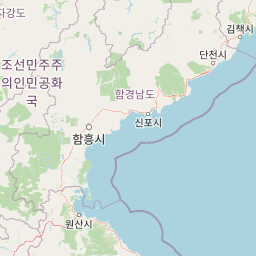
The landscape of Lake Pujŏn National Park is characterized by a mountainous terrain within the Hamgyong Mountains, a range running along the eastern side of the Korean Peninsula. The terrain rises to elevations between 900 and 1190 meters, placing the park in a subalpine to montane elevation zone. Lake Puon sits as the scenic centerpiece, a freshwater lake whose still waters reflect the surrounding forested slopes. The adjacent coniferous forest covers the hillsides surrounding the lake, creating a typically dense evergreen landscape. This combination of water and forest against a mountain backdrop defines the park's visual character.
Lake Pujŏn National Park ecosystems, habitats, and plant life
The nature of Lake Pujŏn National Park centers on the interplay between its freshwater lake ecosystem and surrounding temperate coniferous forest. The lake provides aquatic habitat supporting fish and other freshwater organisms, while the adjoining forest creates terrestrial habitats for woodland species. The montane setting at nearly 1000 meters elevation means the area experiences cooler temperatures and distinct seasonal patterns compared to lower elevations. The coniferous forest likely includes species adapted to colder mountain conditions, creating an ecosystem typical of northern Korean highland environments.
Lake Pujŏn National Park wildlife and species highlights
The wildlife of Lake Pujŏn National Park gains particular recognition through its birdlife, most notably the great bustard. This large ground-dwelling bird, which can weigh up to 20 kilograms, breeds in the open grasslands and agricultural areas of temperate Eurasia. The park's identification as an Important Bird Area by BirdLife International confirms its significance as a habitat for this vulnerable species. The presence of great bustards indicates that the park's open areas and surrounding habitats provide suitable breeding and foraging grounds. Beyond birds, the freshwater lake supports aquatic species, while the forest harbors woodland wildlife typical of northern Korean mountain ecosystems.
Lake Pujŏn National Park conservation status and protection priorities
Lake Pujŏn National Park's conservation significance is underscored by its designation as an Important Bird Area by BirdLife International, a global partnership of conservation organizations focused on bird conservation. This recognition identifies the park as a site supporting significant bird populations, specifically the vulnerable great bustard. The IBA designation reflects international acknowledgment that the park's habitats are essential for biodiversity conservation. The protected area status provides a framework for maintaining the ecological integrity of the lake and forest ecosystem, though detailed management information is limited in available sources.
Lake Pujŏn National Park cultural meaning and human context
The cultural context of Lake Pujŏn National Park includes its designation as the location of the Pujŏn Revolutionary Battle Site, connecting the natural landscape to moments of historical significance in Korean history. This aspect elevates the park's value beyond purely ecological conservation to include cultural and historical preservation. The mountainous terrain of the Hamgyong Mountains has historically served as a backdrop for events shaping Korean history, and the park preserves a tangible link to this heritage. The dual nature of conservation, protecting both natural ecosystems and culturally significant sites, characterizes the park's broader protected area mission.
Top sights and standout views in Lake Pujŏn National Park
Lake Pujŏn National Park's highlights include its high-altitude freshwater lake set within the Hamgyong Mountains, surrounded by intact coniferous forest. The park's international recognition as an Important Bird Area for supporting vulnerable great bustard populations distinguishes it among Korea's protected areas. The combination of montane lake scenery, forest ecosystems, and historical battle site significance creates a multi-dimensional protected area. The elevation of 900-1190 meters places this park in a distinctive highland environment different from Korea's coastal and lowland parks.
Best time to visit Lake Pujŏn National Park
The best time to visit Lake Pujŏn National Park would likely align with the warmer summer months when conditions are most suitable for outdoor exploration of the mountain environment. The summer season would offer the most comfortable temperatures for hiking around the lake and through the forest, though specific visitor access information for this park in North Korea would require local guidance.