Why Lama Lama National Park stands out
Lama Lama National Park is best known for its pioneering joint management arrangement, being the first national park in Queensland where traditional Aboriginal owners and the state government share formal management responsibility. The park protects critical habitat for the critically endangered Red goshawk, a rare raptor species found primarily in northern Australia. It also contains populations of Eucalyptus tetrodonta, commonly known as Darwin stringybark, an important tree species in the region's woodlands. The extensive wetland systems, numbering nearly 40 distinct wetlands, support diverse ecological communities and represent a significant conservation feature within the Cape York Peninsula landscape.
Lama Lama National Park history and protected-area timeline
Lama Lama National Park was officially declared in 2008, representing the culmination of negotiations between the Queensland government and the Lama Lama people, who are the Traditional Owners of the land. The park was created from two former pastoral properties known as Running Creek and Lilyvale, which were acquired for conservation purposes. A signing ceremony held at Coen on 10 July 2008 marked the formal establishment of the park and inaugurated Queensland's first jointly managed national park. This arrangement granted the Lama Lama people meaningful participation in park management decisions while the Queensland Parks and Wildlife Service continues operational responsibilities. The joint management model has become increasingly recognized as an important approach to reconciling indigenous cultural values with contemporary conservation practice in Australia.
Lama Lama National Park landscape and geographic character
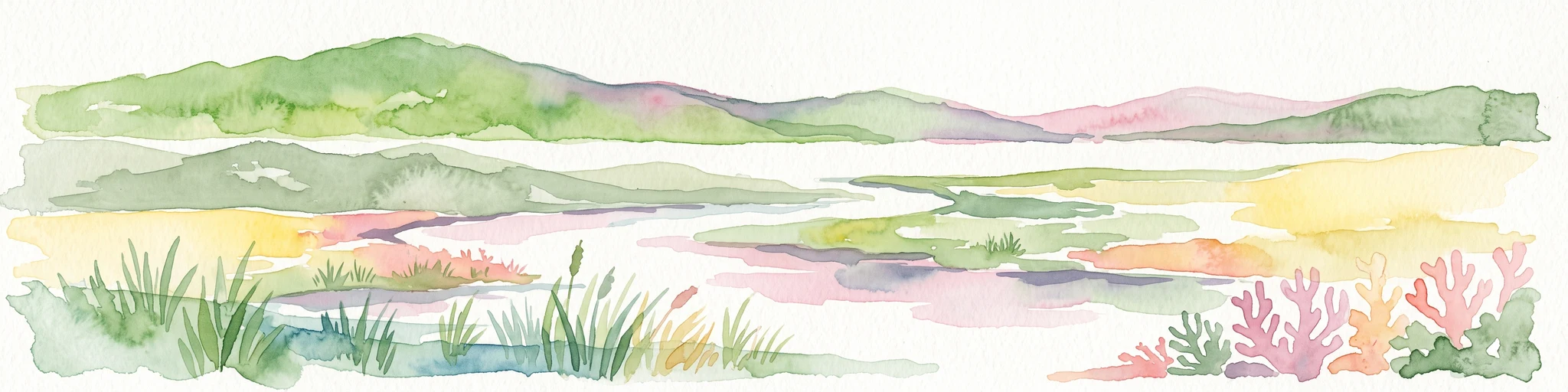
The terrain of Lama Lama National Park consists primarily of coastal plains interspersed with ancient beach ridges and areas of sandy hills, creating a gently undulating landscape characteristic of Cape York Peninsula's eastern coastline. The Annie River flows through the southern portion of the park, defining the boundary and providing drainage for the surrounding catchment. The park contains approximately 39 wetlands classified as lacustrine or palustrine, representing about 5% of the total area and providing significant ecological function within the landscape. The eastern boundary fronts Princess Charlotte Bay, where coastal influences shape the vegetation and hydrology. Two restricted areas within the park include Allngna Wungku Living Area and the Goose Swamp and Bull Swamp Area, reflecting the混合 of conservation and cultural values that characterize this protected landscape.
Lama Lama National Park ecosystems, habitats, and plant life
The park protects representative ecosystems of Far North Queensland's coastal environments, with vegetation communities ranging from woodland to wetland systems. The Darwin stringybark (Eucalyptus tetrodonta) occurs throughout the park, forming a dominant component of the woodland canopy in many areas. This species is well-adapted to the seasonal rainfall patterns and soils of the Cape York Peninsula. The extensive wetland systems, despite comprising only 5% of the park's area, provide disproportionately important habitat for waterbirds and aquatic species. These wetlands range from seasonal freshwater marshes to more permanent water bodies, supporting ecological processes that sustain biodiversity through the wet and dry seasons. The coastal plains support grasses and shrubs adapted to the wet-dry tropical climate.
Lama Lama National Park wildlife and species highlights
Lama Lama National Park provides crucial habitat for the critically endangered Red goshawk, one of Australia's rarest and most localized raptors. This species depends on tall trees near wetlands or along watercourses for nesting, and the park's combination of woodland and extensive wetland systems offers suitable breeding and foraging habitat. The wetland environments support diverse waterbird communities, with species utilizing the shallow freshwater and marshy areas for feeding and resting. The woodland areas contain various bird and mammal species representative of Cape York Peninsula's fauna. While specific species inventories are limited in the available source material, the habitat diversity from coastal plains through wetlands to sand ridge woodlands supports a range of ecological communities.
Lama Lama National Park conservation status and protection priorities
The park contributes significantly to conservation outcomes on Cape York Peninsula by protecting a diverse array of habitats within a connected landscape that includes neighboring Rinyirru National Park. The protection of Red goshawk habitat addresses the species' critically endangered status, as this raptor has very restricted distribution in Australia with population centers in northern Queensland. The wetland systems, though limited in total area, represent ecologically significant features that support water quality, provide drought refuge, and sustain aquatic and semi-aquatic species. The joint management model provides additional conservation value through indigenous knowledge integration and community engagement in stewardship. The protection of the Annie River catchment also maintains ecological connectivity between inland and coastal systems.
Lama Lama National Park cultural meaning and human context
The Lama Lama people are the Traditional Owners of the land that now comprises Lama Lama National Park, maintaining continuous connection to this landscape across generations. Their cultural association with the area predates European settlement by thousands of years, encompassing seasonal movement patterns, resource use, and spiritual connections to country. The establishment of the park under joint management represents recognition of these indigenous rights and the importance of incorporating traditional ecological knowledge into land management. The restricted areas within the park acknowledge ongoing indigenous use and cultural values associated with specific places. This collaborative approach reflects evolving understanding in Australia of the importance of indigenous involvement in protected area management.
Top sights and standout views in Lama Lama National Park
Lama Lama National Park stands out as Queensland's first jointly managed national park, representing an innovative partnership between traditional owners and government agencies. The park protects critical habitat for the critically endangered Red goshawk while preserving nearly 40 significant wetlands within its boundaries. Its location on Cape York Peninsula places it within one of Australia's most biodiverse and relatively intact tropical landscapes. The combination of coastal plains, beach ridges, sandy hills, and wetland systems creates habitat diversity uncommon in many protected areas. The Annie River catchment provides hydrological connectivity that links the park's interior to Princess Charlotte Bay.
Best time to visit Lama Lama National Park
The optimal time to visit Lama Lama National Park aligns with Queensland's dry season, typically running from May through October. During these months, rainfall is minimal, road access is generally reliable, and wildlife becomes more concentrated around remaining water sources. The wet season from November to April brings heavy rainfall that can make many roads impassable and limit visitor access to remote areas. Temperatures remain warm throughout the year given the park's tropical latitude, though the dry season offers more comfortable conditions for extended outdoor activities. Visitors interested in wildlife viewing should note that the dry season often provides better opportunities to observe animals as they congregate near shrinking water bodies.