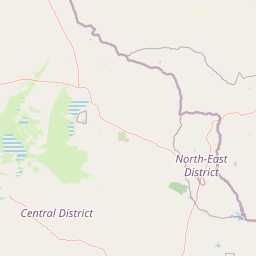
Why Makgadikgadi Pans National Park stands out
The park is renowned for its extraordinary salt pan landscape, which ranks among the largest exposed salt flats on Earth. During the wet season, the pans transform into shallow wetlands that host spectacular flamingo colonies and support large herds of zebra and wildebeest migrating from the adjacent Nata Bird Sanctuary. The stark contrast between the blinding white salt surface and the surrounding green grasslands creates one of Africa's most visually striking landscapes. The area also holds profound archaeological significance as the site of ancient human settlements and paleontological discoveries related to early Homo sapiens occupation.
Makgadikgadi Pans National Park history and protected-area timeline
The Makgadikgadi region has held significance for human populations for tens of thousands of years, with archaeological evidence indicating continuous occupation by Stone Age peoples who left behind stone tools, pottery fragments, and other artifacts across the pan surfaces. The ancient lake system supported thriving communities of early humans who exploited the rich fish and wildlife resources available in this now-arid landscape. The formal protection of the area as a national park came later in Botswana's conservation history, reflecting the government's recognition of the region's unique geological and ecological value. The park was established to protect both the salt pan landscape itself and the seasonal wildlife concentrations that make the area biologically significant despite its harsh conditions.
Makgadikgadi Pans National Park landscape and geographic character
The defining feature of Makgadikgadi Pans National Park is the vast, almost perfectly flat salt crust that stretches to the horizon in every direction during the dry season. The pan surface is typically white or pale gray, with a cracked texture resembling dried mud but composed largely of sodium chloride and other salts. Around the pan edges, the landscape transitions into Kalahari thornveld dominated by Acacia species, grasslands, and occasional rocky outcrops. The surrounding sandveld consists of ancient wind-blown dunes that have been stabilized by vegetation, creating a gently undulating terrain that contrasts with the absolute flatness of the pan surface itself. The horizon line is a defining characteristic of the landscape, with the only vertical relief provided by occasional isolated islands of vegetation and the distant tree line.
Makgadikgadi Pans National Park ecosystems, habitats, and plant life
TheMakgadikgadi ecosystem supports a remarkable range of habitats despite the challenging semi-arid conditions. The pan surfaces themselves are extremely harsh environments, but the surrounding sandveld supports grasslands, thorn woodland, and shrubland that provide habitat for diverse wildlife. During the wet season, typically from November to April, rainfall creates shallow ephemeral lakes on the pan surface that attract enormous concentrations of waterfowl and provide critical grazing for migratory ungulates. The seasonal nature of water availability shapes all aspects of the ecosystem, with wildlife movements closely tied to the rainfall patterns. The vegetation patterns reflect the underlying geology and soil conditions, with different plant communities occurring on the saline pan margins versus the surrounding sand soils.
Makgadikgadi Pans National Park wildlife and species highlights
The wildlife of Makgadikgadi pans National Park is characterized by dramatic seasonal fluctuations tied to the availability of water. During the wet season, the shallow flooding of the pans creates ideal conditions for massive flocks of flamingos, particularly the greater flamingo, which breed in the area in enormous numbers. The shallow waters also support other waterfowl including pelicans, ducks, and waders. Large herds of zebra and wildebeest migrate into the area from surrounding landscapes, attracted to the fresh grazing that emerges as the rains arrive. Antelope species including springbok, gemsbok, and red hartebeest are resident throughout the year, while predators such as lions, cheetahs, and hyenas follow the migratory prey. The birdlife is particularly notable, with the flamingo colonies representing one of the most spectacular avian gatherings in Africa.
Makgadikgadi Pans National Park conservation status and protection priorities
Makgadikgadi Pans National Park represents an important conservation priority as one of the few protected areas preserving the unique Kalahari salt pan ecosystem. The park protects both the geological heritage of the ancient lake system and the seasonal habitat that supports internationally significant bird populations. The Makgadikgadi complex, including the national park and adjacent Nata Bird Sanctuary, forms a network of protected areas that together provide crucial refuge for waterbirds during the wet season. Conservation challenges in the region include managing the tension between wildlife conservation and the traditional pastoral activities of local communities, as well as addressing the impacts of climate variability on the delicate water balance that sustains the seasonal ecosystem.
Makgadikgadi Pans National Park cultural meaning and human context
The Makgadikgadi region has been inhabited by humans for tens of thousands of years, with the salt pans and surrounding landscapes holding deep cultural significance for the indigenous peoples of Botswana. Stone Age archaeological sites are found throughout the area, representing some of the oldest evidence of human occupation in southern Africa. The ancient lake system would have provided abundant resources for early human communities, supporting fishing, hunting, and gathering economies that sustained populations in this otherwise challenging environment. Modern communities in the surrounding area continue traditional pastoral and agricultural activities, with the seasonal nature of the landscape influencing cultural practices and land use patterns.
Top sights and standout views in Makgadikgadi Pans National Park
The extraordinary scale of the salt pan landscape creates one of Africa's most distinctive wilderness experiences, with views extending unbroken to the horizon across the white expanse. The seasonal transformation during the wet season, when the pans fill with shallow water and become alive with thousands of flamingos and other waterfowl, represents a natural spectacle of global significance. The archaeological heritage of the region provides a window into prehistoric human life and the evolution of the landscape over millions of years. The contrast between the stark, empty pans and the green grasslands and wildlife that appear with the rains creates a profound sense of the seasonal rhythms that govern this corner of the Kalahari.
Best time to visit Makgadikgadi Pans National Park
The optimal time to visit Makgadikgadi Pans National Park is during the wet season, typically from November through April, when rainfall transforms the landscape and attracts wildlife concentrations. The wet season brings the spectacular flamingo gatherings, with tens of thousands of birds breeding and feeding in the shallow waters. The surrounding grasslands turn green, providing excellent wildlife viewing as zebra, wildebeest, and other grazers move into the area. The dry season, from May to October, offers a different experience characterized by stark, arid conditions and more limited wildlife viewing opportunities, though the vast empty pans have their own stark beauty. Temperatures are extreme in both seasons, with very hot conditions in the wet season and cool nights during the dry winter months.