

Mori Atlas logo
National parkMaryland National Park

Discover the mapped terrain and regional context of this protected area in New South Wales.

Maryland National Park National Park: Geographic Boundaries and Protected Landscape Atlas

Maryland National Park stands as a significant protected landscape within Australia's New South Wales region, offering a unique entry point for geographic discovery. As a designated national park, its mapped boundaries and natural terrain provide essential context for understanding regional conservation efforts and landscape patterns. This detailed page serves as an atlas-style gateway to exploring the park's identity, geographic scope, and its place within the broader natural geography of the area.

Strict Nature ReserveNorthern TablelandsNew South WalesIUCN Category IaProtected AreaTemperate Forest

Maryland National Park

National park

Park overview

Structured park overview, official facts, and landscape profile for Maryland National Park

Maryland National Park park facts, protected area profile, and essential visitor context
Review the core facts for Maryland National Park, including designation, size, terrain, visitor scale, habitats, and operating context in one park-focused overview.

About Maryland National Park

Maryland National Park serves as an important conservation enclave within the broader landscape of northern New South Wales. The park's establishment in 1999 reflected a growing recognition of the need to protect smaller, ecologically significant areas that might otherwise be overlooked in favor of larger, more prominent reserves. The Northern Tablelands region where the park is situated features a mix of eucalypt forests, grassy woodlands, and heath communities, with the specific vegetation within Maryland reflecting the local soil types, rainfall patterns, and elevation. As a strict nature reserve, the park's management priorities center on maintaining biodiversity, protecting habitat for native species, and allowing natural processes to proceed without management intervention where possible. The relatively small size of the reserve means it functions as part of a broader network of protected areas in the region, contributing to landscape connectivity and species movement across the northern tablelands.

Quick facts and research context for Maryland National Park

Maryland National Park is located in northern New South Wales, about 746 kilometers north of Sydney. The park covers an area of 9 square kilometers (2,283 hectares) and was established in January 1999. It is managed by the NSW National Parks and Wildlife Service and holds IUCN Category Ia status as a strict nature reserve. The average elevation of the terrain is 842 meters, placing it within the Northern Tablelands region. This protected area represents a significant conservation asset despite its relatively small size, with strict protection protocols in place to preserve its natural state.

Park context

Deeper park guide and search-rich context for Maryland National Park

Maryland National Park history, landscape, wildlife, and travel context
Explore Maryland National Park through its history, landscape character, ecosystems, wildlife, conservation priorities, cultural context, and seasonal travel timing in a structured park guide built for atlas discovery and search intent.

Why Maryland National Park stands out

Maryland National Park is primarily known for its strict nature reserve designation, which represents the highest level of protection within Australia's protected area system. As an IUCN Category Ia protected area, the park is managed primarily for scientific purposes and ecosystem preservation, with public access typically restricted or carefully controlled to minimize human impact. The park's elevated position within the Northern Tablelands provides it with distinctive environmental characteristics, including vegetation communities adapted to higher-altitude conditions. While not as visually dramatic as larger national parks with prominent geological features, Maryland's significance lies in its conservation role as a relatively untouched natural area where ecological processes can continue without significant interference.

Maryland National Park history and protected-area timeline

Maryland National Park was formally established in January 1999 as part of expansions to New South Wales's protected area network during the late 1990s. The creation of the park reflected ongoing efforts by the NSW National Parks and Wildlife Service to identify and protect areas of high conservation value that had not previously been included within the reserve system. The timing of the park's establishment corresponds with a broader period of protected area expansion in Australia, during which numerous new reserves were declared to improve representation of different ecosystem types. Prior to its formal protection, the land would have been subject to various land uses typical of the Northern Tablelands, potentially including grazing and forestry. The designation as an IUCN Category Ia strict nature reserve indicates that the area was recognized as possessing particularly high natural values warranting the most stringent protection available.

Maryland National Park landscape and geographic character

The landscape of Maryland National Park reflects the characteristic terrain of the Northern Tablelands, an elevated plateau region in northern New South Wales. The park sits at an average elevation of 842 meters above sea level, with the terrain presumably incorporating ridges, valleys, and slopes typical of this part of the Great Dividing Range. The underlying geology of the Northern Tablelands includes granitic and metamorphic rock formations that influence soil types and drainage patterns across the landscape. The relatively small footprint of the 9-square-kilometer park means that the landscape, while not extensive, represents a compact but ecologically meaningful sample of tablelands terrain. The elevation contributes to cooler temperatures compared to lower-lying areas and influences the types of vegetation communities present.

Maryland National Park ecosystems, habitats, and plant life

The natural environment of Maryland National Park is shaped by its position in the Northern Tablelands at an elevation of approximately 842 meters. The region experiences a temperate climate with moderate rainfall supporting a range of vegetation communities. The park likely contains eucalypt-dominated forests and woodlands, with species such as Sydney blue gum, narrow-leaved ironbark, and various stringybark species potentially present. The understory would typically include shrubs, grasses, and herbs adapted to the local conditions. The strict nature reserve designation ensures that the ecological communities within the park are maintained in as natural a state as possible, providing habitat for native species and allowing ecosystem processes to function without significant human interference. The small size of the reserve means it functions as part of a larger landscape matrix that includes other protected areas and unmodified land.

Maryland National Park wildlife and species highlights

The wildlife of Maryland National Park would reflect the biodiversity typical of the Northern Tablelands region of New South Wales. The eucalypt forests and woodlands present would provide habitat for various bird species, including parrots, cockatoos, and honeyeaters common to southeastern Australia. Mammals likely present include common possums, gliders, and smaller marsupials, along with introduced species such as foxes and rabbits. The dense understory and ground layer would support reptiles, amphibians, and invertebrates. As a strict nature reserve with minimal disturbance, the park likely supports healthy populations of native species, though the small area means populations may be limited in size. The conservation status of the reserve helps protect these species from habitat loss and disturbance that might affect them in more heavily modified surrounding landscapes.

Maryland National Park conservation status and protection priorities

Maryland National Park represents an important conservation asset within the NSW protected area network, particularly given its strict nature reserve designation. The IUCN Category Ia classification places it among the most stringently protected areas in Australia, with management focused primarily on preserving natural ecosystems rather than providing recreational access. This level of protection ensures that the biodiversity values of the area are maintained for the long term, with minimal human disturbance allowing natural processes to continue. The park contributes to the conservation network of the Northern Tablelands, complementing larger reserves in the region by protecting a distinct sample of tablelands ecosystems. The relatively small size of the reserve means it functions as part of a broader conservation landscape, with connectivity to other protected and unmodified areas being important for species movement and ecological processes.

Maryland National Park cultural meaning and human context

The cultural context of Maryland National Park is not extensively documented in available sources. The Northern Tablelands region has historical associations with Aboriginal peoples, though the specific cultural significance of the land now within the park is not detailed in the source material. European settlement of the Northern Tablelands began in the early nineteenth century, with pastoral activity transforming much of the landscape. The land now comprising the park was presumably subject to this historical use prior to its protection. The establishment of the park in 1999 represents a relatively recent addition to the protected area network, reflecting contemporary conservation values rather than long-standing indigenous protection of the area.

Top sights and standout views in Maryland National Park

The primary highlight of Maryland National Park is its status as a strict nature reserve, representing one of the highest levels of protection afforded to natural areas in Australia. This designation ensures the preservation of the park's natural ecosystems in a relatively untouched state. The park's location in the Northern Tablelands at an elevation of 842 meters provides it with distinctive environmental characteristics distinct from lower-lying areas. While not a destination for typical tourism due to its strict protection status, the park represents an important conservation area contributing to the protection of biodiversity in northern New South Wales. The relatively compact size of 9 square kilometers encapsulates a sample of tablelands ecosystems that might otherwise lack protection.

Best time to visit Maryland National Park

Information about optimal visiting times for Maryland National Park is limited in the available sources. As a strict nature reserve with IUCN Category Ia protection, access may be restricted or controlled, and visitors should consult with the NSW National Parks and Wildlife Service for current access arrangements. The Northern Tablelands experiences temperate seasonal patterns, with cooler winters and warm summers. The higher elevation means temperatures may be cooler than in lower-lying parts of the region. Visitors interested in experiencing the park's natural values would benefit from understanding any seasonal access restrictions that may be in place.
Park location guide

Geography guide, regional context, and park location map for Maryland National Park

Maryland National Park park geography, regions, and map view in Australia
Understand where Maryland National Park sits in Australia through a broader geographic reading of the surrounding landscape, nearby location context, and its mapped position within the national park landscape.

How Maryland National Park fits into Australia

Australia is a constitutional monarchy and federal parliamentary democracy comprising six states and ten territories. With a population of nearly 28 million, it is one of the world's most urbanised countries, with most people concentrated on the eastern seaboard. The country has a high Human Development Index and is known for its cultural diversity, ancient Aboriginal heritage, and unique wildlife.

Wider geography shaping Maryland National Park in Australia

Australia occupies the entire Australian continent, the island of Tasmania, and numerous smaller islands. It is the world's flattest and driest inhabited continent, featuring vast deserts in the interior (the Outback), tropical rainforests along the eastern coast, and a coastline bordering the Indian and Pacific Oceans.

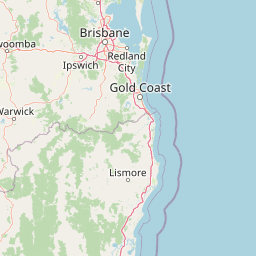
Map view of Maryland National Park

Use this park location map to pinpoint Maryland National Park in Australia, understand its exact geographic position, and read its mapped placement within the surrounding landscape more clearly.

Pigeon | © OpenStreetMap contributors

Location context for Maryland National Park

New South Wales
Park atlas

Trace the regional spread of protected landscapes and conservation areas adjacent to Maryland National Park in New South Wales.

Explore Nearby National Parks and Protected Areas Around Maryland National Park
After exploring Maryland National Park, browse other national parks and protected areas located across the Northern Tablelands and wider New South Wales. Compare their unique conservation statuses, geographic characteristics, and roles within the extensive Australian protected area network for deeper atlas exploration.
National parkQueensland

Girraween National Park: Queensland's Protected National Park Landscape for Atlas Exploration

Mapped geography and protected natural terrain.

Delve into Girraween National Park, a significant protected national park located in Queensland, Australia. This detailed entry provides essential information for understanding its geographic features, mapped boundaries, and the unique natural landscape it preserves. Discover how Girraween National Park fits into the wider Australian atlas and explore its specific regional geography and protected land context.

Area
117 km²
Established
1966
IUCN
II
Relief
Mountain
National parkNew South Wales

Boonoo Boonoo National Park: New South Wales National Park Atlas Entry

Explore mapped park boundaries and regional terrain.

This entry provides detailed information on Boonoo Boonoo National Park, a key protected area within New South Wales. Discover its specific geographic context, landscape features, and its role as a national park within the MoriAtlas geographic discovery platform. Understand the park's unique regional setting and mapped characteristics for informed atlas exploration.

Area
43.77 km²
Established
1982
IUCN
II
Relief
Upland
National parkNorthern Rivers

Tooloom National Park: National Park Exploration and Geographic Mapping

Mapped protected area and regional landscape context.

Tooloom National Park offers a focused area for protected landscape discovery within Australia's Northern Rivers region. This entry provides essential details on its designation as a national park, its geographic setting, and its mapped outlines, enabling detailed atlas-style exploration. Understand how Tooloom National Park contributes to the regional conservation geography and its specific mapped terrain for dedicated study.

Area
43.8 km²
Established
1995
IUCN
II
Climate
Subtropical
National parkNew South Wales

Bald Rock National Park: Detailed National Park Atlas and Protected Landscape Context

Explore its mapped boundaries and natural terrain within New South Wales.

Bald Rock National Park serves as a key protected area for understanding regional geography and mapped landscapes in New South Wales. This page offers an atlas-centric view of the park, detailing its protected boundaries and providing context for its natural terrain. It is designed for users seeking structured information about national parks and their geographic significance, contributing to a comprehensive understanding of Australia's conservation lands.

Area
88.83 km²
Established
1971
IUCN
II
Relief
Mountain
National parkNew South Wales

Koreelah National Park: Protected Landscape with Dramatic Gorges and Wildlife

Explore the mapped terrain and regional geography of this New South Wales national park.

Koreelah National Park is a protected national park located in northern New South Wales, Australia, celebrated for its rugged topography and significant natural features. The park's landscape is defined by spectacular gorges, sheer cliffs, and impressive waterfall systems, creating a remote wilderness experience. It serves as a vital protected area, offering refuge to diverse wildlife, including platypus and koalas, and is recognized for its importance within the Scenic Rim Important Bird Area. Discover its mapped boundaries and unique geographic context for a deeper understanding of Australian protected lands.

Area
53 km²
Established
1999
IUCN
II
Relief
Upland
National parkNew South Wales

Mount Clunie National Park: Protected Mountain Landscape and Gondwana Rainforest Geography

Explore its mapped boundaries and regional significance.

Mount Clunie National Park is a protected national park in New South Wales, Australia, characterized by its mountainous terrain and its status as part of the Gondwana Rainforests of Australia World Heritage Site. Situated in the Scenic Rim region, the park's elevated position and ancient ecosystems offer unique insights into Australia's natural heritage. Understanding its geographic context and protected landscape identity provides essential context for regional atlas exploration.

Area
14.26 km²
Established
1999
IUCN
II
Relief
Mixed relief
National parkNew South Wales

Basket Swamp National Park: New South Wales National Park and Protected Landscape Mapping

Geographic context and mapped boundaries within Australia.

Basket Swamp National Park represents a significant protected area within New South Wales, Australia. This page offers a geographic exploration of its specific location, mapped boundaries, and its role as a national park. Delve into the landscape context and atlas-level understanding of this natural reserve, distinct within the broader regional geography.

Area
28.2 km²
Established
1999
IUCN
II
Relief
Lowland
National parkNew South Wales

Mount Nothofagus National Park: Explore New South Wales Protected Landscape Geography

Mapped protected area boundaries and regional context.

Delve into the geographic specifics of Mount Nothofagus National Park, a protected national park situated in New South Wales, Australia. This resource focuses on its mapped landscape, showcasing its protected area status and its integral position within the regional geography. Understand the park's extent and its contribution to the atlas of Australian natural landscapes through detailed geographic information.

Area
21.8 km²
Established
1999
IUCN
II
Relief
Mountain

Common questions about visiting, size, designation, and location context for Maryland National Park

Maryland National Park FAQs for park facts, access, geography, and protected area context
Find quick answers about Maryland National Park, including protected-area facts, park geography, trail and visitor context, and how the park fits into its surrounding country and regional landscape.
MoriAtlas Explorer

Continue Your Protected Areas Search Across the Global Atlas

Deepen your exploration by continuing the structured search for national parks and protected areas worldwide. Utilize the comprehensive filtering capabilities to compare different conservation landscapes and refine your understanding of global park geography. Discover more about the distribution and characteristics of protected natural areas.

Global natural geography