
Mapping the karst formations, marine lakes, and coastal geography of this island ecosystem
Catalog of Named Natural Features and Geographic Landmarks in Mljet National Park, Croatia
Explore the structured inventory of named natural features associated with Mljet National Park. This geographic collection traces the diverse landscape including saltwater karst lakes, dramatic limestone cliffs, and protected forest areas. Understand how these distinct landforms and aquatic systems shape the regional geography of the island and its Adriatic coastline.
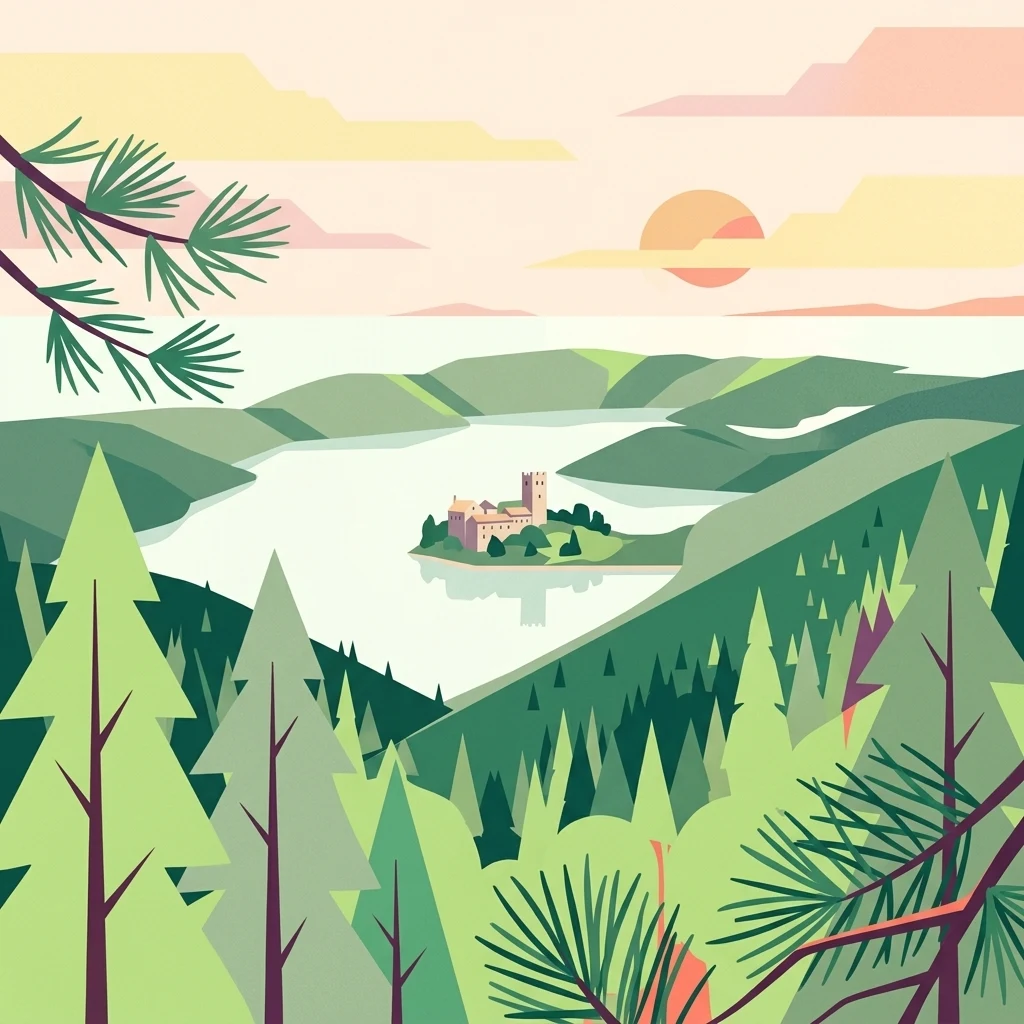
Analyzing the saltwater lakes, coastal cliffs, and limestone systems of the Adriatic island
Mapped Natural Features and Karst Waterways of Mljet National Park
Geographic catalog of marine and lacustrine islands
Islands
An exploration of island entities identified within Mljet National Park. This record examines their physical placement and contribution to the protected karst environment, offering a structured look at the isolated landmasses found across the park's coastal and lake systems.
Coastal geography and protected shoreline atlas
Bays
Identify the named bays defining the shoreline of Mljet National Park. These features illustrate the intersection of karst landforms and the Adriatic Sea, providing a detailed perspective on the park's complex coastal environment and geological evolution.
Geographic analysis of tidal channels in Croatia
Straits
Mljet National Park contains various strait features where limestone karst topography meets the Adriatic Sea. These narrow water passages demonstrate the interaction between landforms and tidal exchange, providing insight into the coastal evolution and regional hydrology of this protected island environment.
Continue Exploring Mljet National Park's Mapped Geographic Features and Protected Lands
Delve deeper into the structured atlas data for Mljet National Park, focusing on its distinctive karst terrain, mapped lake boundaries, and the preserved Mediterranean forest ecosystems. Understanding this park's geography provides critical context for regional protected area exploration and appreciating unique natural landscapes. Discover how its geological history and protected status contribute to its notable place within the broader Adriatic geography.