
Visit Planning
When to visit Mole National Park: The best time to go
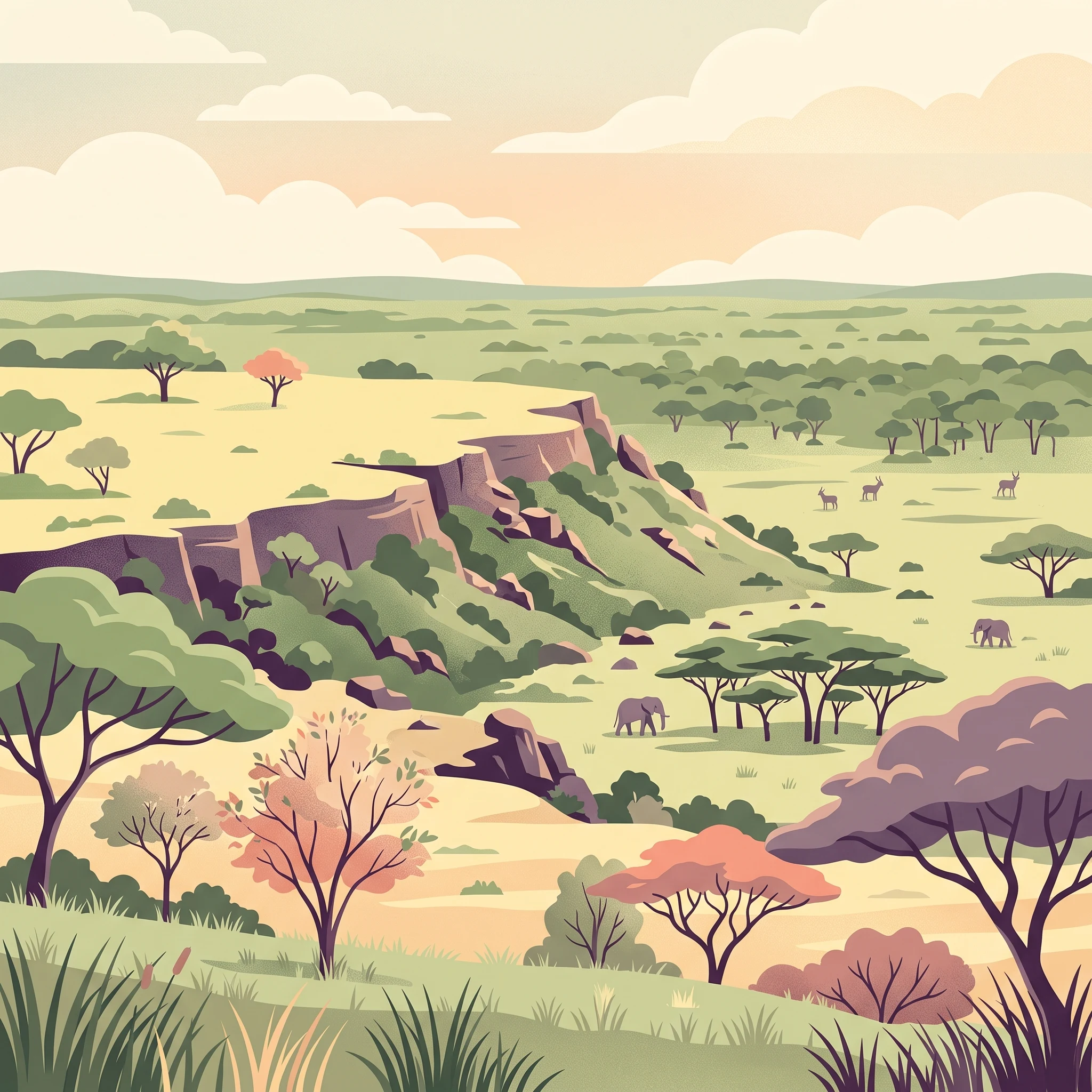
For those planning a trip to Mole National Park, the best time to visit is during the dry season, which generally runs from November through March. This period offers the most predictable wildlife encounters as the surrounding landscape dries out, forcing the park's large elephant herds and various antelope species to congregate around the remaining permanent water sources. Choosing this window allows visitors to capitalize on the park's characteristic savannah environment, where the thinning vegetation significantly improves visibility for both game drives and walking safaris. While wildlife viewing remains the primary motivation for most travelers, these months are defined by high daytime temperatures that require careful planning to manage heat exposure, particularly as the season progresses toward its peak in March.
Balancing Wildlife Visibility and Heat
The central challenge for any traveler is navigating the trade-off between wildlife density and extreme heat. By early in the year, the park experiences some of its highest average maximum temperatures, often exceeding 40 degrees Celsius in February and March. While these conditions create the most reliable opportunities to observe elephants and rare antelope species like the roan antelope at waterholes, they also demand a higher tolerance for arid, intense conditions. Travelers should expect dry, dusty air and significant heat, which can influence the timing of daily excursions. The landscape is quite different during the wetter months from May to September, when lush vegetation provides cover for animals, making them more elusive. Choosing to visit outside the peak dry months can reward you with a quieter, greener park and cooler daytime temperatures, but you must accept a higher probability of rain and less predictable animal sightings compared to the height of the dry season.
Understanding Seasonal Transitions
Beyond the binary of wet or dry, the park's climate is governed by transitions that dictate travel conditions. The onset of the dry season in November brings a welcome reduction in humidity and precipitation, following the rainy peak of August and September. This shift marks the start of the primary visitor window, as paths and access routes become more stable and the thick greenery begins to recede. Conversely, the transition months, particularly in April and October, serve as buffer periods where weather patterns are less consistent. Visitors should be prepared for changing conditions, as these months represent the closing and opening of the main wildlife viewing windows. When deciding when to go, consider that your priorities regarding wildlife volume versus landscape preference should dictate your choice, rather than seeking a singular ideal time that fits every preference.
Visitor Timeline
Best months to visit Mole National Park for wildlife and comfort
Peak Wildlife Viewing Windows: November to March
For most travelers, the primary goal is maximizing wildlife sightings, particularly the park's elephant population and diverse antelope species. The months from November through March offer the highest success rates for these encounters. During this period, the Guinea savannah experiences minimal rainfall, which causes natural water sources to diminish significantly. As surface water becomes scarce, large mammals predictably congregate around the park's remaining waterholes, creating reliable viewing opportunities for visitors. November marks the beginning of this transition, where the landscape retains some residual greenery from the preceding wet season, while February and March represent the height of the dry period. Travelers choosing these months gain the highest probability of sightings, though they must accept the trade-off of very high daytime temperatures, which frequently exceed 40°C in the final weeks of this window.
Balancing Comfort and Climate: The Mid-Year Transition
Visitors who prioritize thermal comfort over sheer wildlife density often find the months between May and September more manageable. While the increase in vegetation and the availability of scattered water sources across the park make animals harder to track, this period offers significantly lower average maximum temperatures, often dropping into the low 30s°C. Humidity levels rise throughout these months, peaking in August and September, which creates a noticeably different atmosphere compared to the arid, dusty conditions of the early year. This window is suited to travelers who enjoy landscape photography, birdwatching, or simply prefer a cooler, more stable climate for their safari activities, provided they are prepared for the increased rainfall that defines these months.
Shoulder Periods and Seasonal Shifts
April and October function as transitional months, bridging the gap between the dry and wet extremes. April often sees the first significant shift toward higher humidity and the onset of regular rainfall, cooling the peak heat experienced in March but making terrain navigation more complex. Conversely, October serves as the tail end of the wet season, where the vegetation begins to thin out as the first signs of the approaching dry season appear. These months are often preferred by those looking to avoid the intense heat of February and March, or the peak rainfall of August, offering a compromise between wildlife movement patterns and climatic conditions. While no single month provides a perfect balance, these shoulder periods allow for a more moderate experience at the cost of less predictable wildlife activity compared to the height of the dry season.
Annual Climate Normals
Monthly Weather and Climate Trends in Mole National Park
Mole National Park experiences a distinct tropical savannah climate characterized by the alternating influence of the dry Harmattan winds and the moisture-laden southern monsoon. These climatic cycles define the year, creating marked differences in temperature and precipitation that directly affect the park environment. It is important to note that these observations represent long-term climate normals (1991-2020) and should be used to gauge expected trends rather than specific local forecasts for your travel dates. Temperatures at this elevation generally follow a cycle of intense heat leading up to the onset of the rainy season, followed by a gradual stabilization as cloud cover increases.
The Peak Heat of the Dry Season
The period from February to April represents the apex of thermal intensity in the region. During these months, average daily maximum temperatures consistently exceed 40 degrees Celsius. March is often the most demanding month in terms of raw heat, with long-term data indicating average maximums reaching 41.3 degrees Celsius. This phase of the year features lower relative humidity, which can drop to around 30 percent in January and February. While the air feels drier, the lack of cloud cover during the peak daylight hours of 11.5 to 12.2 hours means the savannah floor is exposed to direct, sustained solar radiation. Visitors often find that the thermal stress is most pronounced during mid-day, as the cooling effect of wind speeds averaging between 3.2 and 3.8 meters per second is often insufficient to offset the ambient heat.
Transition to the Humid Rainy Season
Starting in May, the climate shifts as moisture levels rise, leading to more frequent precipitation that continues through September. Rainfall totals are not uniform; they build from moderate levels in May toward a peak in September, which sees an average of 5.8 millimeters per day. As precipitation increases, relative humidity climbs significantly, often exceeding 80 percent by late summer. This increase in moisture brings a drop in daytime highs, with August typically experiencing the most moderate peak temperatures at approximately 32.9 degrees Celsius. While the increase in cloud cover reduces direct sun exposure, the elevated humidity creates a different physical experience compared to the arid, scorching heat of the preceding months. The drop in average wind speed during the late summer months, sometimes dipping toward 2.1 meters per second, can make the atmosphere feel more stagnant compared to the breezier, drier conditions found at the start of the year.
The Cooling Influence of the Harmattan
As the rains recede in October, the park transitions toward the cooler, drier conditions of the year end. November and December mark a period of decreasing humidity and lower minimum temperatures. Nighttime and early morning temperatures during December can drop to an average minimum of approximately 14.9 degrees Celsius, providing a notable contrast to the sweltering nights experienced in the lead-up to the rainy season. This cooling trend is paired with a shorter daylight window, reaching its nadir in December at 11.4 hours. The return of the drier, continental air mass not only reduces humidity levels back toward the 40 percent range but also brings a renewed sense of clarity to the landscape, as the atmospheric moisture that characterized the rainy season dissipates.
Seasonal Weather
Understanding Seasonal Patterns and Climate Cycles in Mole National Park
The Primary Dry Season: November to March
The dry season functions as the defining period for park accessibility and visibility. Beginning in November, the landscape sheds the humidity of the previous months as precipitation drops to near-zero levels. This phase is characterized by a reliance on permanent water sources within the park, which draw elephant herds and various antelope species into the open, making them significantly easier to spot. Visitors during these months experience the highest diurnal temperature variations, with nights becoming notably cooler as the absence of cloud cover allows heat to escape. By February and March, the park reaches its thermal peak, with maximum temperatures frequently exceeding 40 degrees Celsius. This period is not merely a dry season but an intense climatic phase where the environment prioritizes exposure over thermal comfort.
The Transitional Windows of April and October
Transition months serve as the unstable bridges between the arid and humid phases of the park. April represents the end of the extreme heat, as rising humidity levels and the first significant rainfall events begin to alter the landscape. While wildlife remains observable at waterholes early in the month, the increasing soil moisture begins to rejuvenate the vegetation, slowly dispersing the resident herds. Conversely, October acts as the bridge back to the dry season. Precipitation begins to taper off, and the humidity levels drop from their peak highs. These months require the most flexibility, as the park conditions shift rapidly in response to early or late seasonal rains, making the physical environment unpredictable for travellers accustomed to stable weather.
The Wet Season: May to September
The wet season is marked by a shift toward more humid, temperate conditions and a dramatic transformation of the savannah landscape. Rainfall peaks between July and September, with daily averages climbing substantially compared to the dry months. This increased moisture results in the widespread growth of thick, tall grasses and dense foliage, which provides extensive cover for wildlife and disperses herds away from the park infrastructure. Temperatures are generally more moderate during these months, with the mean temperature often remaining below 27 degrees Celsius, and daytime highs are significantly less extreme than those of the late dry season. While this phase lacks the high-visibility wildlife spectacles of the November to March window, it offers a markedly different park experience, characterized by lush scenery, higher humidity, and the quiet of the low-tourism season. Travelers should note that this period is fundamentally defined by the physical challenge of navigating a landscape that is no longer concentrated around specific waterholes.
Seasonal Experiences
What visiting Mole National Park is like through the year
Savannah Wildlife Observations and Waterhole Dynamics
The experience of observing wildlife in this park is directly dictated by the availability of surface water across the Guinea savannah. During the dry season months of November through March, vegetation thins and natural water sources across the landscape evaporate, forcing resident elephant herds and antelope populations to congregate at the park's primary waterholes. For visitors, this creates the most reliable window for viewing these animals, as the lack of dense foliage offers clearer sightlines. The viewing platforms near the main lodge remain the most consistent sites for watching these interactions, particularly in the cooler, early morning hours before the midday heat intensifies.
Walking and Driving Safari Conditions
Safari experiences are shaped by the contrast between the dry, exposed terrain and the lush, dense growth of the wet season. During the peak dry months, the drier ground and thinner brush support walking safaris, which allow guests to explore the savannah on foot with an armed ranger. These outings are typically scheduled for the early morning or late afternoon to avoid the high daytime maximums that often exceed 38 degrees Celsius during the peak of February and March. As the rainy season advances from May through September, the increase in daily precipitation encourages dense regrowth of grasses and woodland cover. This transformation makes the bush more challenging for spotting wildlife, though the landscapes turn vibrant green. Driving safaris, which utilize 4x4 vehicles to cover more distance, remain an alternative throughout the year, though visitors should note that the internal track conditions may become more difficult to navigate during the height of the rainy season when precipitation levels are at their annual peak in August and September.
Seasonal Rhythm of Park Life
Beyond wildlife encounters, the rhythm of a visit is often marked by the park's ambient environment. In the heart of the dry season, the relatively lower humidity levels and higher wind speeds can make the atmosphere feel quite arid, requiring consistent hydration even when temperatures seem manageable during the early morning. Conversely, the high humidity that accompanies the rainy season months changes the feel of the savannah entirely, as temperatures become more moderate but the air feels heavier. Visitors often utilize the lodge's swimming pool as a primary method for thermal regulation during the intense heat of the late dry season. Regardless of the month, experiences such as visiting the nearby Larabanga mosque serve as a cultural component for those transiting through the area. Travelers should always verify with park authorities or local guides regarding current activity availability, as the specific behavior of wildlife and the accessibility of trails are subject to change based on immediate weather conditions rather than just historical climate patterns.
Visitor Priorities
Optimizing Your Visit to Mole National Park Based on Travel Priorities
Balancing Thermal Comfort and Wildlife Sightings
Visitors who prefer milder temperatures during their safari often find the period from late May through early September the most suitable. During these months, the peak heat of the late dry season subsides, with mean temperatures cooling significantly, often dipping into the mid-20s Celsius. The trade-off for this thermal comfort is a denser, greener landscape. The vegetation growth that follows the initial rains can make tracking wildlife more challenging, as animals have more cover to disperse into throughout the expansive Guinea savannah. If your priority is to avoid the intense heat of February and March, when daily maximums frequently exceed 40 degrees Celsius, this mid-year window is the most manageable option for extended time outdoors.
Prioritizing Maximum Wildlife Visibility
For those whose primary goal is to encounter the park's elephant herds and antelope species with minimal effort, the later stages of the dry season are unrivaled. Specifically, the months of January, February, and March offer the most consistent wildlife viewing. As the dry season persists, natural surface water disappears, forcing animals to congregate at the remaining permanent water sources. The relative absence of vegetation during this time increases visibility across the plains, making it easier to spot bushbuck, kob, and waterbuck from a distance. The main compromise here is the extreme heat and the intense dryness of the air, with relative humidity often dropping below 45 percent. Visitors choosing this period must be prepared for early morning or late afternoon game viewing, as the midday sun can be overwhelming for extended activities.
Selecting for Longer Daylight Hours and Stable Ground Conditions
Travelers who want to maximize their daylight hours for exploration should look toward the middle of the year, particularly from May to July. During these months, the park experiences longer daylight, reaching up to 12.5 hours. This provides a larger window for morning game drives and evening walks before the sun sets. However, the trade-off is the onset of the wet season, which leads to higher daily precipitation. While the moisture brings the savannah to life with vibrant greenery, it can also impact trail conditions. If your priority is dry, firm ground for traversing the park, the period from November to December is generally preferable. These months follow the rainy season, offering a landscape that is still green but rapidly drying out, with moderate temperatures and a return to more predictable, sunny weather patterns. This window represents a balance between the lushness of the wet season and the extreme water scarcity of the late dry months, though wildlife is more widely dispersed across the landscape during this period of transition.
Visitor Access and Logistics
Seasonal access and park planning considerations for Mole National Park
Access to Mole National Park is relatively straightforward for travelers, though the experience of arriving and moving within the landscape shifts alongside the seasonal cycle. While the park is accessible throughout the year, the physical ease of your journey and the subsequent requirements for park engagement depend heavily on whether you are visiting during the dry, dusty months or the humid, rainy season. Regardless of your chosen dates, you should always verify the current status of roads, public transport routes, and official park entry policies through the park authorities or your accommodation provider before finalizing your travel plans.### Navigating to the Park Gateway The primary entry point for the park is the nearby village of Larabanga. Travelers arriving from Tamale generally have the most reliable infrastructure, as the road between the regional capital and the park has been paved. While a 4x4 vehicle was once considered essential for this journey, current road conditions generally accommodate standard sedan vehicles. If you are relying on public transport, daily bus services from Tamale remain a standard option, though these schedules are subject to change. Connections from other northern hubs often involve local tro-tros or shared taxis. Because these vehicles often operate on flexible or demand-based schedules, travelers should allow for additional time and flexibility in their itinerary. If you are hiring a private vehicle or a rental, confirm with the agency that your travel dates and vehicle type are appropriate for the anticipated weather, as localized flooding can occasionally impact rural roads even if the main arteries remain open.### Operational Requirements for Park Entry Within the park boundaries, regulations regarding movement are designed for visitor safety and conservation. You are strictly required to be accompanied by an armed ranger for any walking or driving excursions outside the immediate vicinity of the lodge area. This is a durable requirement that does not fluctuate with the weather. However, the availability of specific tours, the frequency of guide rotations, and the operational status of internal facilities like the visitor center can shift based on staffing and visitor volume. During the peak dry season, when visitor numbers are at their highest, booking your activities in advance is strongly recommended to ensure availability. During the quieter rainy months, you may find more flexibility, but you must still coordinate all movements through official park channels upon arrival. Fees for entry, guided walks, and vehicle excursions are subject to revision by the park authorities. Always check the official website or contact the park office directly to confirm current permit structures before you depart, as information found in travel forums or older guidebooks may not reflect current operational costs or administrative procedures.
Safety and Preparation
Seasonal weather, safety, and packing for Mole National Park
Managing Thermal Stress and Exposure
Visitors planning a trip to the park must prioritize thermal management, as temperature patterns show significant highs throughout the year. The period from February through April consistently records the highest mean maximum temperatures, often exceeding 40 degrees Celsius. During these months, the intensity of midday heat requires careful scheduling of outdoor activities. While ranger-guided walks and vehicle excursions are standard, your ability to remain comfortable during these sessions depends on understanding your own limits and the local climatic realities. Exposure to intense heat is not merely a discomfort but a primary factor in planning daily activity cycles. It is recommended that you coordinate with local staff regarding the timing of your excursions to minimize exposure during peak thermal intensity, typically found in the early afternoon.
Preparing for Seasonal Moisture and Terrain
Rainfall levels shift significantly between the dry season and the wetter months of July through September. During the rainy season, you should anticipate that the terrain will become softer and, in some areas, more challenging to navigate. The increased precipitation frequency does not mean the park closes, but it does mean that travel routes may become less predictable. Packing for these months requires a focus on moisture management, including appropriate footwear for damp ground and protection for your belongings during field activities. Conversely, the dry season months of November to January are marked by lower humidity and minimal rainfall, which creates firmer ground conditions but often brings increased dust. Being prepared for these changes helps you maintain your comfort and focus on wildlife observation rather than managing gear or terrain issues.
Practical Considerations for Daily Field Safety
Safety in a wilderness environment like this is inextricably linked to adherence to authority guidelines and local expert knowledge. All movement within the park must be conducted under the supervision of authorized personnel. This requirement is not just a regulatory formality but a necessary component of your safety, as it ensures that you have experienced guidance in interpreting the landscape and the behavior of resident wildlife. Do not attempt to navigate tracks or walking areas independently. Always confirm the current status of park trails and access routes with the lodge or park authorities upon arrival, as changing conditions such as seasonal water levels or localized storm activity can influence which parts of the park are accessible on any given day. Check official park alerts for the most current information regarding weather, road status, and any updated safety protocols before your visit.
Trip decision guide
How to select the right time for your Mole National Park visit
Balancing Wildlife Visibility Against Thermal Comfort
Selecting your window for visiting Mole National Park requires a clear assessment of how you prioritize animal sightings against ambient temperature. The dry season, particularly from January to March, offers the most reliable conditions for spotting elephants and diverse antelope species as they congregate at the park's limited water sources. During these months, the vegetation is sparse and the terrain is firmer, which significantly improves the likelihood of successful wildlife encounters. However, this period coincides with some of the highest temperatures in the Guinea savannah. Travelers who choose this window must prepare for significant heat during the day, where maximums frequently exceed 40 degrees Celsius. If you are sensitive to extreme heat, this trade-off may diminish your enjoyment of the safari experience.
Embracing the Quieter, Cooler Wet Season
For visitors who prefer a more moderate climate, the period from May through September offers cooler conditions as the rainfall increases and temperatures drop. While this season creates a lush, green landscape that is aesthetically striking, the abundance of water and dense foliage means that animals disperse throughout the park, making them harder to locate than in the arid months. This season appeals to those who prioritize a temperate environment and are willing to accept the possibility of more elusive wildlife sightings. The transition months of April and October often act as buffers, offering variable weather patterns that can fluctuate between the extremes of the dry and wet seasons.
Making Your Final Decision
Ultimately, there is no universally correct time to visit because the park offers two distinct experiences. If your primary goal is wildlife observation and you can manage the intense heat, the dry season remains the logical choice. If your priority is a comfortable, cooler climate and you are satisfied with a more relaxed approach to game viewing, the wetter months are more suitable. Before finalizing your travel dates, always verify current operating conditions, as seasonal rainfall can impact road accessibility and park infrastructure. Because long-term climate normals represent statistical trends rather than specific weather forecasts, you should check local conditions and official park advisories shortly before your departure to ensure your expectations align with the current environment.