
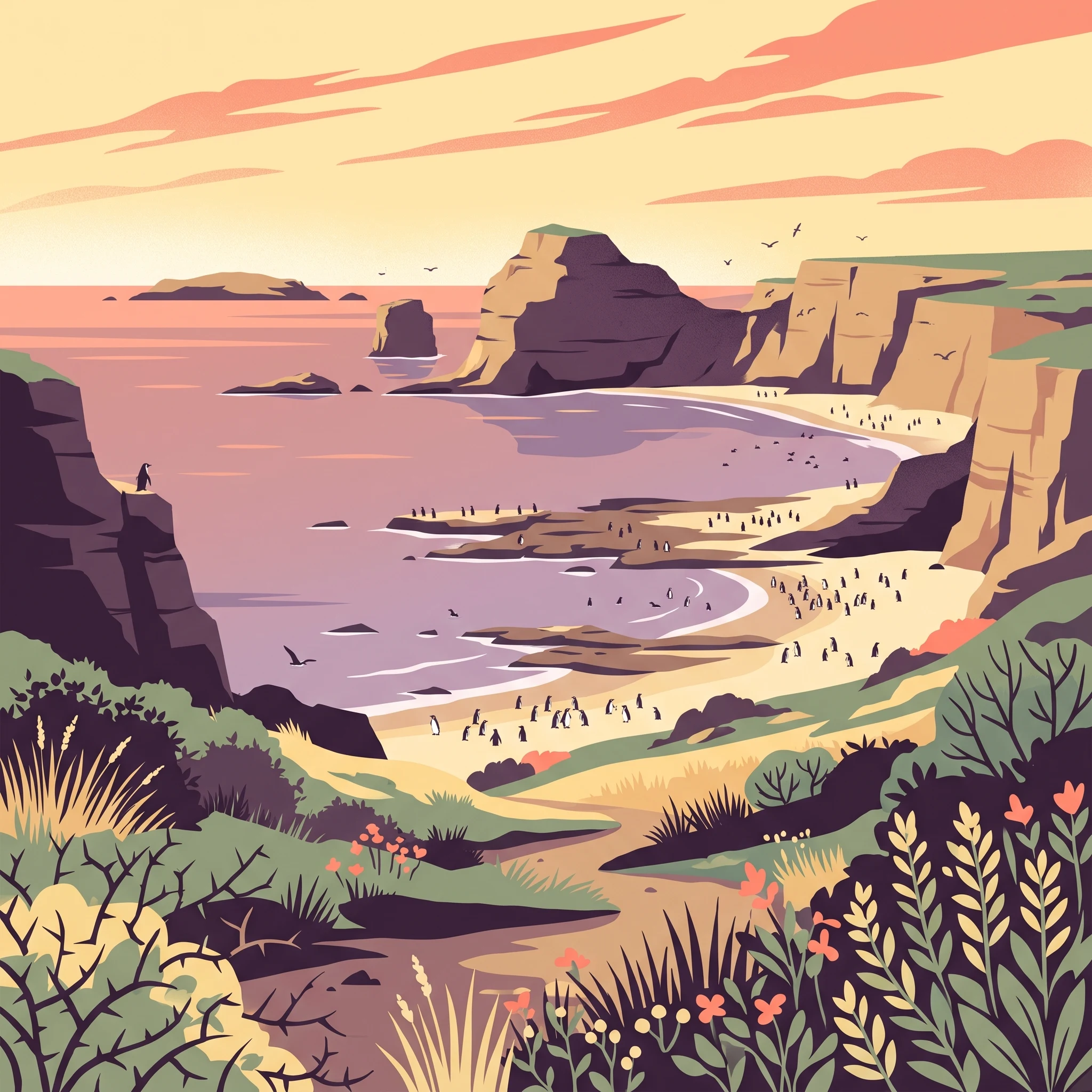
Planning Guide
When to visit Monte Leon National Park: The Essential Timing Overview
The best time to visit Monte Leon National Park generally aligns with the southern summer, specifically the window from November through March. During these months, travelers benefit from the longest daylight hours of the year, which are essential for navigating the park's coastal terrain and observing the significant wildlife colonies for which the area is famous. While these months offer the most favorable temperature conditions for outdoor exploration, they also coincide with the period when the Patagonian coast experiences its most vigorous wind patterns, a factor that must be weighed against the advantage of improved weather for hiking and wildlife viewing.
Balancing Coastal Climate and Access
Planning a trip to this protected area requires balancing the desire for warmer, sunnier days against the reality of the coastal environment. The climate here is semi-arid, characterized by frequent wind and limited annual rainfall. Throughout the summer months, mean temperatures typically range between 11 degrees Celsius and 15 degrees Celsius, providing a comfortable climate for exploring the sandstone cliffs and the shoreline. However, the consistent wind remains a defining feature of the park year-round. While the wind speeds remain relatively high throughout the year, the increased daylight, extending to over 15 hours in December and January, maximizes the opportunity to experience the park's unique biodiversity, including its famous Magellanic penguin colonies and the rare puma populations known to hunt along the coast.
Interpreting Seasonal Trade-offs
Visitors should not focus solely on finding the warmest day, as the park's character is fundamentally shaped by its maritime and steppe environment. The colder months, extending from late autumn through winter, bring significantly reduced daylight hours, colder temperatures, and the possibility of snow. These conditions alter the visitor experience, shifting the focus from coastal wildlife observation to the rugged, quiet solitude of the Patagonian steppe. Because the park's primary appeal revolves around its accessible coastal ecosystem, the summer season serves as the most practical window for the majority of travelers. Those planning a visit must account for these environmental variables by preparing for variable weather even during the height of the summer. The decision to visit depends less on a single ideal date and more on an individual's readiness to engage with a dynamic, wind-swept coastal landscape where wildlife visibility and the ability to traverse the beach during low tides are dictated by the seasonal patterns of the southern hemisphere.
Seasonal Planning
Best Months to Visit Monte Leon National Park for Your Interests
Peak Wildlife and Warmth: January to February
For visitors whose primary objective is observing the coastal biodiversity, including the Magellanic penguin colonies and the unique predator-prey dynamics of the park, mid-summer remains the most supported window. January and February offer the highest mean temperatures of the year, typically hovering around 14°C to 15°C, with daylight extending to over 14 hours. These conditions provide the most stable environment for hiking the cliffside trails and coastal sectors. Travelers in these months should anticipate the strongest winds of the season, which can significantly impact the sensory experience of the coastline. While temperatures reach their annual maximums, the semi-arid climate ensures that precipitation remains low, minimizing the risk of weather-related trail closures for those comfortable with vigorous wind.
Transition and Solitude: November, December, and March
Shoulders of the peak summer season offer a distinct set of trade-offs for those seeking to avoid the height of visitor interest or simply looking for different coastal conditions. November and December serve as the onset of the warmest period, characterized by long, clear days that stretch beyond 15 hours. Early in the season, such as November, visitors may find slightly milder wind speeds compared to the peak of January. March represents the tail end of the viable visiting window, as daylight hours begin a rapid decline toward the autumn. During March, mean temperatures drop toward 11°C, and the atmosphere feels increasingly brisk, making it a suitable period for those who prefer cooler, quiet exploration over the intensity of mid-summer. These shoulder months require greater flexibility, as the coastal wildlife colonies are dynamic and their presence can shift in response to natural cycles.
The Off-Season: April to October
Visiting during the austral autumn and winter presents a significant departure from the summer experience. From April through October, the park enters a period of low light, freezing temperatures, and increased humidity. Mean temperatures often dip below 5°C, with night-time lows frequently falling well below freezing. While the steppe landscape retains its dramatic, desolate beauty throughout the year, the combination of short daylight hours (dropping to under 8 hours in June and July) and colder conditions makes this period challenging for typical outdoor recreation. There is no evidence of visitor-centric infrastructure remaining consistent during these months, and the combination of seasonal weather patterns means that even simple coastal navigation requires advanced preparation and adherence to official safety guidance. Travellers planning for these months should prioritize self-sufficiency and acknowledge that the primary wildlife spectacles that define the park are less accessible or absent entirely compared to the summer months.
Annual Climate Overview
Understanding Weather and Climate Patterns at Monte Leon National Park
Defining the Patagonian Coastal Climate
Monte Leon operates within a semi-arid, wind-dominated coastal climate typical of the Santa Cruz province. Visitors should understand that the long-term climate normals presented here reflect a baseline environment rather than a forecast. Atmospheric conditions at this coastal latitude are volatile, meaning that while the data suggests clear seasonal trends, the park can experience significant shifts in wind intensity and temperature within a single day. The 94.88-meter elevation sample point provides a reliable indicator for the general coastal plateau, yet local topography near the sandstone cliffs can amplify wind effects and alter humidity levels compared to the open steppe.
Solar Cycles and Daylight Variability
One of the most defining characteristics for anyone planning a trip is the extreme variance in daylight hours. The park experiences a marked solar swing, with December providing approximately 16.11 hours of potential light, facilitating extended periods for wildlife observation and hiking. This shifts dramatically as the calendar moves toward the winter solstice in June, where daylight drops to roughly 7.9 hours. This seasonal contraction significantly limits the window for safe navigation and outdoor activities during the colder months, making the summer period the only practical timeframe for those hoping to capitalize on the vast, rugged coastline.
Temperature Ranges and Seasonal Transitions
Temperature patterns follow a distinct cycle that correlates with the intensity of solar radiation. The summer months of December and January feature the highest average daily maximums, often approaching 27 to 30 degrees Celsius. However, the average daily minimums even in these peak months remain cool, frequently dipping to around 3 to 4 degrees Celsius. This highlights a crucial environmental trade-off: the middle of the day may be pleasantly warm under direct sunlight, but the mornings and nights remain consistently chilly. As the region transitions into the shoulder months of April and October, mean temperatures fall into the single digits, with late-autumn and winter minimums routinely dropping well below freezing.
The Role of Humidity and Wind
Humidity and wind speed act as critical modifiers to how the temperature actually feels to a visitor. The wind is a persistent element of the local climate, with average speeds consistently hovering between 5 and 7 meters per second throughout the year. These winds are not seasonal spikes but rather an omnipresent force that can significantly increase the wind chill factor, particularly when humidity levels are high. During the winter months of June and July, humidity rises above 86 percent, coinciding with lower temperatures. This creates a damp, penetrating cold that feels considerably harsher than the numerical mean temperature might suggest. Conversely, the lower humidity levels of 47 to 50 percent during the peak summer months of December and January help make the warmer days feel more manageable for those spending time in the open, exposed landscape of the steppe.
Precipitation and Moisture Trends
While Monte Leon is classified as semi-arid, precipitation remains a year-round factor rather than a seasonal event. Monthly rainfall averages stay relatively low, generally remaining around 1 millimeter per day or less throughout the year. December represents the wettest period according to historical climate records, though this moisture often manifests as transient coastal mist or brief, high-intensity showers rather than sustained downpours. In the cooler months, specifically from May through August, this moisture is increasingly likely to occur in the form of snow or frost. Because the park's coastal landscape offers limited natural shelter, visitors should be prepared for rapid weather shifts that can turn mild conditions into cold, wet scenarios with little warning.
Seasonal dynamics
Annual Weather Phases and Seasonal Transitions at Monte Leon National Park
Defining the Patagonian Coastal Seasonality
Monte Leon National Park does not experience the traditional four-season cycle familiar to many temperate regions. Instead, its climate is defined by two primary phases: a high-energy summer window characterized by extended daylight and relative warmth, and a long, austere transition period that spans the remainder of the year. Understanding this binary rhythm is essential for planning, as the park environment changes significantly between the peak activity months and the quiet, colder remainder of the year.
The High-Energy Summer Phase (November to March)
This period acts as the park's biological and accessible heart. From November through March, daylight hours peak, reaching over 15 hours in December and January. These months offer the most reliable conditions for observing the park's coastal wildlife, including the Magellanic penguin colonies. While this is the warmest period, with mean temperatures ranging from roughly 11.8 to 15 degrees Celsius, it is defined by the persistent Patagonian wind. Visitors often find that the 'warmer' season is less about heat and more about the ability to navigate the coastal terrain comfortably. The wind speeds during these months remain high, often mirroring the intensity seen during the cooler shoulder periods, which means even the warmest summer days require layers and wind-resistant gear.
The Extended Transitional and Off-Season (April to October)
As March concludes, the park enters a protracted shift toward winter conditions. By April, temperatures begin to decline, and daylight hours shorten rapidly, dropping to below 10 hours by mid-autumn. This phase is characterized by increasing humidity and a shift in the local ecosystem's visibility, as many migratory bird species and active marine populations move elsewhere or become less visible.
Winter, defined by the months of June and July, brings the most significant environmental constraints. During this window, mean temperatures approach freezing, and the daylight period is at its annual minimum, often around 8 hours. The park landscape becomes more isolated and prone to harsher weather events. Precipitation during these months can fall as snow or sleet, adding a layer of logistical complexity that makes travel during this phase markedly different from the summer experience. The wind, while still a constant factor throughout the year, is felt more keenly in these colder months as the lack of warmth removes the mitigating effect of sunny, long-daylight intervals.
Navigating the Transition Windows
Transitions between these two phases are not instantaneous. The shoulder months, particularly October and April, serve as critical bridge periods. October is a month of awakening, where temperatures begin a steady climb toward the summer averages and daylight hours stretch toward the 14-hour mark. It represents a period of change where the park begins to prepare for the arrival of wildlife and the return of consistent visitor access. Conversely, April marks a cooling trend where the intensity of the summer wind begins to combine with shorter days, signaling a withdrawal of the active season. Visitors arriving during these months should prepare for variable conditions that can shift from mild, sun-drenched afternoons to biting, wind-driven chill within the span of a single day.
Seasonal Experiences
Seasonal Shifts and Wildlife Activity in Monte Leon National Park
Wildlife Cycles and Seasonal Viewing
The coastal environment of Monte Leon is defined by distinct biological rhythms, particularly regarding its Magellanic penguin colonies. These birds begin arriving at the shoreline in October to establish nesting grounds, making the start of the primary visitor season a critical window for those wishing to observe breeding and nesting behaviors. As the season progresses through the summer months, the activity within the colony intensifies. Visitors focusing on wildlife viewing should note that the presence of these colonies is the driving factor for the park’s visitor accessibility window, which typically shifts in its service level between the October to April peak period and the quieter winter months. Because these animals are sensitive to environmental disruption, the timing of your visit directly impacts your ability to observe them from the designated miradors, such as the Penguin Trail.
Accessing Coastal Landscapes and Hiking Trails
The park’s topography, featuring dramatic sandstone cliffs and shifting coastal bays, requires careful consideration of both daylight and physical conditions. During the peak months of December and January, the extended daylight (reaching over 16 hours in December) offers a practical advantage for exploring trails like the Cabeza del Leon, which provides access to sea lion haul-out areas. However, these longer days also coincide with periods where wind intensity can be a significant factor, potentially affecting the comfort of exposed walking. While the trails remain accessible outside of the peak summer window, the visitor experience changes significantly; the shorter daylight hours of May through August, combined with lower temperatures, make coastal hiking a more rigorous undertaking requiring specific preparation for cold and limited visibility.
Seasonal Restrictions and Activity Windows
Certain recreational activities at the park are tied to specific calendar dates rather than continuous availability. Fishing, for instance, is a regulated activity permitted along the beach near the Juan Quinonez recreation area only between January 1 and April 30. This timing is essential for those planning a visit around shore-based fishing. Similarly, the ability to observe marine life such as southern right whales or dolphins by kayak is highly dependent on both sea conditions and the seasonal migration patterns that characterize the Argentine Sea. Because these experiences rely on environmental factors that fluctuate year to year, visitors should treat these windows as general guidance and verify the current operational status of the park’s recreational zones and permit requirements before travel.
Travel Priorities
Optimizing Your Visit to Monte Leon National Park Based on Travel Goals
Selecting Dates for Wildlife Observation
For visitors prioritizing the observation of the park's iconic Magellanic penguin colonies and sea lion haul-outs, the window from late October through March offers the highest probability of success. The penguins arrive in October to establish their nests, and this cycle continues through the warmer months as adults forage and eventually raise their chicks. Because wildlife presence is tethered to these breeding and molting seasons, planning your visit outside of the October-to-April operational window effectively removes the primary draw of the coastal ecosystem. While January and February provide the peak of the season with long, 14-to-16-hour days, the trade-off is the intensity of the Patagonian wind, which can make long, stationary periods at cliffside overlooks physically challenging. If you prefer to watch the wildlife with slightly more manageable wind speeds, consider the transition months of November or March, though you must accept lower temperatures than mid-summer.
Prioritizing Milder Walking Conditions
If your goal is to traverse the steppe trails and coastal overlooks with the greatest comfort, you should look toward the shoulder months of November and March. In these periods, the average maximum temperatures, which range between 26 and 27 degrees Celsius, are slightly more forgiving than the intense summer peaks while still maintaining enough daylight for multi-hour excursions. These months avoid the highest humidity levels seen in the cold off-season, keeping trails dry and the footing more secure across the sandstone terrain. The compromise here is daylight: while you retain over 12 hours of light, you lose the expansive, nearly 16-hour days found in December and January, requiring a more disciplined approach to your daily hiking schedule.
Balancing Daylight Against Wind Exposure
Visitors focused on maximizing daylight for photography or extended coastal exploration naturally gravitate toward the mid-summer peak of December and January. With daylight extending beyond 15 or 16 hours, these months allow for the most flexible planning, as the sun remains high well into the evening. However, this is also when the mean wind speeds are at their highest annual levels, averaging near 7 meters per second. This wind is a constant presence on the exposed sandstone cliffs of Monte Leon, and it can significantly impact how long you can remain stationary at a viewpoint. If you choose these months, you are prioritizing the temporal freedom of long days over the physical ease of calmer weather. Conversely, if your priority is to avoid wind, you are essentially forced into the late-autumn or early-spring shoulder months when weather is less predictable and daylight hours are significantly shorter, presenting a fundamental conflict between wind exposure and exploration time.
Access and Logistics
Seasonal Access and Operational Considerations for Monte Leon National Park
Navigating Access to a Remote Coastal Environment
Monte Leon National Park is a protected area situated in a remote sector of the Patagonian coastline. Because of its location along National Route 3 (RN-3), accessibility is fundamentally tied to long-distance travel logistics. While the park is a designated federal area, visitors must account for the fact that infrastructure is minimal and subject to administrative changes. Access routes rely heavily on the condition of the regional road network, and travelers should consult the National Parks Administration (Administracion de Parques Nacionales) or official park channels for real-time status updates regarding road accessibility, park gate operations, and any temporary site closures before beginning their journey.
Transport and Arrival Logistics
The most practical gateway for reaching the area is the city of Rio Gallegos, which hosts the nearest commercial airport. From this hub, the journey to the park involves a drive of approximately 210 kilometers. Because the park is remote and consists of unpaved tracks within its boundaries, many visitors choose to rent a vehicle. A 4WD truck is often recommended for better handling of the terrain, though vehicle requirements can vary depending on specific weather conditions and the maintenance status of the access roads. Travelers who do not wish to drive themselves may look into taxi services from Rio Gallegos, but it is essential to arrange these private transfers with clear return instructions, as mobile service and public transport options are virtually non-existent once you leave the main highway corridors.
Operational Considerations for Wildlife Viewing
Access to specific sites within the park, particularly the coastal areas inhabited by the Magellanic penguin colonies and sea lions, is subject to the park's management regulations. These areas are strictly governed to protect the local fauna. During the breeding and molting seasons, certain sections of the coastline may be restricted to minimize disturbance. Visitors planning their trip specifically to witness these wildlife spectacles must recognize that colony accessibility is not a permanent feature of the landscape but a regulated experience. Always check the current visitor guidelines to determine if specific trails or beach access points are open during your planned dates, as management protocols are updated annually or as environmental conditions dictate.
Planning and Regulatory Requirements
While the park does not operate with the complex reservation systems found in more heavily trafficked global destinations, visitors should still prepare for a self-sufficient experience. There are no services, shops, or refueling points within the park borders. Proper planning requires ensuring that you have enough fuel, water, and supplies in Rio Gallegos before departing. If you intend to engage in specialized activities that may require permits or special authorization, these must be secured well in advance through official government channels. It is important to treat all information regarding visitor center hours, specific trail availability, and camping regulations as subject to change. Verify the current operational status through the official website of the Argentine National Parks before finalizing your travel dates to avoid unexpected arrival complications.
Safety and Preparation
Seasonal Weather Safety and Preparation for Monte Leon National Park
Preparing for Coastal Wind and Temperature Volatility
The Patagonian coastline presents a challenging environment where the most critical preparation factor is managing exposure to persistent wind. Even during the warmer summer months from November through March, mean wind speeds often exceed 6 m/s, which can drastically lower the sensible temperature. Because this wind is a constant presence regardless of the season, visitors should prioritize layering systems that include windproof outer shells. This approach allows for the necessary flexibility to adjust to the rapid weather shifts typical of the Santa Cruz province.
While daytime maximum temperatures in January and February may climb toward the mid-20s Celsius, the drop in temperature during the early morning and late evening can be significant. Preparing for these fluctuations requires high-quality, insulating mid-layers. Avoid relying on heavy, non-breathable garments as the primary defense against the climate, as the combination of moderate temperatures and high wind requires moisture management to stay comfortable while moving between coastal lookout points and the steppe.
Daylight and Exposure Management
During the peak summer visiting window, you will experience over 15 hours of daylight. While this provides excellent opportunities for exploring the sandstone cliffs and penguin colonies, it also increases the risk of prolonged UV exposure. High-latitude sun can be deceptive, especially when combined with the reflective nature of the coastal environment and the lack of natural shade across the steppe. Protective eyewear and head coverings are essential for managing this exposure throughout long days of exploration.
Seasonal Terrain and Ground Conditions
Safety in this environment is heavily dictated by your interaction with the rugged coastal terrain. The sandstone cliffs and the shifting tidal zones require sturdy, reliable footwear with good traction. As noted in earlier discussions of access, the park includes wide beaches and rocky areas that change significantly with the tide. Always consult official park updates and tide charts before heading toward the shore. Never attempt to venture onto sandbars or into narrow bays without verifying that the tide is receding or safe to navigate. Sudden tidal shifts can create hazardous conditions, so maintain a clear awareness of your surroundings and the time of day.
Because the park contains vast, exposed areas, there are few natural shelters. Ensure you carry sufficient supplies for the duration of your trip, as services within the immediate vicinity of the protected area are limited. Always check the latest local weather alerts and official park notices before departing, as regional conditions can change rapidly and differ from broader climate normals.
Trip planning
How to choose the best time to visit Monte Leon National Park
Balancing Patagonian Wind and Daylight for Your Trip
Choosing when to visit Monte Leon depends entirely on your tolerance for the persistent Patagonian wind versus your desire for maximum daylight and wildlife viewing. The core of your decision lies in the window from November through March. During these months, you benefit from the longest daylight hours of the year, which are critical for exploring the coastal trails and observing the Magellanic penguin colonies. However, this is also when wind speeds remain high, a constant environmental factor that can affect the comfort of outdoor activities and the accessibility of certain coastal vantage points.
If you prioritize wildlife observation and milder temperatures, the months of January and February offer the most consistent conditions for seeing the colonies in their active phase. While these months provide the longest days, they do not guarantee calm weather. You must accept that windy conditions are a signature feature of the park, even during the peak of summer. Those who prefer more moderate wind speeds may find the shoulder months of November, December, or March to be a more balanced alternative, though these periods require more flexibility regarding potential shifts in sea conditions and wildlife visibility.
Practical Priorities for Final Selection
When finalizing your travel dates, move beyond a simple calendar-based decision and consider the specific logistical realities of the park. Because Monte Leon is a protected ecosystem with sensitive wildlife, your visit must align with periods where access to the shore is both permitted and practically feasible. You should evaluate your itinerary against the following factors:
- Daylight availability: Maximize your time by targeting the summer solstice window, yet prepare for the physical intensity of sustained wind which can make long days outdoors more fatiguing.
- Wildlife access: Ensure your travel dates align with the active season for the penguin colonies, keeping in mind that these creatures are not visible on the coast year-round.
- Operational requirements: Remember that climate normals provide a statistical expectation, not a guarantee of daily weather. Current administrative rules and road conditions can change regardless of the time of year.
Ultimately, there is no single month that satisfies every traveler. The best time to visit is the period that aligns with your specific tolerance for the volatile coastal climate. Before finalizing your booking or departing, verify current park access, road status, and local weather forecasts to ensure your expectations match the conditions on the ground. By staying flexible and prioritizing safety over rigid schedules, you can better navigate the unique environment of this marine-protected landscape.