
Trip Timing Basics
When is the best time to visit Morton National Park?
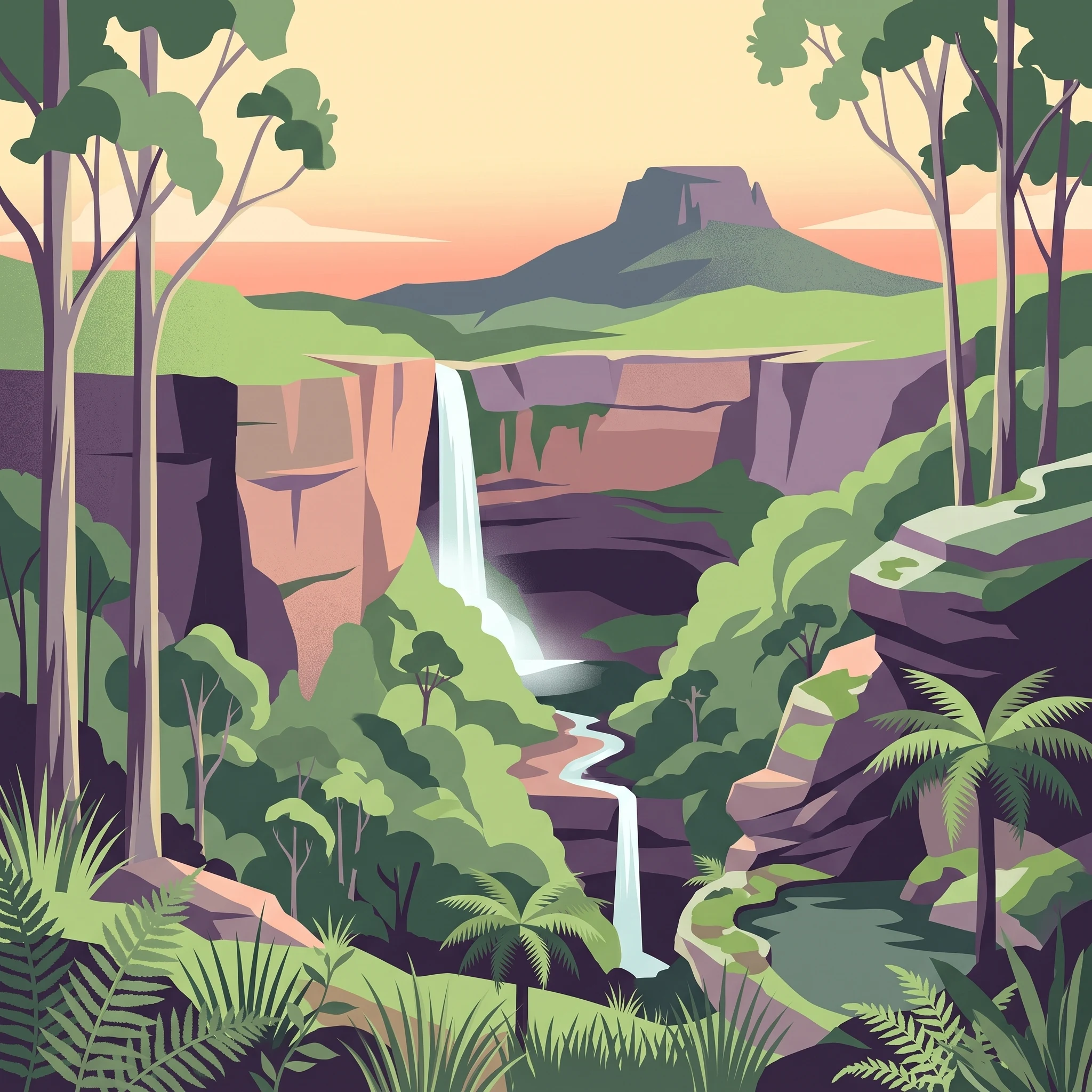
The best time to visit Morton National Park depends on your tolerance for temperature extremes and your primary goal for the trip, whether that is hiking to the peak of Pigeon House Mountain or viewing the dramatic plunge of Fitzroy Falls. Because the park spans a vast and varied landscape across the Southern Highlands and the South Coast of New South Wales, climate conditions fluctuate significantly between the elevated plateaus and the lower forest gullies. For most visitors, the shoulder seasons of autumn and spring provide the most balanced experience, offering mild, comfortable temperatures that avoid the biting frost of winter and the heat waves that can push maximum temperatures well into the mid-thirties during the height of summer.
Balancing Comfort and Environmental Conditions
Planning a visit requires navigating the interplay between daylight hours, temperature fluctuations, and atmospheric conditions. During the peak of summer, daylight stretches past 14 hours, providing ample time for extended treks, but this benefit is frequently offset by intense heat that can make strenuous physical exertion challenging. Conversely, the winter months see daylight shrink to under 10 hours, and while the crisp, cool air can be invigorating for walking, the high likelihood of temperatures dropping below freezing at night necessitates specialized gear and careful preparation. Unlike coastal regions, the elevation of the plateau means that wind speeds are more perceptible, which can enhance the feeling of chill during the cooler months or provide a welcome reprieve during the warmer periods.
Seasonal Trade-offs in Landscape Access
Morton National Park is defined by its rugged, dissected topography, which directly influences how the environment behaves throughout the year. Precipitation is distributed throughout the year, but visitors should be aware that the plateau can experience sudden shifts in weather regardless of the season. Those visiting with the express purpose of seeing the waterfall systems at their most impressive may find that a higher frequency of rainfall,often coupled with cooler weather,is a necessary trade-off for a more spectacular visual display. On the other hand, hikers focused on the trails around the Shoalhaven River or the ascent of Didthul (Pigeon House Mountain) will likely find more consistent trail conditions when rainfall is lower, allowing for drier paths and clearer visibility. By prioritizing either the park’s signature waterfall volume or the comfort of stable hiking conditions, you can narrow your visit to the windows that best align with your specific objectives while being mindful of the inherent variability of this protected, high-altitude landscape.
Seasonal Planning
Best months to visit Morton National Park at a glance
Balancing Comfort and Climate Extremes
Choosing the best time to explore the vast, rugged landscapes of Morton National Park requires balancing your tolerance for heat against the potential for winter frost. The most favorable period for most visitors generally falls between March and May, or alternatively September through November. These shoulder months offer a moderate temperature range that avoids the peak heat of midsummer and the sub-zero minimums often recorded in the depths of July and August.
The Shoulder Season Advantage
For hikers planning to tackle the trails around Pigeon House Mountain or seeking views of Fitzroy Falls, the spring and autumn windows provide the most reliable conditions. During April and October, mean temperatures hover in the comfortable mid-teens to low twenties, making sustained physical activity significantly more manageable. These months also present lower humidity levels compared to the peak summer months of January and February, when daytime maximums can regularly exceed 35 degrees Celsius. If your priority is clear visibility and moderate exertion, focusing your trip on these transition periods minimizes the risk of heat exhaustion while still providing sufficient daylight for longer exploration.
Navigating Summer and Winter Trade-offs
Visiting in the height of summer, specifically December and January, introduces the dual challenge of high temperatures and potential afternoon humidity. While these months offer the longest daylight hours, often exceeding 14 hours, the intensity of the midday heat requires careful scheduling of physical activities. It is essential to prioritize early morning starts to reach scenic viewpoints before the heat peaks.
Conversely, the winter months of June and July are defined by their crisp, cold nights and shorter days. While frost is a common feature of the plateau landscape during this time, the days can be quite pleasant for those who prefer cooler, invigorating weather for walking. The trade-off in winter is the brevity of daylight, which drops below 10 hours, limiting the amount of time you have to navigate trails safely. Travelers considering a winter visit should be prepared for the dramatic temperature swing between night and day, which can span from near-zero minimums to mild afternoon highs near 16 degrees Celsius.
Decision Summary for Timing
- March to May: Ideal for those prioritizing mild, stable temperatures and lower humidity. This period is well-suited for extended walks and photography, as the weather is less likely to hinder movement.
- September to November: Offers similar advantages to autumn, with the added benefit of spring growth. This window is excellent for visitors who want to avoid the peak heat of summer while ensuring enough daylight for varied terrain.
- December to February: Best for those who want maximum daylight hours and do not mind higher heat, provided they can adjust their activity levels and timing to account for the intensity of the midday sun.
- June to August: A compelling choice for visitors who prefer cold, crisp air and are comfortable with the shorter daylight windows, though it requires specific preparation for near-freezing overnight temperatures.
Annual Climate Overview
Morton National Park weather and climate patterns by month
Thermal Transitions and Altitude Factors
The climate of Morton National Park is significantly influenced by its elevated plateau landscape, which sits at an average sampling altitude of approximately 556 metres. This elevation moderates temperatures compared to the coastal lowlands, creating a distinct rhythm of frost risks in winter and tempered heat during summer. Throughout the year, the park experiences a wide range of temperatures. January and December represent the warmest months, with daily maximums averaging above 35 degrees Celsius. In contrast, June and July bring the coldest nights, where average minimum temperatures dip below freezing, reaching as low as -0.89 degrees Celsius in August. Travelers should note that these measurements represent long-term climate normals and do not function as live weather forecasts for specific trails or gorge floors, where localized microclimates may vary.
Patterns in Rainfall and Humidity
Rainfall distribution across the park is relatively spread throughout the year, though specific periods show higher intensity. While the park does not experience a true dry season in the meteorological sense, the autumn and early winter months often exhibit different precipitation characteristics than the peak of summer. Humidity levels generally peak in mid-year, with June seeing the highest average relative humidity at nearly 84 percent. This high humidity during the cooler months can make the air feel sharper and more penetrating, particularly in exposed locations or near waterfall edges. During the summer, humidity tends to be lower, but the increased heat intensity and potential for storms are factors that visitors should account for when planning extended hikes.
Daylight Availability and Exposure
Daylight duration serves as a critical constraint for planning excursions, particularly for those intending to reach remote areas like Pigeon House Mountain. The park experiences a substantial variation in daylight, ranging from approximately 14.3 hours in December to just under 10 hours during the winter solstice in June. This significant difference of over four hours directly impacts the time available for safe navigation on trails. Even in the shoulder seasons of March and September, when temperatures are often most conducive to outdoor activity, the narrowing of daylight hours requires careful schedule management. It is important to remember that these daylight hours are based on astronomical data and do not account for the rapid onset of shadow in deep gorges or the obscuring of light by the plateau's rugged dissected topography.
Seasonal Wind and Atmospheric Variables
Wind patterns across the plateau contribute to the overall feel of the park's environment, particularly for those on higher, exposed ground. Average wind speeds remain relatively consistent throughout the year, typically hovering between 2 and 3 metres per second. However, during the transition into late winter and early spring, specifically August and September, wind averages show a slight increase. This period of higher wind, combined with lingering cold temperatures, can result in significant wind chill, which often makes ambient temperatures feel much lower than the thermometer might suggest. These long-term averages provide a baseline for understanding the typical climate, but visitors must always check current weather reports and official alerts for real-time wind gusts or severe weather conditions that can affect safety on cliff-edge lookouts or high-altitude trails.
Seasonal characteristics
Annual weather patterns and seasonal transitions in Morton National Park
Defining the Plateau Weather Rhythm
Morton National Park does not conform to a classic four-season model where calendar transitions align with predictable ecological shifts. Instead, the park functions through two primary climate phases: a cooler, more stable period extending through the middle of the year, and a wider, more volatile warm phase that dominates the remaining months. Because the park sits at an elevation of approximately 556 meters, visitors experience temperature drops that set the high plateau apart from the coastal plains below. The most significant transition occurs not between seasons, but between the heat-dominant period of late spring and summer and the frost-prone, crisp atmosphere of mid-winter.
The Cool-Season Interval: June through August
This period is defined by its thermal stability and lower average temperatures. June, July, and August represent the core cool window where average minimum temperatures frequently dip near or below the freezing point. Unlike the transitional shoulder months, this phase is characterized by less atmospheric moisture and higher average wind speeds, which can sharpen the perception of cold for hikers on exposed ridges like those near Pigeon House Mountain. While daylight hours reach their annual minimum, hovering near 9.7 to 10.7 hours, the benefit of this period is the reduction in humidity. The air is typically crisper, and while rainfall remains possible, the consistent chill discourages the summer-style convective patterns that can lead to rapid weather shifts.
The Warm Phase: December through February
Moving into December, the park shifts into its most intense weather cycle. This phase is defined by significant heat, with average daily maximums frequently exceeding 35 degrees Celsius. This is the period when the elevation of the Southern Highlands provides only moderate relief from the wider regional heat. Visitors should anticipate higher atmospheric energy, which can occasionally result in localized storms. Daylight duration peaks in December at over 14 hours, offering the longest operational window for exploration. However, the combination of high temperatures and moderate humidity requires careful management of physical exertion during mid-day hours. The warmth here is not a constant, uniform state, but rather a cycle of high-intensity daylight followed by evenings that remain significantly milder than the winter months.
Navigating the Transitional Windows
Transition periods in the park are often the most unpredictable but also the most temperate. From March through May, the park experiences a gradual descent from summer heat, with average maximums cooling from 31 degrees in March to roughly 21 degrees by May. Humidity levels begin a slow climb, yet the frequency of extreme heat events drops significantly. This creates a bridge phase where the nights become noticeably colder, requiring layered clothing for anyone planning extended stays.
Similarly, the September through November window serves as the re-warming phase. September acts as a pivot point, where minimums start to climb above the freezing threshold. By November, the park is firmly back in a high-energy cycle, with daytime temperatures climbing rapidly toward the summer peaks. These months do not offer the stability of the mid-winter or mid-summer phases, as they are characterized by the interplay between retreating cold fronts and advancing warm air masses. Visitors during these times should be prepared for the most varied conditions, as the park transitions between the extremes that define its core annual rhythm.
Seasonal experiences
What visiting Morton National Park is like through the year
Balancing activity intensity with seasonal conditions
Visitors often plan their time in the park around the most iconic physical landscapes, yet the actual experience of these sites shifts significantly throughout the year. The primary waterfall systems, such as Fitzroy Falls, are best appreciated when conditions allow for comfortable observation along the cliff-top circuits. Because these areas are situated along the plateau edge, they are exposed to the prevailing winds that shift intensity across the year. During the winter months of June through August, when average daily maximum temperatures often remain below 17°C and wind speeds reach their annual peak, the short walks around the visitor center can feel quite brisk. These cooler conditions are generally well-suited for steady, active walking, but the reduced daylight hours mean that explorers should plan to arrive earlier in the morning to maximize visibility and time at the lookouts.
The seasonal cadence of summit hiking
For those drawn to the more strenuous hiking opportunities, such as the trek to the summit of Pigeon House Mountain (Didthul), the seasonal variation in maximum temperatures is the most critical planning factor. The path to the summit involves sustained effort, and the thermal profile of the park demonstrates why this is best attempted during the shoulder seasons of autumn (March through May) and spring (September through November). In the peak summer months of December through February, where daytime maximums frequently climb into the 30s, the heat becomes a significant factor for anyone traversing exposed sections of the track. Even though the park has moderate humidity levels during these summer periods, the intensity of the sun on open ridges creates conditions that require substantial physical preparation and an early start to avoid the heat of the afternoon.
Exploring the water-based landscapes
Opportunities for river exploration, including areas near the Shoalhaven River and broader valley excursions, are influenced by both temperature and precipitation. While the park is not characterized by a singular wet season, the subtle variations in daily precipitation averages throughout the year mean that ground conditions on hiking trails can change rapidly. During the transition months, particularly as the park moves from the stable, cooler air of late autumn into the frost-prone winter, trails can be damp or slippery. Visitors aiming to explore lower-elevation areas or riverside corridors should account for these shifts. Access to these landscapes is consistently supported by the park’s infrastructure, but the user experience is fundamentally different depending on whether one visits during the bright, clear days of the late spring or the sharp, cold-snap mornings of July. Because these conditions are based on long-term climate normals rather than daily forecasts, travelers should always verify current trail status and conditions with the relevant land management authorities before heading out.
Visitor priorities
When to visit Morton National Park for hiking, photography, and mild weather
Planning for moderate temperatures and walking comfort
For visitors who prioritize thermal comfort, the shoulder months of April, May, and September offer the most reliable conditions. During these periods, maximum daytime temperatures frequently drop from the summer heat into a range between 21 and 26 degrees Celsius. This cooling is particularly advantageous for those tackling the steeper sections of tracks near Fitzroy Falls or the climb to Pigeon House Mountain. Because the intensity of solar radiation decreases compared to the December and January peak, the physical effort required for navigation and endurance hiking becomes more manageable, reducing the likelihood of heat-related fatigue.
Maximizing daylight for extended trail exploration
Travelers focusing on long-distance hiking or those who prefer a slow pace to observe the landscape often seek out periods with the longest daylight hours. December and January provide the maximum span of daylight, exceeding 14 hours. While these months offer significant windows for activity, they also coincide with the highest temperature normals, often exceeding 35 degrees Celsius. The trade-off here is clear: those who require extra daylight for longer, potentially more technical routes must be prepared to start their activities at dawn to complete them before the peak heat of the afternoon. This window is ideal for photography enthusiasts looking for extended morning or evening light, provided they manage the physical strain of warmer weather.
Prioritizing drier conditions for waterfall and plateau access
Those seeking to avoid the humidity and precipitation variations often found in the mid-summer months might look toward the drier periods in late winter and early spring. July and August often present lower daily precipitation averages, typically under 2 mm per day. While these months are the coldest, with minimums frequently dropping near zero or below, they offer a crisp, stable atmosphere. This period is well-suited for visitors who are properly equipped for cold-weather activities and prefer the drier, clearer air for viewing the plateau edge and gorge systems, where mist and humidity can sometimes obscure vistas during wetter periods. The primary compromise for this priority is the exposure to frost and the requirement for heavier, insulating gear.
Selecting for seasonal variety in landscape visibility
Visitors interested in the shifting aesthetics of the Shoalhaven River and the surrounding rainforest gullies may prefer the transition of autumn. March, while still warm, begins a gradual descent into more temperate conditions. This is a strategic time to visit if your priority is a balance between the lushness of the post-summer landscape and the increasing stability of the atmosphere. Unlike the dry, cold stability of mid-winter, March retains enough warmth for varied outdoor activities while offering moderate relative humidity levels that make exploring the rainforest tracks more comfortable than in the depth of summer.
Visitor Access
Seasonal access and planning for Morton National Park
Access to the varied terrain of Morton National Park is largely dictated by its extensive network of fire trails and walking tracks, which are subject to maintenance cycles and the volatile weather patterns described in earlier sections. While the park is vast, entry points are often concentrated around major features like Fitzroy Falls and access routes leading toward the Budawang Range. Visitors should note that because much of the park remains rugged and undeveloped, accessibility can fluctuate significantly based on recent rainfall or management activities. Always consult the official New South Wales National Parks and Wildlife Service website before departure for the most current information regarding trail status, track closures, and site-specific alerts.
Navigating arrival by road
Most travelers reach the primary visitor areas, such as the Fitzroy Falls complex, by private vehicle. From Sydney, the standard route involves following the South Western Motorway and the Hume Highway before transitioning onto regional roads. Access from Canberra is similarly oriented toward the Southern Highlands hubs of Moss Vale or Bowral. Road conditions within the park perimeter, particularly those leading to more remote trailheads, may not be paved and can deteriorate quickly following intense weather events. Drivers should remain mindful that while main access roads are generally maintained, mountain routes can be winding and prone to fog, especially during the colder months when frost is common. If you are relying on GPS navigation, verify your route against official park maps, as regional signage is the most reliable method for locating specific trailheads in rural areas.
Managing your itinerary timing
Planning a visit requires an understanding that there are no standard public transport services that deliver visitors directly to the trailheads. Those travelling without a private vehicle may utilize regional coach or rail services as far as nearby towns like Moss Vale or Nowra, but these transit options still require a personal transfer, such as a taxi or pre-arranged transport, to reach the park entrance. Given the lack of regular public transit, visitors should ensure that their planned arrival and departure times align with the availability of local transport services, which may be limited on weekends or public holidays. Furthermore, as the park is a large wilderness area, there is no centralized booking system for general entry, but specific activities or group visits may require permits or advanced registration. Always verify the current requirements for your intended activity through official channels, as management rules for park usage, camping, and off-track exploration are updated periodically to ensure conservation and visitor safety.
Safety and Preparation
Seasonal weather risks and essential preparation for Morton National Park
Preparation for a visit to Morton National Park requires an understanding of the site's distinct climate profile, particularly how elevation and the dissected plateau landscape influence local conditions. Because the park features significant vertical relief, weather can shift rapidly, and temperatures recorded at climate stations may vary from what is experienced along cliff-edge lookouts or within shaded rainforest gullies. Preparing for these fluctuations is essential, as the difference between a sunny afternoon and a rapidly cooling evening can be substantial, especially when wind speeds rise across exposed plateaus.
Managing seasonal temperature extremes
Planning your visit involves accounting for the stark contrast between winter and summer. During the winter months of June, July, and August, nighttime and early morning temperatures frequently drop toward or below freezing. Visitors should prepare for these cold intervals by choosing layers that allow for warmth during stationary periods, such as viewing waterfalls at sunrise, and breathability during exertion. Conversely, summer months from December to February bring high daytime maximums that can reach the mid-30s. Heat management is a critical consideration for any activity, including hiking to Pigeon House Mountain. Because the park offers limited shade on its high-altitude plateaus, heat exposure is a persistent factor that requires visitors to monitor their own fatigue and sun exposure levels throughout the day.
Adapting to changing weather and visibility
Precipitation and humidity levels also fluctuate throughout the year, impacting trail conditions and overall visibility at popular sites like Fitzroy Falls. While rainfall is generally moderate, the park's topography can cause mist or fog to roll in quickly, especially following humid or rainy intervals. This visibility change can make navigation more complex for those venturing away from established infrastructure. Safety preparation starts with a realistic assessment of planned routes relative to the daylight hours available. In mid-winter, daylight drops below ten hours, creating a smaller window for safe exploration. Visitors should ensure their timing accounts for these shortened days, as attempting longer treks late in the afternoon increases the risk of being on trails after dark.
Essential check-before-you-go protocols
Long-term climate data serves as a guide for what to pack and when to expect specific conditions, but it cannot predict the weather on the day of your arrival. Because environmental conditions, fire danger ratings, and trail maintenance requirements are dynamic, always verify current status through official park sources before you travel. Check for active alerts, road closures, or site-specific restrictions that might override seasonal averages. Reliable preparation relies on combining these broad seasonal expectations with the most recent information provided by local authorities to ensure a secure visit.
Final Planning
How to choose the right time to visit Morton National Park
Deciding when to visit this vast plateau landscape requires aligning your personal activity goals with the distinct environmental rhythms of the Southern Highlands. Because weather in the park is heavily influenced by the 556 meter elevation, the most reliable approach is to treat your trip as a series of trade-offs rather than searching for an elusive ideal month. If your priority is comfortable hiking and scenic clarity, the transition periods of autumn and spring offer the most balanced temperatures, generally avoiding the intense heat of summer afternoons and the biting frost that characterizes the winter plateau.
For travelers focused on waterfall viewing, the seasonal variability of precipitation means the experience is dynamic. While the dry winter months provide crisp, clear days perfect for photography, they may result in lower water volume for iconic features like Fitzroy Falls compared to the more humid, rain-prone months. Conversely, if you are planning an ascent of Pigeon House Mountain, the summer peak brings long, bright daylight hours but demands an early start to circumvent the significant heat risk exposed on the upper sections of the trail. The inherent volatility of these transitional windows means that packing for layers is essential, regardless of when your calendar indicates you should arrive.
Ultimately, your decision should prioritize the environmental conditions you are best equipped to navigate. Those who prefer stable, mild temperatures will find the shoulder seasons of March to May and September to November to be the most accommodating. If your schedule forces a visit during the extremes of winter or summer, adjust your itinerary to favor short walks or shaded gorge areas during the heat of the day, or utilize the limited winter light by starting your activities at first light to make the most of the short days. Remember that long-term climate normals represent the expected, not the guaranteed. Before finalizing your departure, always consult official park authorities for real-time alerts, current road conditions, and fire safety warnings, as these local factors will ultimately dictate the feasibility of your visit more than any seasonal average ever could.