Why Mount Arayat National Park stands out
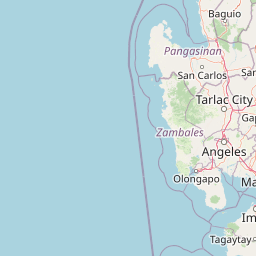
The park is best known for its protection of Mount Arayat, a distinctive volcanic peak that rises dramatically from the Central Luzon plains. The mountain's forested slopes and summit area represent a rare forested wilderness in an otherwise agricultural region, providing important ecological services including watershed protection and biodiversity conservation.
Mount Arayat National Park history and protected-area timeline
The specific establishment date and administrative history of Mount Arayat National Park are not fully detailed in available sources. Protected area status for Mount Arayat reflects broader Philippine conservation efforts to preserve remaining forest cover in heavily agricultural regions like Central Luzon. The mountain has long served as a cultural and geographic landmark for communities in Pampanga, with local communities having traditional associations with the area.
Mount Arayat National Park landscape and geographic character
The landscape of Mount Arayat National Park is defined by the volcanic mountain itself, which rises from the flat alluvial plains of Central Luzon. The mountain features forested slopes that transition from lowland vegetation near the base to montane forest at higher elevations. The terrain includes volcanic ridges, steep slopes, and a summit area that provides panoramic views of the surrounding agricultural landscape. The contrast between the forested mountain and the cultivated plain below creates a distinctive visual landscape characteristic of the region.
Mount Arayat National Park ecosystems, habitats, and plant life
The park protects tropical forest ecosystems on the slopes of Mount Arayat. Forest vegetation includes combinations of dipterocarp trees, secondary growth areas, and montane species at higher elevations. The protected area maintains ecological connectivity in a landscape otherwise dominated by agricultural land, serving as a refuge for forest-dwelling species and providing watershed functions that support downstream farmland and communities.
Mount Arayat National Park wildlife and species highlights
The forest cover on Mount Arayat provides habitat for various wildlife species typical of Luzon's tropical forests. While specific species documentation is limited in available sources, the protected area likely supports populations of birds, small mammals, and other fauna adapted to the mountain's forest habitats. The isolated forest ecosystem of the mountain serves as an important biodiversity refuge in the agricultural landscape of Central Luzon.
Mount Arayat National Park conservation status and protection priorities
Mount Arayat National Park represents an important conservation initiative in a region where agricultural expansion has reduced natural forest cover. The protected area helps preserve the mountain's watershed function, protecting water resources that support agricultural productivity in the surrounding plains. Forest protection on the volcanic slopes also helps prevent soil erosion and maintains soil stability on terrain that could be vulnerable to degradation if cleared.
Mount Arayat National Park cultural meaning and human context
Mount Arayat holds cultural significance for local communities in Pampanga province. The mountain appears in local traditions and folklore, and the area has historical associations with the region. The distinctive peak serves as a visual landmark that contributes to regional identity in Central Luzon.
Top sights and standout views in Mount Arayat National Park
The standout feature of Mount Arayat National Park is the mountain's prominence as a forested volcanic peak rising from the flat Central Luzon plain, creating a rare mountain wilderness in an otherwise agricultural landscape. The park provides important watershed protection for surrounding farmland while preserving forest habitat for native wildlife.
Best time to visit Mount Arayat National Park
The best time to visit Mount Arayat National Park corresponds to the Philippines' dry season, typically from November through May, when rainfall is reduced and conditions are more favorable for outdoor exploration of the mountain trails. The wet season from June to October brings heavier rainfall that can make trail conditions more challenging and viewpoints less accessible.