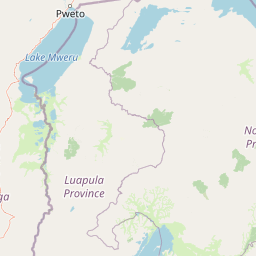
Why Mweru Wantipa National Park stands out
Mweru Wantipa National Park is best known for two contrasting stories: the presence of Itigi-Sumbu thicket, one of Africa's rarest and most botanically significant vegetation types found almost nowhere else on the continent, and its dramatic wildlife decline from a once-abundant landscape to one where black rhinoceros have gone extinct and elephant and lion have likely been eliminated. The park represents a stark example of what happens when protected areas receive no effective management, making it significant both as a conservation priority and as a case study in protected area stewardship failures.
Mweru Wantipa National Park history and protected-area timeline
Mweru Wantipa National Park was established as a protected area designated under IUCN Category II, reflecting its national park status and the intention to preserve its natural values. The park was created to protect the unique landscape surrounding Lake Mweru Wantipa and the distinctive ecosystems found within the region. For several decades following its establishment, the park has experienced a profound absence of effective management and protection infrastructure. This management vacuum has allowed significant degradation of both the park's wildlife populations and its unique vegetation communities. The destruction of approximately 70% of the Itigi-Sumbu thicket within the park, including areas along the north shore of the lake where the largest patches were located, demonstrates the consequences of inadequate protection. This historical trajectory from a once-wild landscape to a depleted ecosystem represents one of the more cautionary stories within Zambia's national park system.
Mweru Wantipa National Park landscape and geographic character
The landscape of Mweru Wantipa National Park is defined by the interplay between miombo woodland savanna and the unique Itigi-Sumbu thicket, creating a mosaic of contrasting vegetation types across the protected area. The dominant miombo woodlands consist of deciduous trees from the Brachystegia genus, creating a seasonally variable canopy that sheds leaves during the dry winter months. Interspersed within this woodland matrix are patches of Itigi-Sumbu thicket, an extraordinarily dense vegetation formation that stands in sharp contrast to the more open miombo woodland. Lake Mweru Wantipa itself forms a prominent geographic feature, a large shallow lake whose margins support wetland vegetation and provide water resources for the surrounding landscapes. The terrain across the park is generally flat to gently rolling, typical of the central African plateau, with the thicket patches typically occurring in depressions or areas with particular soil conditions that favor this dense vegetation type.
Mweru Wantipa National Park ecosystems, habitats, and plant life
The ecological character of Mweru Wantipa is defined by the overlap of two major vegetation systems: the widespread Central Zambezian Miombo woodlands and the extremely rare Itigi-Sumbu thicket. This thicket represents one of Africa's most restricted vegetation types, with the Mweru-Wantipa area and one location in central Tanzania being the only known occurrences globally. The thicket's botanical composition includes approximately a hundred plant species that grow together in such dense interconnection that the formation becomes virtually impassable for humans. This unique habitat supports specialized species that depend on the thicket's structure and provides ecosystem functions distinct from the surrounding miombo. The destruction of 70% of this thicket within the park represents a significant biodiversity loss at a continental scale. The park also incorporates the aquatic and wetland ecosystems associated with Lake Mweru Wantipa, adding further ecological diversity to the protected area's character.
Mweru Wantipa National Park wildlife and species highlights
Mweru Wantipa National Park was historically home to significant populations of Africa's iconic large mammals, including elephant, lion, and black rhinoceros. These species represented the park's primary wildlife value and attracted attention as conservation targets for the protected area. However, the prolonged period without effective management and protection has led to catastrophic wildlife decline. Black rhinoceros have been declared extinct from the area, representing a complete loss of a species that was once present within the park. Elephant and lion populations have likely been eliminated as well, though direct confirmation may be limited. This wildlife collapse represents one of the most severe examples of protected area failure in Zambia's conservation estate. The remaining wildlife in the park consists primarily of smaller species that have managed to persist despite the absence of management, though the overall biodiversity value has been severely compromised from its historical baseline.
Mweru Wantipa National Park conservation status and protection priorities
Mweru Wantipa National Park represents a critical conservation challenge due to the dual pressures of habitat destruction and wildlife collapse. The park's global significance stems primarily from containing one of only two known locations for Itigi-Sumbu thicket on Earth, making its preservation essential for maintaining this rare ecosystem type. The fact that approximately 70% of this thicket has already been destroyed, including areas within the nominally protected national park boundaries, demonstrates the severity of the conservation crisis facing this area. Conservation experts estimate that the remaining Itigi-Sumbu thicket could be lost within the next two decades if protective measures are not implemented. The park's designation as an IUCN Category II protected area provides formal recognition of its conservation importance, but without effective on-ground management, this designation has proven insufficient to prevent degradation. The extinction of black rhinoceros and likely elimination of elephant and lion from the park illustrates how quickly wildlife populations can collapse without active protection.
Mweru Wantipa National Park cultural meaning and human context
Mweru Wantipa National Park takes its name from Lake Mweru Wantipa, which has historically been an important resource for local communities in Zambia's Northern Province. The lake and surrounding landscapes have supported fishing, pastoral activities, and other traditional land uses by local populations for generations. The park's establishment as a protected area occurred within the broader context of Zambia's post-independence conservation planning, which sought to designate significant natural areas for protection while balancing community interests. However, the absence of effective management infrastructure has meant that the park has not developed the visitor engagement or community partnership programs that characterize better-managed protected areas in Zambia.
Top sights and standout views in Mweru Wantipa National Park
The most remarkable feature of Mweru Wantipa National Park is its role as a refuge for Itigi-Sumbu thicket, one of Africa's most restricted and botanically significant vegetation types, found almost nowhere else on the continent. The park's location around Lake Mweru Wantipa adds scenic and ecological value, with the lake providing wetland habitats and water resources within the protected landscape. Despite its ecological significance, the park's story is ultimately one of conservation failure, with 70% of its rare thicket destroyed and its large mammal populations eliminated. This combination of extreme biodiversity value and severe degradation makes the park a compelling case for conservation intervention.
Best time to visit Mweru Wantipa National Park
Given the park's current lack of visitor facilities and management infrastructure, visits to Mweru Wantipa require careful planning and self-sufficiency. The dry season from May to October offers more accessible terrain and clearer visibility for wildlife viewing, though wildlife populations are severely depleted from historical levels. The landscape retains its ecological interest year-round due to the unique vegetation communities present, particularly the Itigi-Sumbu thicket. Visitors should be prepared for a remote experience with minimal infrastructure and should not expect the developed tourism facilities found in Zambia's better-known national parks.