
Visit Planning
When Is the Best Time to Visit Orlovskoye Polesye National Park?
The best time to visit Orlovskoye Polesye National Park depends on whether you prioritize the rare opportunity to see European bison in their natural winter habitat or prefer the accessibility of the park's lush forest-wetland trails during the warmer months. Because this park in the Oryol Oblast is primarily a conservation site rather than a traditional tourist resort, your visit timing will dictate the types of wildlife activity you encounter and the physical demands of navigating its forested landscape.
The Wildlife Observation Trade-off
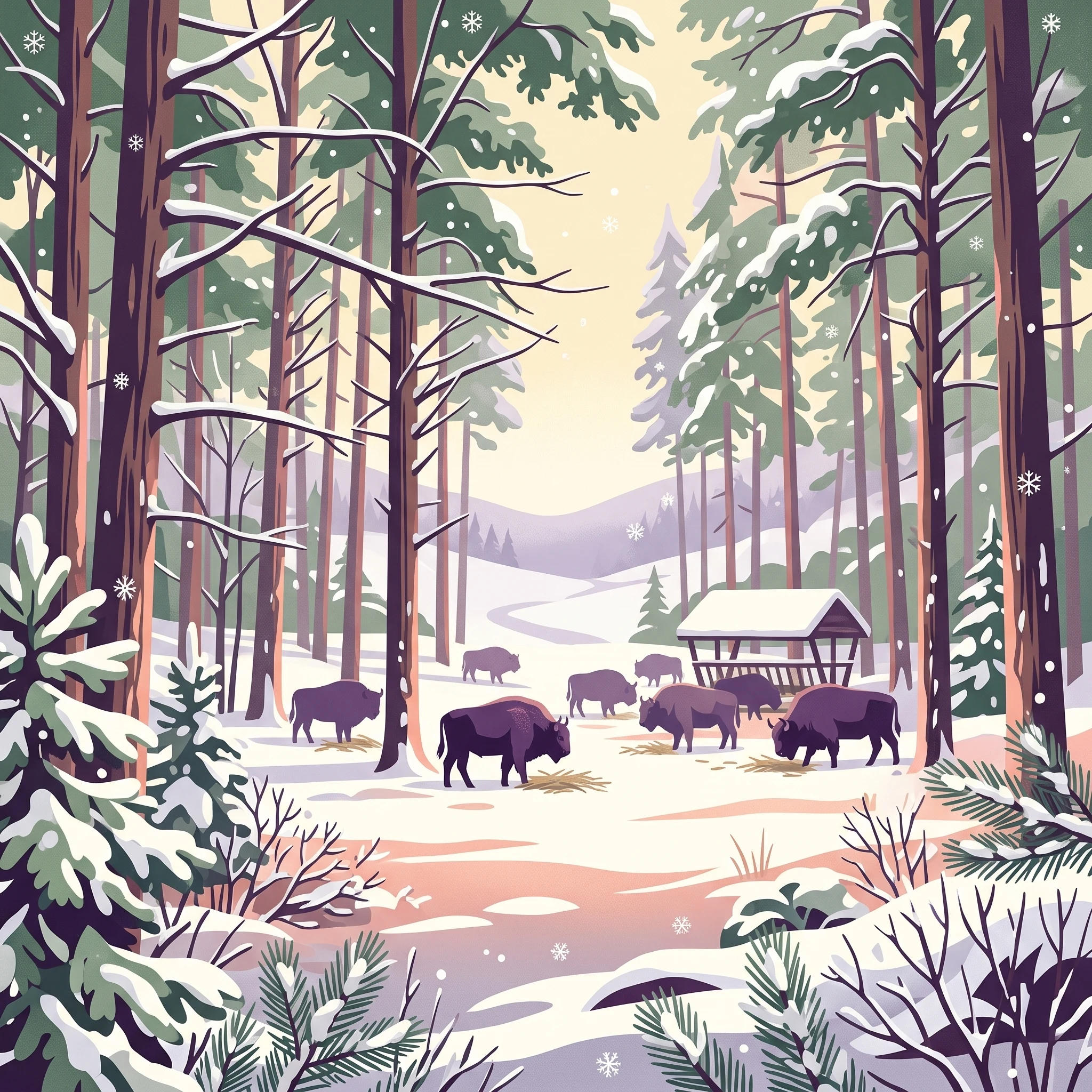
If your primary goal is wildlife observation, specifically tracking the European bison, the winter months present the most compelling window. In this part of the Central Russian Upland, bison are more mobile and easier to spot against the sparse forest backdrop when the park enters its coldest phase. However, visitors must be prepared for the environmental reality of the region, where mean temperatures drop significantly below freezing and daylight hours are limited. The park's ecology is defined by these seasonal extremes, and the bison themselves often congregate near specific feeding or protected areas during the deep winter, increasing the probability of a sighting for those equipped for the conditions.
Accessing the Forest Ecosystem
Conversely, those looking to experience the park's distinctive Polesye terrain through hiking or nature walks will find the growing season more accommodating. From late spring through early autumn, the landscape transforms as the forest-wetland ecosystems become fully active. While this period offers the mildest temperatures and the longest daylight hours for exploring the park's trails, the wildlife behavior shifts. Bison and other forest inhabitants become more dispersed and harder to locate within the dense summer canopy. Deciding when to go requires a clear choice between the high-contrast, wildlife-focused experience of the winter and the accessible, lush environment of the warmer months.
Factors Shaping Your Timing
Beyond the specific interest in bison, your visit should account for the park's climate variability. The region experiences a marked shift from high humidity and cold in the winter to significantly higher precipitation and temperatures during the summer. Daylight availability also fluctuates drastically, ranging from roughly seven hours in mid-winter to over sixteen hours in the height of summer. These factors do not just change the atmosphere of the park, but fundamentally alter how you navigate the trails and how much of the protected area you can reasonably cover in a single visit. Because the park's primary mission is the conservation of its unique ecosystems, visitors should expect seasonal shifts in how the area manages human impact, making early research into current access conditions essential for any trip planning.
Seasonal Planning Overview
Best Months for Visiting Orlovskoye Polesye National Park
Peak Windows for Wildlife Observation
The most rewarding period for visitors hoping to witness the park's iconic European bison population falls within the winter months of December, January, and February. During this time, the colder temperatures and reduced vegetation cover in the forest-wetland environment make the animals more mobile and visible as they often congregate near supplementary feeding grounds. Visitors should expect challenging conditions, with mean temperatures often dropping below negative eight degrees Celsius and relative humidity frequently exceeding 96 percent. This window is strictly for those prepared for deep winter, as daylight is restricted to between seven and nine hours, necessitating careful planning for travel and exploration within these narrow limits.
Transition Months for Forest Exploration
For travellers interested in the lush, green landscapes and the park's characteristic wetlands, the period from late May through early September offers the most favorable climate. June and July are particularly notable, with daylight reaching over 16 hours, providing extensive windows for hiking and observing the park's diverse flora. Mean temperatures during these months fluctuate between 16 and 19 degrees Celsius, with comfortable daily maximums that rarely exceed 29 degrees. While this is the period of highest accessibility for forest trails, visitors should note that early autumn, particularly September, maintains much of the warmth of summer while beginning to transition into a quieter, cooler phase as the foliage begins to change.
Navigating the Shoulder Seasons
The months of April and October serve as the park's primary transition windows, characterized by significant daily temperature variability. April represents the thawing phase, where average maximums can jump toward 20 degrees Celsius, though early morning minimums often drop below freezing. October offers a reverse pattern, as average daily highs move from 18 degrees down toward 5 degrees by the month's end. These months require the most flexibility in packing and expectations, as conditions can shift rapidly from wet and muddy to crisp and clear within a single week. These windows are less ideal for those solely focused on wildlife viewing or extended hiking but may appeal to visitors looking to avoid the extremes of mid-winter and high summer, provided they are prepared for unpredictable weather patterns that often characterize the Central Russian Upland.
Annual Climate Overview
Weather and Climate Patterns by Month in Orlovskoye Polesye National Park
Understanding the annual climate of Orlovskoye Polesye requires looking beyond single-month averages to recognize the distinct shifts between the park's deep winter freeze and its temperate, active summer growth phase. While these climate normals provide a reliable look at the historical patterns between 1991 and 2020, they represent broad meteorological trends rather than specific weather forecasts for your visit. The park's environment, situated in the Central Russian Upland at an elevation of approximately 198 meters, creates a sharp contrast in how different seasons feel to a visitor.### The Transition from Winter Stability to Spring ThawThe year begins with the most stable, albeit harsh, climate conditions. January and February are marked by high relative humidity, often exceeding 96 percent, and consistent, sub-zero mean temperatures. This period of the year sees limited daylight, ranging from roughly 8 to 9.5 hours, which constrains the daily window for any outdoor activity. Wind speeds during these months remain among the highest of the year, averaging around 5 meters per second, which can significantly amplify the sensation of cold. As March concludes and April begins, the climate shifts rapidly. Daylight hours extend significantly, moving from 11.5 hours in March to nearly 14 hours by April. This transition brings a sharp rise in maximum temperatures, which can jump from near freezing in February to nearly 20 degrees Celsius by late April, marking the most volatile month for weather consistency.### The Peak of Activity and Summer WarmthFrom May through August, the park experiences its most inviting weather, characterized by long, high-light days that reach their zenith in June with over 16 hours of daylight. This period is the least humid and most wind-stable phase of the year. July represents the warmest month, with mean temperatures typically reaching their peak near 19 degrees Celsius. Importantly, while these summer months see higher precipitation than the winter, the rain often arrives in shorter, more convective bursts, leaving the remainder of the day clear for forest exploration. Visitors should note that as late summer transitions into early autumn, the daylight duration begins a steady contraction, dropping back toward 12 hours by the end of September.### Autumn Cooling and the Return to HumidityAs October arrives, the climate profile begins to mirror the cooling trend of the early year. Temperatures fall sharply, with mean values dropping back toward 5 degrees Celsius. Humidity levels start their ascent again, returning to the high 80s and 90s percentage range, which creates a damp, penetrating chill characteristic of the late autumn forest. By November and December, the daylight hours reach their minimum for the year, dipping below 8 hours, and the cycle of freezing, overcast, and high-humidity days resets. These patterns serve as a framework for planning, but because the Central Russian Upland can experience significant annual variance, visitors should always consult the most recent, local short-term forecasts immediately before departure to manage expectations for specific dates.
Seasonal dynamics
Understanding Annual Weather Phases in Orlovskoye Polesye National Park
The Frozen Dormancy: Winter Phase
The winter phase in Orlovskoye Polesye spans from December through February, characterized by a persistent frozen landscape and high humidity. During these months, the park undergoes a significant transformation as temperatures remain consistently low, with mean values hovering near the negative single digits. This period is defined by minimal daylight, often dropping to fewer than eight hours in December and January, which condenses the window for outdoor activities. The high relative humidity, frequently exceeding 96 percent, often creates a sharp, biting cold that permeates the forest-wetland environment. For visitors, this represents a time of limited accessibility and sensory stillness, where the landscape is dormant and visibility is dictated by the short, twilight-heavy days.
The Thaw and Spring Awakening
Transitioning out of winter, the period from March through May represents a volatile shift in the park's climate. March acts as a lingering extension of winter, with mean temperatures still below freezing and persistent potential for snow or ice. However, April marks a decisive break in the pattern, characterized by rapid warming and a notable decrease in relative humidity. The daily temperature spread becomes extreme during this transition, as the shift from freezing minimums to daytime highs approaching 20 degrees Celsius can occur within a single day. By May, the park enters a lush, rapidly growing state, with daylight extending past 15 hours and temperatures climbing steadily, setting the stage for the summer season.
The Peak Growth and Summer Climate
From June through August, the park experiences its most temperate and stable weather conditions. This phase is characterized by the longest daylight hours of the year, peaking in June, which provides the most substantial window for traversing the forest trails. Unlike the humidity-heavy winter, summer relative humidity stabilizes near the mid-70 percent range. While these months are the warmest, with average daily maximums frequently reaching near 30 degrees Celsius, the forest canopy provides a significant cooling effect. This period is the most predictable in terms of weather, offering a consistent environment for visitors interested in the park's biodiversity and ecosystem exploration, free from the constraints of deep snow or the mud-heavy transitions of the shoulder months.
The Autumnal Decline
September serves as the start of the final shift, acting as a moderate buffer before the cooling trend takes hold in October and November. While September retains much of the warmth from the summer, the decline in daylight is noticeable, falling from over 14 hours in August to just over 12 by the month's end. October and November constitute a cooling phase where the landscape prepares for the next cycle of dormancy. Precipitation patterns remain steady, but the return of higher humidity levels in November signals the encroaching winter. These months are transitional, where the park's foliage undergoes seasonal changes, and access conditions begin to shift back toward the limitations imposed by the arrival of sub-freezing night temperatures.
Seasonal Experiences
What Visiting Orlovskoye Polesye National Park is Like Through the Year
Visiting Orlovskoye Polesye offers fundamentally different experiences based on the seasonal shift from winter dormancy to summer vitality. The park's identity as a forest-wetland ecosystem means that your ability to traverse trails, observe wildlife, and access specific landmarks depends heavily on the time of year.
Winter Wildlife Observation
Winter is the most distinct season for those specifically visiting to observe the European bison. The colder months, primarily December through February, align with the park's management of these animals. During this period, the bison are more likely to gather in areas where they are supplemental fed, making them far easier to spot than during the warmer months when they disperse into the dense, expansive forests. The biting cold, with mean temperatures often dipping below minus eight degrees Celsius, requires specialized preparation, but the trade-off is a higher probability of viewing these iconic animals in their natural, snow-covered forest environment. This is not a time for casual wandering, as the humidity and low temperatures demand a focused approach to short, guided excursions.
Peak Forest Exploration and Wetland Activity
As the landscape transitions into the warmer months of June, July, and August, the focus of park activity shifts toward the diverse forested wetlands. The park's lakes, including the Central Lake, become focal points for low-impact recreation such as boat rentals and quiet water-based exploration. The stable, warmer temperatures facilitate trekking through the deciduous and coniferous woods that characterize the Polesye terrain. Mid-summer is the only time when the forest floor yields seasonal berries like blueberries and strawberries, and foragers may find mushrooms, provided they follow local guidance on collection areas.
Transitioning Conditions and Accessible Landmarks
Spring and autumn serve as transitional windows that alter how you interact with specific park features. The Sacred Spring and its associated Orthodox Chapel are accessible across most of the year, yet the experience of using the spring or bathing in the colder water is significantly more comfortable during the milder temperatures of late spring or early autumn. Conversely, the dense forest trails can become saturated during the wetter transition months, potentially limiting the scope of trekking activities. The open-air zoo and historical sites, such as the Holy Trinity Church in Lgov, are less dependent on the seasonal cycles of the wildlife, offering a consistent experience throughout the year regardless of the forest's current temperature or humidity levels.
Always verify current access routes and local regulations before setting out, especially during the volatile thaw periods of late March and April, as trail conditions can shift rapidly with the melting snow and rising water levels common to this part of the Central Russian Upland.
Visitor Priorities
Choosing the Best Time to Visit Orlovskoye Polesye National Park by Travel Interest
Choosing Travel Dates Based on Temperature and Light
If your primary goal is to maximize daylight hours for outdoor recreation, the period from June through August provides the most favorable conditions. During these months, the park experiences its longest days, with daylight hours peaking near 16.6 hours in June. This duration allows for extended periods of trekking through forest paths or engaging in water-based activities like boating on the Central Lake. While these months are the warmest, with mean temperatures often reaching near 19 degrees Celsius in July, the trade-off is higher humidity and the potential for brief, summer-characteristic precipitation. Visitors who prefer cooler walking conditions while still benefiting from significant daylight may find late May or early September more comfortable, as temperatures drop slightly from the July peak while the days remain long enough for full-day excursions.
Prioritizing Drier Conditions for Forest Exploration
Travelers who want to minimize the risk of rain while exploring the diverse wetland ecosystems should focus on the mid-winter or late-summer transition periods. January and February represent the months with the lowest precipitation levels, generally hovering around 1.4 to 1.5 millimeters per day. However, these months are defined by freezing conditions, making them unsuitable for traditional hiking. For those seeking dry ground for terrestrial activities like mushroom foraging or hiking, late August and early September offer a balance. Although precipitation is slightly higher than in winter, the humidity levels begin to decline from their summer highs, and the forest floor stabilizes after the wettest June and July peaks. This period serves as a practical window for those who want to avoid the muddy conditions that often characterize the spring thaw in April.
Timing for Quiet Wildlife Observation
European bison visibility is the park's primary wildlife objective, and timing your visit here requires prioritizing consistency over comfort. The winter months, specifically from December through February, are the most recommended for this activity. During these months, the bison are often found closer to supplementary feeding stations, as the cold temperatures and snow cover limit their natural foraging range. While this provides the best opportunity for observation, it necessitates preparation for extreme cold, with mean temperatures often falling well below zero and average minimums dipping toward -25 degrees Celsius. The daylight hours are at their shortest during this time, meaning observation periods are condensed into the middle of the day. Travelers choosing this window must accept these environmental challenges in exchange for the increased likelihood of witnessing these mammals in their natural, protected habitat.
Visitor Access
Seasonal Access and Operational Planning for Orlovskoye Polesye
Navigating Access to the Park Territory
Planning a visit to Orlovskoye Polesye requires an understanding of the region's geography and the infrastructure connecting it to nearby urban hubs. The park is located in the Oryol Oblast, spanning the Znamensky and Khotynetsky districts. Because the landscape is dominated by dense forests and wetland systems, primary access is concentrated along specific routes that remain vital regardless of the season. Visitors arriving by car from Oryol typically utilize the Naugorskoye Chaussee, which leads toward Znamenskoye. This route offers a direct line of approximately 75 kilometers to the protected forest zones. Travelers should be aware that once they approach the national park borders, the road environment changes as it passes through the characteristic cone forests of the region. A longer alternative route exists through Khotynets, covering roughly 110 kilometers, which may be preferable depending on specific departure points within the city.
Transport and Transit Considerations
Public transportation links are available but operate on limited daily frequencies, necessitating careful scheduling. Travelers often use Oryol as a staging ground, catching buses to Khotynets. From Khotynets, secondary bus connections to Zhudre exist to facilitate entry into the park's administrative or tourist zones. Rail travel is also a viable option for those arriving from Oryol, with trains stopping at Khotynets, where passengers must then transfer to local bus services. Because these schedules are subject to change and may not account for seasonal service adjustments or regional transport updates, it is essential to confirm current bus and train timetables with official carriers before finalizing your travel dates. Relying on outdated travel guides or assuming consistent transit frequency can lead to significant logistical delays.
Operational Planning and Seasonal Mobility
Within the park, distances between sites of interest are substantial, making a private vehicle or a rented bicycle the most flexible methods for navigating the forest interior. While the primary access roads are maintained for regional transit, visitors should maintain awareness of local conditions regardless of the season. During periods of heavy precipitation or during the spring thaw described in previous chapters, road conditions can shift. Furthermore, travelers should exercise caution regarding local wildlife on roadways, as encounters with forest inhabitants like hedgehogs are common. While the park is a public resource, specific facilities, visitor centers, and protected zones operate under management rules that may be modified based on conservation priorities or weather conditions. Always consult the official Orlovskoye Polesye National Park administration or their authorized digital channels to verify current access requirements, entry regulations, or potential facility closures before your departure. Do not treat historical accessibility as a guarantee for your planned arrival window, especially when timing a visit around the high-variability shoulder months of April or October.
Safety and Logistics
Seasonal Weather Safety and Preparation for Orlovskoye Polesye National Park
Navigating Seasonal Weather Shifts
Preparation for visiting this forested wetland landscape depends heavily on the time of year due to significant swings in temperature and humidity. Between December and February, mean temperatures often remain well below freezing, with high relative humidity levels exceeding 96 percent. Visitors planning to observe wildlife during these colder months should prioritize wind-resistant, multi-layered clothing. The moisture-heavy air can make low temperatures feel more intense, so focusing on insulation that maintains its efficacy in damp conditions is a common practical approach for those spending extended time outdoors.
During the spring thaw in March and April, terrain conditions change rapidly. The shift from freezing temperatures to the warmer, higher-maximum levels of late spring can lead to muddy trails and saturated ground. Footwear choices should account for this variability, prioritizing comfort on potentially uneven or soft forest paths. While historical climate normals suggest a warming trend as the year progresses toward June and July, weather in the Central Russian Upland remains subject to short-term changes. Carrying a versatile outer layer that offers protection against sudden cooling or precipitation is a sensible strategy throughout the late spring and summer months, as these are the periods when rainfall levels are typically highest.
Preparing for Daylight and Exposure
The park experiences a wide range in daylight duration, from roughly 7 hours in December to over 16 hours in June and July. This dramatic swing influences how visitors structure their time in the woods. During the short winter days, activities must be timed to maximize limited sunlight, as navigating forested trails in low light or near-darkness significantly alters the experience. Conversely, the long summer days provide a broader window for exploration, though this requires careful management of physical stamina to avoid exhaustion during the warmer, longer afternoons when maximum temperatures can reach near 29 degrees Celsius.
Because the terrain consists largely of forest and wetlands, insect activity is a natural consideration during the warmer months from May through September. Visitors often find that long-sleeved clothing and appropriate measures for personal comfort in wooded environments are as important as seasonal gear. Regardless of the season, conditions on any given day can deviate from long-term normals. Before departing, always check the current weather forecasts for the Oryol region and look for any official park alerts regarding trail status, fire safety, or facility access. Staying informed through local resources is the most reliable way to align your preparations with the reality of your specific travel dates.
Final Planning Decisions
Selecting the Ideal Time for an Orlovskoye Polesye National Park Visit
Choosing the right time to visit Orlovskoye Polesye depends on how you value the rare opportunity to see European bison against your preference for comfortable forest trekking. If your primary goal is wildlife observation, the winter months are superior because the snow and food-scarcity patterns drive the bison toward managed feeding sites, significantly increasing your chances of a successful encounter. However, this choice necessitates a willingness to endure extreme cold, high relative humidity, and minimal daylight. For those who prioritize hiking, botanical observation, or simply enjoying the vast forest-wetland landscapes, the summer months provide the necessary warmth and long daylight hours to traverse the park effectively. Transitioning into autumn or spring introduces high variability, where the risk of deep mud or unpredictable temperature shifts can complicate even well-planned itineraries.
Balancing Experience and Comfort
Your decision should reflect your tolerance for the park's distinct environmental shifts. A winter trip is a specialized pursuit centered on the bison; it requires proper preparation for temperatures that can fall well below freezing and the logistical challenges posed by short, dim days. The summer, while far more accessible for general exploration and longer treks, lacks the ease of wildlife viewing that the winter landscape naturally facilitates. Late spring and early autumn offer a middle ground, but these periods are prone to weather volatility that may interrupt outdoor activities. By weighing these trade-offs against your own travel priorities, you can select the season that aligns with the specific encounter you want to have in the forest.
Verifying Your Travel Timing
No visit should be finalized based solely on long-term climate normals, as these represent historical patterns rather than current conditions. Before finalizing your dates, verify the latest local access requirements, transportation schedules from Oryol or Khotynets, and any temporary park closures or alerts issued by the park administration. Weather, facility operations, and even the movement patterns of the bison populations can shift year to year. By combining your preferred timing window with current, verified data, you ensure your visit to the park remains both productive and safe.