Why Oued Zeen National Park stands out
Oued Zeen National Park is best known for its cork oak forests, which represent one of the most distinctive Mediterranean woodland types in North Africa. The park protects a mountainous landscape in Tunisia's northwest that supports relatively lush vegetation compared to the country's generally arid climate, owing to higher elevation and increased precipitation. These cork oak formations provide habitat for a variety of species and represent a conservation priority for maintaining Tunisia's Mediterranean forest estate.
Oued Zeen National Park history and protected-area timeline
Oued Zeen National Park was established in 2010, representing a relatively recent addition to Tunisia's network of protected areas. The park's creation reflected a growing recognition of the ecological significance of Tunisia's Mediterranean forest regions, particularly the cork oak woodlands of the northwest. Prior to national park designation, the area likely existed in some form of regional protection, though specific earlier conservation status is not detailed in available sources. The establishment of the park coincided with broader governmental efforts in Tunisia during the 2000s to expand and strengthen the national protected areas network, focusing on representing all major ecological zones within the country. The selection of Oued Zeen for national park status acknowledged both the quality of its forest ecosystems and the need to provide formal protection to habitats that face pressures from human activities including logging, grazing, and agricultural expansion.
Oued Zeen National Park landscape and geographic character
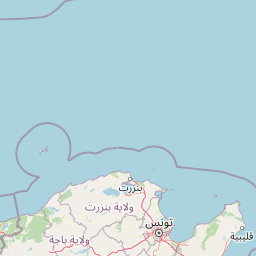
The landscape of Oued Zeen National Park is characterized by mountainous terrain typical of the Tell Atlas region in northwestern Tunisia. The topography features rugged hills and ridgelines with varying slopes and aspects, creating a diverse physical environment that influences local climate and vegetation patterns. The elevation of the park provides a cooler and wetter climate than the surrounding lowlands, supporting the development of forest cover where semi-arid conditions prevail below. The vegetation is dominated by cork oak, a Mediterranean tree species that thrives in areas with sufficient moisture, forming open woodland with an understory of maquis shrubs including species of laurel, cistus, and Erica. The park's landscape includes rocky outcrops and exposed substrates typical of limestone formations in this region, with seasonal streams and drainage channels that carry water during the wetter months.
Oued Zeen National Park ecosystems, habitats, and plant life
The natural environment of Oued Zeen National Park centers on Mediterranean forest ecosystems that are ecologically significant within the North African context. The cork oak woodlands represent the dominant habitat type, forming a semi-open canopy that allows light to reach the forest floor and supports a diverse shrub layer. These forests are characteristic of the Mediterranean maquis biome, a fire-adapted ecosystem that has evolved with the region's climate of wet winters and dry summers. The park's relatively higher elevation and precipitation support plant communities that contrast sharply with the surrounding landscapes, where steppe and semi-desert vegetation predominate. The ecological importance of this protected area lies in its representation of a habitat type that has been reduced across its range by clearing for agriculture, logging, and overgrazing.
Oued Zeen National Park wildlife and species highlights
The wildlife of Oued Zeen National Park is typical of Mediterranean forest environments in North Africa, though detailed species documentation for the park specifically is limited. The cork oak forests and maquis shrubland provide habitat for a variety of bird species, including numerous songbirds that inhabit the woodland canopy and denser shrub areas. Mammals likely present in the park include wild boar, various rodent species, and possibly smaller carnivores such as foxes and genets that inhabit the forest and shrubland. The Mediterranean woodland environment supports invertebrate communities important for ecosystem functioning, including pollinators and decomposers. While specific endangered species documentation is limited, the protected status of the area provides conservation benefit for the broader fauna community of Tunisia's northwestern forests.
Oued Zeen National Park conservation status and protection priorities
Oued Zeen National Park represents an important conservation achievement for Tunisia, providing formal protection to Mediterranean forest ecosystems that have experienced significant historical loss across their range. The establishment of the park in 2010 created a protected area dedicated to preserving cork oak forests and the biodiversity they support in the Tell Atlas region. These forests face ongoing pressures from human activities, including timber extraction, charcoal production, grazing by domestic livestock, and conversion to agricultural land. The national park designation provides a framework for management that balances conservation objectives with sustainable use where appropriate. The park contributes to Tunisia's commitments to maintaining biodiversity and protecting representative examples of the country's major ecological zones.
Oued Zeen National Park cultural meaning and human context
Oued Zeen National Park exists within a cultural landscape shaped by centuries of human activity in northwestern Tunisia. The region around Aïn Draham has a history of agricultural and pastoral use, with communities that have interacted with the forest environment for resources including cork, firewood, and grazing. The Arabic name of the park, الحديقة الوطنية بوادي الزان, reflects the local linguistic context and the Arabic-language heritage of the region. The area is situated within a part of Tunisia that has maintained strong connections to traditional land-use practices, though modern conservation priorities have shifted toward forest protection. The establishment of the national park represents a contemporary approach to managing landscapes that have cultural significance while ensuring their ecological continuity for future generations.
Top sights and standout views in Oued Zeen National Park
Oued Zeen National Park protects one of Tunisia's most significant Mediterranean forest areas, with cork oak woodlands forming the ecological centerpiece of the protected landscape. The park offers a glimpse into the greener, more luxuriant side of Tunisia, where mountain elevation and adequate rainfall create conditions for forest development that travelers to this mostly arid country might not expect. The contrast between the park's wooded highlands and the surrounding semi-arid plains illustrates the ecological diversity that Tunisia's protected areas network aims to preserve.
Best time to visit Oued Zeen National Park
The best time to visit Oued Zeen National Park is during the spring months from March through May, when mild temperatures and blooming vegetation showcase the park's natural beauty at its most vibrant. Autumn from September to November also offers favorable conditions, with comfortable temperatures and the forest taking on autumn colors. Summer months can be warm but are generally manageable for exploration, while winter brings cooler temperatures and occasional precipitation that contributes to the forest's moisture balance.