
Mori Atlas logo
Park guides

Focused insights for navigating the granite mountains and cultural heritage of Portugal

Collection of Seasonal Planning and Discovery Guides for Peneda-Gerês National Park

Browse the collection of available guides designed to assist in planning a visit to Peneda-Gerês National Park. These resources cover essential information including seasonal timing and landscape navigation across the diverse northern highlands of Portugal.

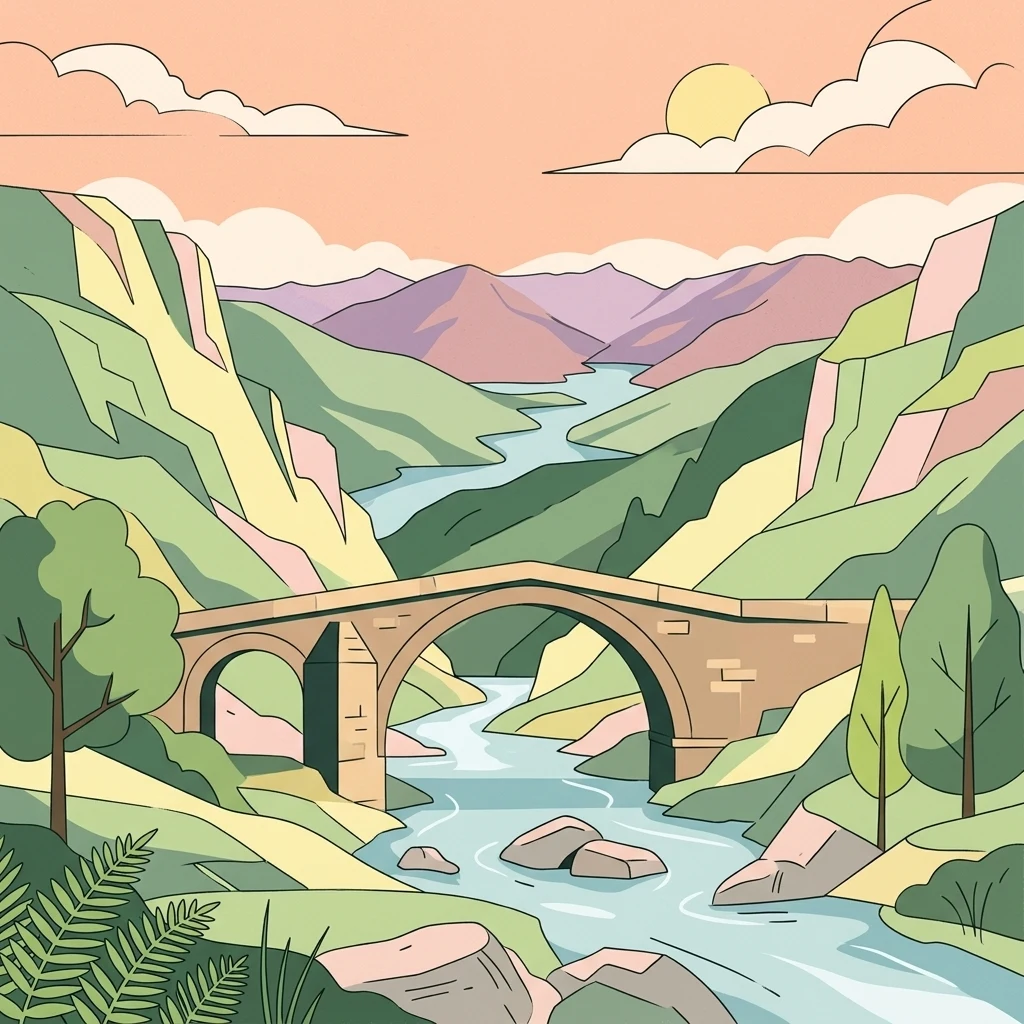
Illustration of a stone bridge spanning a river with mountains and trees in the background

Portugal's oldest national park where Atlantic and Mediterranean ecosystems meet beneath dramatic granite peaks

Peneda-Gerês National Park

Peneda-Gerês National Park occupies a singular position in Portugal's environmental framework as the nation's first and only national park, a distinction that reflects both its exceptional natural value and its complex role as a living cultural landscape. The park stretches across the northwestern Portuguese highlands in a vast amphitheatre-shaped space extending from the Castro Laboreiro plateau in the west to the Mourela plateau in the east, encompassing the granite massifs of Serra da Peneda, Serra do Soajo, Serra Amarela, and the highest—Serra do Gerês. These mountains form a barrier between the Atlantic coastal plains to the west and the inland plateaus to the east, creating the climatic and ecological conditions that define the park's distinctive character. The geological foundation of the park is remarkable. The granitic rocks dominating the area were deposited during the continental collision that joined the Iberian Peninsula with the rest of Europe during the Variscan orogeny, with the oldest rocks at Serra Amarela dating to approximately 310 million years ago. The park's defining granite formations—the Peneda-Gerês pluton—were exposed around 290 to 296 million years ago through the Gerês-Lovios fault. These ancient rocks have been profoundly shaped by Pleistocene glacial processes, whose products—U-shaped valleys, moraines, and polished granite surfaces—remain clearly visible in the high mountain ranges. The combination of geology, climate, and topography has produced a landscape of outstanding scenic diversity that rewards exploration throughout the year. The park's ecological significance stems from its position at the frontier between Euro-Siberian and Mediterranean biogeographical regions, a boundary defined by the botanist Rivas-Martinez along the foothills of the serras and the watersheds of the Tâmega, Ave, and Cávado rivers. This transitional position creates a remarkable mosaic of habitats, from the oak and pine forests of the lower valleys to the heath and shrublands of the high plateaus, punctuated by riparian corridors along the major rivers and marshy areas in the valley floors. The park's human population, scattered across small villages such as Castro Laboreiro, Soajo, Lindoso, and Pitões das Júnias, maintains traditional practices that have shaped this landscape over millennia, including the seasonal transhumance between high summer pastures (branda) and lowland winter settlements (inverneira) that persists in some communities.

Location
Portugal
Park type
National park
Established
1971
Area
695.9 km²
Highest point
1,545 m
Peneda-Gerês National Park Protected Landscape
1 guide

Compare focused published themes to match specific seasonal timing questions.

Published Guides for Peneda-Gerês National Park: Seasonal Planning and Visiting Tips

Published destination guides for Peneda-Gerês National Park offer structured topic analysis for visitors researching protected mountain terrain. Resources focus heavily on seasonal planning considerations, detailing shoulder month weather patterns and annual landscape transitions across the protected reserve.
MoriAtlas Explorer

Continue Mapping Peneda-Gerês National Park's Geographic and Protected Landscape Context

Delve deeper into the atlas of Peneda-Gerês National Park to understand its unique position within Portugal's geography. Examine the mapped boundaries of this protected landscape, its geological features, and the interplay of its Atlantic-Mediterranean ecosystems. Discover the rich natural and cultural heritage that defines this significant national park, offering a foundation for broader geographic and protected-area exploration.