
Mori Atlas logo
Park guides

Essential insights for navigating volcanic crater environments and highland cloud forests.

Expertly Curated Guide Collection for Poás Volcano National Park in Alajuela Province

This collection of guides focuses on the geological and ecological highlights of Poás Volcano National Park. Each resource provides specific context regarding the active crater landscape, the dormant Botos lake, and the high-altitude cloud forest environments found within this Costa Rican protected area.

Related tags

Volcanic landscapesActive volcanoCrater lakeCloud forestHighland ecosystems

Active volcanic crater park in Costa Rica's Central Highlands

Poás Volcano National Park

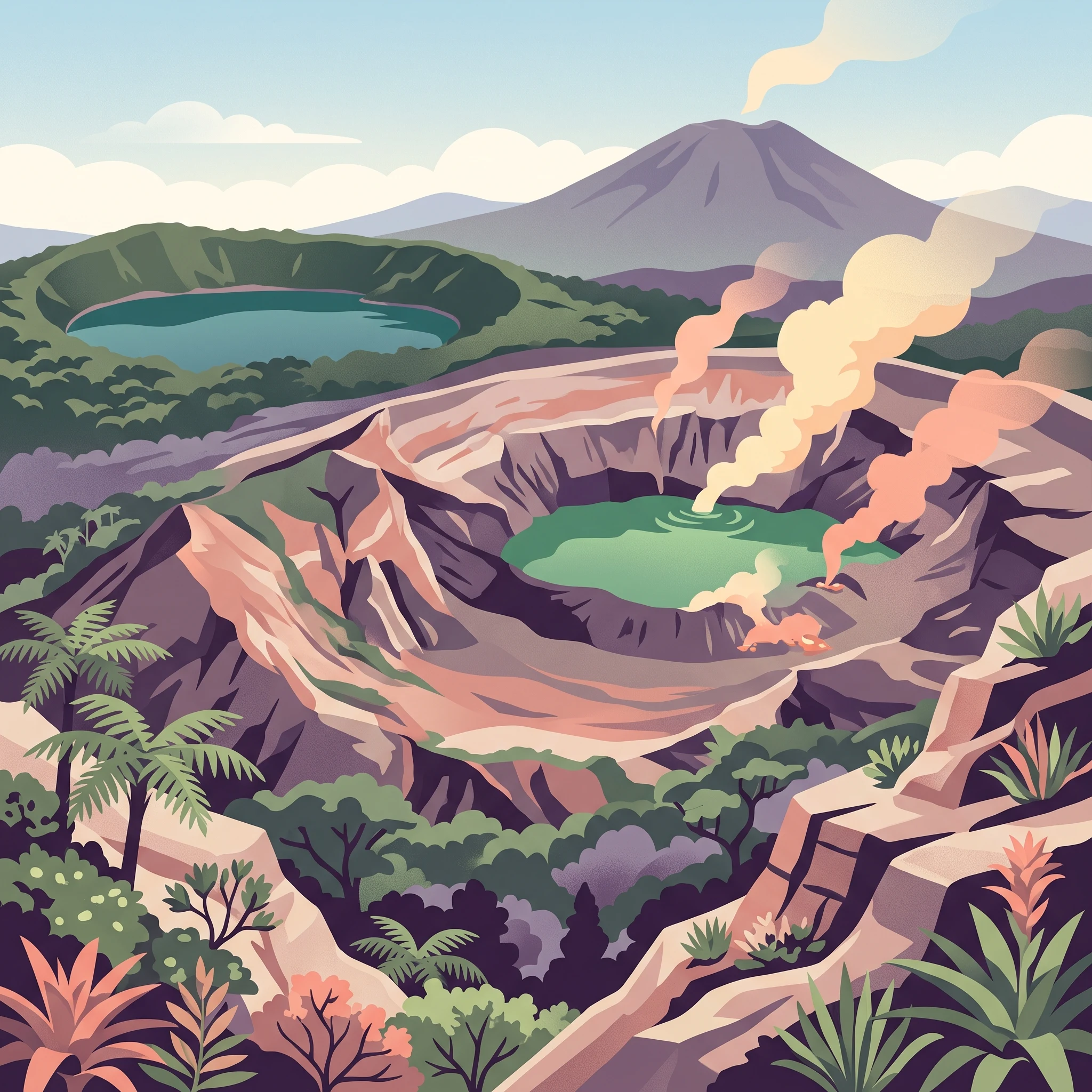
Poás Volcano National Park represents a unique convergence of geological spectacle and ecological preservation in the heart of Costa Rica's volcanic highlands. The park protects the environment around Poás Volcano, an andesitic stratovolcano that has been continuously active for centuries and remains one of Central America's most predictable yet dramatic volcanic attractions. Visitors approaching the crater rim can witness the constant churning of the magma chamber below, with steam, gas, and occasional bursts of volcanic material creating an ever-changing tableau of geothermal activity. The geological diversity within the park extends beyond the active crater. The Von Frantzuis crater, though extinct, preserves the characteristic circular depression formed during ancient eruptions, while the Botos crater offers a distinctly different experience: a peaceful, vegetation-rimmed lake that has sat dormant for approximately 7,500 years. This contrast between active and extinct volcanic features makes the park an outdoor laboratory of volcanic processes and succession. Well-maintained trails allow visitors to explore both inactive craters when conditions permit, providing perspectives on how nature gradually reclaims volcanic landscapes through forest regeneration. The park's establishment in 1971 reflected Costa Rica's pioneering commitment to environmental conservation, recognizing that the volcanic landscape held values beyond immediate tourism appeal. The designation as a national park ensured the protection of both the geological features and the high-altitude ecosystems that had developed in the volcanic soil. Management by SINAC coordinates research activities, visitor access, and conservation efforts, balancing the educational value of the volcanic landscape with the ecological integrity of the surrounding cloud forest and paramo environments.

Location
Costa Rica
Park type
National park
Established
1971
Area
65 km²
Highest point
2,700 m
Poás Volcano National Park Atlas Entry
1 guide

Explore focused topic guides covering seasonal timing and volcanic crater viewing conditions

Published Guides And Reference Articles For Poas Volcano National Park

Browse the complete collection of published reference guides dedicated to exploring the protected landscape of Poas Volcano National Park. Compare specific thematic insights regarding drier months, wet season rainfall patterns, and high altitude cloud forest visibility.
MoriAtlas Explorer

Continue Exploring Poás Volcano National Park's Geographic and Protected Landscape Context

Deepen your understanding of Poás Volcano National Park by exploring its specific geographic features and protected landscape identity. Discover how its boundaries fit within the broader regional context of Alajuela Province. This detailed park information is essential for structured atlas exploration and appreciating the mapped natural terrain of Costa Rica's protected areas.