
Why Přírodní park Džbán stands out
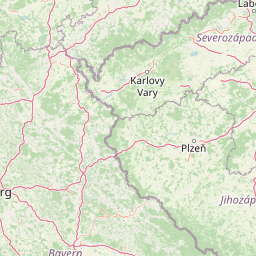
Džbán is best known as a forested triple watershed divide that preserves a rich mosaic of mixed and deciduous woodland amid otherwise deforested and heavily industrialized basins. Its Cretaceous opuka plateau geology has shaped both the landscape and local building traditions, giving rise to the distinctive unrendered opuka farmhouses that characterize the region. The park is also recognized for its surprisingly rich biodiversity in a generally dry and warm area: rare thermophilic orchids, spring gentians, fire-bellied toads, crested newts, black storks, Eurasian eagle-owls, and an unusual concentration of orchid species thrive in its forests and meadows. Combined with its role as the source area for streams draining into three major Bohemian rivers, the park stands out as a hydrological and ecological anchor in central Bohemia.
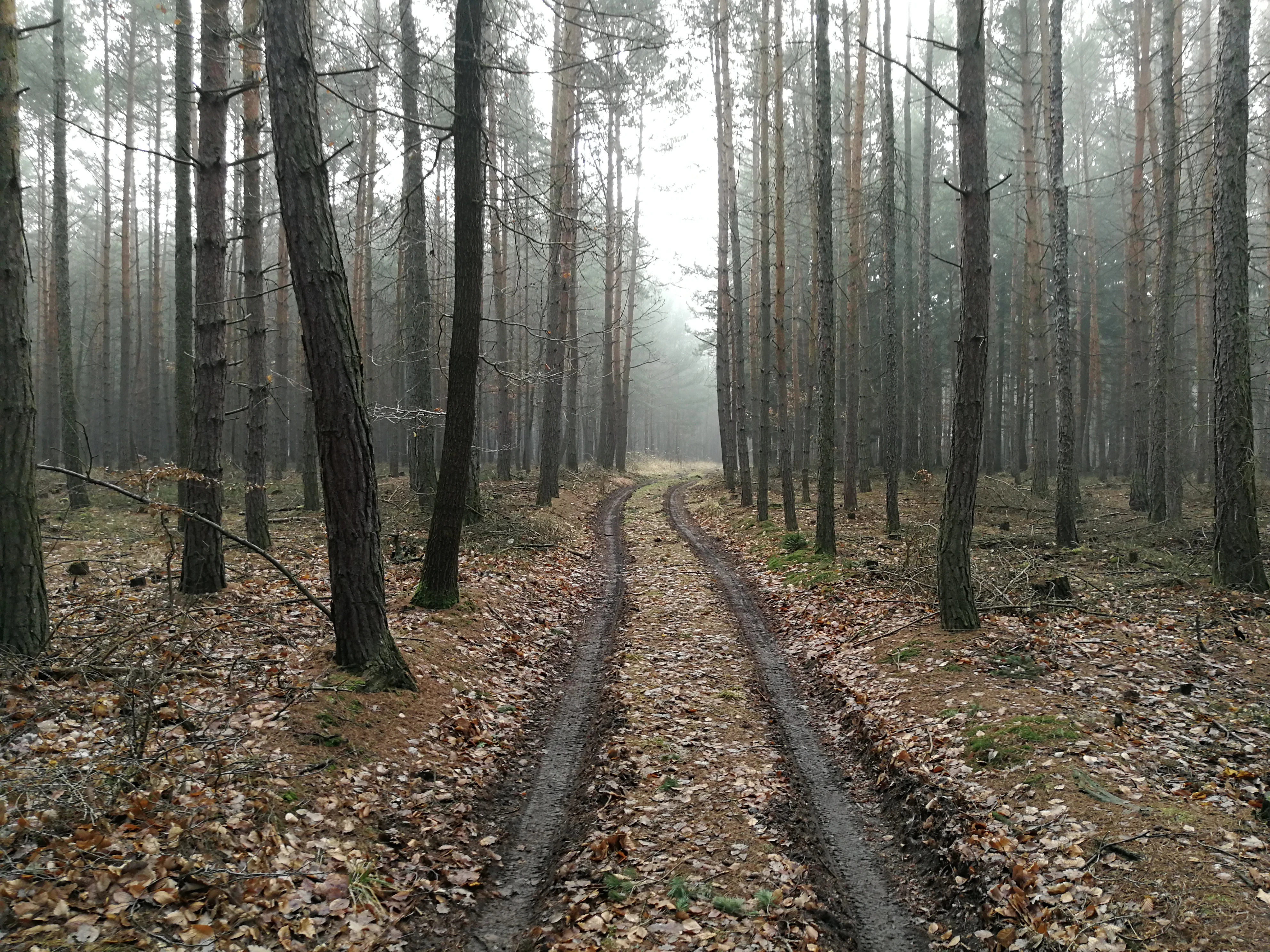
Přírodní park Džbán history and protected-area timeline
The conservation story of Džbán began not with official designation but with regional scientific interest. In 1969, local naturalist Josef Houda published his study book "Džbán: ochranářská studie," which drew focused attention to the area's natural values and mobilized conservationists across the Louny, Rakovník, and Kladno districts. Their long-term efforts, combined with extensive negotiations between authorities and local residents about how protection should work in practice, eventually culminated in the formal declaration of the park.
On 1 May 1994, the District Office in Louny issued the decree establishing Přírodní park Džbán, defining a protected area of 41,578 hectares, of which 20,378 hectares across 45 cadastral territories lay within the Louny district alone. The park was conceived from the outset as a landscape-scale protection tool, oriented toward preserving not only individual species or small reserves but the broader mosaic of the opuka plateau, its forests, scattered greenery, old orchards, and traditional land-use patterns. Decades later, the park continues to operate on this foundation, with educational trails, guided routes, and conservation management reinforcing the original 1994 vision.
Přírodní park Džbán landscape and geographic character
The Džbán landscape is built on a Cretaceous sedimentary plateau dominated by opuka, a soft calcareous marlstone that weathers into distinctive white and golden tones. Geomorphologically, the terrain is classified as hilly country (pahorkatina), but in the vicinity of Ročov and along the main ridge it rises into true highland (vrchovina), with the highest point, the hill named Džbán itself, reaching 536 meters above sea level. The plateau is incised by valleys that direct streams toward three different major river basins, producing a pronounced ridge-and-valley topography.
The opuka that underlies the entire area is more than a geological curiosity; it is a defining element of regional identity. Quarried since prehistoric times, it has been used to build the typical unrendered farmhouses of the region, a vernacular style known as opuková architektura, and continues to be valued today in sculpture for its color and texture. Above ground, this same bedrock gives the landscape its gently rolling character, its pale rock outcrops, and the mix of arable land and woodland that defines the view from any of the ridge's higher summits.
The climatic setting reinforces the landscape's distinctiveness. Positioned in the rain shadow of the Krušné hory, Džbán receives relatively modest precipitation but enjoys comparatively warm average temperatures, making it one of the drier and warmer parts of Bohemia. This combination supports a landscape that feels transitional between the more humid forests of central Bohemia and the steppe-like agricultural plains of the Louny and Žatec regions to the north and west.
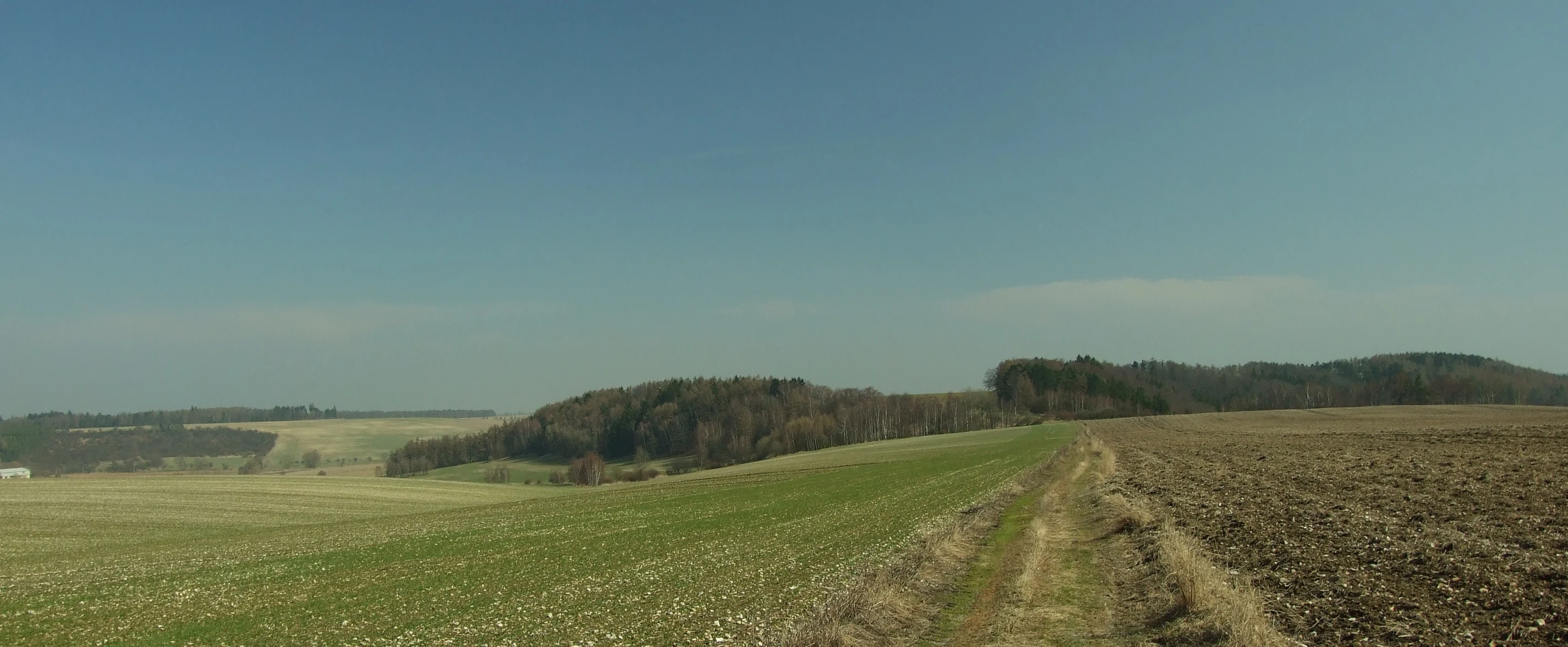
Přírodní park Džbán ecosystems, habitats, and plant life
Ecologically, Přírodní park Džbán represents a significant anomaly within its broader regional context. While surrounding landscapes have been largely converted to intensive agriculture or industrial use, the Džbán plateau retains extensive mixed and deciduous woodland, interspersed with meadows, old orchards, and patches of thermophilic oak vegetation. Roughly two-thirds of the park is forested, and the woodland matrix is unusually heterogeneous, with oak-hornbeam, beech, and mixed coniferous stands distributed across varied topography.
The botanical richness of the park is striking given the warm, dry climate. Thermophilic and orchid-rich communities are particularly well represented, with species such as the lady's slipper orchid, several helleborines, twayblades, military orchid, and the pan-European protected Adenophora liliifolia occurring alongside woodland flowers like the wood anemone, dog's mercury, and spring snowflake. Dry and warm expositions further support steppe-like plants including the sulphur pea, the tall globeflower, and the dark sedge, while the single Czech locality for the small annual Lněnka bezlistenná lies within the park.
The faunal communities follow a similarly diverse pattern. Amphibians thrive in the park's wet microhabitats, with crested newts, Alpine newts, fire-bellied toads, and common toads breeding in ponds and small water bodies. Reptiles include widespread species such as the slow worm and grass snake, alongside rarer inhabitants like the smooth snake and the European adder. The birdlife is exceptionally rich, with woodland and forest specialists including the middle spotted woodpecker, grey-headed woodpecker, Eurasian wryneck, and the black stork breeding in the area, while wetland and pond habitats host grebes, mute swans, and a wide range of warblers. Among invertebrates, the stag beetle, the thermophilic cicáda chlumní, and the rare red-legged steppe spider reflect the warm-climate character of the park.
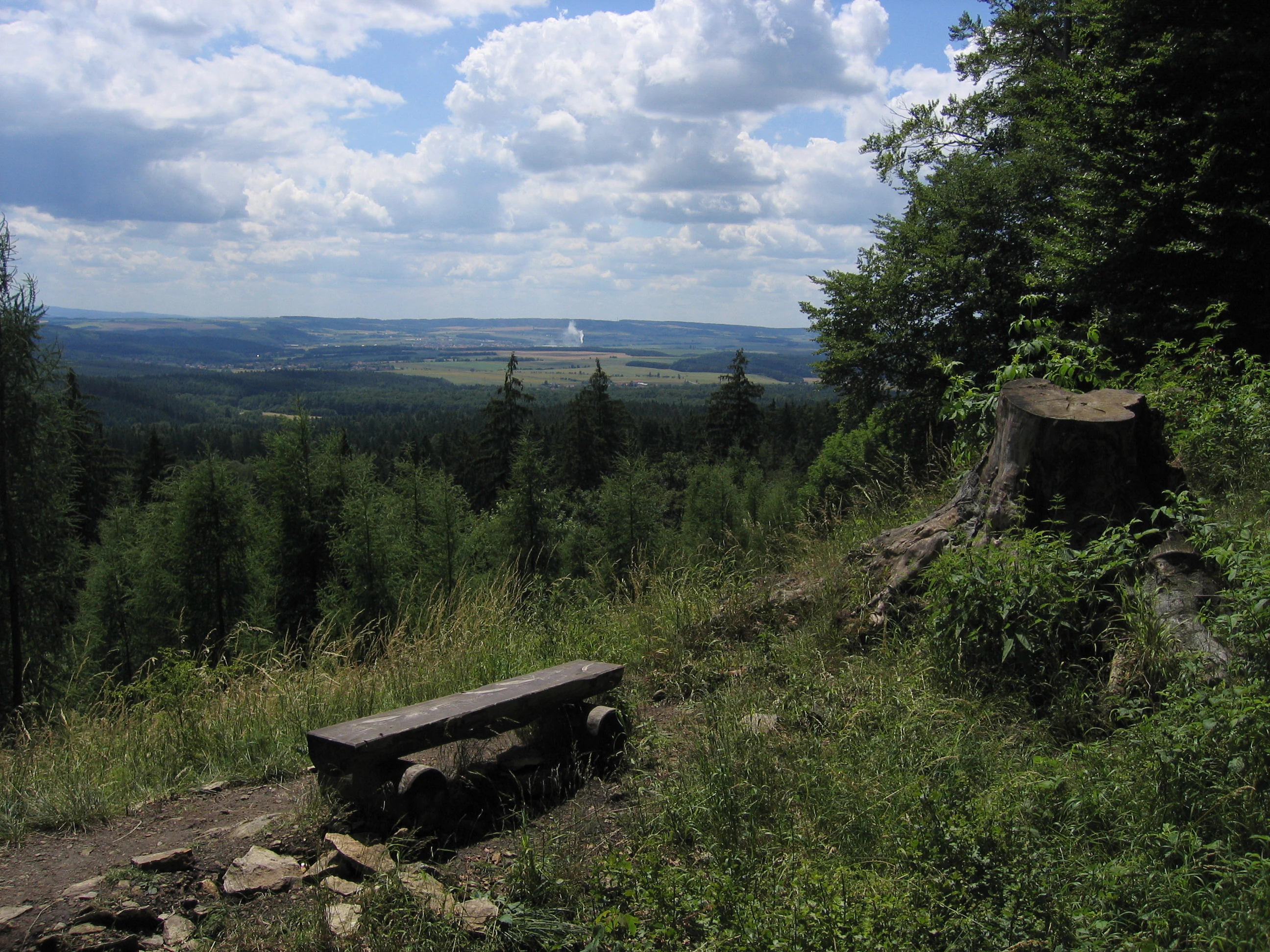
Přírodní park Džbán wildlife and species highlights
Džbán's wildlife reflects the unusual combination of warm, dry climate and extensive woodland cover, producing an unusually high diversity of species for a lowland Czech region. Amphibians are particularly well represented, with breeding populations of the crested newt, the great crested newt, the Alpine newt, the fire-bellied toad, the European green toad, and several common frog and toad species using the network of small water bodies throughout the park. The presence of the fire-bellied toad, a species more typical of warmer lowland pools, is itself notable.
Reptiles include the slow worm and the common lizard as widespread inhabitants, with grass snakes near water and the rarer smooth snake and European adder occupying drier, sun-exposed habitats. The bird community is one of the park's richest ecological features, combining forest specialists such as the middle spotted woodpecker, lesser spotted woodpecker, Eurasian wryneck, Eurasian goshawk, and northern goshawk with large raptors including the Eurasian eagle-owl, long-eared owl, and tawny owl. Wetland sites bring additional species like the little grebe, great crested grebe, and mute swan, while farmland and orchard edges attract the ortolan bunting and other open-country songbirds.
Invertebrate life adds another layer of ecological significance. The park supports the stag beetle in its old oak forests, the thermophilic cicáda chlumní in its warm grassland edges, and populations of the rare red-legged steppe spider, an invertebrate typically associated with steppe habitats that finds a refuge in Džbán's dry, sunny slopes.
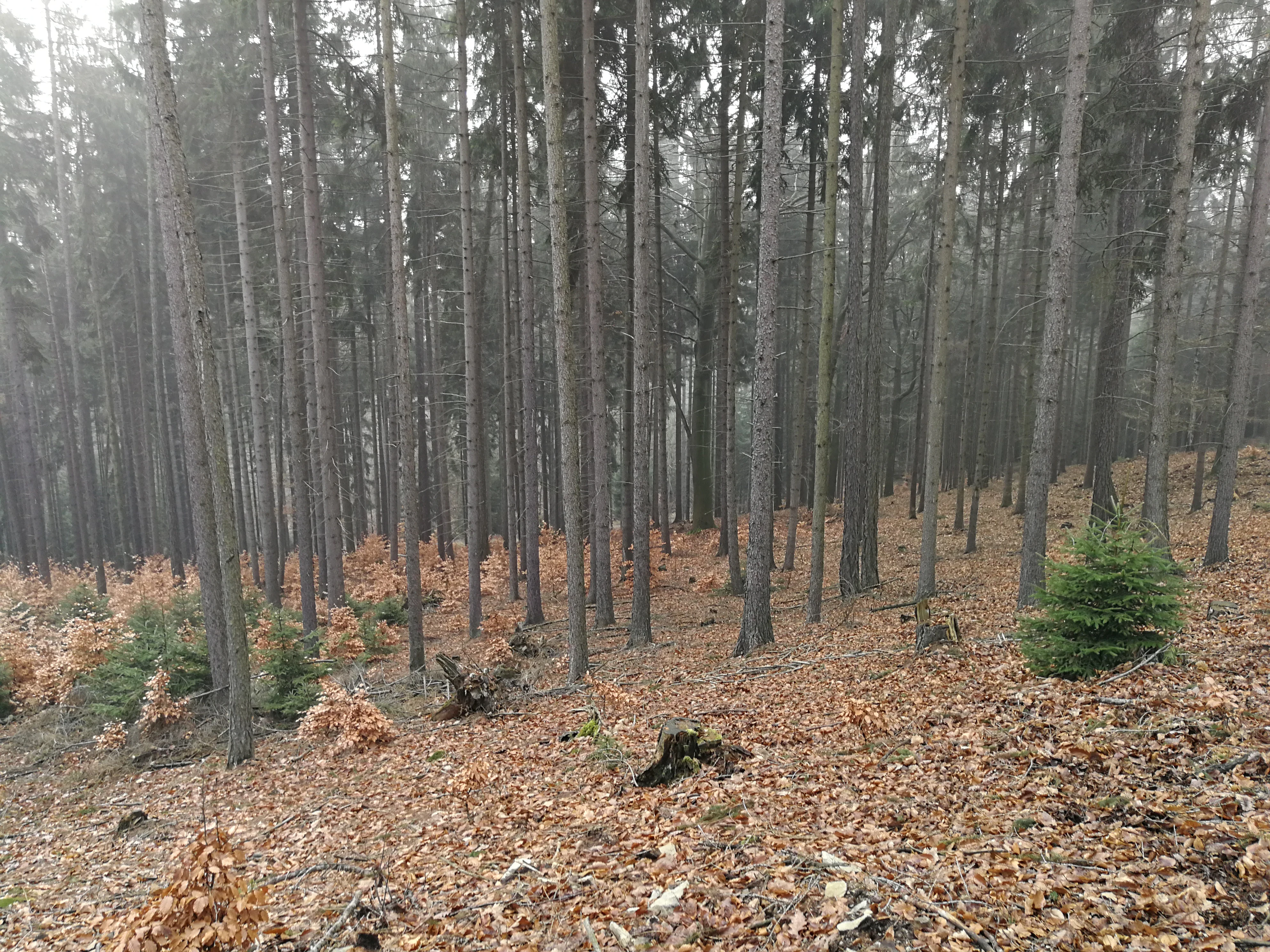
Přírodní park Džbán conservation status and protection priorities
The conservation mission of Přírodní park Džbán centers on preserving the integrity of the Džbán Cretaceous opuka plateau and the ecological, aesthetic, and cultural values associated with it. Rather than focusing on single species or small sites, the park's management framework emphasizes the landscape as a whole, recognizing the interdependence of its geomorphology, forest cover, scattered non-forest greenery, traditional orchards, and the rich flora and fauna they support.
Within the broader context of central Bohemia, the park plays a critical role as an ecological refuge. It lies between two heavily industrialized coal basins and adjacent to some of the most intensively farmed agricultural land in the Czech Republic, including the Slánsko, Žatecko, and Lounsko regions. In this setting, the forested ridge of Džbán provides habitat continuity, microclimatic buffering, and a source area for streams that sustain aquatic life far beyond the park's borders. Its protected status helps maintain old-growth forest characteristics, preserve orchid-rich woodland, and keep traditional land uses such as fruit orchards and mixed forestry alive.
The park's designation also reflects a long history of advocacy by regional conservationists. The decades of preparation that preceded the 1994 declaration, including scientific study, public negotiation, and multi-district coordination, give the park a strong sense of community-rooted legitimacy. Its conservation goals today continue to balance ecological protection with the recreational and cultural uses that have long characterized the Džbán landscape.
Přírodní park Džbán cultural meaning and human context
The cultural landscape of Džbán is inseparable from its natural setting. The opuka quarried locally has been used in buildings since prehistoric times, producing the region's signature unrendered stone farmhouses and continuing to shape local building traditions today. This vernacular architecture, known as opuková architektura, is one of the most visible expressions of the deep relationship between geology and human settlement in the area.
The ridge itself carries deep historical resonance. In the early medieval period, the Džbán highland served as a frontier between the Lučané tribe and the Prague Duchy, marking a literal boundary of political power in early Bohemia. The landscape preserves an exceptional density of archaeological traces, including hillforts such as Dřevíč and Žerotín, medieval castles including the royal castle of Džbán above the Vrata gorge and the fourteenth-century castle of Pravda, and the monastic complex at Ročov. Near the park's edge lies the archaeological site of Mšecké Žehrovice, where in 1943 a celebrated opuka Celtic head was discovered, widely regarded as one of the most beautiful depictions of a Celtic male figure, hero, or god ever found.
The unfinished Gothic cathedral at Panenský Týnec, the network of educational trails interpreting both natural and cultural heritage, and the persistence of traditional orchards and rural settlement patterns all reinforce the sense of Džbán as a lived-in cultural landscape, not merely a nature reserve.
Top sights and standout views in Přírodní park Džbán
The defining highlights of Přírodní park Džbán are its role as a triple watershed divide for the Vltava, Berounka, and Ohře, its unusually extensive and ecologically rich mixed and deciduous forests set within a dry and warm regional climate, and the distinctive opuka plateau that shapes both scenery and vernacular architecture.
Equally notable is the park's archaeological and cultural depth, from ancient hillforts and the medieval border of the Lučané to the proximity of the famous Celtic head of Mšecké Žehrovice. The combination of botanical richness, including a remarkable suite of orchids and thermophilic plants, with wildlife diversity spanning amphibians, reptiles, woodland birds, and large raptors, makes Džbán a landscape of multiple overlapping values rather than a single-feature attraction.
Best time to visit Přírodní park Džbán
Given the park's warm, dry climate and largely forested character, spring and early summer are particularly rewarding times to explore Džbán. From late April into June, woodland floors come alive with flowering orchids, wood anemones, and other spring geophytes, while migratory and breeding birds are most active. Amphibian activity around the park's ponds is also at its peak in spring, offering opportunities to see newts, toads, and frogs.
Late summer and early autumn bring a different appeal, with warmer weather suitable for longer hikes along the ridge and through the educational trails, harvest activity in the traditional orchards, and the changing tones of mixed broadleaf forests. Winter visits can highlight the park's geology, with the pale opuka outcrops and sweeping ridge views standing out in low light and occasional snow cover, while the forested landscape shelters overwintering raptors and woodland birds.