Why Rajbari National Park stands out
Rajbari National Park is best known for its significant population of Indian Gaur, also called the Indian Bison, which inspired the park's alternate name as a bison reserve. The park is recognized as one of the key locations in India where visitors can observe these massive bovines in their natural habitat. Beyond the gaur, the park is famous for its population of Golden Langurs, an endangered primate species endemic to the region. The sanctuary's diverse birdlife, including hornbills, pheasants, and jacanas, makes it a notable destination for ornithological observation. The combination of dense forest, bamboo groves, and water bodies creates a picturesque landscape that attracts nature enthusiasts and wildlife photographers.
Rajbari National Park history and protected-area timeline
The establishment of Rajbari National Park in 2007 marked a significant milestone in Tripura's conservation history. The park emerged from the Trishna Wildlife Sanctuary, which had already been recognized for its ecological value and biodiversity. The creation of a dedicated national park status was driven by the need to provide stronger legal protection for the endangered Indian Gaur population. Prior to national park designation, the area functioned as a bison reserve with the primary objective of protecting gaur from poaching and habitat loss. Conservation efforts focused on restoring natural living conditions for the bison population and strengthening anti-poaching measures. The park's evolution from a wildlife sanctuary to a national park reflected a broader trend in Indian conservation policy toward establishing well-defined protected areas with comprehensive management frameworks.
Rajbari National Park landscape and geographic character
The landscape of Rajbari National Park is characterized by a diverse terrain of tropical forests, rolling hills, and scattered water bodies. The park sits within a region of northeastern India where the terrain transitions from the Himalayan foothills into more gently undulating plains. The vegetation cover includes dense semi-evergreen forests, mixed deciduous woodlands, and patches of savannah grassland. Bamboo groves are particularly prominent throughout the sanctuary, a feature that reflects both the soil conditions and the preferences of the herbivorous gaur population. The area's hydrological network includes numerous small streams and seasonal water bodies that collect monsoon rains and sustain moisture levels in the forest understory. This combination of forest types, open grassy areas, and water features creates a visually varied landscape that supports high biodiversity.
Rajbari National Park ecosystems, habitats, and plant life
The nature of Rajbari National Park is defined by its tropical forest ecosystems and the species communities they support. Four distinct forest types characterize the sanctuary: Tropical Semi-Evergreen Forest, East Himalayan lower Bhabar sal, Moist mixed deciduous Forest, and Savannah woodland. This forest diversity supports a remarkable array of plant life, with the sanctuary documenting approximately 230 tree species, 110 shrub species, 150 climber species, and 400 herb species. Bamboo dominates large sections of the understory, forming dense thickets that provide cover for various wildlife species. The park also contains numerous plant species of medicinal value, including Tulsi (holy basil), Rudraksha, and Kalmegh, which have traditional uses in local healthcare practices. The consistent water availability from streams and water bodies ensures that the ecosystem maintains its productivity throughout the year, supporting both resident and migratory species.
Rajbari National Park wildlife and species highlights
The wildlife of Rajbari National Park centers on its populations of large mammals, primates, and diverse bird species. The Indian Gaur, also known as the Indian Bison, remains the flagship species of the park and serves as the primary attraction for visitors. These massive bovines graze in the forest clearings and bamboo thickets, with their populations maintained through dedicated conservation efforts. The Golden Langur, a critically endangered primate found primarily in Tripura, inhabits the forest canopy and represents one of the park's most notable conservation priorities. Other mammals include wild boars, various wild cat species, and leopards. The avian fauna is particularly rich, featuring species such as the Pheasant-tailed Jacana, White-breasted Kingfisher, Indian Black Drongo, Tailorbird, Jungle Myna, and several hornbill species. This diversity of birdlife makes the park significant for both resident bird populations and potential migratory visitors.
Rajbari National Park conservation status and protection priorities
Rajbari National Park serves as a critical conservation node in Tripura's protected area network. The park's primary conservation focus centers on protecting the endangered Indian Gaur population, which prompted the establishment of the original bison reserve within the sanctuary. Conservation efforts include habitat protection, anti-poaching patrols, and management of water resources to ensure consistent ecological support for wildlife. The park's inclusion within the Trishna Wildlife Sanctuary provides ecological connectivity with larger landscape areas, supporting species that require extensive habitat ranges. The diverse forest types and water bodies contribute to broader conservation goals in northeastern India, a region recognized for its high endemism and biodiversity significance.
Rajbari National Park cultural meaning and human context
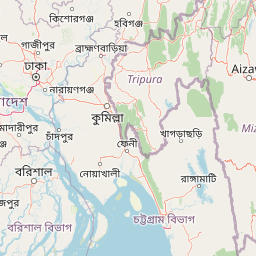
The cultural context of Rajbari National Park is intertwined with the broader heritage of Tripura, a state with rich tribal traditions and historical legacy. The region surrounding the park has been inhabited by various indigenous communities whose relationship with the land predates modern conservation designations. Traditional land use practices and local knowledge of the forest have shaped understanding of the area's ecology. The park's location in southern Tripura places it within a landscape where agricultural communities and forest ecosystems have interacted for generations. The protected area status represents a balance between conservation objectives and the cultural landscape that has evolved in the region.
Top sights and standout views in Rajbari National Park
Rajbari National Park offers several standout features that distinguish it within India's protected area network. The opportunity to observe Indian Gaur in their natural forest habitat remains the park's primary draw, with visitors frequently encountering these impressive animals along forest trails and clearing edges. The Golden Langur population provides a rare glimpse into one of India's most endangered primate species, with the park offering some of the best viewing opportunities in the country. The sanctuary's four forest types create a varied landscape that supports different wildlife viewing experiences, from dense canopy walks to open savannah observation points. The bird diversity, particularly the presence of hornbills and water birds, adds another dimension to the park's appeal for wildlife enthusiasts. The park's relative youth as a protected area and its location in the less-visited northeastern region give it an air of remoteness and tranquility that contrasts with more crowded Indian wildlife destinations.
Best time to visit Rajbari National Park
The best time to visit Rajbari National Park spans from October through March, when the post-monsoon season brings clearer conditions and more comfortable temperatures for wildlife observation. The winter months from November to February typically offer the most pleasant conditions for exploring the park, with moderate daytime temperatures and reduced rainfall. The park remains accessible during the monsoon season from June to September, though heavy rains can limit movement within the sanctuary and increase humidity. Summer months from April to June can bring higher temperatures that reduce wildlife activity during midday hours. The dry season generally improves sighting opportunities as animals concentrate around remaining water sources, making the winter and early spring period optimal for gaur and langur observation.