Why Rajma National Park stands out
Rajma National Park is best known for its unusual combination of wetland habitats within a desert environment, a rare occurrence in Libya's arid interior. The park features abundant date palm groves, creating oases that support both wildlife and traditional agricultural use. Its location in the Jabal al Gharbi region places it within an area characterized by mountainous terrain and harsh desert conditions, distinguishing it from Libya's coastal protected areas. The presence of striped hyenas and wildcats adds to the park's ecological significance, as these species represent some of the larger mammals adapted to survival in this challenging environment.
Rajma National Park history and protected-area timeline
The specific establishment history of Rajma National Park is not detailed in the available source material. Protected areas in Libya have been established under various governmental frameworks aimed at preserving the country's natural heritage, including both coastal and interior ecosystems. The designation of Rajma as a national park reflects recognition of the ecological value represented by its wetland habitats within the broader desert context. As one of Libya's protected areas, the park contributes to the country's system of natural preservation, though detailed institutional history regarding its creation and management would require additional sources.
Rajma National Park landscape and geographic character
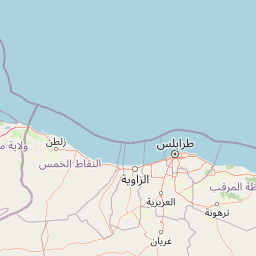
The landscape of Rajma National Park combines desert terrain with wetland environments, creating a distinctive visual character within Libya's interior. The surrounding Jabal al Gharbi District features mountainous terrain that influences the local environment, while the broader region is characterized by harsh desert conditions typical of the Sahara's northern margins. Within the park, the wetlands areas supported by groundwater create contrasts with the surrounding arid landscape. Date palm groves represent the most visually prominent vegetation, forming green oases against the desert backdrop. The combination of desert, mountains, and wetland creates a landscape of ecological significance, where water availability supports more lush vegetation than the surrounding terrain.
Rajma National Park ecosystems, habitats, and plant life
The nature of Rajma National Park centers on its wetland habitats existing within a desert environment, creating an ecological setting of particular value in Libya's protected area network. The park's wetlands provide crucial habitat functions in an otherwise arid region, supporting vegetation communities dominated by date palms alongside fig and olive trees. This vegetation pattern creates microhabitats within the desert, supporting wildlife populations that depend on the more productive wetland areas. The ecological character of the park represents an interface between desert and wetland systems, making it valuable for biodiversity conservation in northern Africa's semi-arid zones. The presence of permanent water sources enables the park to support species assemblages that would not survive in the surrounding desert terrain.
Rajma National Park wildlife and species highlights
The wildlife of Rajma National Park reflects the harsh desert environment of Libya's interior, with species adapted to arid conditions and limited water availability. Reptiles including lizards and snakes are common within the park, representing the most diverse group of vertebrates in this environment. Small mammals including various rodent species also inhabit the area, providing prey for larger predators. Desert mammals present in the park include striped hyenas and wildcats, representing the larger predators adapted to this ecosystem. These species demonstrate the park's conservation value for predator populations in North Africa's desert regions. The wildlife community represents typical Saharan fauna adapted to survive with minimal water and in extreme temperatures, though the wetland areas provide additional resources that support greater biodiversity than surrounding desert zones.
Rajma National Park conservation status and protection priorities
Rajma National Park contributes to Libya's protected area network by preserving a unique wetland habitat within the country's interior. The park's conservation significance derives from its representation of ecological systems that are limited in distribution across northern Africa, where desert conditions dominate. Wetland areas within arid regions serve as biodiversity hotspots, and Rajma's date palm oases provide habitat for species unable to survive in the surrounding desert. The presence of larger mammals including striped hyenas indicates the park supports ecological processes involving predator-prey relationships in this environment. Conservation of the park helps preserve traditional land uses involving date palm cultivation while maintaining natural values. As one of Libya's designated national parks, Rajma represents commitment to protecting the country's natural heritage beyond its more famous coastal ecosystems.
Rajma National Park cultural meaning and human context
The cultural context of Rajma National Park relates to the traditional relationship between local communities and the oasis environments created by date palm cultivation. Date palms have been cultivated across North Africa for millennia, and the presence of abundant date palms within the park suggests long-term human presence and agricultural use of these wetland areas. The combination of date, fig, and olive trees reflects agricultural traditions common throughout the Mediterranean-influenced regions of North Africa. The park's location in the Jabal al Gharbi District places it within a region where communities have adapted to semi-arid conditions through irrigation and oasis agriculture. This cultural landscape represents the intersection of natural wetland ecology with agricultural practices that have shaped the region's character over generations.
Top sights and standout views in Rajma National Park
Rajma National Park's highlights include its unique wetland habitat within Libya's desert interior, featuring extensive date palm groves that create green oases amid arid terrain. The park provides refuge for desert wildlife including striped hyenas and wildcats, representing larger mammals rarely encountered in this harsh environment. Its location in the Jabal al Gharbi District offers access to mountain landscapes distinct from Libya's coastal regions. The combination of wetlands, desert, and mountain scenery creates a varied natural environment within a single protected area. The park preserves ecological communities that depend on groundwater-fed wetlands in a region where such habitats are uncommon and ecologically valuable.
Best time to visit Rajma National Park
The best time to visit Rajma National Park would generally be during the cooler months of the year, typical for desert regions where summer temperatures can be extreme. The winter months from November through March tend to offer more comfortable conditions for outdoor exploration. However, specific seasonal guidance for visiting this particular park would require additional source information about access, facilities, and local conditions. Visitors to desert wetland areas should consider that conditions can vary significantly between seasons, with the wetter months potentially offering more active wildlife activity around water sources.