Mori Atlas logo
Nature reserveJezioro Prosino Nature Reserve

Analyzing the protected lakeshore vegetation and aquatic habitats within the Drawsko Lake District

Jezioro Prosino Nature Reserve: A Detailed Geographic Study of Postglacial Wetland Protected Areas in Poland

(Rezerwat przyrody „Jezioro Prosino”)

Jezioro Prosino Nature Reserve represents a critical faunistic protected area in northwestern Poland, situated within the postglacial mosaic of the Drawsko Lake District. This analysis examines the reserve's central lake basin and its surrounding wetland belts, which provide essential refuge for rare bird species and sensitive aquatic flora. The site exists as an integral component of the broader Drawsko Landscape Park, illustrating the interconnected nature of glacial landforms and regional biodiversity.

lake reservewetland reservebird reservefaunistic reserveDrawsko Lake DistrictWest Pomerania
A flat-style digital illustration depicting a calm lake surrounded by trees and a green meadow with small white flowers in the foreground, under a soft pastel sunset sky.

Jezioro Prosino Nature Reserve

Nature reserve

Park overview

Structured park overview, official facts, and landscape profile for Jezioro Prosino Nature Reserve

Jezioro Prosino Nature Reserve park facts, protected area profile, and essential visitor context

Review the core facts for Jezioro Prosino Nature Reserve, including designation, size, terrain, visitor scale, habitats, and operating context in one park-focused overview.

About Jezioro Prosino Nature Reserve

Jezioro Prosino Nature Reserve is a faunistic nature reserve in northwestern Poland that revolves around Lake Prosino and its fringe of shore vegetation. It lies in the West Pomeranian Voivodeship, within the Drawsko powiat and the rural commune of Czaplinek, and is set in the rolling postglacial landscape of the Drawsko Lake District. Although the reserve itself is modest in size, its position inside the Drawsko Landscape Park gives it a strong wider ecological context, since lake ecosystems in this region are closely interconnected through chains of glacial lakes, forests, and peatlands.

The reserve was established specifically to protect populations of waterbirds and wetland birds and their habitats, and it remains classified as a faunistic reserve specializing in birds. Over time, the protected scope has come to include rare and strictly protected vascular plants along the lake margins, and the reserve today safeguards a layered set of natural values: lake water, lakeshore plant communities, breeding bird populations, and the broader mosaic of surrounding wetland habitats that connect to larger Natura 2000 sites.

Because of its small footprint and ecological focus, Jezioro Prosino is best approached not as a standalone destination but as part of a wider network of protected lake environments in the Czaplinek and Drawsko area. For visitors interested in quiet lake scenery, postglacial landscapes, and birdwatching in low-impact settings, the reserve offers a representative example of how small, targeted reserves in Poland can protect species-rich habitats that would otherwise be vulnerable in a working landscape of forests, fields, and small villages.

Quick facts and research context for Jezioro Prosino Nature Reserve

Jezioro Prosino Nature Reserve is a faunistic reserve (specifically a bird reserve subtype) located in the Drawsko Lake District of the West Pomeranian Voivodeship. It lies within Gmina Czaplinek, in the general area between the towns of Czaplinek and Połczyn-Zdrój, and is fully enclosed by the larger Drawsko Landscape Park.

The reserve was created on 17 November 1988 by order of the Minister of Environmental Protection and Natural Resources, originally covering 81 hectares, and was enlarged to 86 hectares in late 2007. It is subject to active protection under a management plan established in 2008, and supervision is exercised by the Regional Nature Conservator in Szczecin. Two overlapping Natura 2000 sites, one habitat-based and one bird-based, reinforce its conservation importance at the European level.

Protection and recognition

Documented terrestrial protection scope and conservation frameworks

Jezioro Prosino Nature Reserve Protection Status and Recognition

Jezioro Prosino Nature Reserve features a documented terrestrial protection scope managed through established conservation frameworks. Official protection status records detail the administrative framework governing this protected area without external international recognition sources.

Protection details

Protection scope
Terrestrial
Transboundary protection
No
Park context

Deeper park guide and search-rich context for Jezioro Prosino Nature Reserve

Jezioro Prosino Nature Reserve history, landscape, wildlife, and travel context

Explore Jezioro Prosino Nature Reserve through its history, landscape character, ecosystems, wildlife, conservation priorities, cultural context, and seasonal travel timing in a structured park guide built for atlas discovery and search intent.

Why Jezioro Prosino Nature Reserve stands out

Jezioro Prosino is primarily known for its role as a breeding and seasonal refuge for waterbirds and wetland birds in the Drawsko Lake District. The reserve’s defining purpose is the protection of aquatic and marsh bird populations together with the lakeshore habitat belts they depend on. The reserve also draws attention for supporting several protected and rare vascular plant species tied to lake margins, including the crested wood fern. Its setting inside the broader Drawsko Landscape Park and its integration into the Natura 2000 network add further ecological weight, making it a small but ecologically focused component of a much larger protected landscape in northern Poland.
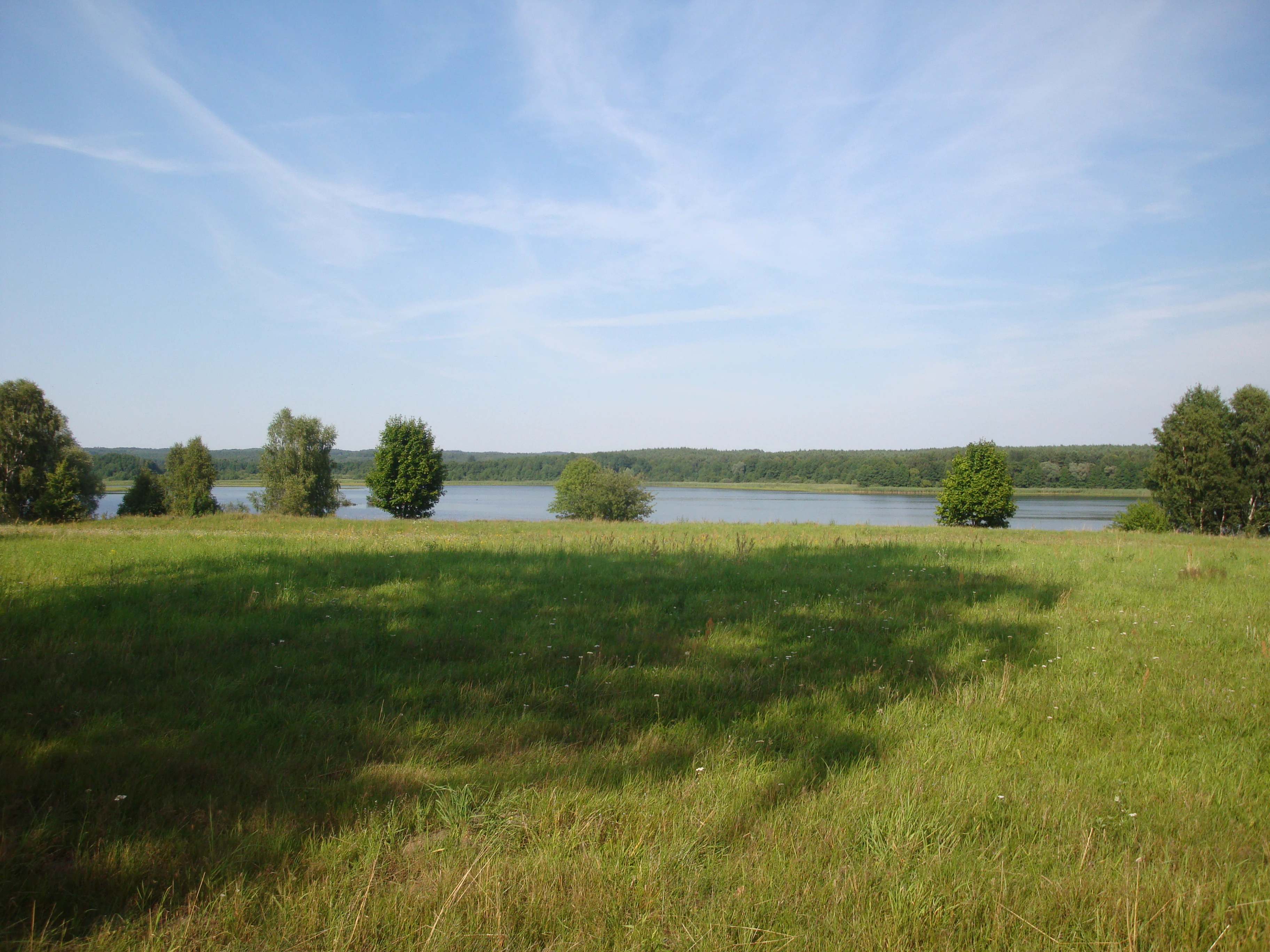
A wide shot showing a green grassy meadow in the foreground leading to a calm lake with trees along the distant shoreline under a blue sky with light wispy clouds.
A wide view of the lake within the Jezioro Prosino Nature Reserve.

Jezioro Prosino Nature Reserve history and protected-area timeline

The history of Jezioro Prosino Nature Reserve begins in the late 1980s, when nature protection in Poland was being reorganized and many new protected areas were created to safeguard threatened wetland habitats. The reserve was formally established on 17 November 1988 by an order of the Minister of Environmental Protection and Natural Resources, originally covering an area of 81 hectares. Its declared purpose was to protect breeding populations of waterbirds and marsh birds together with the wetland habitats on which they depend.

Nearly two decades later, on 31 December 2007, a regulation issued by the voivode of West Pomerania expanded the reserve to its current size of 86 hectares, strengthening protection around the lake and its shore vegetation zone. A formal protection plan for the reserve was adopted in 2008, introducing active conservation management and clarifying the role of the supervising Regional Nature Conservator in Szczecin. These later steps reflect how the reserve has gradually been integrated into broader European-level conservation frameworks, particularly through its inclusion in the Natura 2000 habitat site Jeziora Czaplineckie and the Natura 2000 bird protection site Ostoja Drawska.

Jezioro Prosino Nature Reserve landscape and geographic character

The landscape of Jezioro Prosino Nature Reserve is shaped by the postglacial topography that defines much of the Drawsko Lake District. The reserve centers on a single lake basin, ringed by a narrow belt of lakeshore vegetation that softens the transition between open water and the surrounding terrestrial environment. This shoreline strip is the most ecologically active part of the landscape and forms the core of what the reserve protects.

Beyond the immediate shoreline, the reserve sits within a wider mosaic of mixed forests, glacial landforms, moraines, and other nearby lakes typical of the Pomeranian lake country. The surrounding Drawsko powiat is dotted with similar small lakes and gentle hills, including the nearby Spyczyna Góra hill, which rises modestly above the lake plain and gives the area some of its characteristic elevation variation. The overall impression is of a quiet, low-intensity lake landscape: not dramatic in altitude, but defined by water, wetland edges, and the slow transitions between open lake, marshy shore, and forest.

Jezioro Prosino Nature Reserve ecosystems, habitats, and plant life

Ecologically, Jezioro Prosino is defined by its lake and lakeshore habitats, which together form a small but richly structured wetland system. The open water of the lake supports submerged and floating vegetation typical of postglacial Polish lakes, while the shore zone combines reedbeds, sedge communities, marshy fringes, and patches of bog-like vegetation where conditions allow.

The reserve’s protected character is strongly tied to the survival of several rare plant species along the lakeshore. Among the most notable are the crested shield fern, a strictly protected and locally rare fern; the yellow sedge Carex lepidocarpa, associated with calcareous or enriched wet habitats; and buckbean, a typical plant of boggy shores and slow-moving waters. The combination of open water and narrow shore vegetation creates a habitat mosaic that supports breeding birds and seasonal migrants while also functioning as a refuge for specialist wetland plants.

Jezioro Prosino Nature Reserve wildlife and species highlights

Wildlife at Jezioro Prosino is dominated by birdlife, in line with the reserve’s status as a faunistic reserve focused on birds. The lake and its surrounding marshes support a recognized community of waterbirds and wetland-dependent species, including the common crane, the Eurasian bittern, the red kite, the common tern, the marsh harrier, the common kingfisher, and the red-backed shrike. This mix reflects both the lake breeding habitat (terns, bittern, marsh harrier) and the surrounding mosaic of reeds, woodland fringes, and open country that supports raptors and passerines.

Beyond birds, the reserve’s combination of open water, shore vegetation, and nearby forest likely supports typical wetland mammals, amphibians, and invertebrates associated with similar Polish lake landscapes, although specific details for non-avian fauna are not emphasized in public documentation. What distinguishes Jezioro Prosino ecologically is the concentration of protected and threatened bird species breeding or staging on a relatively small lake footprint, reinforcing the reserve’s importance as a stepping stone within the larger Ostoja Drawska Natura 2000 bird area.

Jezioro Prosino Nature Reserve conservation status and protection priorities

From a conservation perspective, Jezioro Prosino Nature Reserve plays a multi-layered role. At the national level, it functions as a faunistic reserve with active protection, meaning that conservation work is actively directed at maintaining or restoring the habitats the reserve was created to safeguard. At the European level, the reserve forms part of two Natura 2000 areas: the habitat protection site Jeziora Czaplineckie, which focuses on lake and lakeshore habitat types, and the bird protection site Ostoja Drawska, which highlights the regional importance of the area for bird populations.

The reserve’s conservation importance rests on protecting a tight cluster of rare plant species (notably the crested shield fern) and a community of protected birds within a small but ecologically well-defined wetland. Because the reserve sits inside the larger Drawsko Landscape Park, its protection is reinforced by the surrounding landscape planning framework, and the active management plan adopted in 2008 provides a more recent baseline for ongoing habitat care. This combination of national, landscape, and European-level designations gives Jezioro Prosino a stronger conservation profile than its modest size alone would suggest.

Jezioro Prosino Nature Reserve cultural meaning and human context

The cultural context of Jezioro Prosino is closely tied to the broader identity of the Drawsko Lake District, a region long shaped by small-scale agriculture, forestry, fishing, and dispersed village settlement. The reserve lies near several small villages, including Kluczewo, Stare Drawsko, and Spyczyna, reflecting the typical pattern of rural Pomeranian settlement around chains of glacial lakes.

The area’s identity is also connected to nearby Czaplinek and Połczyn-Zdrój, both towns with longstanding roles as local service centers for the lake-country region. The red-marked tourist trail known as the “Solny” Trail, which passes along the south and west edges of the reserve on its way between Czaplinek and Połczyn-Zdrój, is a reminder that this lake landscape has long been traversed, appreciated, and informally used for outdoor recreation, even as its more sensitive wetland zones have been placed under formal protection.

Top sights and standout views in Jezioro Prosino Nature Reserve

Jezioro Prosino Nature Reserve is highlighted by its combination of a compact lake basin, a richly structured shore vegetation belt, and a concentration of protected bird and plant species within a small footprint. Its protection under both the Polish faunistic reserve system and the European Natura 2000 network distinguishes it as an ecologically focused site within a much broader landscape park.

What makes the reserve especially worth noting is how it combines breeding habitat for waterbirds such as bittern, marsh harrier, and common tern with rare lakeshore plants like the crested shield fern and buckbean. Set inside the Drawsko Lake District and framed by the Drawsko Landscape Park, Jezioro Prosino offers a representative example of how small, well-targeted reserves help preserve the integrity of larger postglacial lake ecosystems in northern Poland.

Best time to visit Jezioro Prosino Nature Reserve

The best periods to experience Jezioro Prosino Nature Reserve align with the ecological rhythms of lake and wetland habitats in the region. Late spring and early summer are particularly favorable for observing breeding waterbirds and the full development of lakeshore vegetation, when the reedbeds, sedge communities, and floating plant communities are most active and the bird breeding season is at its peak.

Autumn can also be a rewarding period, when waterbird numbers fluctuate with migration and the surrounding forests of the Drawsko Landscape Park take on seasonal color. Winter visits tend to be quieter and colder, with frozen or partially frozen lake conditions making access to viewpoints more variable; visitors in this period should expect subdued wildlife activity and a more contemplative atmosphere focused on the broader lake landscape rather than on active birdwatching.

Monthly climate preview

Long-term representative temperature ranges and monthly precipitation distributions

Jezioro Prosino Nature Reserve Climate Normals and Annual Weather Patterns

Jezioro Prosino Nature Reserve tracks a measured annual temperature rhythm spanning subzero winter minimums and warm summer maximums alongside consistent daily precipitation. Reviewing the complete twelve-month climate profile reveals precise monthly averages for deeper environmental analysis.
Annual mean8 °C
-2 °C19 °C
Jan-2°
Feb-1°
Mar
Apr
May13°
Jun16°
Jul19°
Aug18°
Sep14°
Oct
Nov
Dec-1°
Warmest month
July

18.7 °C

Coolest month
January

-2.3 °C

Wettest month
July

2.7 mm/day

Driest month
April

1.2 mm/day

Park location guide

Geography guide, regional context, and park location map for Jezioro Prosino Nature Reserve

Jezioro Prosino Nature Reserve park geography, regions, and map view in Poland

Understand where Jezioro Prosino Nature Reserve sits in Poland through a broader geographic reading of the surrounding landscape, nearby location context, and its mapped position within the national park landscape.

How Jezioro Prosino Nature Reserve fits into Poland

Poland, officially the Republic of Poland, is a Central European country spanning from the Baltic Sea in the north to the Carpathian Mountains in the south. It borders Germany, Czech Republic, Slovakia, Ukraine, Belarus, Lithuania, and Kaliningrad Oblast. The country has a temperate climate, diverse landscapes, and is known for its rich history, cultural heritage, and strong economic position within the EU.

Wider geography shaping Jezioro Prosino Nature Reserve in Poland

Poland occupies 312,696 km2 in Central Europe, extending from the Baltic Sea coast in the north to the Sudetes and Carpathian Mountains in the south. It borders Germany to the west, Czech Republic and Slovakia to the south, Ukraine and Belarus to the east, and Lithuania and Kaliningrad Oblast to the northeast. The landscape includes lowland plains, uplands, and mountain ranges.

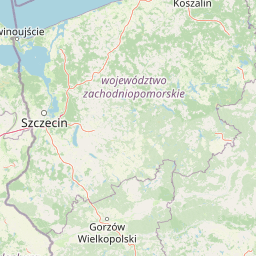
Map view of Jezioro Prosino Nature Reserve

Use this park location map to pinpoint Jezioro Prosino Nature Reserve in Poland, understand its exact geographic position, and read its mapped placement within the surrounding landscape more clearly.

Pigeon | © OpenStreetMap contributors

Visual reference collection showcasing postglacial lake habitats and wetland terrain

Jezioro Prosino Nature Reserve Photos and Protected Landscape Scenery

Visual documentation provides a clear look at the lakeshore vegetation, wetland margins, and open water basins that define Jezioro Prosino Nature Reserve. Examining field photography helps reveal the postglacial topography and protected bird habitats embedded within the broader Drawsko Lake District.

A wide shot showing a green grassy meadow in the foreground leading to a calm lake with trees along the distant shoreline under a blue sky with light wispy clouds.

Park atlas

Compare nearby wetland reserves and regional postglacial lake landscapes

Other Parks Near Jezioro Prosino Nature Reserve and Surrounding Protected Areas

Browse protected areas and wetland reserves located near Jezioro Prosino Nature Reserve in the Drawsko Lake District. Comparing adjacent lake habitats reveals broader patterns of postglacial topography and regional conservation networks across northern Poland.
A horizontal watercolor painting showing a winding river flowing through a lush green valley with distant hills under a soft light.
Nature reserveZachodniopomorskie
About 6.5 km away#1 closest

Northwest

Dolina Pięciu Jezior Nature Reserve: Geographic Atlas and Protected Area Map

A glacial valley and lake system in the Drawsko Lakeland

Located in the heart of the Drawsko Lakeland, Dolina Pięciu Jezior represents a protected nature reserve centered on a narrow valley system. The area showcases a distinctive post-glacial terrain with five linked lakes and mature beech forests. This geographic corridor serves as a vital protected area, preserving the headwaters of the Drawa River and its surrounding ecosystem within the Zachodniopomorskie region.

Area
2.288 km²
Established
1987
Relief
Upland
Climate
Temperate
A soft watercolor painting showing a wide expanse of heathland with rolling green hills, patches of low-lying vegetation, and distant pale mountains.
Nature reserveWest Pomeranian Voivodeship
About 29 km away#2 closest

Southeast

Diabelskie Pustacie Nature Reserve: Mapping the Largest Inland Heathland in Poland

Glacial sandr plains and protected lowland habitat geography.

Located in the West Pomeranian Voivodeship, Diabelskie Pustacie Nature Reserve is defined by its wide open sandr plains and complex glacial relief. This protected site integrates dry heathlands and moist depressions within a unique post-military landscape, offering deep insights into the region's natural terrain and conservation status.

Area
9.325 km²
Established
2008
Relief
Upland
Climate
Temperate
Watercolor painting of a rolling rural landscape with soft green hills, forest patches, and a foreground of wildflowers, presented in a wide panorama style.
Protected areaWest Pomeranian Voivodeship
About 32 km away#3 closest

West

Ostoja Ińska Protected Area: Geographic Context and Landscape Features in West Pomeranian Voivodeship

Postglacial moraine ridges and wetland mosaic exploration

Ostoja Ińska is a major bird protection sanctuary in northwestern Poland, renowned for its postglacial mosaic of lakes, bogs and forests. Spanning the Iński Landscape Park, the area offers a unique view into the undulating topography of the Pomeranian lake district and its vital role in regional avian conservation.

Area
877.109 km²
Established
2004
Relief
Upland
Climate
Temperate
Nature reserveZachodniopomorskie
About 37 km away#4 closest

North

Dolina Rzeki Leśnicy Nature Reserve: Mapped Protected Landscapes in Zachodniopomorskie

A glacial valley reserve featuring riverine forest habitats.

Dolina Rzeki Leśnicy Nature Reserve preserves a distinct young glacial river valley characterized by its tightly meandering stream, amphitheater-like springheads, and diverse gallery forests. Located on the Białogard Plain, this protected landscape demonstrates the intersection of humid riparian ecosystems and undulating glacial relief, providing an essential study of Polish lowland geography and forest conservation.

Area
0.593 km²
Established
2024
Relief
Upland
Climate
Temperate
A watercolor painting of a serene landscape with soft green hills and distant mountains.
Nature reserveGreater Poland Voivodeship
About 38 km away#5 closest

Southeast

Rezerwat przyrody Diabli Skok: Protected Forest and Glacial Ravine Geography

A sheltered microclimate and moraine reserve in Greater Poland.

Rezerwat przyrody Diabli Skok protects a sharp, deeply incised gorge that contrasts with the surrounding flat glacial plains. This site is defined by its old-growth beech woodland and numerous groundwater springs, providing a critical habitat for diverse plant species and montane moss communities within the regional geography of the Greater Poland Voivodeship.

Area
0.21 km²
Established
1961
Relief
Upland
Climate
Temperate
Nature reserveWest Pomeranian Voivodeship
About 47 km away#6 closest

Northeast

Jezioro Szare Nature Reserve: Regional Geography and Protected Freshwater Landscape Analysis

Analyzing the forest-fringed lobelia lake basin in West Pomeranian Voivodeship

Situated in the West Pomeranian Voivodeship, Jezioro Szare Nature Reserve protects a distinct lobelia-type lake ecosystem. The reserve is characterized by its steep, forested basin rim and clear, low-nutrient water, functioning as a significant reference site for rare freshwater habitats within the Pomeranian lake district landscape.

Area
0.087 km²
Established
1974
Relief
Upland
Scope
Terrestrial
Nature reserveZachodniopomorskie
About 48 km away#7 closest

Southeast

Rezerwat przyrody Dolina Rurzycy: Mapped Geography and Protected Area Data

A glacial river valley reserve in the West Pomeranian landscape

Trace the ecological profile of Rezerwat przyrody Dolina Rurzycy. This entry provides map-based context for its deeply incised river valley, interconnected glacial lake chain, and rare calcareous spring communities within the Wałcz Forests region.

Area
5.547 km²
Established
2005
Relief
Upland
Climate
Temperate
Nature reservePomeranian Voivodeship
About 48 km away#8 closest

East

Rezerwat przyrody Dolina Gwdy: Exploring Protected River Meanders and Forested Geography

Nature reserve in Pomeranian Voivodeship

This nature reserve serves as a critical protected landscape, encompassing 425 hectares of riverine corridors along the Gwda and Czernica rivers. The area is defined by its pronounced meanders, floodplain terraces, and extensive alder swamp forests, providing a documented look at the natural terrain and hydrological evolution within the Pomeranian lake district of northern Poland.

Area
4.246 km²
Established
1998
Relief
Upland
Scope
Terrestrial

Common questions about visiting, size, designation, and location context for Jezioro Prosino Nature Reserve

Jezioro Prosino Nature Reserve FAQs for park facts, access, geography, and protected area context

Find quick answers about Jezioro Prosino Nature Reserve, including protected-area facts, park geography, trail and visitor context, and how the park fits into its surrounding country and regional landscape.
MoriAtlas Explorer

Continue Your Protected Areas Search Across the Global Atlas

Deepen your exploration by continuing the structured search for national parks and protected areas worldwide. Utilize the comprehensive filtering capabilities to compare different conservation landscapes and refine your understanding of global park geography. Discover more about the distribution and characteristics of protected natural areas.

Global natural geography