
Mori Atlas logo
Nature reserveDolina Rzeki Leśnicy

Examine the mapped boundaries, riparian forest terrain, and riverine ecosystem of this protected West Pomeranian landscape.

Dolina Rzeki Leśnicy Nature Reserve: A Detailed Geographic Atlas of a Glacial River Valley

(Rezerwat przyrody Dolina Rzeki Leśnicy)

Dolina Rzeki Leśnicy Nature Reserve encompasses a several kilometer stretch of a deeply incised glacial valley in the West Pomeranian region of Poland. This protected area captures the confluence of meandering river dynamics, springhead ravines, and mature deciduous forests, offering a look at a young glacial landscape on the Białogard Plain. The site provides a clear view into the region's riparian geography, where ash-alder floodplain woods and oak-hornbeam stands support high concentrations of monumental trees and protected stream life.

river valleynature reserveyoung-glacial landscaperiparian forestalder floodplain forestoak-hornbeam forest

Dolina Rzeki Leśnicy

Nature reserve

Park overview

Structured park overview, official facts, and landscape profile for Dolina Rzeki Leśnicy Nature Reserve

Dolina Rzeki Leśnicy Nature Reserve park facts, protected area profile, and essential visitor context

Review the core facts for Dolina Rzeki Leśnicy Nature Reserve, including designation, size, terrain, visitor scale, habitats, and operating context in one park-focused overview.

About Dolina Rzeki Leśnicy Nature Reserve

Dolina Rzeki Leśnicy Nature Reserve lies in the western part of the Białogard Plain, a young-glacial landscape region of northern Poland shaped by Pleistocene glaciation. The protected area centers on the deeply incised valley of the Leśnicy River, also known as Liśnica in some sources, a tributary of the Parsęta. Within the reserve the river follows a winding course, carving narrow gorges and forming springhead basins along the valley floor and sides, a geomorphological pattern typical of post-glacial river systems where meltwater channels have been reoccupied by modern streams.

The reserve's forest cover reflects a clear valley-to-slope ecological gradient. Near the watercourse, ash-alder floodplain forests dominated by alder, ash, and willow, including communities such as Salicetum albo-fragilis, Populetum albae, and Alnenion glutinoso-incanae, occupy the wetter, periodically flooded zones. Spring-fed alder stands develop in the headwater basins where groundwater emerges. On the drier valley slopes, subatlantic oak-hornbeam forests of the Stellario-Carpinetum type clothe the upper terrain, creating a layered mosaic of natural and semi-natural forest habitats.

A defining feature of the reserve is the maturity of its tree cover. Many individual trees reach monumental dimensions, qualifying as natural monuments, and substantial amounts of coarse deadwood remain in the woodland, supporting specialist bryophytes, fungi, and saproxylic insects. This combination of well-developed valley forest, sheltered microclimate, and abundant deadwood gives the reserve its strong ecological character and concentrates diverse fauna along the river. Stream-dependent species benefit from the clean, sinuous channel: kingfishers use the exposed banks, several bat species forage along the wooded valley, and protected fish such as the European brook lamprey and white-finned gudgeon find refuge in the gravelly substrate.

The reserve's creation in December 2024 capped an effort that began with the 2007–2016 forest management plan for the Białogard Forest District and an earlier natural evaluation of gmina Tychowo prepared by the Nature Conservation Office in Szczecin in 2003. Its designation as part of the State Forests centenary initiative, "100 reserves for the 100th anniversary of State Forests," places the site within a country-wide programme that has expanded Poland's network of small, ecologically focused nature reserves, particularly in lowland forested landscapes.

Quick facts and research context for Dolina Rzeki Leśnicy Nature Reserve

Dolina Rzeki Leśnicy is a landscape nature reserve located in gmina Tychowo, powiat białogardzki, in the West Pomeranian Voivodeship of northern Poland, on the Białogard Plain mesoregion. The reserve covers roughly 59 hectares, with an additional buffer zone of about 18 hectares, and was formally established on 24 December 2024 by order of the Regional Director for Environmental Protection in Szczecin.

The protection order, published in the official journal of the West Pomeranian Voivodeship as no. 6050 of 2024, was issued under Poland's nature conservation framework and placed the reserve in the biocenotic and physio-cenotic category, focused on natural and semi-natural biocenoses, primarily forests and waters. The reserve lies in forest district Dobrowo, south of the village of the same name.

Protection and recognition

Terrestrial protection status, designation history, and administrative scope

Dolina Rzeki Leśnicy Protection Status and Designated Area Record

Dolina Rzeki Leśnicy maintains a documented terrestrial protection status established in the year 2024. Official administrative records outline the designation timeline and management scope for this protected area.

Protection details

Protection scope
Terrestrial
Designated year
2024
Transboundary protection
No
Buffer area
0.18 km²
Park context

Deeper park guide and search-rich context for Dolina Rzeki Leśnicy Nature Reserve

Dolina Rzeki Leśnicy Nature Reserve history, landscape, wildlife, and travel context

Explore Dolina Rzeki Leśnicy Nature Reserve through its history, landscape character, ecosystems, wildlife, conservation priorities, cultural context, and seasonal travel timing in a structured park guide built for atlas discovery and search intent.

Why Dolina Rzeki Leśnicy Nature Reserve stands out

The reserve is best known for its meandering stretch of the Leśnicy (Liśnica) River carving through a young-glacial valley full of springhead ravines and forested gorges. The protected valley features a mosaic of ash-alder floodplain forests, willow and poplar gallery woods, and subatlantic oak-hornbeam forests on its slopes, creating a layered riverine ecosystem. It is notable for the abundance of monumental trees and large deadwood accumulations along the river corridor, which support rich bryophyte, fungal, and insect communities. The valley also shelters riverine fauna of conservation interest, including the European kingfisher, several bat species, and protected stream fish such as the European brook lamprey and the white-finned gudgeon.

Dolina Rzeki Leśnicy Nature Reserve history and protected-area timeline

The origins of the reserve reach back to early natural-resource planning in gmina Tychowo. A 2003 natural evaluation of the municipality, prepared by the Biuro Konserwacji Przyrody in Szczecin, identified the Leśnicy valley as ecologically valuable and laid an early conceptual foundation for its future protection. The proposal was further developed in the forest management plan for Nadleśnictwo Białogard for the years 2007–2016, which incorporated conservation thinking about this stretch of the Leśnicy River corridor.

The reserve was formally established on 24 December 2024 by decision of the Regional Director for Environmental Protection in Szczecin, with the legal basis issued on 4 December 2024 and published in the official journal of the West Pomeranian Voivodeship as item 6050 of 2024. Its creation was part of the national initiative titled "100 reserves for the 100th anniversary of State Forests" ("100 rezerwatów na 100-lecie Lasów Państwowych"), a programme marking the centenary of the State Forests agency by expanding and diversifying the Polish nature reserve network. As of the reserve's designation in late 2024, no dedicated protection plan or list of conservation tasks had yet been adopted for the site.

Dolina Rzeki Leśnicy Nature Reserve landscape and geographic character

The reserve lies on the Białogard Plain, a mesoregion of young-glacial terrain in northern Poland that retains the imprint of Pleistocene glaciation in its undulating relief and irregular drainage. Within this broadly flat-to-rolling landscape, the protected area captures one of the more dramatic local features: a several-kilometer reach of the Leśnicy River that has cut a pronounced valley into the surrounding terrain.

The river itself follows a strongly meandering course, weaving between steep valley sides and at times flowing through narrow gorges. Cold groundwater emerging along the valley flanks has produced springhead basins and colluvial deposits that further shape the floor, creating a sequence of wet hollows and steep, wooded slopes in close succession. The result is a compact microrelief of ravines, amphitheater-like springheads, and tightly curving meanders, all set within an otherwise relatively level regional landscape.

Around and between these landforms, the slopes and valley floor carry a varied forest cover. Ash-alder floodplain galleries line the active floodplain, while the upper slopes support oak-hornbeam forest communities. The transition between watercourse, gallery forest, slope forest, and plateau gives the landscape its layered character and creates the sheltered, humid microclimate for which the reserve is noted.

Dolina Rzeki Leśnicy Nature Reserve ecosystems, habitats, and plant life

Ecologically, the reserve stands out for the diversity of forest and aquatic habitats compressed into a small area. The natural value mapping leading to its designation identified it as a site of natural and semi-natural biocenoses, focusing on forests and waters, and its protection order emphasizes preservation of the young-glacial river-valley landscape as a coherent ecological unit.

The floodplain and lower valley support a sequence of riparian forest types: willow and poplar gallery woods along the more dynamic sections, ash-alder floodplain forests in the moister, more stable zones, and spring-fed alder stands immediately around the emerging groundwater. These habitats collectively form a richly structured riparian corridor with abundant decaying wood, mossy trunks, and varied microtopography. Heads of valley catchments also maintain a characteristic spring vegetation typical of lowland springhead forests.

Above the floodplain, subatlantic oak-hornbeam forests of the Stellario-Carpinetum type occupy the valley slopes and adjacent uplands, contributing a more mesic, deciduous broadleaf character. The overlapping ranges of these forest types, and the long continuity of tree cover implied by their monumental trees, suggest a well-developed, near-natural woodland complex rather than a fragmentary secondary stand.

Dolina Rzeki Leśnicy Nature Reserve wildlife and species highlights

The reserve's wildlife character is shaped by its riverine and forest setting, with species of conservation interest concentrated along the Leśnicy River and its wooded margins. The clean, meandering stream and the exposed vertical banks provide nesting sites for the European kingfisher, one of the reserve's most iconic animal presences. The valley also supports rich bat fauna, with multiple bat species recorded along the wooded river corridor where insects concentrate over water and along forest edges.

In the water itself, the reserve is home to protected stream fish, including the European brook lamprey, a jawless fish reliant on clean gravelly substrates, and the white-finned gudgeon, a small bottom-dwelling species typical of well-oxygenated lowland streams. Their presence indicates that stretches of the Leśnicy within the reserve retain good water quality and habitat structure suitable for sensitive aquatic species.

The reserve's abundant monumental trees and large deadwood reserves provide critical habitat for a broader community often overlooked in popular accounts: bryophytes (mosses and liverworts), fungi, and saproxylic insects that depend on decaying wood. While many of these species are not charismatic, the protection order specifically highlights the favorable conditions created for bryoflora, mycoflora, and entomofauna, making the site ecologically rich well beyond its more visible bird and mammal fauna.

Dolina Rzeki Leśnicy Nature Reserve conservation status and protection priorities

Dolina Rzeki Leśnicy is protected primarily for its combination of geomorphological and ecological values: the preservation of a young-glacial river valley landscape with a river break-through, springhead basins, ash-alder forests, and oak-hornbeam stands along the slope, together with the many monumental trees that grow within them. The official protection objective, written into the founding order, centers on maintaining this integrated valley ecosystem rather than any single species or habitat in isolation.

The reserve's classification as a biocenotic and physio-cenotic landscape reserve, focused on natural and semi-natural biocenoses of forests and waters, reflects the recognition that the site's ecological character depends on the interaction between river dynamics, groundwater seepage, valley morphology, and forest development. The greater Białogard Plain offers a backdrop of extensive commercial forest and agricultural land, making the protected valley an increasingly important refugium for valley-floor forest communities that elsewhere have been simplified.

The site's emergence from two decades of planning, culminating in its 2024 inclusion in the "100 reserves for the 100th anniversary of State Forests" programme, also positions it within Poland's broader effort to diversify and decentralize its network of small, ecologically focused reserves. As of late 2024, the reserve still lacked a formal protection plan and a list of specific conservation tasks, leaving open the next stage of detailed conservation management for the site.

Dolina Rzeki Leśnicy Nature Reserve cultural meaning and human context

The reserve sits within a historically forested landscape of the Białogard region of West Pomerania, an area with deep ties to Polish state forestry. The fact that its creation is associated with the centenary of State Forests gives the site an institutional narrative importance beyond its ecological value, marking it as one of the modern set of reserves designed to honor a century of state forest management while diversifying the country's protected-area portfolio.

The valley has long been identified through forest planning and municipal natural-resource evaluation as an ecologically valuable area, with the 2003 natural evaluation of gmina Tychowo and the 2007–2016 forest management plan for Nadleśnictwo Białogard both contributing to its recognition. There is, however, no prominent built-heritage or indigenous-land context described in the available sources, and the area's identity is principally shaped by its forest and river landscape rather than by documented cultural traditions.

Top sights and standout views in Dolina Rzeki Leśnicy Nature Reserve

Dolina Rzeki Leśnicy Nature Reserve stands out for the close integration of a meandering river, deep springhead ravines, and a layered deciduous forest cover within a compact area. Its monumental trees and extensive deadwood reserves support unusually well-developed bryophyte, fungal, and insect communities, while the river itself remains clean enough to shelter protected species such as the European brook lamprey and the white-finned gudgeon.

A particularly noteworthy feature is the reserve's youth in formal terms: designated in December 2024 under Poland's "100 reserves for the 100th anniversary of State Forests" initiative, it represents a modern, planned addition to the country's network of small, habitat-rich reserves, complementing the larger national parks and older forest reserves of West Pomerania.

Best time to visit Dolina Rzeki Leśnicy Nature Reserve

As the reserve is very recently established and no detailed seasonal information is provided in the available sources, broad seasonal guidance must be interpreted cautiously. In lowland northern Poland, spring and early summer typically bring the most active bird life along river corridors, with higher water levels in early spring and, in many years, lush understory development by late spring. Kingfishers are often easiest to detect during their breeding season, when they are vocal and active along the watercourse.

Late summer and early autumn can favor observation of fungal communities and fruiting bryophyte features on deadwood, while the deciduous trees along the slopes, especially oak and hornbeam, give the valley a vivid color shift in autumn. Winter visits offer quiet, unobstructed views of the valley morphology and a chance to see monumental trees and deadwood features without foliage cover, though active management and visitor infrastructure for the reserve had not yet been formally defined as of its 2024 designation.

Monthly climate preview

Track representative monthly temperatures and precipitation rhythms across the protected landscape

Dolina Rzeki Leśnicy Climate Normals and Long-Term Weather Patterns

Representative coordinate measurements record monthly mean temperatures ranging from negative values in winter months to warm summer peaks alongside steady precipitation rates. Reviewing the complete twelve-month climatology dataset reveals detailed long-term averages for temperature bounds and moisture distribution.
Annual mean8 °C
-2 °C18 °C
Jan-2°
Feb-1°
Mar
Apr
May12°
Jun16°
Jul18°
Aug18°
Sep14°
Oct
Nov
Dec
Warmest month
July

18.3 °C

Coolest month
January

-1.6 °C

Wettest month
July

2.9 mm/day

Driest month
April

1.3 mm/day

Park location guide

Geography guide, regional context, and park location map for Dolina Rzeki Leśnicy Nature Reserve

Dolina Rzeki Leśnicy Nature Reserve park geography, regions, and map view in Poland

Understand where Dolina Rzeki Leśnicy Nature Reserve sits in Poland through a broader geographic reading of the surrounding landscape, nearby location context, and its mapped position within the national park landscape.

How Dolina Rzeki Leśnicy Nature Reserve fits into Poland

Poland, officially the Republic of Poland, is a Central European country spanning from the Baltic Sea in the north to the Carpathian Mountains in the south. It borders Germany, Czech Republic, Slovakia, Ukraine, Belarus, Lithuania, and Kaliningrad Oblast. The country has a temperate climate, diverse landscapes, and is known for its rich history, cultural heritage, and strong economic position within the EU.

Wider geography shaping Dolina Rzeki Leśnicy Nature Reserve in Poland

Poland occupies 312,696 km2 in Central Europe, extending from the Baltic Sea coast in the north to the Sudetes and Carpathian Mountains in the south. It borders Germany to the west, Czech Republic and Slovakia to the south, Ukraine and Belarus to the east, and Lithuania and Kaliningrad Oblast to the northeast. The landscape includes lowland plains, uplands, and mountain ranges.

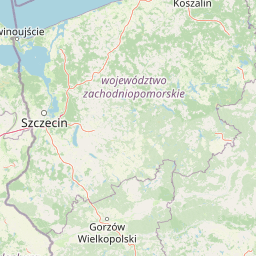
Map view of Dolina Rzeki Leśnicy Nature Reserve

Use this park location map to pinpoint Dolina Rzeki Leśnicy Nature Reserve in Poland, understand its exact geographic position, and read its mapped placement within the surrounding landscape more clearly.

Pigeon | © OpenStreetMap contributors

Location context for Dolina Rzeki Leśnicy Nature Reserve

Zachodniopomorskie
Park atlas

Compare surrounding lowland reserves and glacial river valley landscapes

Other Parks Near Dolina Rzeki Leśnicy for Regional Protected Area Comparison

Browse protected areas near Dolina Rzeki Leśnicy to compare similar young-glacial river valleys and lowland forest reserves across the region. Examining adjacent natural habitats provides broader context on regional conservation networks and diverse riparian ecosystems.
Protected areaWest Pomeranian Voivodeship
About 13 km away#1 closest

North

Wiązogóra Protected Area: Geography and Wetland Habitat Mosaic in West Pomeranian Voivodeship

Exploring the ecological significance of a post-glacial lowland mire landscape

Wiązogóra forms an intricate network of twelve bog and mire vegetation complexes situated within the Równina Białogardzka. This site showcases a diverse assembly of dystrophic ponds, transitional mires, and acidophilous beech and oak woodlands, providing a distinct study in northern European wetland conservation and regional post-glacial topography.

Area
4.9 km²
Established
2011
Relief
Lowland
Climate
Temperate
Nature reserveWest Pomeranian Voivodeship
About 20 km away#2 closest

Northeast

Mechowisko Manowo Nature Reserve: Protected Fen and Wetland Landscapes in West Pomerania

Geographic atlas of rare peatland and spring mire habitats

Mechowisko Manowo Nature Reserve protects a distinct assemblage of alkaline fens, sedge dominated turzycowiska, and swamp forests in the post glacial landscape of northern Poland. This reserve provides a rare look at the basin-like peatland terrain and calcareous groundwater systems that characterize the Dzierżęcinka river valley within the West Pomeranian region.

Area
0.555 km²
Established
2018
Scope
Terrestrial
Water
Major water bodies
Nature reserveZachodniopomorskie
About 27 km away#3 closest

East

Dolina Zgniłej Strugi Nature Reserve: Geographic Overview of Protected Mires and River Valleys

A diverse wetland corridor in the West Pomeranian region.

Dolina Zgniłej Strugi Nature Reserve protects a mosaic of spring-mire, peatland, and riparian forest habitats along the Zgniła Struga river. This landscape offers a rare example of naturally occurring lowland river dynamics and diverse mire communities within the Wysoczyzna Polanowska, anchoring an important ecological network in north-western Poland.

Area
1.523 km²
Established
2024
Relief
Lowland
Climate
Temperate
A horizontal watercolor painting showing a winding river flowing through a lush green valley with distant hills under a soft light.
Nature reserveZachodniopomorskie
About 31 km away#4 closest

South

Dolina Pięciu Jezior Nature Reserve: Geographic Atlas and Protected Area Map

A glacial valley and lake system in the Drawsko Lakeland

Located in the heart of the Drawsko Lakeland, Dolina Pięciu Jezior represents a protected nature reserve centered on a narrow valley system. The area showcases a distinctive post-glacial terrain with five linked lakes and mature beech forests. This geographic corridor serves as a vital protected area, preserving the headwaters of the Drawa River and its surrounding ecosystem within the Zachodniopomorskie region.

Area
2.288 km²
Established
1987
Relief
Upland
Climate
Temperate
Nature reserveZachodniopomorskie
About 33 km away#5 closest

West

Trzebiatowsko-Kołobrzeski Pas Nadmorski: Protected Coastal Habitat and Regional Geography

Nature reserve covering Baltic dunes, wetlands, and estuaries.

Spanning across the Szczecin Coastal Plain, this extensive nature reserve protects vital coastal habitats, including rare dune sequences, brackish lagoons, and bog forests. The area serves as a critical geographic corridor for migratory bird species and diverse sand-loving plant communities in the Zachodniopomorskie region of Poland.

Area
174.69 km²
Established
2008
Relief
Lowland
Climate
Temperate
Nature reserveZachodniopomorskie
About 35 km away#6 closest

Northeast

Rezerwat przyrody Jodły Karnieszewickie: Mapped Geography and Protected Forest Landscapes

A rare botanical refuge for mature silver fir stands in Zachodniopomorskie.

Rezerwat przyrody Jodły Karnieszewickie is a specialized nature reserve in northern Poland that serves as a living laboratory for forest conservation. The site maintains a dense, closed canopy of silver fir trees that deviate from the region's typical woodland patterns, fostering a microclimate suitable for rare epiphytes. This protected area offers deep insight into postglacial lowland forest composition and the survival of relict plant populations.

Area
0.368 km²
Established
1978
Relief
Lowland
Climate
Temperate
Watercolor painting of a tranquil lake scene with lush trees and foliage in shades of green and autumnal tones, set against a soft white background.
Nature reservePoland
About 37 km away#7 closest

South

Jezioro Prosino Nature Reserve: Protected Wetland and Lake Landscape in Poland

Ecological mapping of the Drawsko Lake District

Jezioro Prosino Nature Reserve is a targeted faunistic sanctuary in the West Pomeranian Voivodeship of Poland. This protected landscape focuses on the conservation of waterbird breeding sites and delicate lakeshore vegetation zones. By integrating with the Natura 2000 network and the surrounding Drawsko Landscape Park, the reserve serves as a prime example of postglacial ecosystem management and aquatic habitat preservation.

Area
0.86 km²
Established
1988
Relief
Lowland
Climate
Temperate
Nature reserveWest Pomeranian Voivodeship
About 37 km away#8 closest

East

Jezioro Szare Nature Reserve: Regional Geography and Protected Freshwater Landscape Analysis

Analyzing the forest-fringed lobelia lake basin in West Pomeranian Voivodeship

Situated in the West Pomeranian Voivodeship, Jezioro Szare Nature Reserve protects a distinct lobelia-type lake ecosystem. The reserve is characterized by its steep, forested basin rim and clear, low-nutrient water, functioning as a significant reference site for rare freshwater habitats within the Pomeranian lake district landscape.

Area
0.087 km²
Established
1974
Relief
Upland
Scope
Terrestrial

Common questions about visiting, size, designation, and location context for Dolina Rzeki Leśnicy Nature Reserve

Dolina Rzeki Leśnicy Nature Reserve FAQs for park facts, access, geography, and protected area context

Find quick answers about Dolina Rzeki Leśnicy Nature Reserve, including protected-area facts, park geography, trail and visitor context, and how the park fits into its surrounding country and regional landscape.
MoriAtlas Explorer

Continue Your Protected Areas Search Across the Global Atlas

Deepen your exploration by continuing the structured search for national parks and protected areas worldwide. Utilize the comprehensive filtering capabilities to compare different conservation landscapes and refine your understanding of global park geography. Discover more about the distribution and characteristics of protected natural areas.

Global natural geography