Why Drzewce Nature Reserve stands out
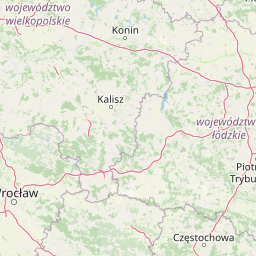
The reserve is best known for preserving a representative stand of oak-hornbeam (grąd) lowland forest, one of the most characteristic and historically widespread forest types of central Poland, in a setting shaped by the old pradol valley of the Skrwa Lewa River.
Drzewce Nature Reserve history and protected-area timeline
The reserve was formally established in 1988 through a legal act recorded in the Polish official gazette, marking the official recognition of the area as a protected forest site. Its creation reflected growing awareness of the need to preserve representative examples of oak-hornbeam woodland in regions where lowland forests had long been reduced by agricultural use.
The reserve's designation as a phytocenotic forest reserve (rezerwat fitocenotyczny) underscores that its primary purpose is the protection of plant communities rather than individual species or geological features. In ecological terms, this places Drzewce within the Polish tradition of habitat-based protection that emphasizes conserving complete forest ensembles, including their soil, structure, and characteristic species composition.
Over time, the area has continued to function as a working protected landscape, with active conservation management in place to maintain the health and composition of the forest stand.
Drzewce Nature Reserve landscape and geographic character
The landscape of Drzewce Nature Reserve is defined by the low, flat terrain typical of the Kutno Plain. The reserve lies within the broad pradol valley of the Skrwa Lewa River, an ancient meltwater corridor whose gentle topography and fertile soils support the development of dense deciduous and mixed forest rather than open wetlands or dramatic relief.
Within this overall flatness, the forest itself provides the principal visual and structural contrast. Mature oaks, hornbeams, and associated broadleaf species form a multi-layered canopy, while a species-rich understorey softens the transition between trees and the forest floor. The result is a quintessentially lowland, central European woodland scene, with no significant elevation changes or dramatic landforms but considerable seasonal variation in character.
Drzewce Nature Reserve ecosystems, habitats, and plant life
Ecologically, Drzewce Nature Reserve belongs to the lowland mixed forest zone, classified within the Polish system as a las mieszany nizinny habitat. The reserve's vegetation is dominated by oak-hornbeam forest communities (grąd), a phytocenotic type typical of well-drained but moist, fertile lowland soils across central and eastern Poland.
These grąd forests are notable for their layered structure, which typically includes a tree canopy of oak, hornbeam, and often lime or maple; a shrub layer of native broadleaf species; and a diverse herb layer featuring characteristic lowland woodland plants. Such forests support rich communities of fungi, insects, and birds, and they represent a key component of the region's natural biodiversity heritage.
Drzewce Nature Reserve wildlife and species highlights
The oak-hornbeam forests protected at Drzewce support typical lowland woodland wildlife, including forest-interior songbirds, small mammals such as rodents and shrews adapted to deciduous leaf litter, and a broad community of insects associated with mature broadleaf trees.
Dead and decaying wood within the reserve, retained as part of active conservation management, contributes to habitat for saproxylic beetles, fungi, and cavity-nesting species. While the reserve is not primarily designated for charismatic fauna, its value for typical lowland forest biodiversity is consistent with its phytocenotic protection purpose.
Drzewce Nature Reserve conservation status and protection priorities
The reserve's conservation role centers on the protection of oak-hornbeam forest communities, one of the most representative and historically widespread natural vegetation types of the Polish lowlands. By safeguarding an intact example of this habitat on the Skrwa Lewa pradol valley, the reserve contributes to maintaining the regional diversity of forest types in a landscape otherwise dominated by agriculture.
It is managed under active protection (ochrona czynna), an approach that allows interventionist management to maintain or restore the characteristic composition and structure of the protected forest communities, including control of threats that might otherwise degrade the grąd stand.
Top sights and standout views in Drzewce Nature Reserve
Among the reserve's most distinctive qualities is the way a functioning oak-hornbeam woodland, normally associated with more remote rural landscapes, survives at the edge of a small Polish town and alongside major transport routes. The Gostynin–Kutno railway line crossing the interior of the protected area is a striking feature that illustrates how a small urban-fringe reserve is threaded into the regional transport network while still retaining its ecological character.
Equally important is the reserve's role as a representative fragment of the broader Kutno Plain's natural forest heritage, providing a living reference for the kind of lowland mixed woodland that dominated this part of central Poland before centuries of agricultural development.
Best time to visit Drzewce Nature Reserve
Spring and early summer are particularly rewarding times to experience lowland broadleaf forests like Drzewce, when the herbaceous layer of a grąd woodland comes into bloom and the canopy is fully leafed out. Autumn offers a different appeal, as broadleaf species display seasonal color and forest fungi become especially visible in the moist lowland environment. Mild, dry weather generally makes walking through the flat forest terrain most comfortable, while winter, though quieter ecologically, can also reveal the structural character of the deciduous stand without foliage.