
Planning Orientation
When to Visit Riisitunturi National Park: The Short Answer
Deciding when to visit Riisitunturi National Park requires balancing two starkly different ecological experiences. The primary trade-off sits between the deep, frost-bound winter months and the brighter, more accessible summer season. Because the park is situated near the Arctic Circle in Finnish Lapland, your choice dictates not only the temperatures you will encounter, but the very nature of the terrain and the activities available to you. There is no universally superior time to visit, as the park undergoes a profound transformation based on the duration of daylight and the state of the local spruce forests.
The Winter Experience and Its Constraints
For many travelers, the best time to visit Riisitunturi National Park is during the heart of winter, when the famous spruce trees become encased in heavy layers of frost, creating the iconic snow-covered silhouettes for which the park is known. This period, roughly spanning from December through March, is defined by significant cold, with mean temperatures often dropping well below minus ten degrees Celsius. Visitors during these months should anticipate minimal daylight, as the winter solstice leaves the park in extended periods of low light or darkness. This is the period when the landscape is at its most dramatic, but it also requires the highest level of preparedness due to the harsh, sub-zero environment and the nature of the terrain, which includes rolling fells and exposed hillside wetlands.
Transitioning to Summer Accessibility
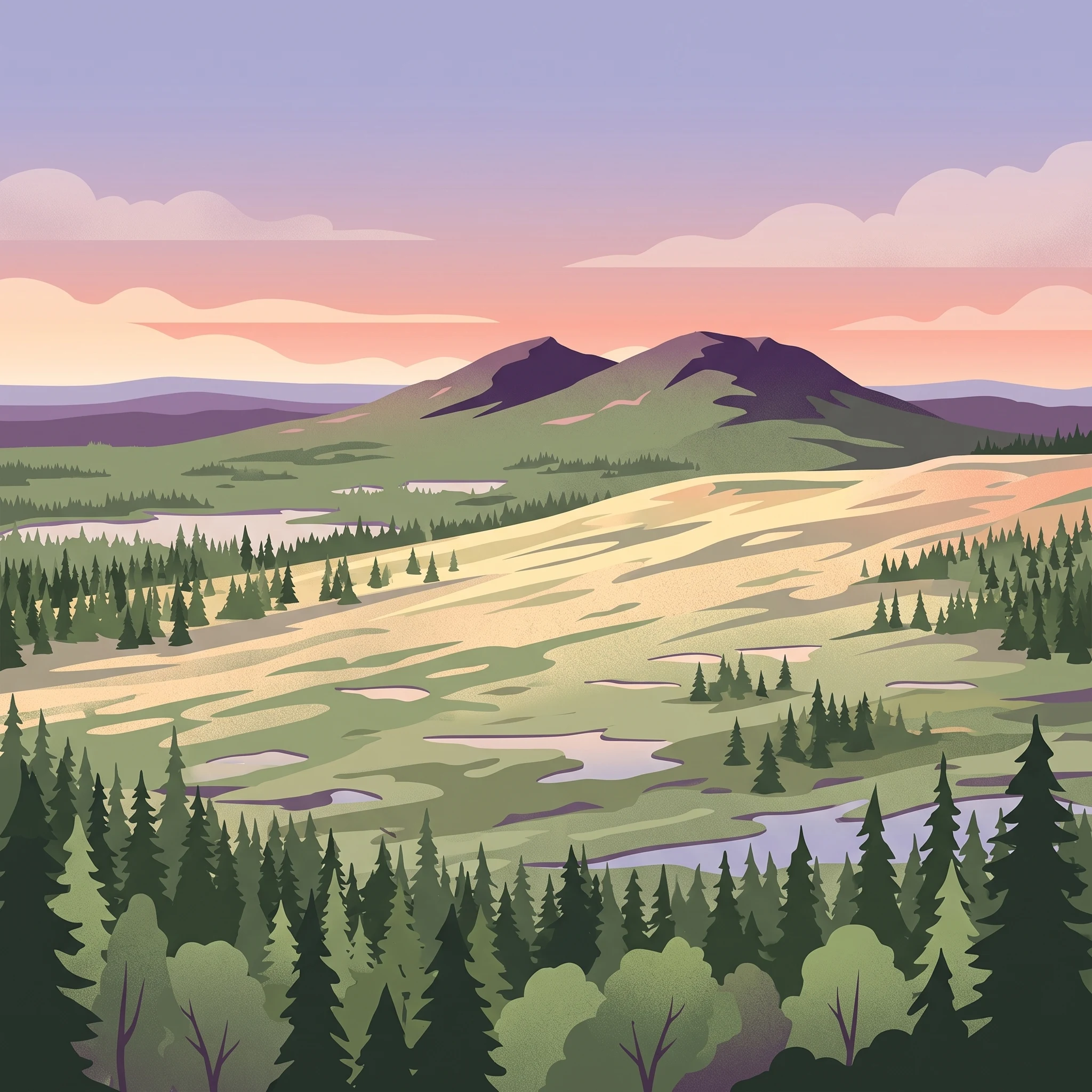
If your primary goal is to traverse the park’s network of fell trails without the challenges of deep snow or extreme cold, the summer months offer a fundamentally different experience. Starting in May, as temperatures climb and the snow begins to recede, the park shifts toward its green season, reaching its warmest and most daylight-heavy window between June and August. During this time, the hillside swamps and forest paths become significantly more accessible, allowing for longer hiking trips and a clearer view of the region’s distinctive transition zone between boreal forest and arctic tundra. While winter is defined by the visual stillness of frozen, snow-heavy trees, summer is defined by movement, landscape exploration, and the expansive panorama from the Noukavaara summit.
Navigating Seasonal Trade-offs
Choosing your dates should be guided by your comfort level with northern environmental conditions. The transition periods in late autumn and early spring act as functional buffers where the park is neither fully frozen nor entirely free of mud and thawing ground. Because weather patterns in this part of Lapland are influenced by the inland terrain, visitors must recognize that the climate normals, while helpful for identifying broad seasonal shifts, do not function as daily weather forecasts. Regardless of whether you prioritize the winter frost landscapes or the summer trail access, the park remains a dynamic environment where the interaction of wind, moisture, and elevation dictates the experience on the ground.
Seasonal Planning
Best months for visiting Riisitunturi National Park
Peak Winter for Frost-Laden Spruce
The most iconic visiting window for Riisitunturi National Park occurs from January through March. This period is defined by heavy snow accumulation and the signature frost-laden spruce trees, known as tykky, that define the park's visual identity. Visitors during these months must prepare for extreme cold, with average minimum temperatures dropping below -20 degrees Celsius. Daylight is a significant limiting factor, with January offering fewer than four hours of light. Travelers choosing this window are typically motivated by photography and snow-based exploration rather than long-distance hiking, as deep snowpack significantly alters trail accessibility and speed. The primary trade-off is the intensity of the environment: while the scenery is visually spectacular, the harsh conditions require specialized thermal gear and caution regarding daylight availability.
The Transitional Months of Spring
April and May represent a profound shift in the park's environment. April retains much of the winter character with significant snow still on the ground, yet daylight increases rapidly to over 15 hours by the end of the month. May marks the transition into the early stages of the growing season as temperatures rise and snow begins to recede from lower elevations. This is a period of high variability; travelers might encounter frozen trails, muddy ground, or sudden late-season cold snaps. This window suits visitors who prefer longer daylight hours but wish to avoid the peak summer heat and insects, provided they remain flexible regarding trail conditions and the presence of slushy, melting snow.
Summer and Early Autumn Exploration
June through September offers the most reliable window for those focused on hiking across the park's extensive fell terrain and wetland boardwalks. June is characterized by maximum daylight, exceeding 22 hours, which provides immense flexibility for scheduling long treks. July remains the warmest month, with average maximums around 24 degrees Celsius, making it ideal for accessing the high-altitude viewpoints at Noukavaara without winter equipment. September signals the onset of autumn, with a noticeable drop in temperatures and the return of shorter daylight hours. This season is the best time for those prioritizing open trail access and a wider range of walking experiences. The main trade-off is the loss of the dramatic winter frostscapes, as the park transitions into a lush, green landscape that is significantly different in character from its snowy counterpart.
Late Autumn and Early Winter Reset
October and November form a quiet transition period. As temperatures consistently dip toward freezing and daylight rapidly diminishes to five hours by November, the park enters a dormant state before the deep freeze returns. These months are generally less popular for casual visitors due to the combination of reduced light, cold rain, and unpredictable surface conditions. This window is suitable only for experienced visitors who prioritize solitude and understand that the park's infrastructure, such as wilderness huts and trail markers, may be less accessible due to the lack of established snow cover or the presence of early season ice.
Annual Climate Overview
Monthly Temperature, Precipitation, and Daylight in Riisitunturi National Park
Interpreting Annual Meteorological Cycles
The climate at Riisitunturi National Park follows a sharp dichotomy between the deep, dark winter and the expansive, light-filled summer typical of southern Lapland. While these climate normals, recorded between 1991 and 2020 at an elevation of 269.44 meters, provide a consistent framework for understanding the park, they represent long-term averages rather than localized weather forecasts. Visitors should anticipate significant variability across the terrain, as the open fell summits often experience conditions distinct from the sheltered hillside swamps and dense spruce forests found at lower altitudes.
The Thermal Divide: From Deep Winter to Summer Warmth
The temperature profile of the park reveals two distinct phases. From December through March, the park remains firmly in a sub-zero regime, with mean temperatures consistently dropping well below -7°C. January and February are the coldest months, where average minimums can reach approximately -27°C. These months represent the most extreme thermal conditions, requiring careful consideration for those venturing into the park. Conversely, the transition into summer brings a rapid warming trend. By June, mean temperatures rise to roughly 11.5°C, with July serving as the warmest month, where average maximums reach upwards of 24°C. Visitors should note that even during the peak of summer, night-time temperatures frequently hover near 6°C, reflecting the park's inland, northern position.
Daylight Extremes and the Arctic Influence
Perhaps the most striking environmental shift for visitors is the extreme variance in daylight hours. The park experiences an intense light-dark cycle, with December daylight dropping to an average of just 1.87 hours per day. This period creates a limited window for outdoor activity, emphasizing the need for early starts for any trail exploration. The situation reverses during the summer solstice period, as June boasts over 22 hours of daily daylight. This prolonged exposure provides immense flexibility for navigating the trails, though it requires travelers to manage their energy carefully, as the near-constant light can disrupt typical sleep-wake patterns. By August, the light begins to wane, dropping to around 16 hours, marking the transition toward the darker autumn season.
Humidity, Wind, and Precipitation Patterns
Relative humidity remains consistently high throughout the year, rarely dipping below 80 percent, even in the drier summer months. This persistent moisture contributes to the park's characteristic environment, where mosses and swamps thrive. Precipitation is relatively evenly distributed throughout the year but peaks in intensity during the summer months of June and July, averaging roughly 3.4 to 3.9 millimeters per day. While winter precipitation is lower in raw measurement, the accumulation of snow remains a defining feature of the winter landscape. Wind speeds at the sampled elevation remain moderate, generally ranging between 2 and 3 meters per second. However, because much of the park is defined by open fell terrain, these winds can feel more intense on exposed ridges and summits compared to the sheltered interiors of the spruce forests. Travelers should treat these figures as markers of typical behavior rather than predictors for specific dates, as local weather systems in this inland environment can shift quickly.
Seasonal dynamics
Understanding Annual Climate Patterns and Seasonal Transitions in Riisitunturi
Defining the Cycles of a Northern Fell Environment
Rather than forcing the year into a traditional four-season model, the climate at Riisitunturi follows a binary rhythm dominated by the presence or absence of deep winter conditions. The park shifts between a long, cold dormant phase characterized by significant snow accumulation and a brief, bright period of rapid biological growth and trail accessibility. Transitions between these states are not instantaneous, with the shoulder periods serving as critical windows where the landscape fluctuates between freezing and thawing.
The Deep Winter Phase: January through March
This period defines the classic image of the park. Temperatures consistently drop well below freezing, and the landscape is shaped by the heavy, frost-laden spruce trees that the area is known for. From January into March, the environment is defined by minimal daylight and high humidity, which contributes to the formation of the iconic rime ice on branches. This phase is characterized by stability in its cold, but volatility in its light levels, as daylight hours expand rapidly from the darkness of mid-winter toward the vernal equinox. Visitors during these months should expect a persistent, snow-covered reality where the primary meteorological driver is the lack of solar heat.
The Thaw and Spring Transition: April through May
April acts as a pivot point for the park. As daylight hours extend significantly, the average maximum temperatures begin to climb above the freezing threshold. However, this is not a period of immediate warmth. The nights remain cold, often dipping well below zero, leading to a daily cycle of melting and refreezing that renders many surfaces unstable or icy. By May, the transition accelerates as the mean temperatures move toward double digits. This is a volatile transition phase; visitors may encounter rapidly changing trail conditions as the snowpack recedes. It is important to note that while daylight is abundant, the physical landscape is in a state of flux, shifting from a solid, frozen state to the saturated, muddy conditions that precede the growing season.
The Summer and Early Autumn Growth Phase: June through September
This window represents the active, accessible life of the park. Starting in June, the landscape enters a period of high daylight and peak temperatures, providing the most reliable window for movement across the fell terrain. Precipitation, which is historically at its highest during these months, supports the dense spruce forests and the characteristic hillside swamps. Unlike the winter phase, which is defined by extreme cold and ice, this period is defined by soft, often wet ground and vibrant green growth. By late August and into September, as temperatures begin to fall and daylight begins to contract, the park experiences the transition back toward winter dormancy, marked by the cooling of the wetlands and the potential for early night frosts as the month concludes.
The Pre-Winter Freeze: October through December
As autumn yields to winter, the park enters a rapid decline in both temperature and light. October and November act as the final transition, where the lingering warmth of the summer disappears, and the landscape begins the process of hardening once more. This period is characterized by the return of deep sub-zero night temperatures, often coinciding with the first permanent snows. By December, the park has returned to the full grip of the arctic winter, with daylight hours reaching their annual minimum, effectively resetting the cycle to the start of the deep winter phase.
Seasonal Experiences
Experiencing the Seasonal Evolution of the Riisitunturi Landscape
Navigating Terrain Through Seasonal Transitions
The physical experience of traversing Riisitunturi changes drastically based on the time of year, largely determined by the presence or absence of snow cover on the fell slopes. The park is defined by steep terrain, which transforms how visitors navigate the trails between the spruce forests and the open fell peaks. During the winter, the hardened snowpack allows for walking routes that would be otherwise impassable or restricted by the challenging terrain of the hillside bogs. As temperatures rise and the spring thaw commences, these paths become subject to wet conditions, necessitating a shift toward established trail infrastructure to protect the sensitive mire environments.
Seasonal Utility of Park Infrastructure
The park's network of lean-to shelters and wilderness huts serves as the primary experiential anchor for hikers and skiers alike, but their accessibility is tied to seasonal surface conditions. During the winter season, particularly from mid-January through late April, the maintained ski track connecting the village of Tolva to the Riisitunturi wilderness hut allows for a distinct mode of movement that is unavailable once the snow melts. In contrast, the summer months focus on foot traffic, where the Riisin Raapasy trail provides access to the hanging bogs and Ikkunalampi Pond. Visitors should note that these facilities are not staffed, and the utility of specific routes depends on current conditions and ongoing maintenance rather than static seasonal labels.
Experiential Differences in Fell Exploration
The summit of Riisitunturi and the surrounding slopes offer experiences that diverge based on daylight and temperature. In late spring and throughout the summer, the extensive daylight permits prolonged exploration of the 33 km route from Posio to Tolva, allowing hikers to cover significant ground across the Karitunturi mire protection area. The park's varied terrain, ranging from rocky old pine forests to open marshlands, presents different environmental interactions. While autumn brings a period of quiet, the lowering temperatures of late October require a transition in expectations, as the ground begins to harden and daylight hours decrease rapidly. The experiential value of the park shifts from the expansive, long-distance hiking potential of the summer to the more localized, shelter-focused visits required by the harsh climate of the pre-winter freeze and deep winter phases. Always verify local trail status and fire warnings before planning an excursion, as the susceptibility of the landscape to foot traffic changes with the moisture levels and freezing cycles throughout the year.
Visitor Priorities
Choosing the Best Time to Visit Riisitunturi for Specific Experiences
Choosing the Ideal Window for Hiking and Trail Access
For those primarily interested in hiking, the window between June and September offers the most reliable ground conditions. During these months, the snow-melt cycle completes, allowing for access to the network of marked trails without the need for winter-specific navigation skills or snow-dependent gear. July, in particular, balances the highest average temperatures (with a mean around 14.88°C) and the longest days of the year, which provides ample time to explore longer routes like the 10.7 km Riisin rietas trail or the longer 33 km cross-park route. The trade-off is the vulnerability of the wetlands to moisture and the presence of insects, which are most active when temperatures climb consistently into the double digits. Hikers seeking a quieter experience should look toward September, when the first frosts return and temperatures drop, but the ground remains generally stable and free of deep snow.
Prioritizing Milder Temperatures and Extended Daylight
Visitors who find extreme cold prohibitive but wish to see the landscape in a state of transition should focus on late April and early May. While average minimums in April can still drop to -13.65°C, the average maximum rises to 5.68°C. This period marks the end of the deep winter freeze, yet the landscape often retains enough snow for a classic Lapland aesthetic before the rapid thaw of late May. The daylight duration increases significantly, reaching up to 18.87 hours by the end of May, offering a vast temporal window for photography and long-distance navigation. The main compromise here is variable surface conditions, as the melting snow pack creates wet and potentially muddy trails that are less predictable than the frozen ground of winter or the dry paths of late summer.
Targeting the Deep Winter Frost Experience
If the priority is the iconic frost-laden spruce landscape that gives the park its distinctive reputation, the months of January and February remain the most suitable, despite the harshness of the climate. January sees average minimums of -27.38°C and only 3.87 hours of daylight, meaning the visitor must be prepared for extreme cold and very limited visibility. The trade-off for this intensity is the unique visual character of the snow-caked trees that appear only in stable, freezing conditions. March serves as a moderate alternative, as the average minimum lifts to -20.95°C and the daylight extends to over 11 hours. This provides a more manageable, though still frigid, environment that preserves the winter aesthetic while offering significantly more time to safely traverse the trails from the Riisitunturi starting point to the wilderness huts.
Access and Logistics
Seasonal Access and Practical Planning for Riisitunturi National Park
Access to Riisitunturi National Park fluctuates significantly based on the time of year and the prevailing ground conditions. Because the park relies on a mix of maintained gravel access roads and wilderness trail networks, visitors must distinguish between year-round arrival points and seasonal transit options. The main entrance, located approximately 30 km from the center of Posio, is the primary entry point for most motorists. This arrival route typically involves a 3-km gravel road segment that diverges from the road between Posio and Tolva. Drivers should be aware that the condition of these secondary access roads can change rapidly due to thaw cycles, heavy snowfall, or seasonal maintenance schedules. Always verify current road status through official Finnish park authorities or regional road reports before planning a specific departure date.
Seasonal Transit and Regional Connectivity
Beyond private vehicle access, the park is connected to the wider Finnish Lapland transport network through nearby hubs. Kuusamo serves as the closest airport, while those traveling by train typically arrive in Kemijärvi. From these transit hubs, the final leg of the journey usually requires a rental car or local taxi services, particularly when moving into more remote areas like the village of Tolva. While daily coach services operate between major regional centers like Rovaniemi and Kuusamo along the main arterial roads, these buses stop near the southern ends of the park, such as the Kirintövaara area. Relying on public transport requires careful coordination with local schedules, which are subject to seasonal adjustments. Check official transport carrier websites for current timetables to ensure your arrival aligns with the intended day of travel.
Understanding Infrastructure Limitations
Visitors planning a trip should note that not all routes within or approaching the park boundaries are intended for year-round vehicular traffic. Some peripheral roads, such as the track passing through the far end of the park between the twin fells of Noukavaara, may suffer from degradation and are often not recommended for standard passenger vehicles. Furthermore, the park terrain, which encompasses hillside swamps and dense spruce forests, dictates the flow of human traffic. In winter, infrastructure shifts toward snow-based movement. Marked skiing tracks connect villages like Tolva to the interior wilderness huts, creating paths that are physically inaccessible to hikers or cyclists during the snow-covered months. Never assume that a road or trail shown on a map is open or passable; conditions change based on the accumulation of snow, the stability of frozen bogs, or recent maintenance work. Always consult the official Metsähallitus website or the local visitor information center for the most up-to-date alerts regarding route closures, parking availability, and trail-specific warnings before you begin your journey.
Safety and Gear
Weather, Safety, and Seasonal Preparation for Riisitunturi National Park
Navigating Extreme Winter Temperatures
The most significant safety factor at Riisitunturi involves the profound cold characteristic of the Finnish winter. From December through March, temperatures frequently drop well below minus 20 degrees Celsius. In these conditions, moisture management becomes the primary safety consideration. Cotton fabrics, which retain moisture and lose insulating properties when damp, pose a significant risk in sub-zero environments. Preparing for these months requires layering moisture-wicking synthetic or wool base layers to maintain core warmth, as the park lacks immediate indoor shelter across its wilderness expanses. Visitors should anticipate that the cold is not merely a background condition but the primary factor influencing how long they can safely remain outdoors.
Daylight Limitations and Winter Visibility
Winter visits, particularly in December and January when daylight can be limited to under four hours, impose strict constraints on travel. Reduced light complicates navigation, especially if weather conditions diminish visibility further. Because the park features rolling fells and exposed swamp areas, landmarks can become obscured quickly. It is essential for visitors to carry reliable navigation tools, such as physical maps and a compass, rather than relying solely on battery-operated devices that may deplete rapidly in extreme cold. Always verify the current daylight window for your specific travel dates to ensure you can reach shelters or return to trailheads well before sunset.
Preparing for Seasonal Surface Conditions
Transition seasons in April, May, and October introduce unique safety concerns related to shifting terrain. As temperatures oscillate around the freezing point, trails often become icy or saturated with mud, significantly increasing the risk of slips or falls. The transition from frozen snowpack to soft, boggy ground requires footwear with appropriate ankle support and traction that can adapt to uneven, potentially slippery surfaces. During summer, the terrain is more stable, but hikers should still be prepared for the wet conditions inherent in a park defined by its hillside swamps and peatlands. High-quality, waterproof footwear is a standard requirement for navigating these wetland ecosystems at any time of year when the ground is not fully frozen.
Staying Informed on Current Conditions
Climate data provides a reliable baseline for long-term planning, but it cannot predict daily weather shifts, wind gusts, or specific snow depth levels. Before departing, check the current weather forecasts through official national meteorological services and review the latest park updates on the Metsähallitus website for any alerts regarding trail maintenance or closures. If you are not experienced in Arctic wilderness travel, prioritize using established, well-marked trails and consult local guidance when winter conditions are particularly harsh. Access to information about the current state of roads and interior tracks is the most effective tool for managing safety during your visit.
Finalizing Your Visit
How to Choose the Right Time for Your Riisitunturi Visit
Deciding when to visit Riisitunturi requires moving beyond simple preference to align your expectations with the park's rigid environmental cycles. Because the park experiences such extreme shifts between the dark, sub-zero winter and the light-filled, temperate summer, your visit date serves as the most important factor in defining the nature of your trip. If your primary goal involves witnessing the frost-covered spruce trees that define the park's winter identity, you must prioritize the months between January and March. This period demands a high tolerance for cold, as mean temperatures often drop below -10 degrees Celsius, and you must be prepared for very limited daylight, which can be as low as two hours in mid-winter. The trade-off is the unique, ethereal scenery that is impossible to replicate during other times of the year.
Conversely, if you prefer accessible, long-distance hiking with stable ground conditions and extensive daylight, the period from June through September offers the most practical window. During these months, the park transforms into a landscape of green, open fells and wetlands. Daylight is at its maximum, providing ample time for extended exploration without the navigational challenges imposed by winter darkness. You will experience warmer temperatures, yet you should anticipate that ground conditions in the swampy areas can remain soft or wet even in mid-summer. This period is the most approachable for those who want to focus on hiking and wilderness navigation without the added complexity of snow-dependent travel.
There is no single correct time to visit, as the choice depends entirely on which version of the Lapland environment you wish to experience. If you find yourself drawn to the quiet, snow-bound intensity of the high north, winter provides that experience at the cost of accessibility and comfort. If you seek the open, expansive nature of the fells under the midnight sun, summer provides that access at the cost of the iconic winter frost. Before finalizing your dates, verify current trail status, road access, and weather warnings via official channels such as Metsähallitus, as climate normals provide only a long-term expectation rather than a guarantee of current conditions. Your next step in planning should be to monitor these live updates to ensure the environment aligns with your intended activities for your chosen month.