
Why Riisitunturi National Park stands out
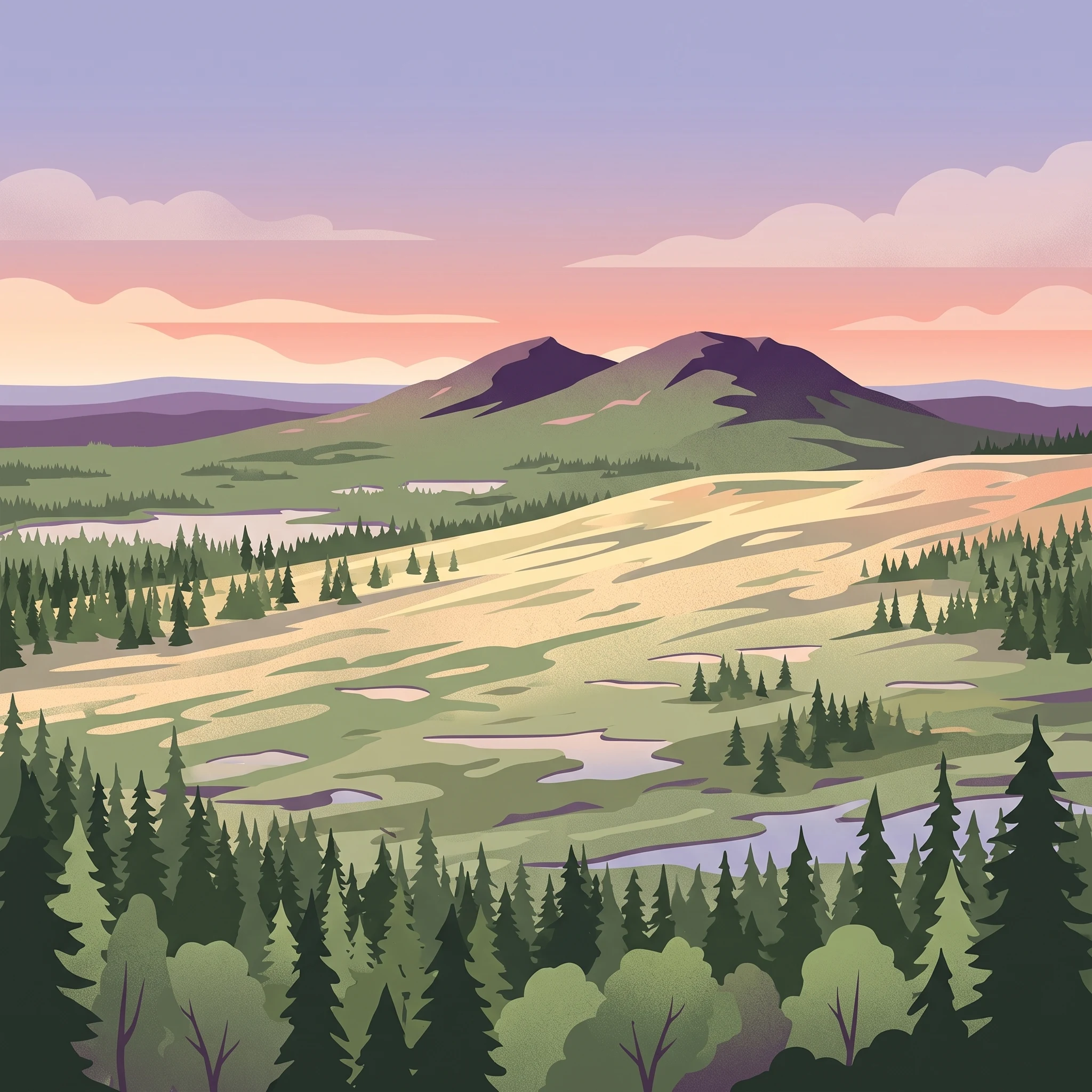
Riisitunturi is best known for its dramatic mountainous landscape within Finland's southern Lapland, where twin fells rise from surrounding forests and wetlands. The park's distinctive character comes from the combination of open fell terrain, dense northern spruce forests, and the extensive swamp networks that create a varied and visually striking environment. The summit viewpoint from Noukavaara offers panoramic views across the protected landscape, making it a signature experience for visitors. The wilderness hut near the twin-peak provides backcountry access to one of the park's most iconic landscapes.
Riisitunturi National Park history and protected-area timeline
Riisitunturi National Park was established in 1982 as part of Finland's expanding network of protected areas during the country's environmental protection movement of the late 20th century. The park's creation reflected growing recognition of the need to preserve the unique mountainous and wetland landscapes of southern Lapland, which differed from the more extensive protected areas already established in northern Finland's arctic regions. Since its establishment, the park has been managed by Metsähallitus, which coordinates Finland's state-owned protected areas. The single wilderness hut near the twin-peak of Riisitunturi provides backcountry accommodation for hikers exploring the park's interior, maintaining Finland's tradition of accessible wilderness accommodation in protected areas.
Riisitunturi National Park landscape and geographic character
The physical landscape of Riisitunturi National Park centers on the prominent Riisitunturi fell, a distinctive twin-peak formation that rises above the surrounding terrain to an elevation of 465.3 meters. This mountainous core is surrounded by forests that transition from more mixed woodland in the lower elevations to pure spruce-dominated taiga as elevation increases. The landscape is notably characterized by extensive swamp systems, particularly hillside swamps that develop in the transition zones between higher ground and valley bottoms. These wetlands create a mosaic of wet and dry areas across the park, with marshy meadows, peat bogs, and swampy forests providing visual variety. The summit area offers sweeping views across the protected landscape, with the relatively gentle arctic fells of the region creating an open, exposed character above the treeline.
Riisitunturi National Park ecosystems, habitats, and plant life
The ecological character of Riisitunturi reflects the transition between Finland's boreal forest zone and more arctic conditions. The park contains old-growth spruce forests that represent relatively intact examples of northern taiga, with trees that have developed over centuries without significant disturbance. The extensive swamp systems represent another key habitat type, supporting specialized plant communities adapted to wet, acidic conditions. The hillside swamps in particular create ecological corridors through the forest and provide important functions in water regulation and carbon storage. The transition from forest to open fell vegetation creates environmental gradients that support diverse plant communities, from shade-tolerant forest understory species to more hardy tundra vegetation on the most exposed sites.
Riisitunturi National Park wildlife and species highlights
The wildlife of Riisitunturi reflects typical Lapland fauna adapted to northern boreal and subarctic conditions. The forest environments support species such as reindeer, which have long been part of the cultural and ecological landscape of northern Finland. The swamp areas provide important habitats for waterfowl and wetland birds, while the surrounding forests host species typical of the taiga zone. The relatively undeveloped nature of the protected area means that species requiring large, intact wilderness areas can persist in the park, maintaining ecological connectivity with the broader northern Finnish landscape.
Riisitunturi National Park conservation status and protection priorities
Riisitunturi National Park contributes to Finland's conservation network by protecting a distinctive mountainous and wetland landscape that might otherwise face development pressure. The park's classification as an IUCN Category II protected area reflects its primary purpose of preserving natural ecosystems while allowing for sustainable recreation. The protection of extensive swamp systems is particularly significant given the role of these wetlands in carbon storage, water regulation, and biodiversity support. The park also helps preserve connectivity across Finland's northern landscapes, allowing wildlife populations to maintain genetic exchange across the broader region.
Top sights and standout views in Riisitunturi National Park
The signature experience at Riisitunturi is the hike to the summit viewpoint at Noukavaara, which offers expansive panoramas across the protected mountainous landscape. The park's network of trails allows visitors to explore the transition between dense forest and open fell terrain, passing through the characteristic hillside swamps that distinguish this area. The single wilderness hut near the twin-peak provides backcountry access for those wishing to experience the park's interior landscape more deeply. The combination of accessible day-hiking opportunities and wilderness backcountry experiences makes the park appealing to a range of visitors.
Best time to visit Riisitunturi National Park
The best time to visit Riisitunturi National Park is during the summer months of June through August, when Finland's northern latitude provides nearly continuous daylight and hiking conditions are most favorable. The snow-free period allows access to the fell trails and wilderness hut, with the landscape displaying the vibrant greens characteristic of northern growing seasons. Winter visits are possible but require appropriate equipment and preparation for arctic conditions, with the park's small scale and limited facilities making it better suited to summer exploration. The shoulder seasons of late spring and early autumn offer different but equally compelling experiences, with spring bringing snow-melt wetlands and autumn displaying boreal forest color.